Hikone
彦根Hikone is a castle town that has preserved not just its fortress but the atmosphere of the era that built it. Situated on the eastern shore of Lake Biwa, at the point where the Suzuka Mountains descend toward the lake plain, Hikone retains one of only twelve original castle keeps in Japan, a compact, elegant structure whose white walls and curving rooflines have watched over the lake and the surrounding rice fields since 1622. The castle is designated a National Treasure, one of only five castles in the country to hold this status, and its survival through the modernization-era demolitions that destroyed hundreds of Japanese fortresses is itself a story of aesthetic judgment prevailing over utilitarian logic: a petition to the Meiji government, reportedly supported by the touring Emperor himself, saved the castle from scheduled destruction and preserved for posterity one of the most beautiful and best-proportioned keeps in the country.
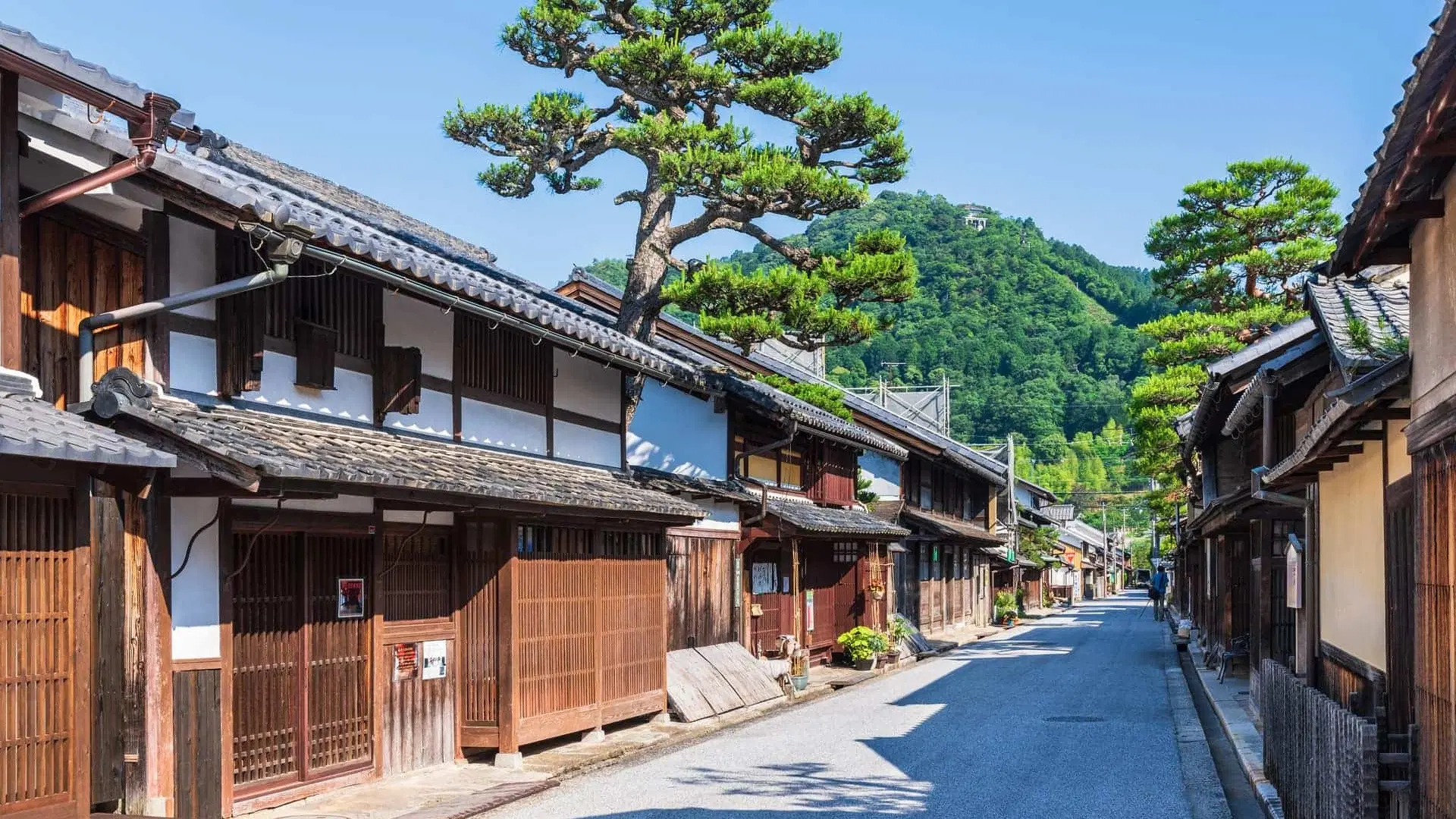
The town that surrounds the castle retains the spatial organization of the feudal period more completely than most Japanese cities. The samurai district, the merchant quarter, and the temple district maintain their historical boundaries, and the canals that once served as both transportation infrastructure and defensive moat still carry water through the old town, their stone-lined banks and arching bridges creating a streetscape that rewards unhurried exploration. The Ii family, one of the most powerful daimyo lineages of the Tokugawa period, ruled from Hikone for the entire duration of the shogunate, and their wealth and taste shaped a town of cultural refinement that extends well beyond the castle grounds.
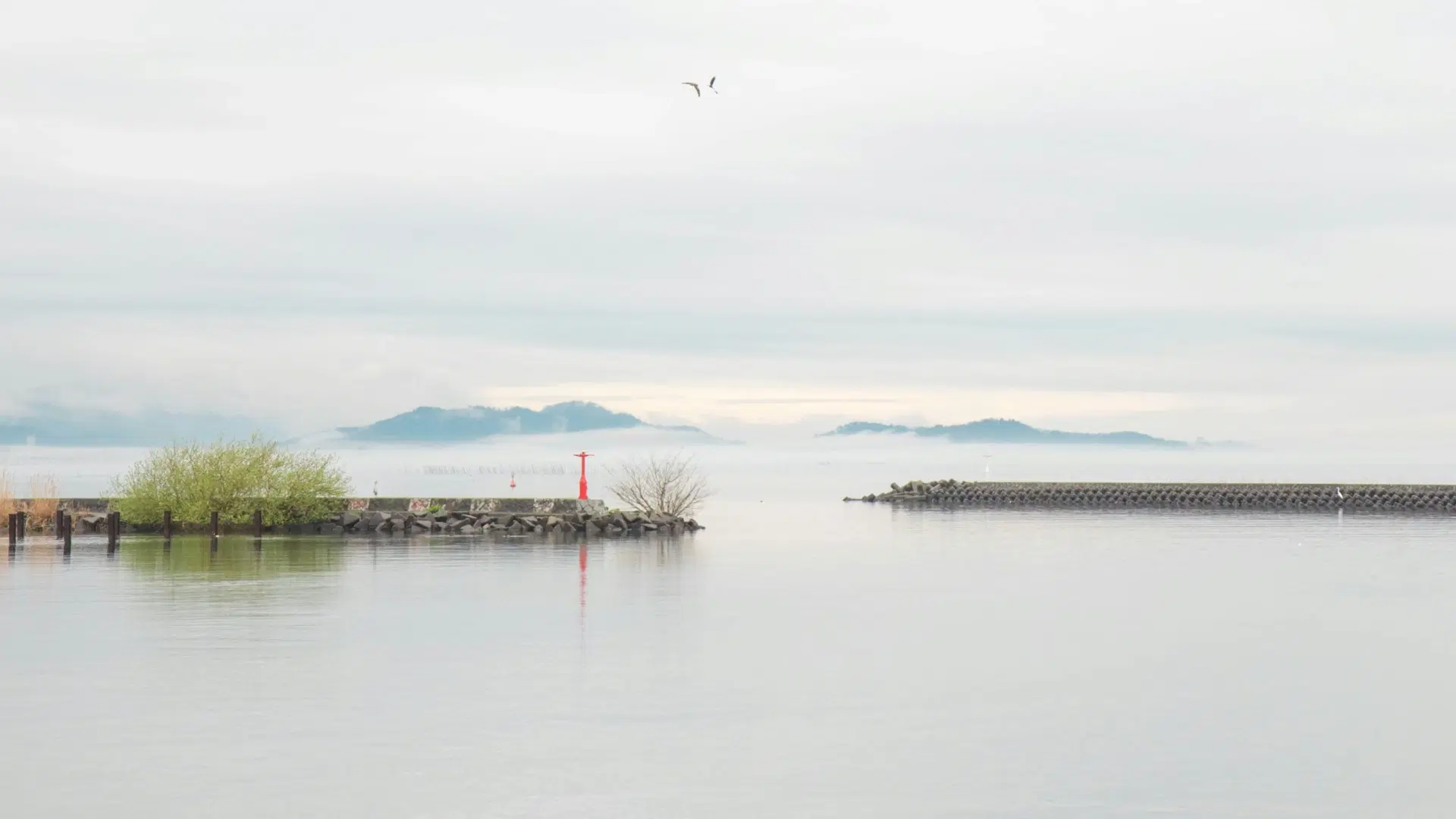
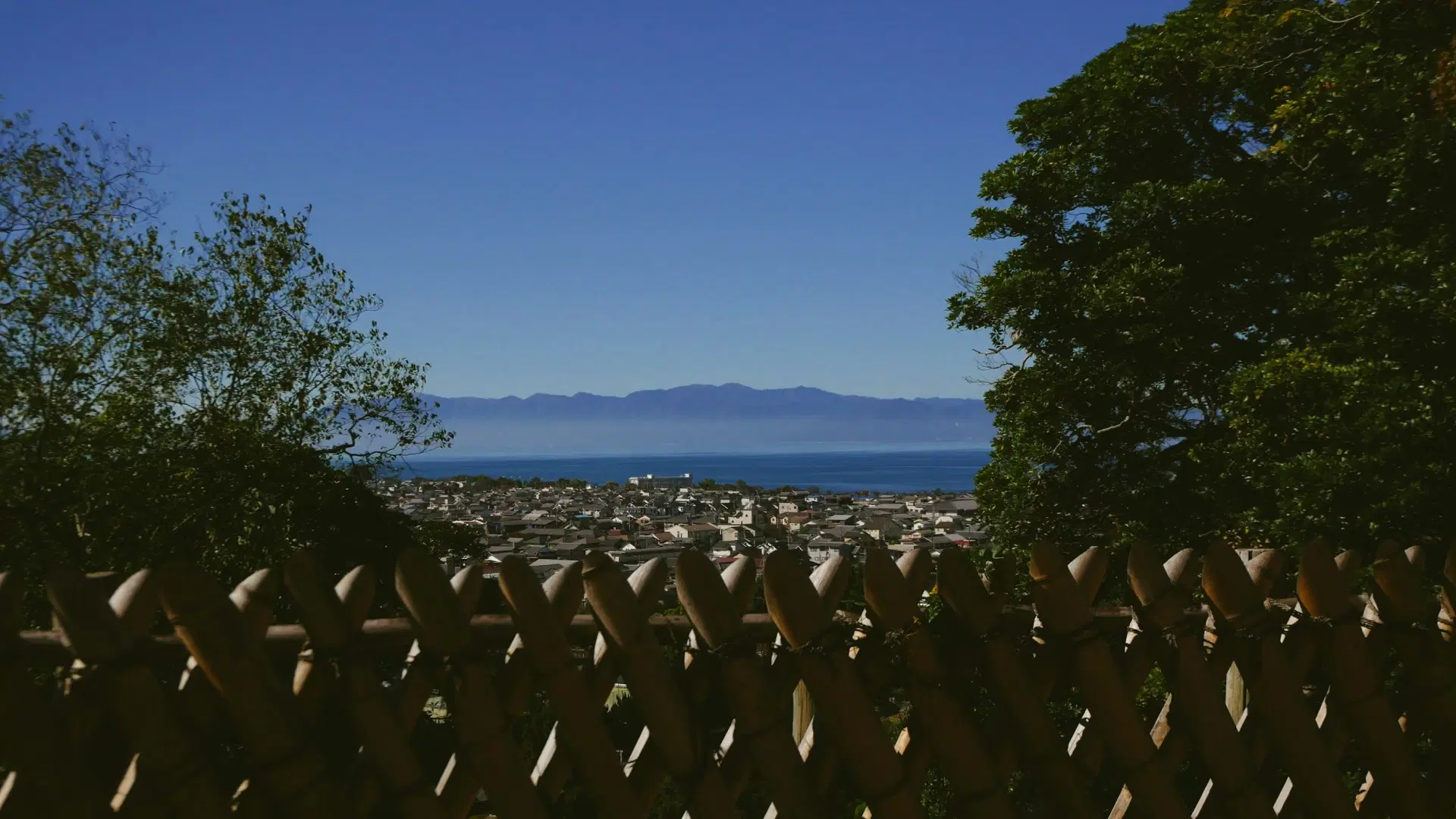
The views from Hikone Castle across Lake Biwa are among the most celebrated in the Kansai region. On clear days, the lake stretches to the Hira Mountains on the western shore, its surface shifting through the day from morning silver to afternoon blue to the gold of sunset, when the water and the sky merge into a single field of light that turns the castle's white walls to amber. This relationship between fortress and landscape, the strategic and the aesthetic united in a single composition, captures the dual nature of the castle town: a place built for defense that became, over the centuries, a place built for beauty.
Hikone is a castle town that has preserved not just its fortress but the atmosphere of the era that built it.
Highlights
Hikone Castle itself demands slow, attentive exploration. The three-story keep, though modest in scale compared to Himeji or Osaka, achieves a perfection of proportion and detail that larger structures cannot match. The decorative gables, mixing the karahafu and chidorihafu styles in an arrangement of unusual complexity, give the exterior a visual rhythm that shifts with the viewer's position, and the interior, with its steep wooden stairs, narrow windows designed for defensive fire, and the panoramic views from the upper floor, communicates the reality of castle life with an immediacy that concrete reconstructions cannot replicate. The castle is surrounded by a complete set of original fortifications, including the Tenbin Yagura, a rare balanced-style turret, and the Taiko Yagura, the drum tower that once marked the hours for the castle town below.
Genkyuen Garden, a large Edo-period landscape garden at the foot of the castle hill, was built in 1677 by the fourth Ii lord as a recreation of the Eight Views of Omi, the celebrated scenic compositions of Lake Biwa's landscape. The central pond, encircled by paths that pass through carefully composed arrangements of stone, lantern, and vegetation, reflects the castle keep in its still surface, creating a doubled image that has become one of the most photographed compositions in Japanese garden culture. The teahouse within the garden, where visitors can sit on tatami and drink matcha while gazing across the pond to the castle above, offers a moment of focused calm that distills the aesthetic values of the Edo-period ruling class into an experience available to anyone willing to sit still for twenty minutes.
Yume-Kyobashi Castle Road, a restored section of the old castle town, preserves the dark-timbered architecture of the merchant quarter and houses shops, cafes, and galleries that operate within the original structures. The street provides the commercial and social counterpoint to the castle's military severity and the garden's contemplative refinement, completing a portrait of castle town life that encompasses defense, beauty, and daily commerce in a walkable radius.
Culinary Scene
Hikone's cuisine draws from Lake Biwa with a directness that reflects the castle town's centuries of lakeside life. The funazushi tradition is particularly strong here, with several establishments producing fermented carp using methods that have been refined across generations. The depth and complexity of well-aged funazushi, served in thin slices with sake that has been chosen specifically to complement its powerful acidity, represents one of the most distinctive gastronomic experiences available in the Kansai region. Visitors who approach the dish with open minds often find that its intensity, intimidating at first encounter, resolves into a profound and addictive flavor that lingers in the memory long after the meal has ended.
Omi beef, produced from cattle raised in the Shiga Prefecture highlands, is the region's other great culinary treasure. With a history of more than four hundred years, Omi beef is one of the three great wagyu brands of Japan, its marbling delicate, its fat sweet, and its texture yielding. The beef restaurants of Hikone and the surrounding area serve Omi beef in preparations ranging from sukiyaki to steak, each showcasing the particular quality that distinguishes this wagyu from its Kobe and Matsusaka counterparts: a subtlety of flavor and a softness of fat that many connoisseurs consider the most refined expression of the Japanese beef tradition.
The lake fish beyond funazushi contribute their own pleasures to the Hikone table. Ayu from the rivers feeding Lake Biwa, grilled whole over charcoal with salt, possess a sweetness and a faint bitterness that mark them as products of exceptionally clean water. Moroko, small lake fish served tempura-style or as tsukudani, simmered in sweet soy, provide the everyday flavors that connect the castle town's cuisine to the body of water that has sustained it since its founding.