Biwako Fireworks Festival
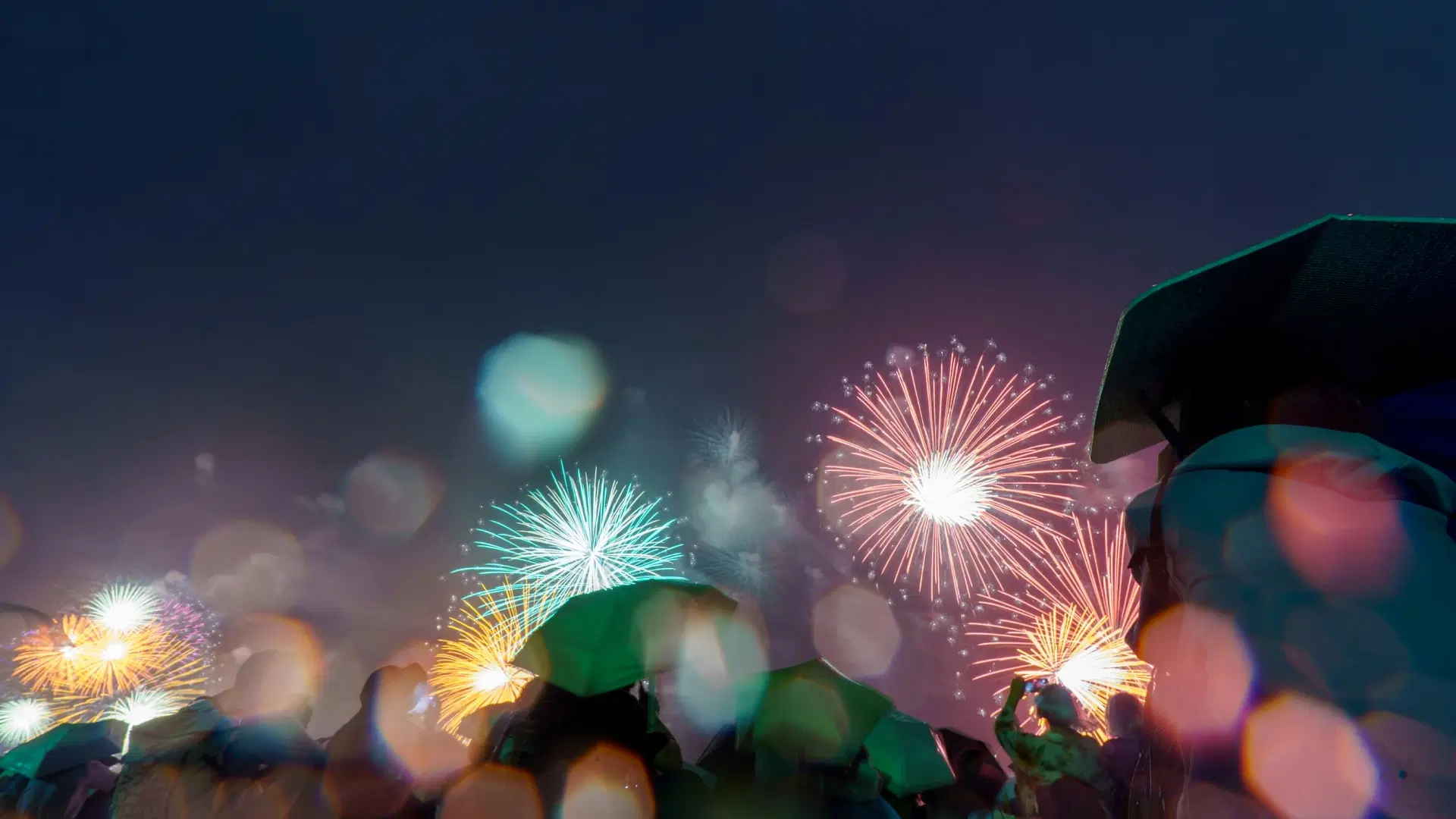
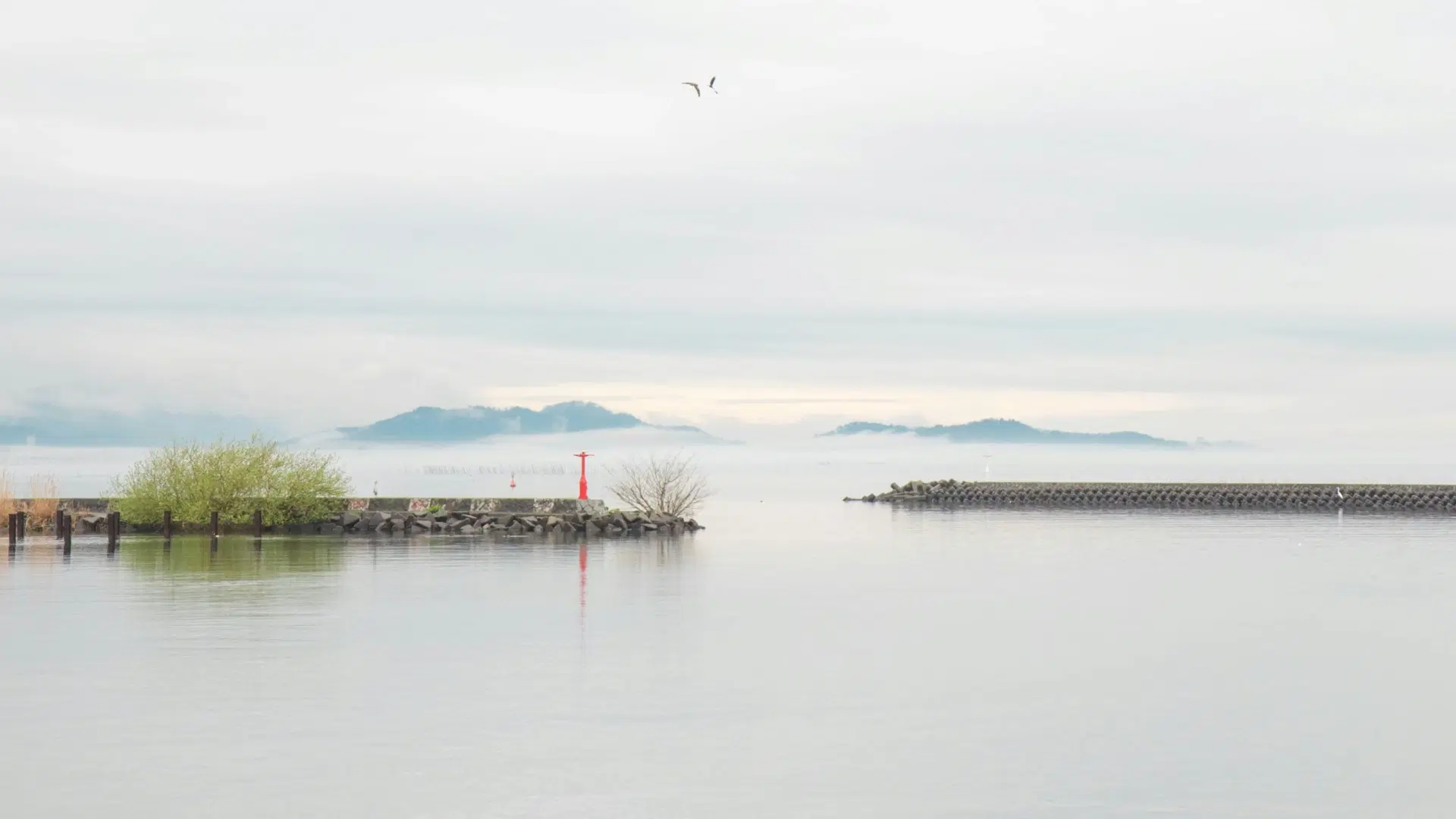
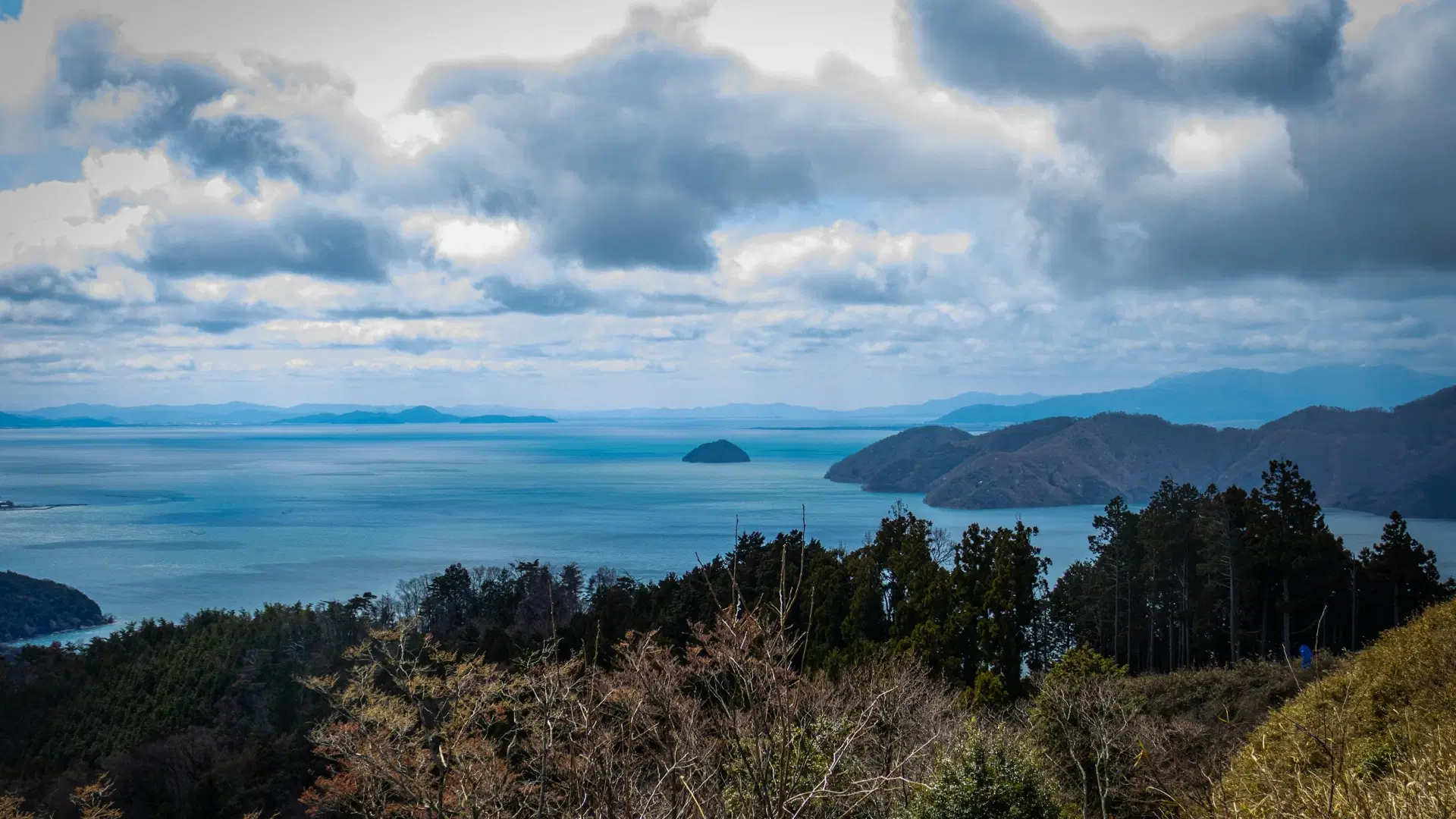
びわ湖花火大会The Biwako Fireworks Festival is one of the largest and most visually stunning pyrotechnic displays in the Kansai region, launching approximately ten thousand fireworks above the surface of Lake Biwa from barges positioned offshore of Otsu. The setting is what elevates this festival beyond the category of mere spectacle: Lake Biwa, the largest lake in Japan, provides a reflecting surface of such breadth that each firework produces not one image but two, the explosion in the sky and its trembling twin on the water, doubling the visual field and creating a symmetry that inland venues cannot achieve. The Hira Mountains on the far shore provide a dark backdrop against which the colors, the chrysanthemum bursts and weeping willows and star mines of the pyrotechnician's vocabulary, achieve their maximum brilliance.
The festival draws more than three hundred thousand spectators to the Otsu lakefront, filling the parks, promenades, and rooftops along the shore with viewers whose collective intake of breath at each major burst creates a human counterpoint to the acoustic percussion of the shells. The atmosphere is communal in the deepest sense, strangers sharing blankets and food, children lifted to parents' shoulders, the conversations between detonations carrying the easy warmth of a summer evening beside the water. This is hanabi culture at its most generous, a gift from the city to its people and its visitors, offered freely to anyone willing to claim a patch of ground and tilt their face toward the sky.
The technical ambition of the display matches its natural setting. The program typically includes both traditional Japanese shells, whose symmetrical chrysanthemum patterns represent centuries of pyrotechnic refinement, and contemporary compositions that use music synchronization, sequential timing, and innovative color chemistry to create narratives of light and sound that unfold across the lakefront. The water-level launches, which send fireworks skimming across the lake's surface before they rise and burst, are a particular specialty, their low trajectories and reflected light creating a sense of intimacy that the high-altitude shells, majestic as they are, cannot replicate.
The Biwako Fireworks Festival is one of the largest and most visually stunning pyrotechnic displays in the Kansai region, launching approximately ten thousand fireworks above the surface of Lake Biwa from barges positioned offshore of Otsu.
History & Significance
The Biwako Fireworks Festival was established in 1984 as a summer celebration for the residents of Otsu and the surrounding Lake Biwa communities, building on a longer tradition of lakefront hanabi that dates to the early postwar period. The festival grew rapidly in scale and reputation during the 1980s and 1990s, as the dramatic visual potential of launching fireworks above a large freshwater lake became apparent and as advances in pyrotechnic technology allowed increasingly ambitious displays. The decision to launch from barges positioned on the lake, rather than from the shore, was the key innovation, creating a viewing geometry in which the fireworks rise from the water and return to it in reflections, placing the spectators at the center of a hemisphere of light.
The festival has become one of the defining cultural events of the Shiga Prefecture summer calendar, a shared experience that brings lakeside communities together and draws visitors from Kyoto, Osaka, and beyond. The organizational logistics of staging such a large event on and beside the water are considerable, involving the coordination of marine safety, crowd management, transportation, and the pyrotechnic teams whose year of preparation culminates in approximately seventy minutes of display. The festival's growth has been managed with attention to the environmental sensitivity of the lake, and the use of biodegradable materials and post-event cleanup operations reflects the community's awareness that the beauty of the festival depends on the health of the water that makes it possible.
What to Expect
Spectators begin arriving at the Otsu lakefront in the early afternoon, claiming positions along the parks, embankments, and promenades that line the shore. The hours before the display are given over to the pleasures of a Japanese summer evening: food stalls selling yakisoba, takoyaki, and shaved ice line the approach streets, yukata-clad families spread picnic blankets on the grass, and the lake, catching the last light of the day, transitions through shades of gold and blue as the sun descends behind the western mountains. The anticipation is palpable, the crowd's energy building with the darkening sky until the first shell rises from the lake and the evening begins.
The display unfolds in choreographed sequences that alternate between intimate groupings and massive coordinated launches. The opening minutes typically feature individual shells of increasing complexity, each one drawing appreciation for its symmetry, color, and the particular quality of its reflection on the lake's surface. As the program advances, the sequences grow in density and ambition, the sky filling with overlapping patterns that create a visual richness bordering on the overwhelming. The music-synchronized passages, in which the rhythm and emotional arc of the soundtrack are matched by the timing and color of the fireworks, represent the contemporary edge of the art form and demonstrate the degree to which pyrotechnics has evolved from simple spectacle into a medium capable of narrative expression.
The finale, a sustained barrage that fills the sky from horizon to horizon and turns the lake's surface into a mirror of continuous light, is the emotional climax of the evening. The sound becomes physical, resonating off the water and the surrounding hills in waves that the viewer feels in the body. The silence that follows, broken after a long moment by applause that ripples across the lakefront like the aftershock of the display itself, marks the end of the evening and the beginning of the slow, contented walk back to the station and the trains that carry the crowd home through the warm summer darkness.