Omi-Hachiman
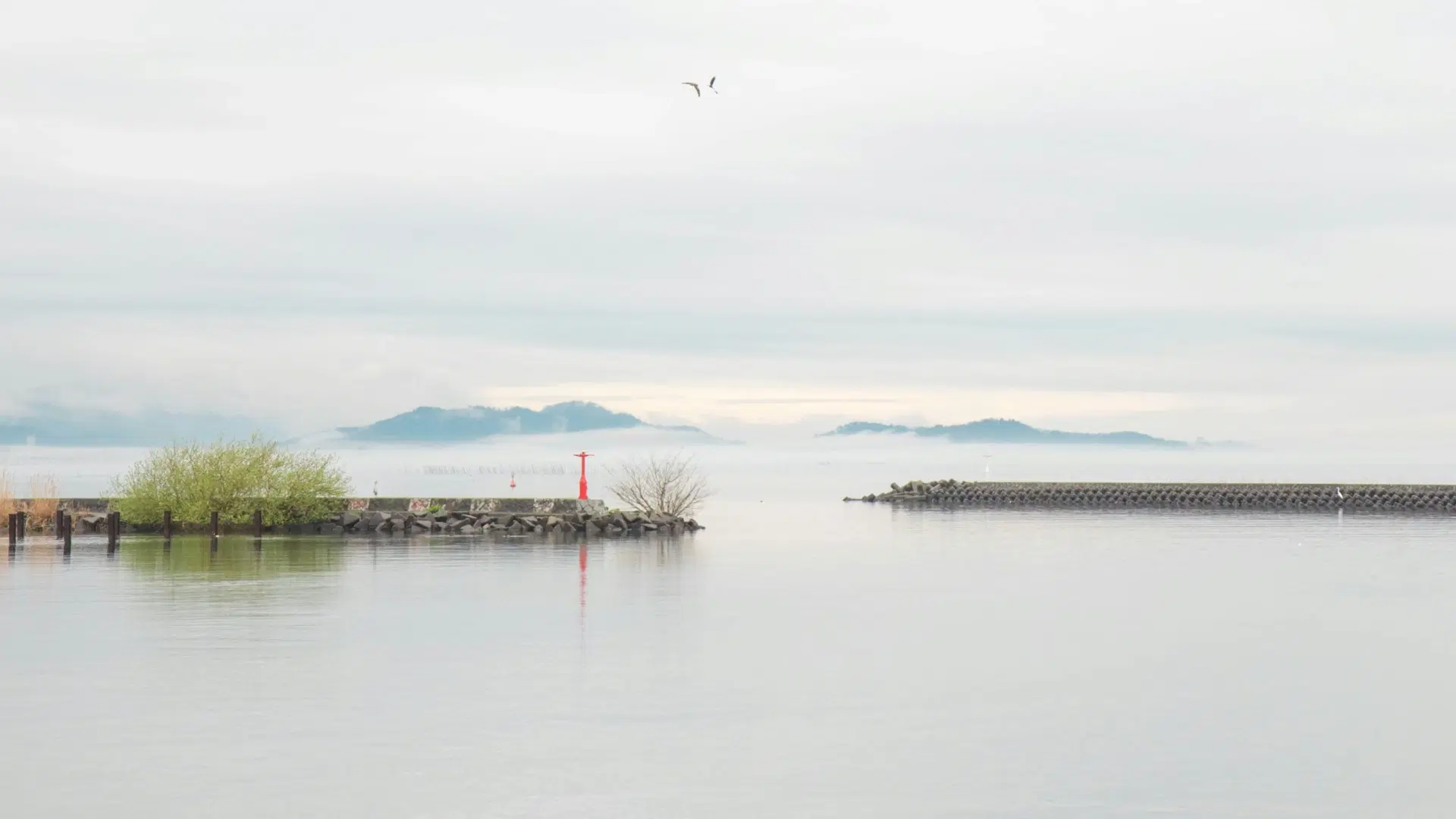
近江八幡Omi-Hachiman is a town where the waters of Lake Biwa flow through the streets as canals, creating a landscape of almost Venetian intimacy in the heart of the Japanese countryside. This former castle town on the eastern shore of the lake was designed by Toyotomi Hidetsugu, Hideyoshi's nephew and adopted heir, who in the 1580s excavated a system of canals connecting the town to the lake, creating a commercial waterway that transformed Omi-Hachiman into one of the most prosperous merchant towns in central Japan. The Hachiman-bori, the main canal, survives today as one of the most beautiful waterscapes in the Kansai region, its stone-lined banks overhung with willows and cherry trees, its still waters reflecting the white-walled storehouses and tiled rooftops of the merchant quarter in compositions that change with every shift of light and season.
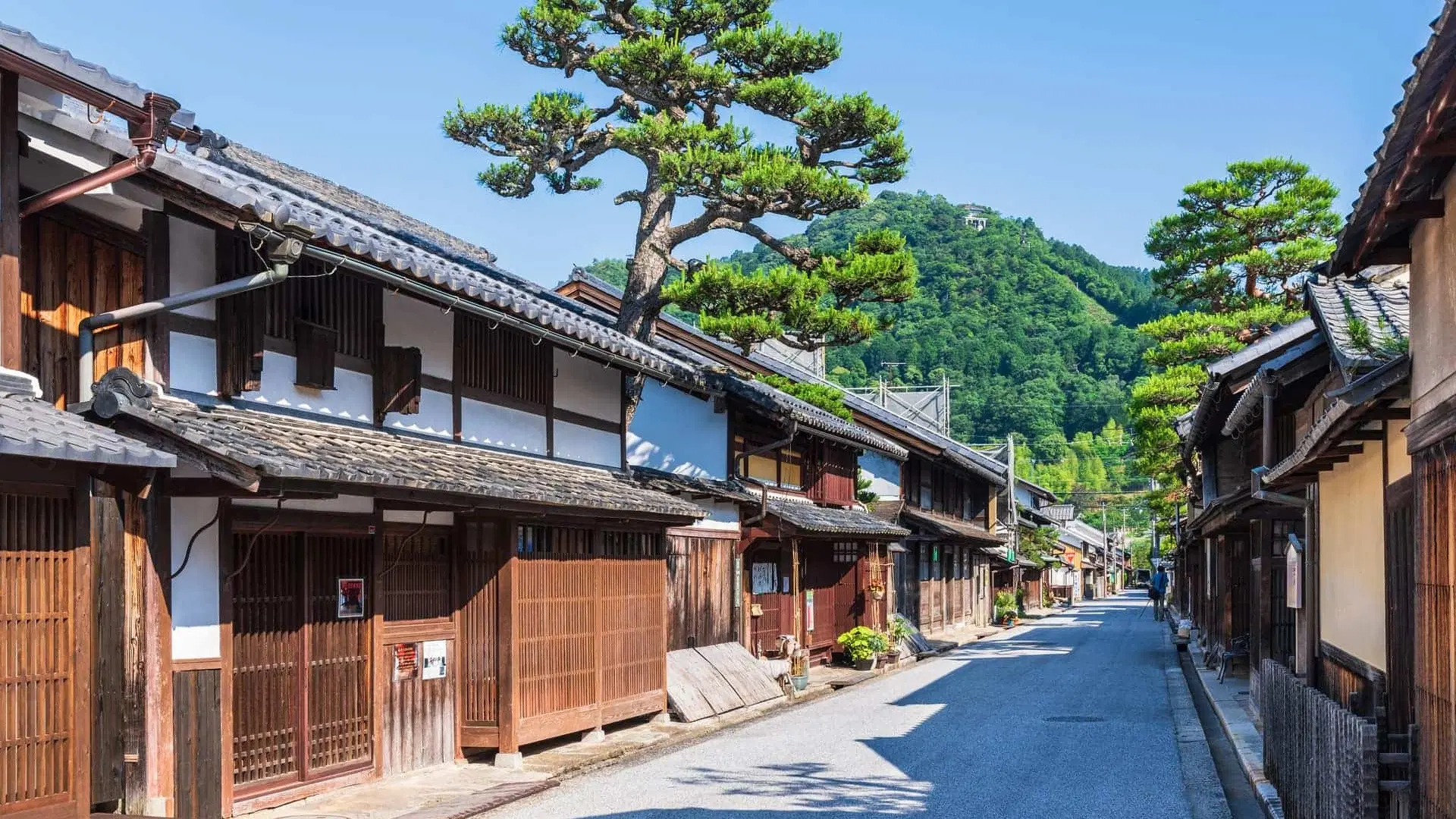
The merchants of Omi-Hachiman, known as Omi Shonin, became legendary for their commercial acumen, their ethical principles, and the geographic reach of their trading networks. Operating under the philosophy of sanpo-yoshi, "good for the seller, good for the buyer, good for society," these merchants established businesses throughout Japan and beyond, carrying goods from the Lake Biwa region to markets in Edo, Osaka, and the northern provinces. Their success funded the construction of the magnificent merchant houses that line the town's historic streets, buildings whose restrained exteriors conceal interiors of remarkable sophistication, their gardens, tea rooms, and storage facilities documenting a commercial culture in which prosperity and aesthetic refinement were understood as complementary rather than contradictory values.
The landscape surrounding Omi-Hachiman includes the reed-filled wetlands of Lake Biwa's eastern shore, designated as a Ramsar Convention site for their ecological significance, and the low, rounded profile of Mount Hachiman, topped by the ruins of the castle from which Hidetsugu governed his domain. The combination of water, architecture, and the green undulation of the surrounding countryside creates a setting of composed, pastoral beauty that recalls the idealized landscapes of screen painting and that rewards the slow, contemplative pace of travel by foot or by boat along the canal.
Omi-Hachiman is a town where the waters of Lake Biwa flow through the streets as canals, creating a landscape of almost Venetian intimacy in the heart of the Japanese countryside.
Highlights
The Hachiman-bori canal is the defining experience of Omi-Hachiman, and the most immersive way to encounter it is from the water. Tour boats, poled by guides who narrate the history and ecology of the waterway, glide through the canal at a pace that allows the banks, the bridges, and the overhanging trees to compose and recompose themselves in an unfolding sequence of views. In spring, the cherry blossoms along the canal create a tunnel of pink reflected in the still water below, producing images of such symmetrical beauty that they seem arranged rather than natural. In autumn, the willows turn gold and the reflections deepen, and in winter, rare snowfalls transform the white storehouses and dark water into a monochrome composition of perfect stillness.
The merchant houses of the Shinmachi-dori district preserve the domestic architecture of the Omi Shonin at its most refined. The former residence of the Nishikawa family, now a museum, opens the private world of a wealthy merchant household to public view, its reception rooms, tea chambers, and carefully maintained gardens revealing the aesthetic sensibilities that governed daily life in a home where commerce and culture were inseparable. The tatami rooms, arranged to capture light and garden views through sliding fusuma and shoji screens, demonstrate the Japanese principle of borrowed landscape, in which the garden becomes an extension of the interior and the seasons enter the house through every opening.
La Collina, the headquarters and experiential campus of the confectionery company Taneya, has become an unexpected architectural destination. Designed by Terunobu Fujimori, the complex features a main building crowned with a living grass roof that merges the structure with the surrounding meadow, creating a form that seems to have grown from the earth rather than been placed upon it. The interiors, combining rough-hewn timber with craft-forward displays of confectionery making, offer a contemporary expression of the Omi region's long tradition of merging artisanal practice with commercial enterprise.
Culinary Scene
Omi-Hachiman's culinary landscape is shaped by the twin influences of the lake and the merchant tradition, producing a table that is both locally grounded and cosmopolitan in its range. Omi beef, the wagyu that the region's merchants helped to distribute across Japan, reaches some of its finest expressions in the restaurants of this town, where the proximity to the farms and the depth of the local relationship with the product ensure a quality of sourcing that larger cities cannot always match. The sukiyaki tradition is particularly strong here, the thin slices of beef swirled through sweet soy broth in the nabemono pot and eaten with beaten egg, a preparation that allows the marbling and sweetness of Omi beef to express themselves with minimal interference.
The freshwater products of Lake Biwa appear throughout the local menu in preparations that reflect centuries of refinement. Funa, the crucian carp of the lake, is served not only as funazushi but also grilled, simmered, and as the base for a clear soup of surprising delicacy. The tsukudani tradition, in which small lake fish, river shrimp, and freshwater clams are simmered slowly in soy, mirin, and sugar until they achieve a concentrated, jewel-like intensity of flavor, produces the small dishes that accompany rice at every meal and that carry the particular umami of Lake Biwa's waters in every bite.
Taneya and its subsidiary Club Harie have elevated the confectionery tradition of Omi-Hachiman to national prominence, producing baumkuchen, mochi, and seasonal sweets that draw visitors from across Japan. The baumkuchen, baked in layers on a rotating spit until it achieves a golden exterior and a moist, ring-marked interior, has become synonymous with the town, and eating a fresh-baked slice at La Collina, still warm from the oven and served with the view of the green-roofed building and the surrounding farmland, is one of the more satisfying sweet experiences in the Kansai region.