Sanno Festival
山王祭The Sanno Festival at Hiyoshi Taisha shrine in Otsu is one of the oldest and most dramatic Shinto festivals in the Kansai region, a series of rituals spanning more than a month that culminates in a torchlit procession of mikoshi through the darkened streets and across the waters of a rushing river. The festival is the spring celebration of Hiyoshi Taisha, the head shrine of the Hie Shinto network that encompasses more than three thousand shrines across Japan, and its rituals embody the Shinto understanding of seasonal renewal with a visceral power that transcends the merely ceremonial. Fire, water, darkness, and the physical exertion of carrying massive portable shrines through difficult terrain combine to produce an experience that belongs more to the category of ordeal than entertainment.
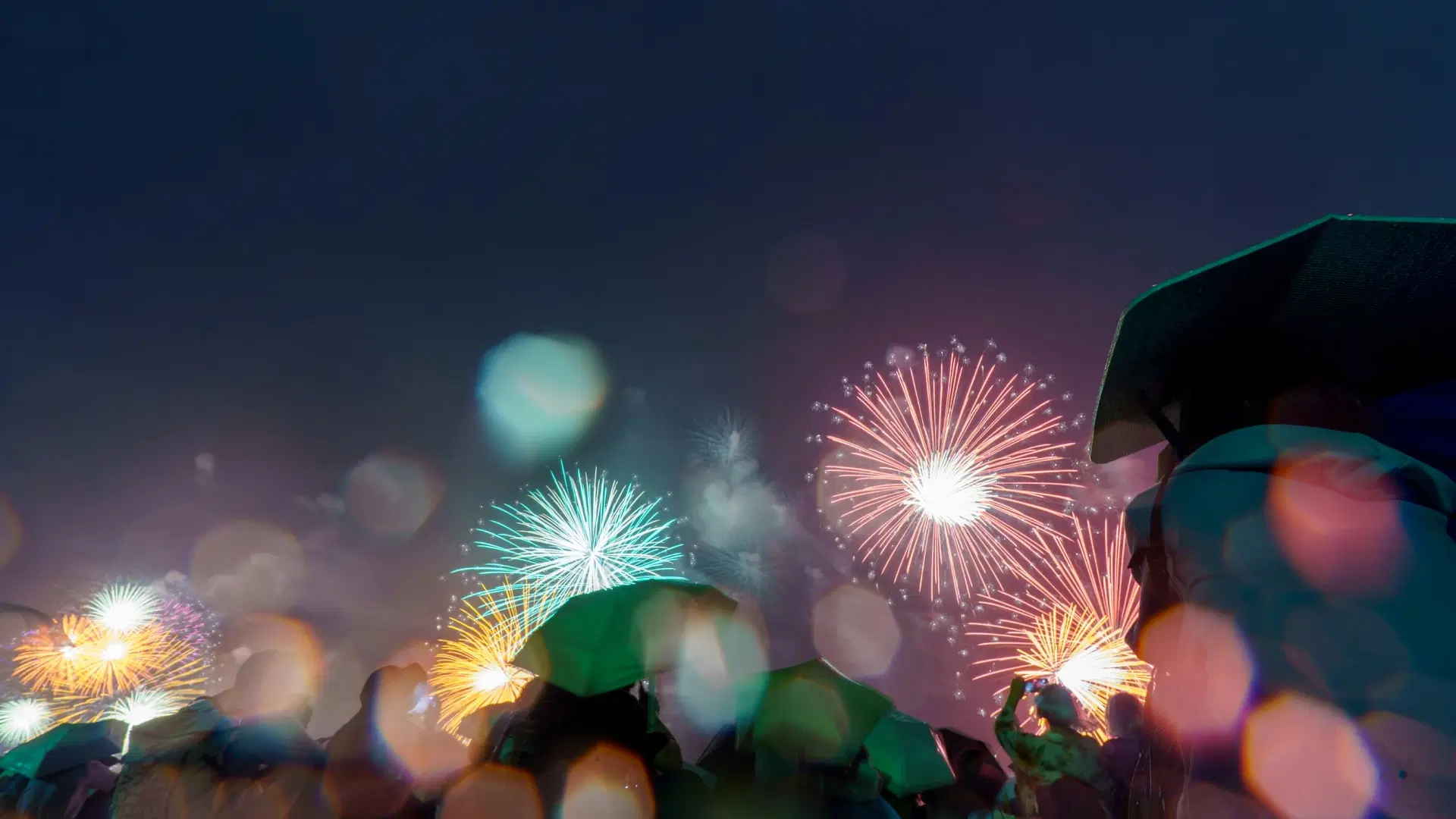
The festival's climax, the Yomiya-otoshi on the evening of April 12, is one of the most visually extraordinary scenes in Japanese religious life. Seven mikoshi, each weighing between one and two tons, are carried down a steep stone staircase in near-total darkness, their bearers illuminated only by the flames of enormous torches, and then plunged into the Oo River at the base of the shrine, the bearers wading into the cold spring water with the mikoshi on their shoulders as the crowd roars and the torches hiss and spark above the current. The combination of weight, water, fire, and darkness creates a scene of almost primordial intensity that connects the contemporary participant to the elemental religious experiences that Shinto has preserved across millennia.
The extended duration of the festival, from the preparatory rites in early March through the final ceremonies in mid-April, reflects the complexity of the Hiyoshi Taisha ritual calendar and the depth of the community's engagement with the shrine. The festival is not a single event but a season, a period during which the boundary between sacred and ordinary time becomes permeable and the rhythms of the shrine come to govern the rhythms of the town.
The Sanno Festival at Hiyoshi Taisha shrine in Otsu is one of the oldest and most dramatic Shinto festivals in the Kansai region, a series of rituals spanning more than a month that culminates in a torchlit procession of mikoshi through the darkened streets and across the waters of a rushing river.
History & Significance
Hiyoshi Taisha's history extends to the founding myths of the Japanese state, with the shrine's traditions dating its origins to the reign of Emperor Sujin in the third century BCE. The Sanno Festival itself is documented from at least the Heian period, when the shrine's proximity to Mount Hiei and the powerful Enryaku-ji monastery complex made it one of the most politically and spiritually significant religious sites in the capital region. The term "Sanno," meaning "mountain king," reflects the shrine's association with the mountain and with the syncretic Sanno Shinto tradition that merged indigenous Shinto worship with the Tendai Buddhism practiced at Enryaku-ji.
The festival's dramatic character, particularly the torchlit river crossing, evolved during the medieval period when the warrior monks of Mount Hiei wielded enormous political power and the shrine's festivals served as demonstrations of both spiritual authority and physical strength. The mikoshi, carried by teams of bearers through terrain that deliberately tests their endurance and courage, embody the martial spirit that characterized the relationship between the mountain monastery and the shrine below. The tradition has survived the destruction of Enryaku-ji by Oda Nobunaga in 1571, the upheavals of the Meiji Restoration, and the transformations of the modern era, its continuity sustained by the communities around the shrine who understand the festival not as performance but as obligation.
What to Expect
The festival's extended calendar offers multiple points of entry, but the events of April 12 and 13 are the most dramatic and draw the largest crowds. The Yomiya-otoshi on the evening of April 12 begins after dark, when the seven mikoshi are assembled at the top of the shrine's main staircase and the great torches are lit. The descent of the mikoshi down the steep stone steps, each carried by a team of bearers who must coordinate their movements in near-darkness while supporting a load that threatens to overwhelm them at every step, produces a tension that the watching crowd experiences physically, the collective held breath releasing in shouts of encouragement and relief as each mikoshi reaches the bottom and is carried toward the river.
The river crossing is the festival's emotional peak. The bearers wade into the Oo River, the cold water rising to their waists, the mikoshi lurching and swaying above them, the torches throwing wild light across the water and the faces of the crowd pressed along both banks. The sound is enormous: the roaring of the bearers, the crashing of water, the crackle of the torches, the shouts of the spectators merging into a single sustained note of communal exertion and exaltation. The mikoshi are carried to the opposite bank, deposited at temporary resting places, and the bearers emerge from the water in a state of exhausted triumph that is visible in their faces and their bearing.
The following day, April 13, brings the Honmatsuri, the main festival, in which the mikoshi are carried in procession through the town and returned to the shrine in a daytime celebration that is lighter in mood but no less significant in ritual weight. The procession, accompanied by music and the cheering of spectators who line the streets, provides the festive counterpart to the previous night's intensity, and the combination of the two events, darkness and light, ordeal and celebration, danger and relief, captures the full emotional range of Shinto festival experience.