Otsu
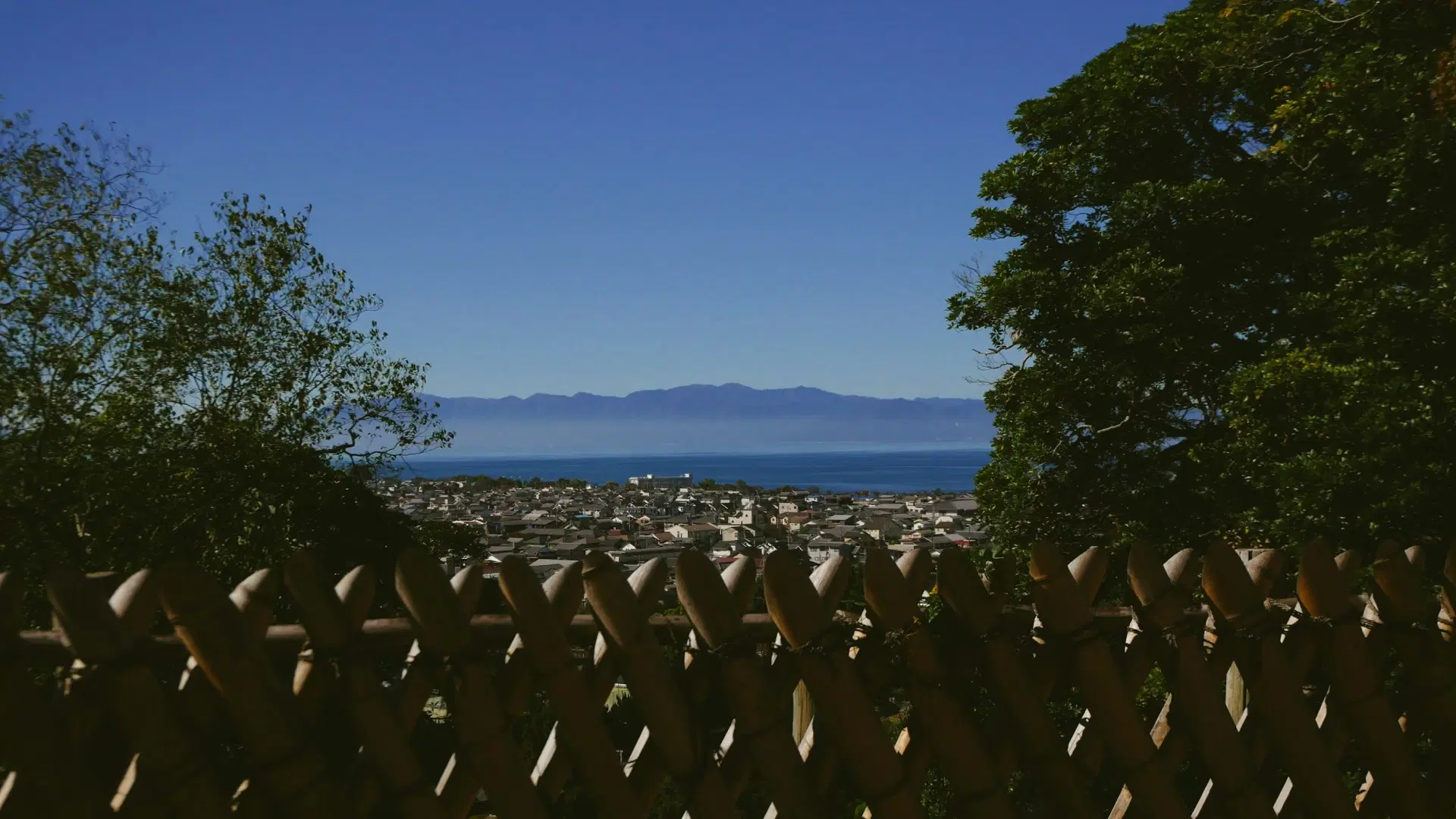
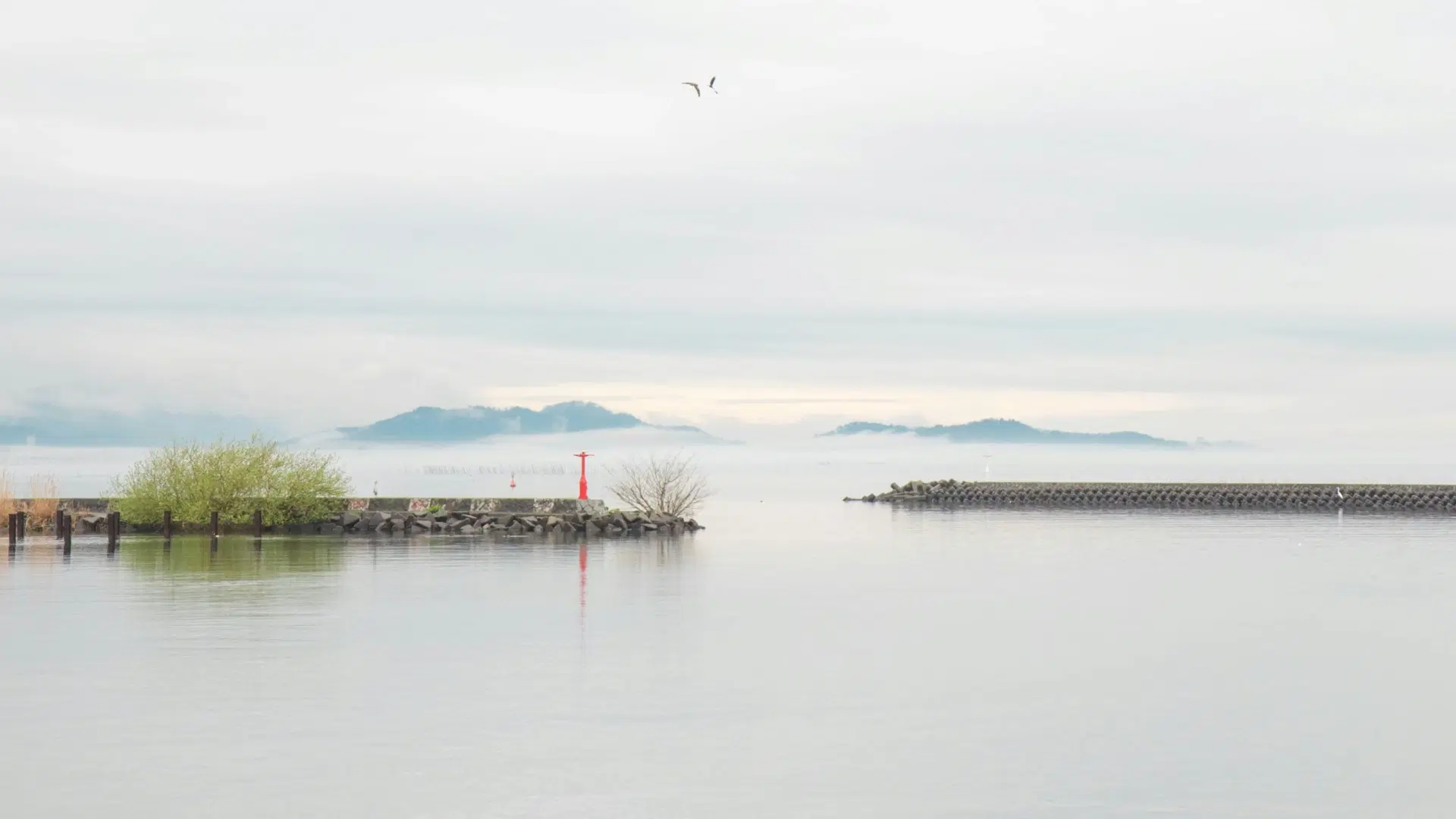
大津Otsu is a city that lives in the presence of water. Situated on the southwestern shore of Lake Biwa, the largest freshwater lake in Japan, this prefectural capital has been shaped across centuries by its position at the intersection of the lake, the mountains, and the ancient roads connecting Kyoto to the eastern provinces. The city spreads along the lakeshore beneath the forested slopes of Mount Hiei, whose summit monastery, Enryaku-ji, has exerted spiritual and political influence over the region for more than twelve hundred years. The relationship between Otsu and Biwa-ko is not merely geographic but existential: the lake determines the city's light, its weather, its cuisine, and its rhythms, the water changing color with the seasons from winter grey to spring silver to the deep blue of summer afternoons when the Hira Mountains on the opposite shore seem to float above the surface.
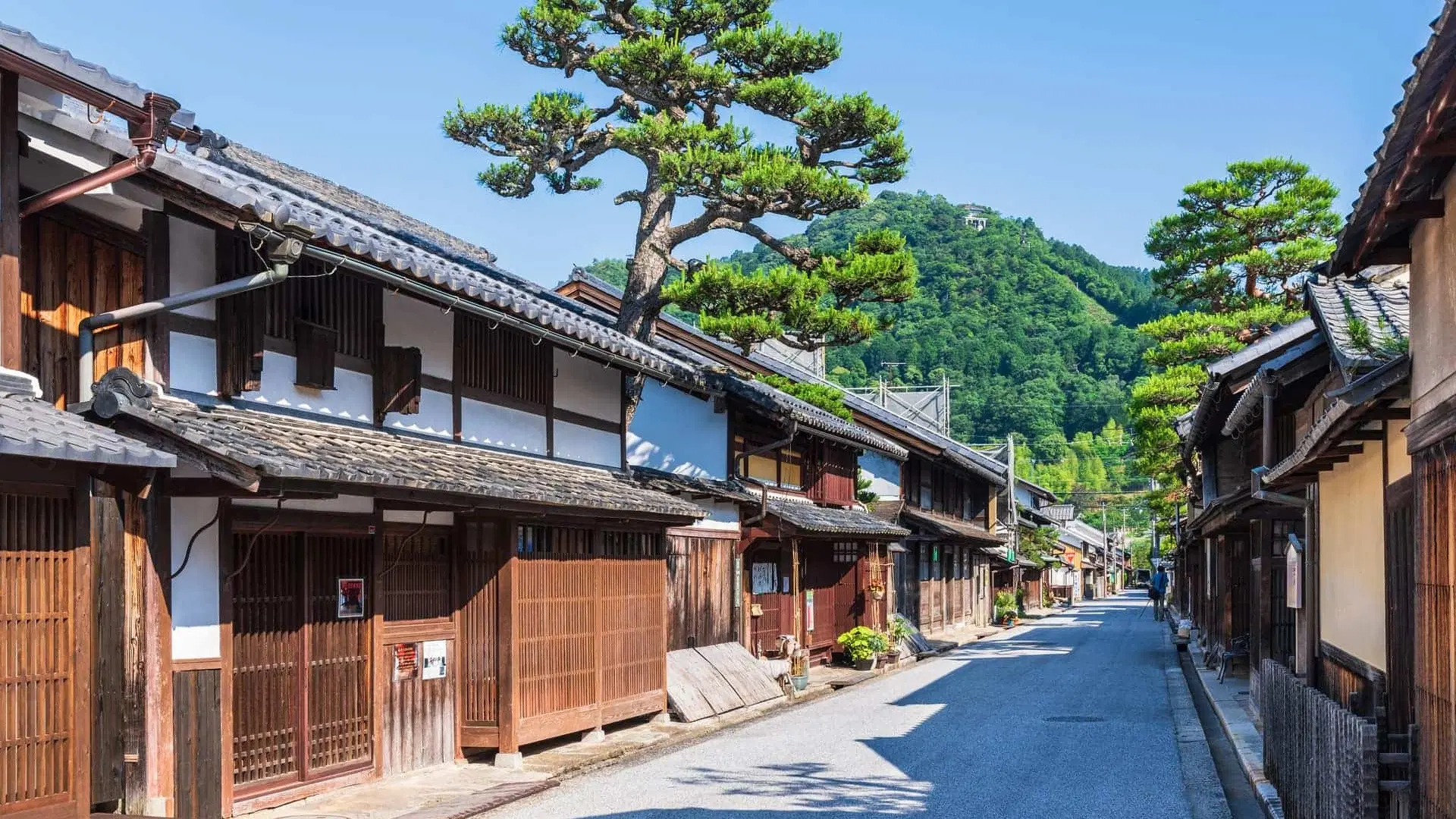
The city's historical significance is immense but understated. Otsu served briefly as the imperial capital in the seventh century under Emperor Tenchi, and its position on the Tokaido road made it the last post station before Kyoto, the place where travelers from the east caught their first glimpse of Lake Biwa and understood that the ancient capital lay just beyond the mountains. This role as threshold, the place between the eastern plains and the western heartland, gave Otsu a cosmopolitan character that persists in the diversity of its temples, the sophistication of its cuisine, and the ease with which it accommodates both the urban energy of Kyoto, just ten minutes away by train, and the contemplative stillness of the lake.
Miidera, one of the great temple complexes of the Tendai Buddhist tradition, commands a hillside above the southern end of the lake with a collection of buildings, gardens, and art treasures that would justify a full day of exploration. The temple's bell, celebrated in poetry and legend, has been ringing across the waters of Lake Biwa for a thousand years, and its sound, carrying over the water in the evening air, connects the contemporary visitor to the literary and spiritual history of a landscape that has inspired Japanese artists since the beginning of recorded culture.
Otsu is a city that lives in the presence of water.
Highlights
Miidera, formally known as Onjo-ji, is one of the head temples of the Tendai Buddhist sect and one of the most architecturally and artistically significant religious complexes in the Kansai region. The temple compound sprawls across a wooded hillside, its halls, pagodas, and sub-temples connected by paths that wind through groves of cherry and maple whose seasonal transformations provide a natural calendar for the visit. The Kondo, or main hall, a National Treasure rebuilt in the Momoyama period, houses Buddhist sculpture of extraordinary quality, and the bell tower, home to the bell whose sound has been celebrated since the Heian period as one of the Eight Views of Omi, provides views across the lake that compress a thousand years of aesthetic appreciation into a single panorama.
The lakefront promenade at Otsu offers one of the most accessible encounters with Lake Biwa's scale and beauty. Walking south from the Biwako Hotel area toward the Michigan paddleboat pier, the visitor passes through a landscape that transitions from urban park to waterside terrace, the lake always present, its surface reflecting the sky in an ever-changing dialogue of light and weather. The Omi Jingu shrine, set in a forested park at the northern end of the lakefront, is dedicated to Emperor Tenchi and houses the competitive karuta hall where the national poetry card championship is held each January, connecting the shrine to a living literary tradition.
Mount Hiei, accessible by cable car from the Otsu side or by bus from Kyoto, rises above the city to a summit complex of temples, gardens, and forest paths that constitute one of the most important religious sites in Japanese Buddhism. Enryaku-ji, founded in 788 by Saicho, the monk who brought Tendai Buddhism to Japan, was for centuries the most powerful religious institution in the country, its warrior monks and political influence shaping the course of Japanese history. Today the mountaintop is a place of profound quiet, the ancient cedars and mist-shrouded halls creating an atmosphere of withdrawal from the world that the monks who first climbed this mountain were seeking.
Culinary Scene
Otsu's cuisine is the cuisine of Lake Biwa, a body of water that supports a unique ecosystem of endemic fish species found nowhere else on earth. Funazushi, the ancient fermented sushi made from nigorobuna, a crucian carp native to the lake, is the most important and most challenging of these lacustrine delicacies. The fish is packed in salt for months, then layered with cooked rice and left to ferment for up to three years, producing a food of extraordinary complexity: pungent, deeply savory, with an acidity that recalls fine cheese rather than anything typically associated with fish. Funazushi is the oldest form of sushi in Japan, predating by centuries the fresh-fish preparations that the word now usually implies, and tasting it in Otsu, beside the lake where the fish was caught, is to encounter a flavor that connects the present moment to the deepest roots of Japanese food culture.
Biwa-masu, the freshwater trout endemic to Lake Biwa, is another jewel of the local table. Served as sashimi with a clarity of flavor that reflects the cold, clean waters of the lake, or grilled with salt to concentrate its delicate sweetness, Biwa-masu demonstrates that freshwater fish, when of this quality and this freshness, can achieve a refinement that rivals any ocean catch. The eel restaurants of the lakefront, drawing on the rich eel populations that the lake has supported for centuries, prepare unagi in the Kanto style, steamed before grilling to achieve the meltingly tender texture that is the hallmark of the region's preparation.