Nagahama
長浜Nagahama is a city whose history is written in glass, silk, and festival spectacle, a former castle town on the northeastern shore of Lake Biwa that has transformed its heritage into a contemporary cultural identity of surprising richness. Founded as a castle town by Toyotomi Hideyoshi in the late sixteenth century, during the years when the future unifier of Japan was still a young lord building his power base in the provinces, Nagahama was the first castle that Hideyoshi built with his own authority, and the town that grew around it carries the particular energy of a place associated with ambition, ingenuity, and the beginning of great things.
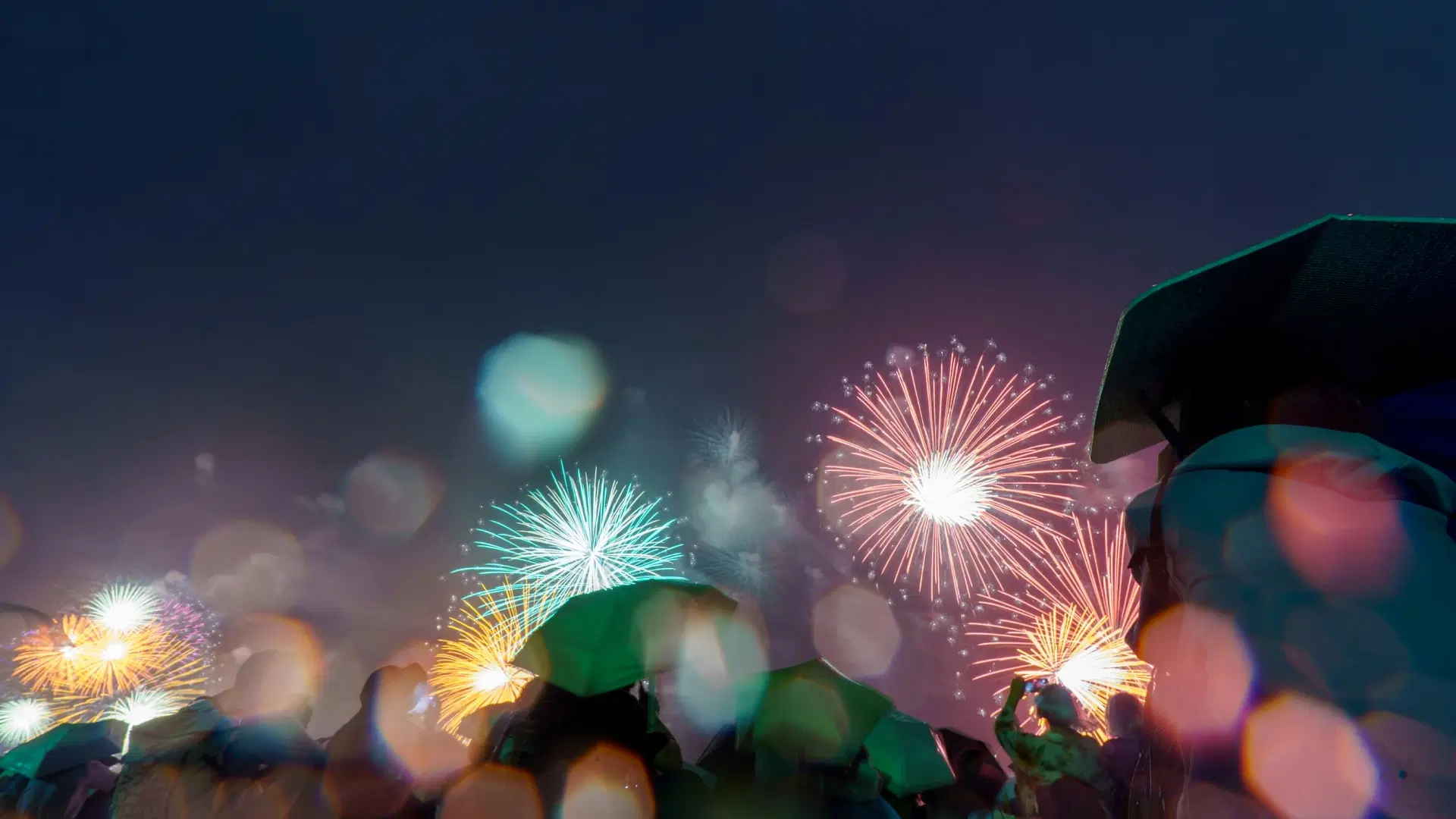
The town's most distinctive cultural expression is the Nagahama Hikiyama Festival, one of the most remarkable matsuri in Japan, in which children perform kabuki on elaborately decorated floats drawn through the streets of the old town. This tradition, dating to the late sixteenth century and designated a UNESCO Intangible Cultural Heritage, combines the pageantry of float procession with the artistic achievement of full kabuki performance, the child actors trained for months in the demanding disciplines of voice, gesture, and movement that professional kabuki requires. The festival is the cultural heart of Nagahama, the event around which the town's identity crystallizes and through which each generation is initiated into the artistic traditions that define the community.
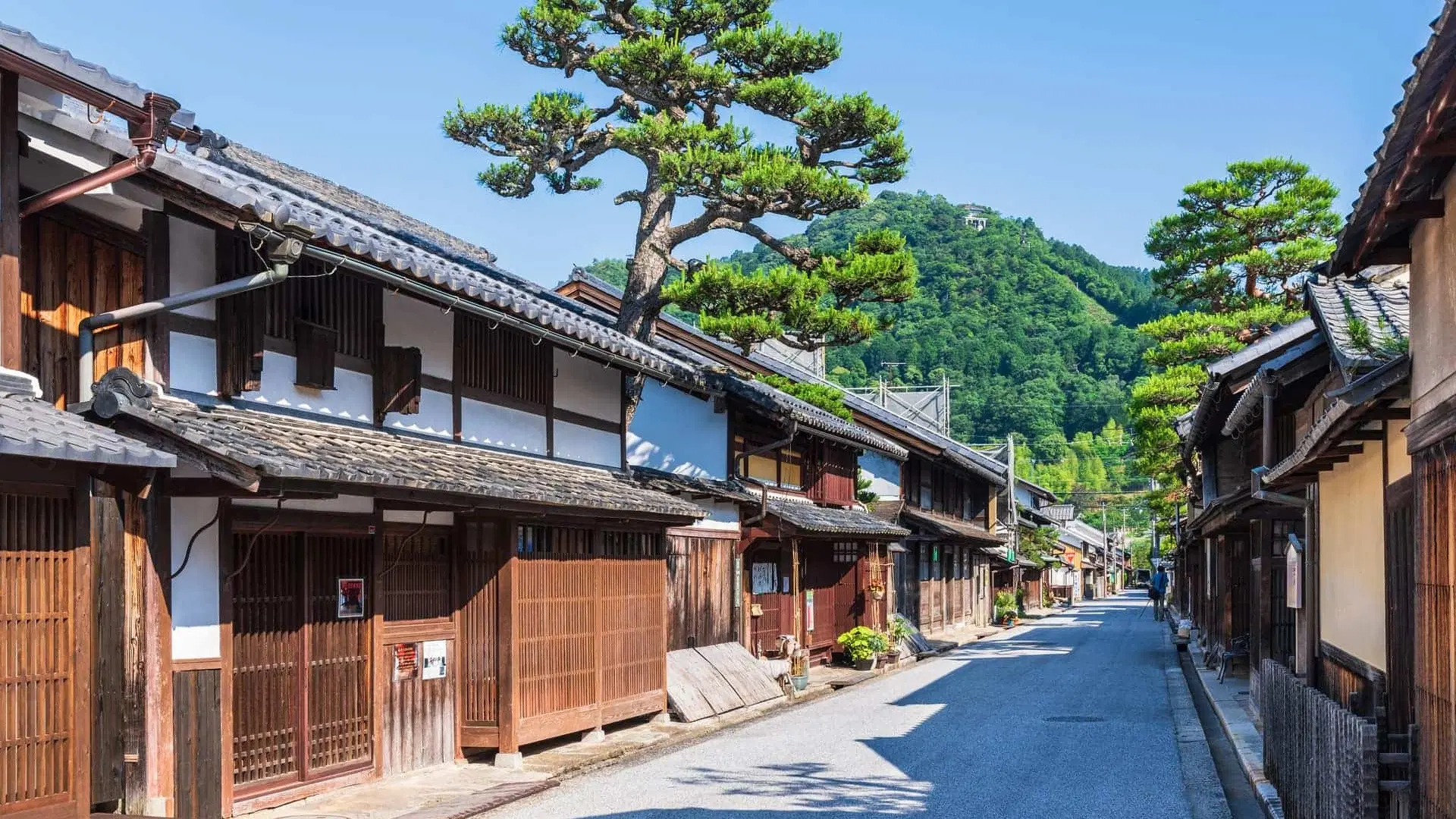
The Kurokabe Square district, a collection of restored Meiji and Taisho-era buildings in the old merchant quarter, has become one of the most successful examples of heritage-based urban renewal in Japan. The anchor of the district is the Kurokabe Glass Museum and the surrounding glass workshops and galleries, which have established Nagahama as a center of glass artistry that draws on both European traditions, imported through the port connections of the Meiji era, and Japanese aesthetic sensibilities. The combination of glass art, traditional architecture, and the culinary and craft offerings that fill the surrounding streets creates a destination that feels both historically grounded and creatively alive.
Nagahama is a city whose history is written in glass, silk, and festival spectacle, a former castle town on the northeastern shore of Lake Biwa that has transformed its heritage into a contemporary cultural identity of surprising richness.
Highlights
The Kurokabe Square district is the essential Nagahama experience, a concentration of restored buildings, glass galleries, and artisan workshops that demonstrates how historical preservation and creative vitality can reinforce rather than contradict each other. The Kurokabe Glass Studio, housed in a former bank building of striking Meiji-era architecture, offers both exhibitions of contemporary glass art and hands-on workshops where visitors can try their hand at glassblowing, stained glass, and other techniques under the guidance of resident artisans. The surrounding streets are lined with shops selling handmade glass in forms ranging from delicate ornamental pieces to functional tableware, and the overall effect is of a creative district that takes its inspiration from the past without being constrained by it.
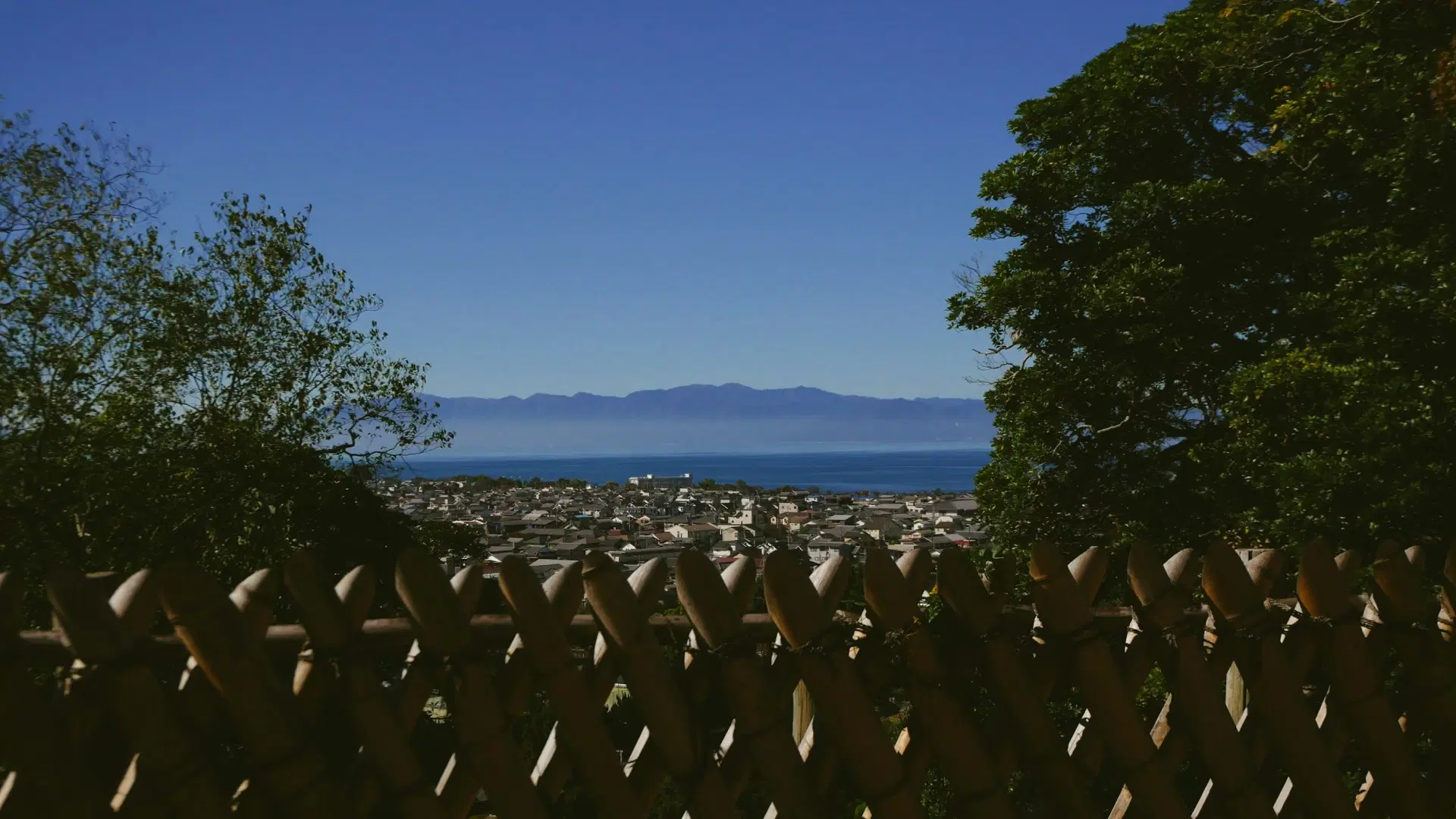
Nagahama Castle, reconstructed in concrete on its original hilltop site above the lake, houses a history museum whose collections trace the city's development from Hideyoshi's frontier fortress to the prosperous merchant town of the Edo period. The castle's significance lies less in the structure itself than in what it represents: the beginning of the career of one of the most consequential figures in Japanese history, launched from this lakeside hill. The views from the castle grounds across Lake Biwa to the mountains of the western shore place Nagahama in its geographic context and explain why Hideyoshi chose this site: command of the lake's northeastern quadrant and control of the roads connecting the capital to the north.
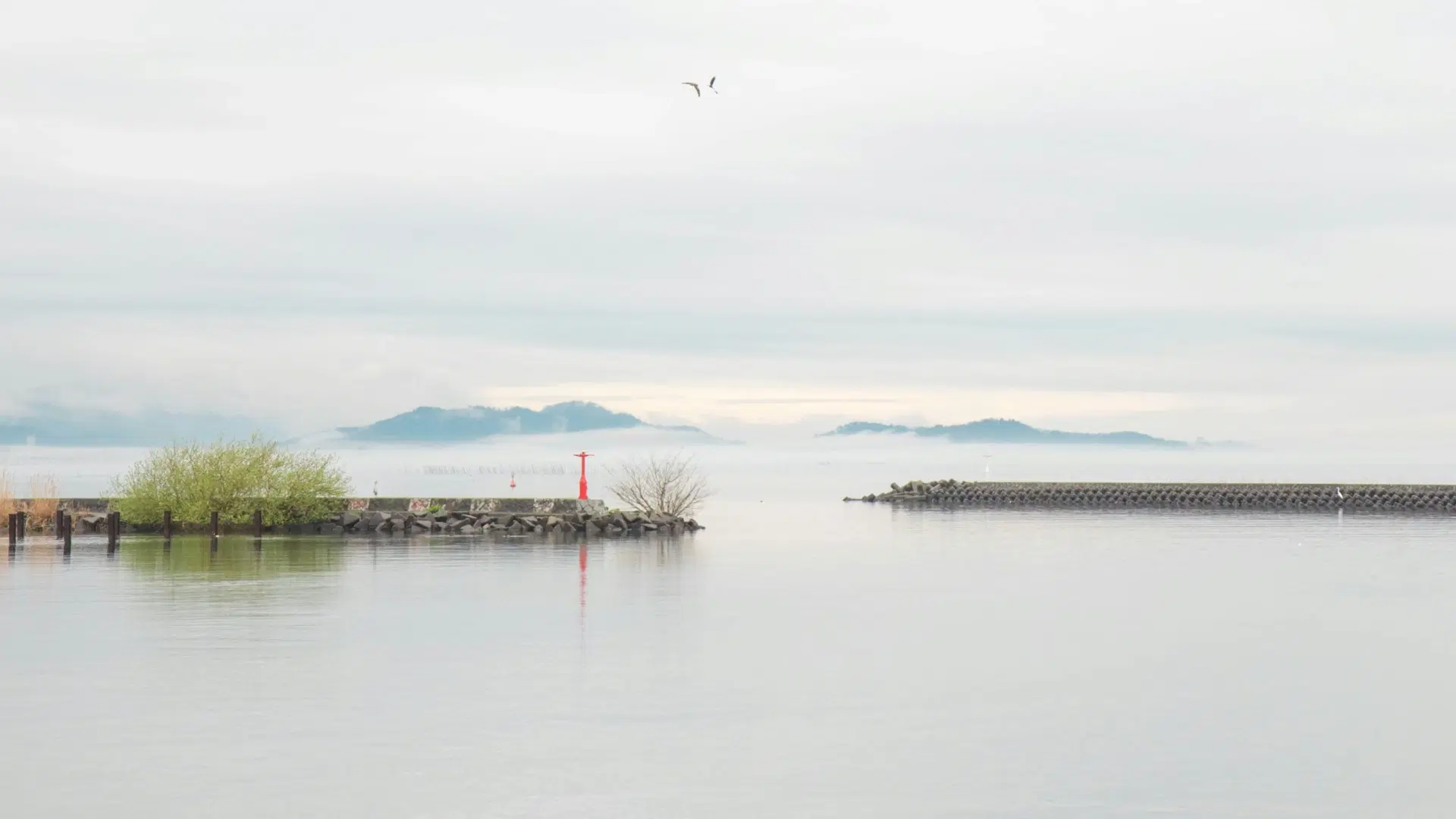
Chikubu Island, accessible by ferry from Nagahama port, rises from the waters of northern Lake Biwa like a green jewel set in blue. The island, sacred in both Buddhist and Shinto traditions, houses the Hogonji temple and the Tsukubusuma shrine, whose buildings cling to the steep, forested hillside above a small harbor. The temple's Kannon-do, said to have been built with timbers from Hideyoshi's great pleasure boat, contains artwork and architectural details that reward close examination, and the island's small scale, walkable in under an hour, concentrates the spiritual atmosphere to an intensity that larger pilgrimage sites diffuse.
Culinary Scene
Nagahama's culinary identity is anchored by two traditions that reflect its position between lake and mountain. The city's yaki-saba somen, grilled mackerel served atop thin somen noodles in a sweet soy broth, is a preparation unique to this corner of Shiga, born of the historical trade routes that brought saba from the Sea of Japan coast over the mountains to the Lake Biwa plain. The mackerel, grilled whole until its skin crisps and its flesh becomes tender and deeply flavored, is placed atop the noodles and allowed to release its oils into the broth, creating a dish of layered richness that speaks simultaneously of the sea and the inland towns through which the fish traveled.
Omi beef appears throughout the Nagahama dining landscape in preparations that range from the formal elegance of kaiseki courses to the convivial warmth of yakiniku restaurants where the meat is grilled at the table over charcoal. The Nagahama area's contribution to Omi beef culture includes several historic farms whose lineages of cattle raising extend back generations, and the local restaurants' relationships with these producers ensure a freshness and traceability that adds intellectual pleasure to the sensory experience of the meat itself.
The wagashi and confectionery traditions of Nagahama, shaped by the refined tastes of the merchant class that prospered under the protection of the castle, include several sweets of notable quality. The seasonal mochi preparations that mark the festival calendar, the bean paste confections shaped to represent lake fish and autumn leaves, and the simple, excellent rice crackers sold from shops that have occupied the same storefronts for generations together constitute a sweet tradition that complements the savory richness of the local table.