Nara
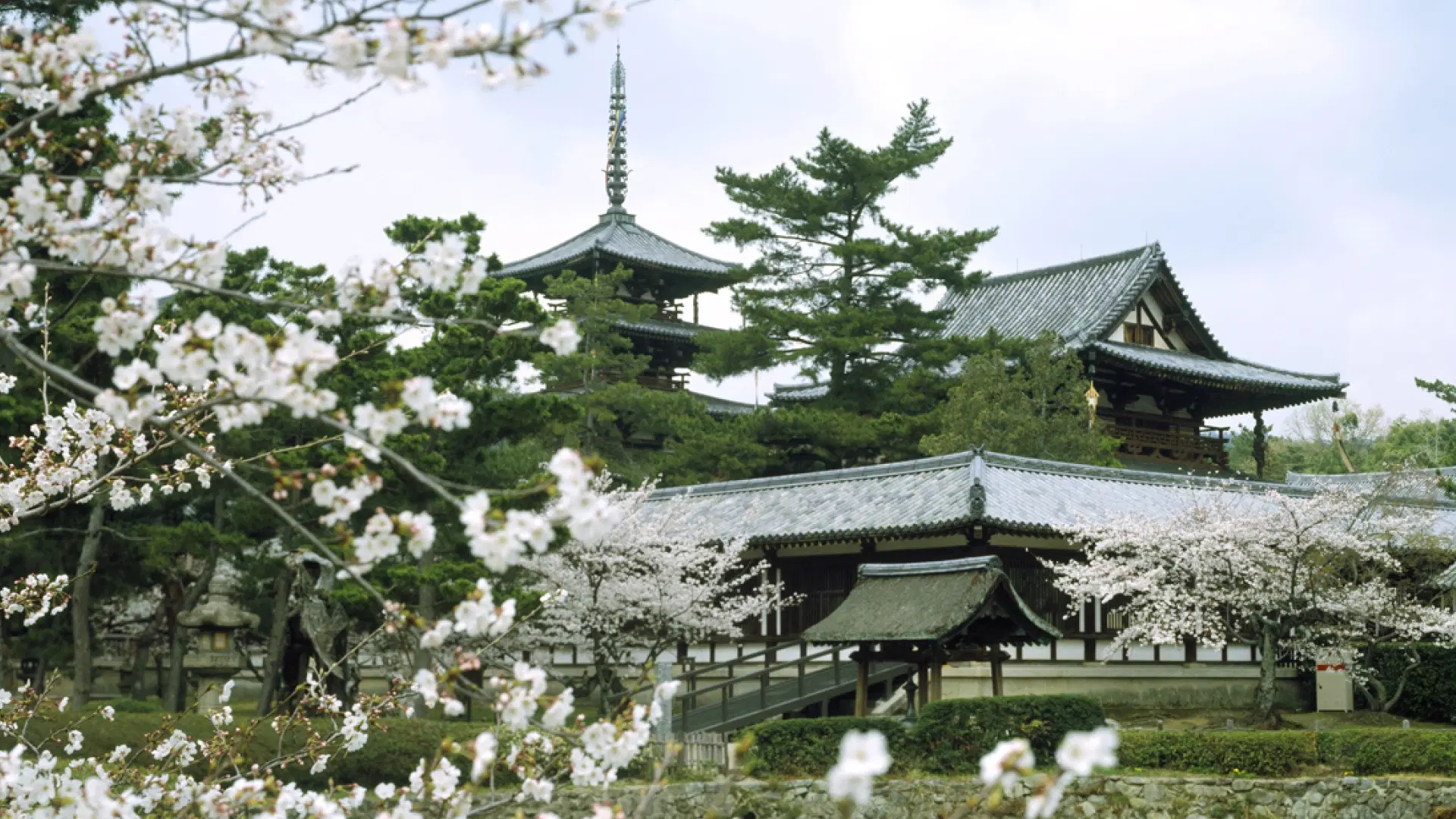
奈良県Before Kyoto, there was Nara. As Japan's first permanent capital, established in 710 as Heijo-kyo, this compact city cradled the earliest flowering of Japanese civilization, absorbing the influences of Tang Dynasty China, Korean craftsmanship, and Indian Buddhism and transmuting them into something distinctly Japanese. The great temples built during this brief but transformative era still stand: Todai-ji, housing the colossal bronze Daibutsu; Kofuku-ji, with its five-story pagoda reflected in Sarusawa Pond; and Horyu-ji in nearby Ikaruga, the oldest surviving wooden structures on earth.
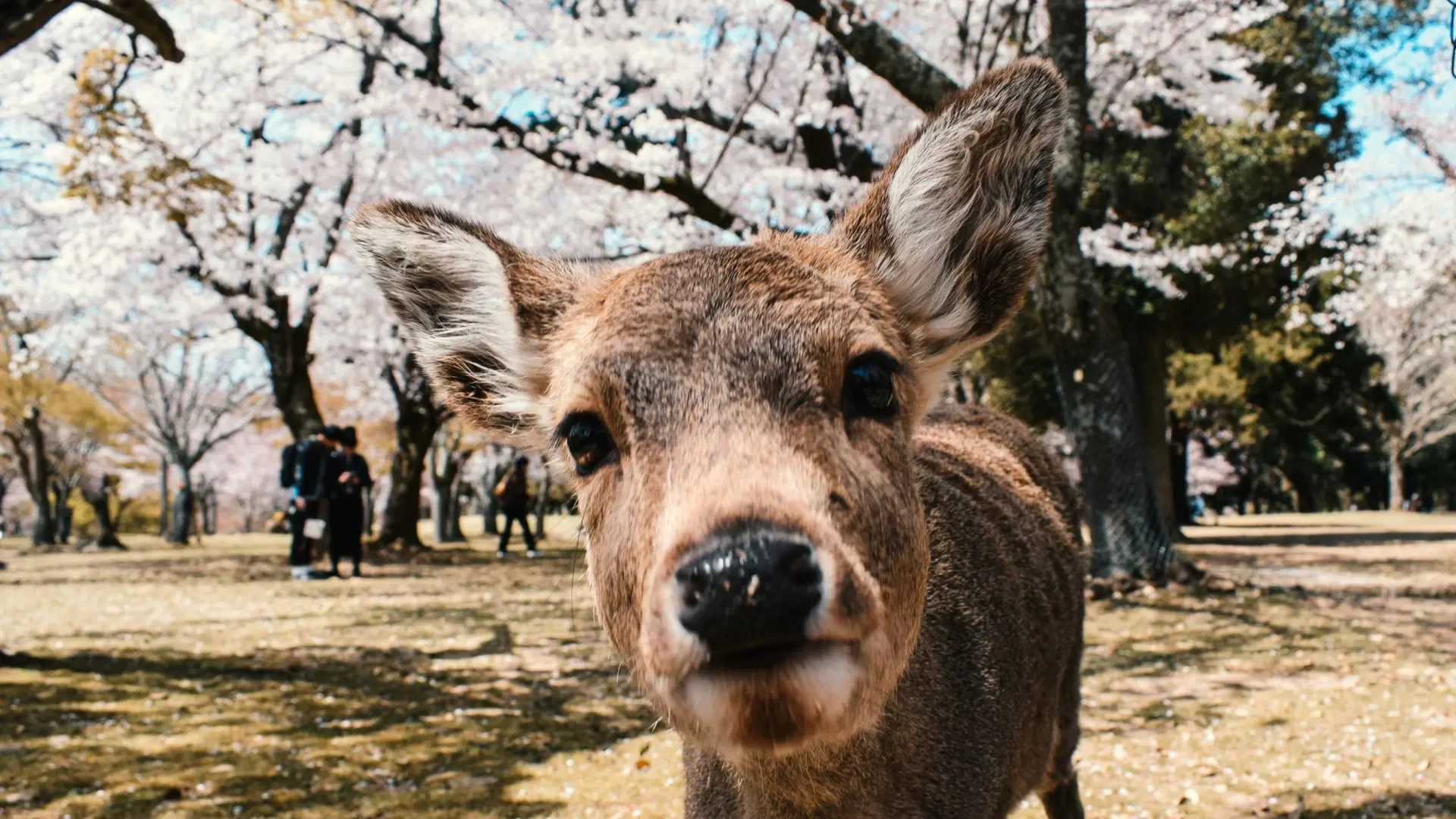
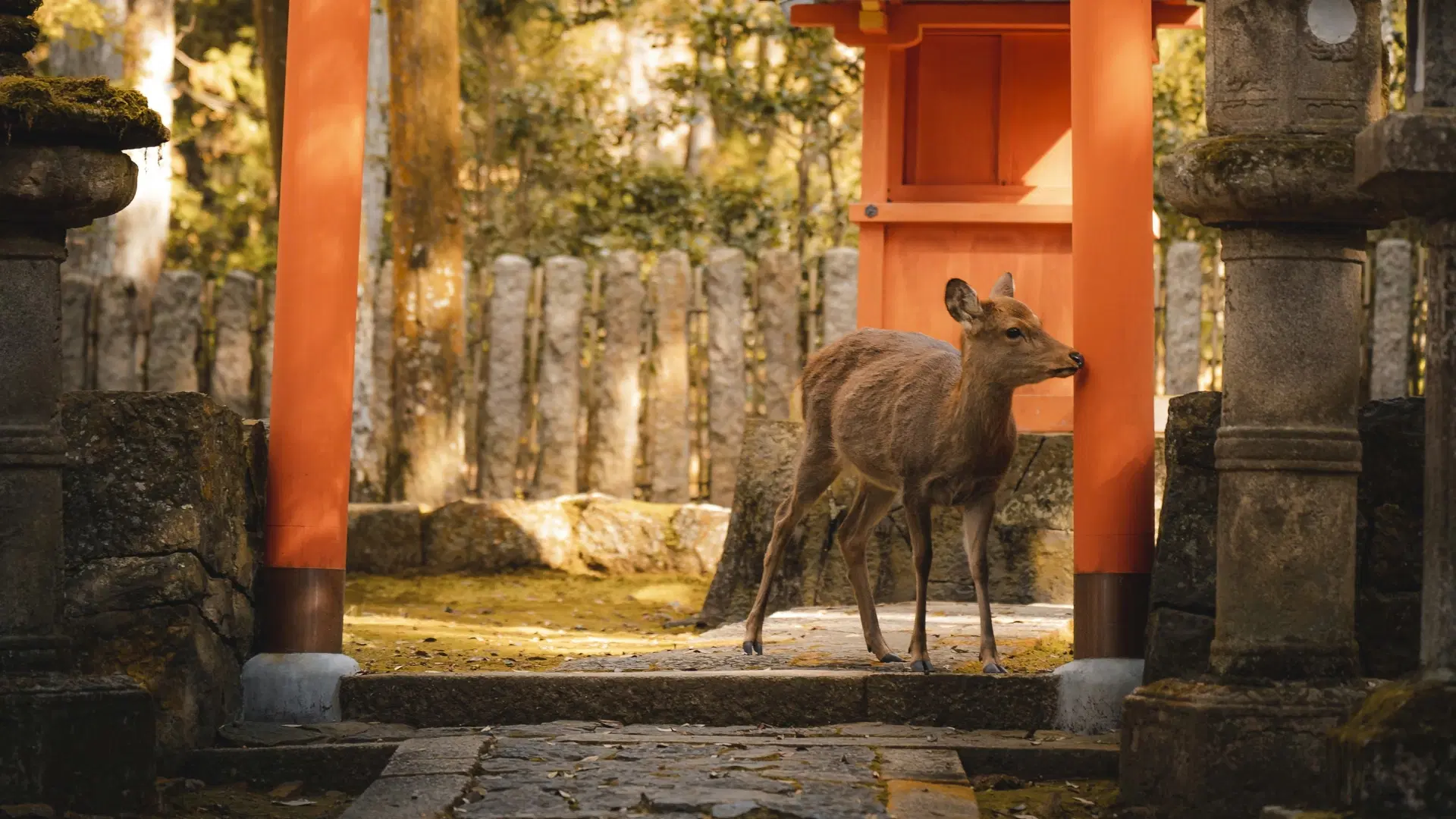
What distinguishes Nara from other ancient capitals is its intimate scale. Where Kyoto sprawls, Nara invites contemplation on foot. The vast deer park at the city's heart, where over a thousand sika deer roam freely as sacred messengers of the gods, creates an atmosphere found nowhere else in the world: stone lanterns, ancient cryptomeria, and deer bowing for rice crackers against a backdrop of eighth-century architecture. The effect is not quaint but genuinely numinous, a place where the boundary between the human and natural world feels permeable.
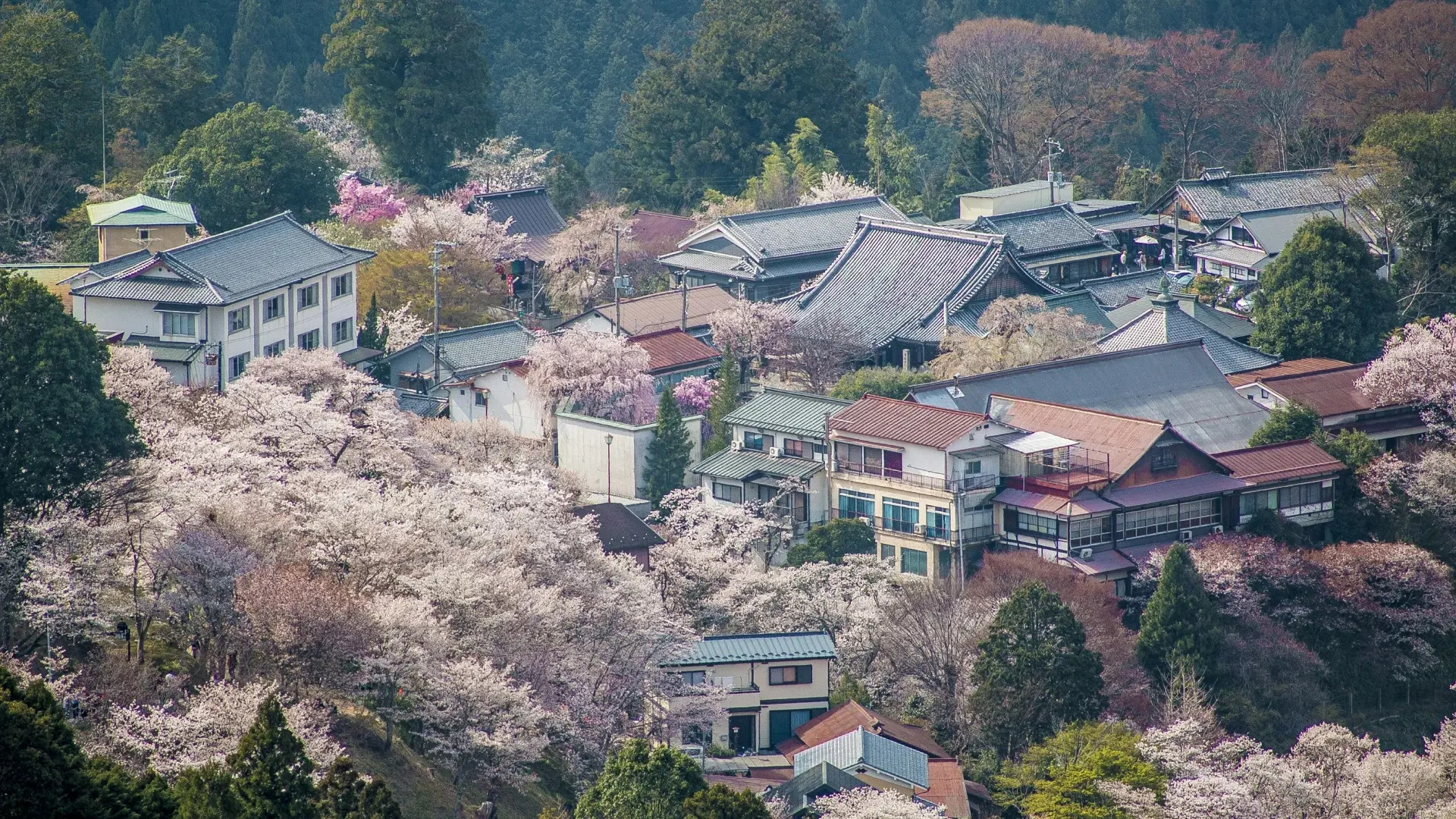
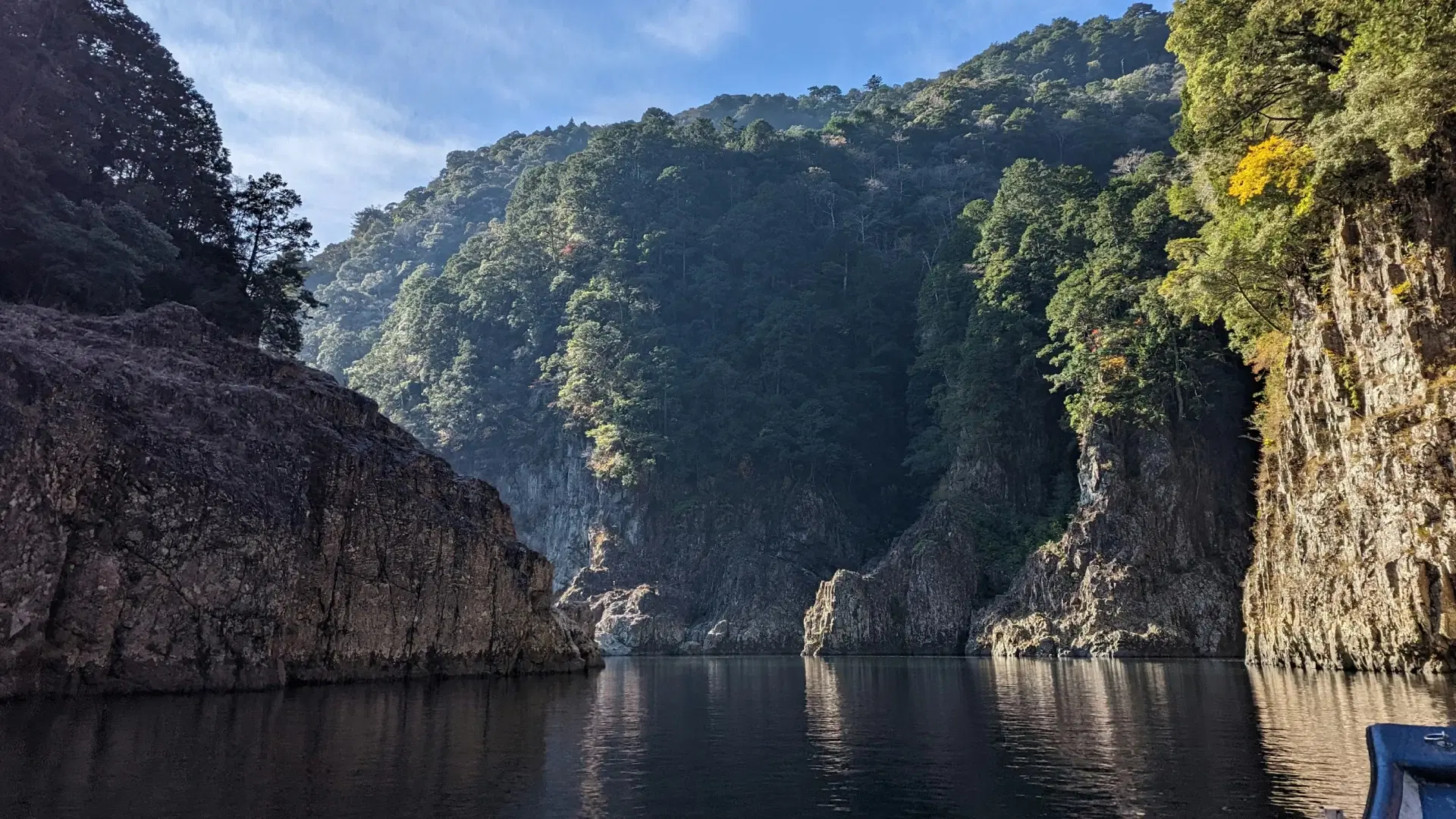
South of the capital, Nara Prefecture reveals wilder dimensions. Yoshino, the mountain sanctuary where forty thousand cherry trees cascade down forested ridges in spring, is considered the finest hanami site in all of Japan. The Asuka region preserves mysterious stone carvings and tumuli from the pre-Nara period, when Japan was still finding its political form. Nara is where Japanese culture took its first deep breath.
Cultural Identity
Nara's cultural significance is foundational. Buddhism arrived in Japan through the Korean peninsula, but it was in Nara that it first achieved monumental expression, with Emperor Shomu commissioning the Great Buddha at Todai-ji in 752 as a spiritual guardian for the entire nation. Horyu-ji, founded by Prince Shotoku in 607, contains the world's oldest wooden buildings and a treasury of Asuka-period art. The Shosoin Repository at Todai-ji safeguards over nine thousand Silk Road artifacts, including musical instruments, textiles, and medicines that traveled from Persia and Central Asia to this small Japanese city. Nara's Kasuga Taisha, with its three thousand stone and bronze lanterns, represents Shinto at its most atmospheric. The annual Omizutori ceremony at Todai-ji, performed without interruption for over 1,270 years, is one of the most ancient continuous rituals in the world.
Culinary Traditions
Nara's cuisine is subtle, shaped by Buddhist vegetarian traditions and the produce of its mountainous interior. Kakinoha-zushi, mackerel or salmon pressed onto vinegared rice and wrapped in persimmon leaves, is the prefecture's signature: a preservation technique born from Nara's distance from the sea that has become a delicacy in its own right. Miwa somen, the extraordinarily thin wheat noodles produced in Sakurai since the Nara period, are considered the origin of all Japanese noodle-making. Kuzu, arrowroot starch harvested from the mountains of Yoshino, appears in refined sweets and savory sauces with a translucent, silky quality. Narazuke, vegetables pickled in sake lees, carries a deep, fermented complexity that develops over years. The deer-shaped crackers sold throughout Nara Park are charming, but the true depth of Nara's food culture lies in these ancient, quietly perfected preparations.
Waters & Onsen
Nara is not a prominent onsen prefecture, yet it harbors pockets of thermal water that reward the curious traveler. Yoshino Onsen, set among the cherry-blossom mountains of the south, offers simple sodium bicarbonate springs that soothe hikers returning from the mountain trails. Tosenji Onsen in the Totsukawa Valley, one of Japan's most remote and dramatic gorge regions, provides riverside rotenburo where the sound of rushing water blends with the steam rising from the baths. Totsukawa Onsen, further into this isolated valley, is one of the few hot spring villages in Japan where all baths use 100 percent kakenagashi, continuously flowing fresh spring water with no recirculation. The bathing here is rustic, unhurried, and deeply connected to the surrounding wilderness.