Shika no Tsunokiri
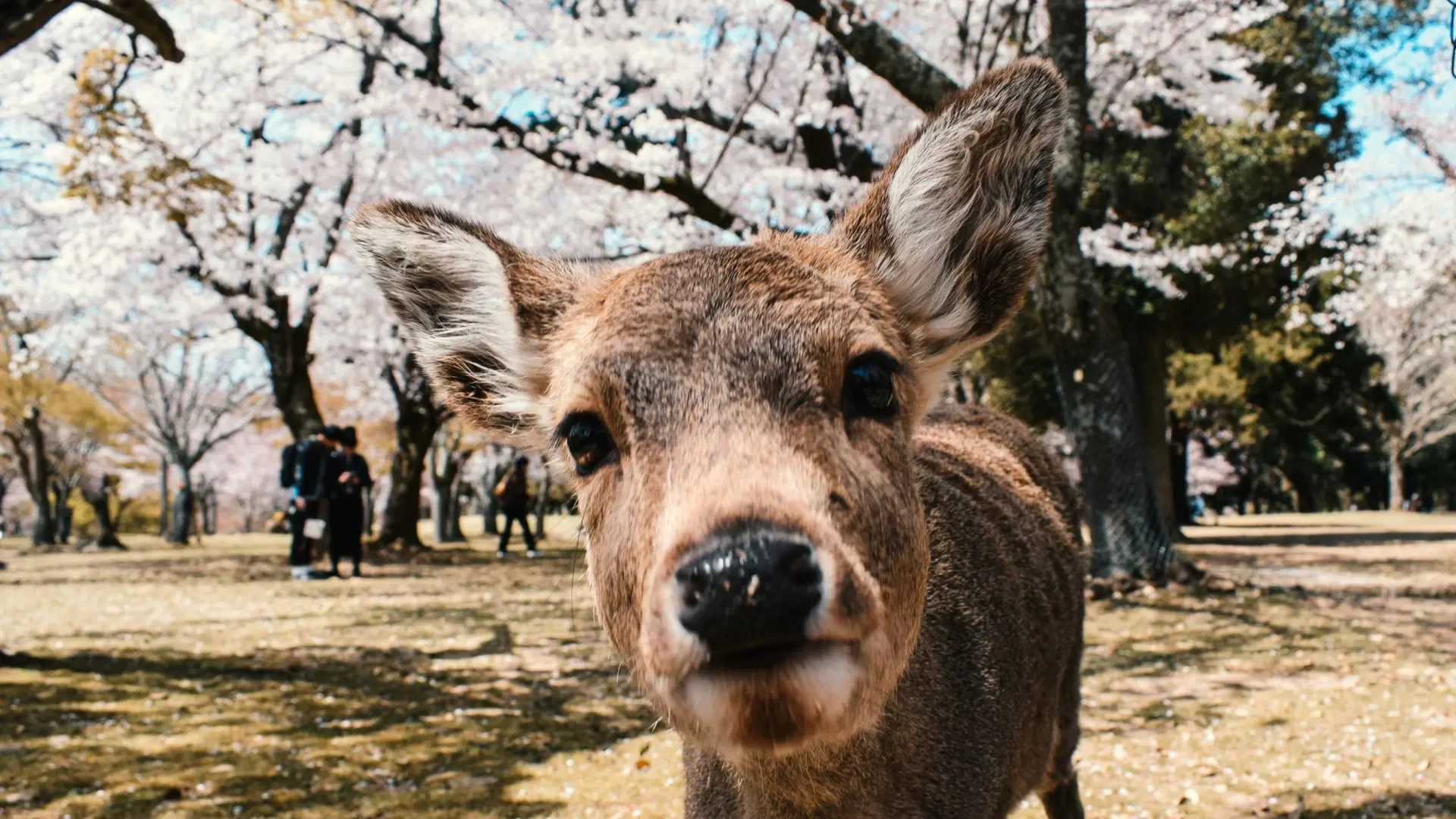
鹿の角きりThe Shika no Tsunokiri, the ceremonial cutting of the deer antlers in Nara Park, is one of Japan's most extraordinary animal rituals, a tradition that has been performed each autumn since 1671, when the practice was established to protect the townspeople and the deer themselves from injury during the rutting season. The ceremony unfolds in a temporary enclosure erected near the Kasuga Taisha shrine, where the roughly 1,200 deer of Nara Park are lured, one by one, into the ring and subdued by specially trained handlers called seko who use traditional ropes and techniques to restrain the animals while a Shinto priest ceremonially saws the antlers with a hand tool. The spectacle combines the athletic drama of the chase and capture with the solemn precision of the ritual removal, creating an event that is simultaneously a practical necessity, a religious observance, and a unique form of theater whose performers include both humans and animals.
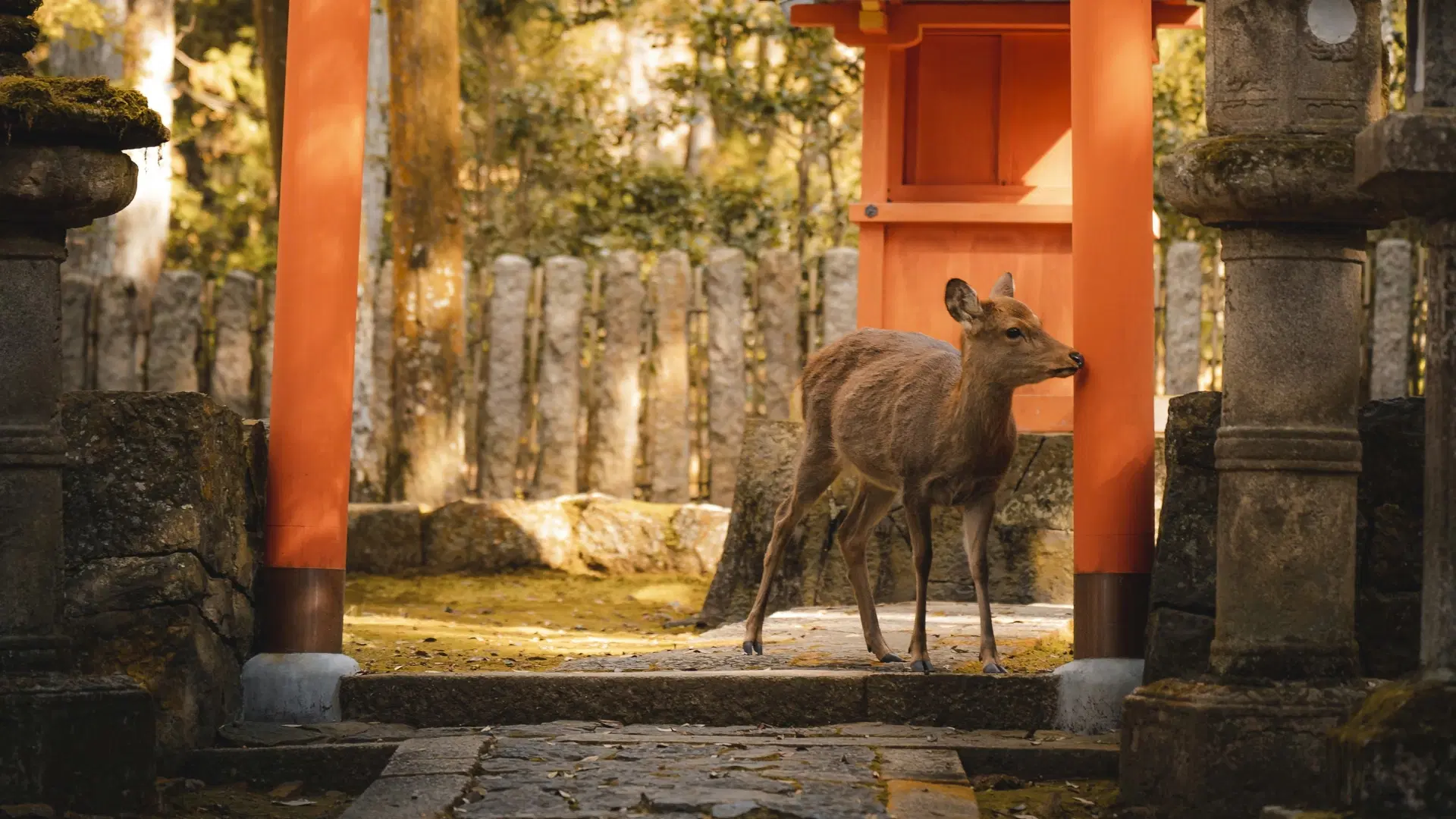
The deer of Nara have been sacred since the founding of Kasuga Taisha in 768 AD, when the deity Takemikazuchi was said to have arrived at the shrine riding a white deer. For centuries, killing a deer in Nara was punishable by death, and even today the deer hold the legal status of National Natural Treasures, their welfare a matter of civic and spiritual obligation. The Tsunokiri reflects this peculiar status: it is an act of care conducted with ritual formality, the antler removal protecting both the deer, who injure each other in territorial combat, and the human residents of a city that shares its streets and parks with over a thousand wild cervids whose autumn hormones make them unpredictable and occasionally aggressive.
The visual drama of the ceremony is considerable. The seko, dressed in traditional white robes, use techniques that have been refined over three and a half centuries of practice, their ropes deployed with a precision that minimizes the animal's distress while controlling creatures that can weigh over 100 kilograms and whose antlers, at their autumn peak, are formidable weapons. The deer's resistance and the handlers' skill create a dynamic that holds the audience in genuine suspense, each capture a unique encounter whose outcome depends on the individual animal's temperament and the handlers' ability to read and respond to its movements.
History & Significance
The Tsunokiri was established in 1671 by the Tokugawa shogunate's representatives in Nara, who responded to complaints of deer-related injuries and property damage during the autumn rutting season by instituting a formal program of antler removal. The practice was assigned to the Kasuga Taisha shrine, whose spiritual authority over the sacred deer gave the necessary religious legitimacy to what might otherwise have been seen as an act of desecration against divinely protected animals. The shrine developed the ritual elements of the ceremony, the priestly blessing, the formal attire of the handlers, and the ceremonial tools, that transformed a practical measure into a sacred observance, the antler removal reframed as an act of devotion to the deer rather than a violation of their sanctity.
The techniques of the seko handlers have been passed through generations of practitioners whose training combines physical skill with an understanding of deer behavior that borders on the intuitive. The ropes, the approach patterns, and the methods of restraint have been refined over centuries of practice, each generation inheriting a body of knowledge that represents one of the most specialized forms of traditional expertise in Japan. The continuation of these techniques through the modern era, when sedation and mechanical restraint would be simpler alternatives, reflects the community's commitment to preserving the ceremony's traditional character and the physical relationship between handler and animal that gives the event its dramatic power.
What to Expect
The ceremony takes place over the course of a weekend, with multiple sessions each day in the enclosure near Rokuen, the deer management facility adjacent to Kasuga Taisha. The enclosure is surrounded by tiered seating that accommodates several hundred spectators, and the atmosphere combines the excitement of a sporting event with the reverence of a shrine ceremony. Each session involves the capture and antler removal of several deer, the process repeated with variations determined by the individual animals' responses.
The sequence begins with the seko entering the enclosure and selecting a target among the deer that have been gathered within. The approach is careful and deliberate, the handlers reading the animal's body language and positioning themselves to deploy their ropes at the optimal moment. The cast of the rope, a technique requiring considerable skill, is followed by a brief and sometimes vigorous struggle as the deer resists and the handlers work to bring it under control. Once the animal is restrained, a Shinto priest approaches, offers a brief prayer, and the antlers are removed with a traditional saw in a process that takes only seconds and causes no bleeding, the antlers having completed their annual growth cycle and separated from the living tissue at their base.
The released deer, visibly lighter and somewhat bewildered by the sudden change in its headweight, trots back into the enclosure or out into the park, its departure prompting a collective exhalation from the audience whose tension during the capture resolves into relief and, often, laughter. The antlers are collected and later offered at Kasuga Taisha as sacred objects, their removal understood not as a taking but as a harvesting, the annual cycle of growth and removal mirroring the seasonal rhythms that govern all life within the shrine's domain.