Nara Tokae
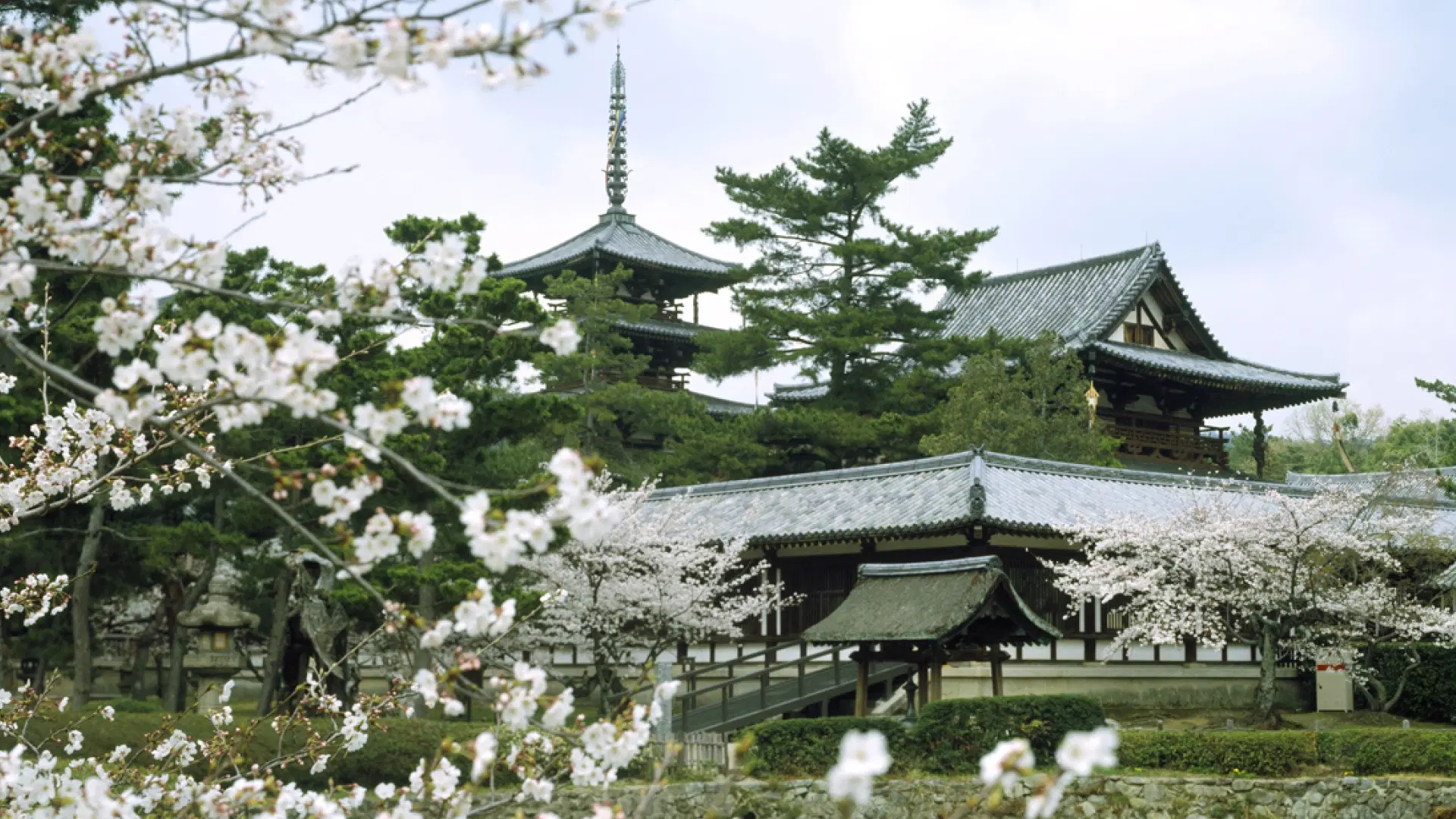
なら燈花会Nara Tokae is a midsummer illumination that transforms the ancient capital's most sacred spaces into landscapes of living flame, approximately 20,000 candles placed by hand in cups across the lawns, paths, and temple grounds of Nara Park, their individual flames flickering in the summer darkness to create a collective luminescence that is both more fragile and more beautiful than any electric alternative. The event, held for ten evenings in early to mid-August, covers a circuit of sites that includes the approaches to Todaiji, the shores of Sarusawa Pond, the lawns of the Nara National Museum, the forest paths leading to Kasuga Taisha, and several other locations within the park, each venue presenting its own composition of candle, landscape, and darkness that the visitor encounters in sequence during an evening walk through the illuminated district.
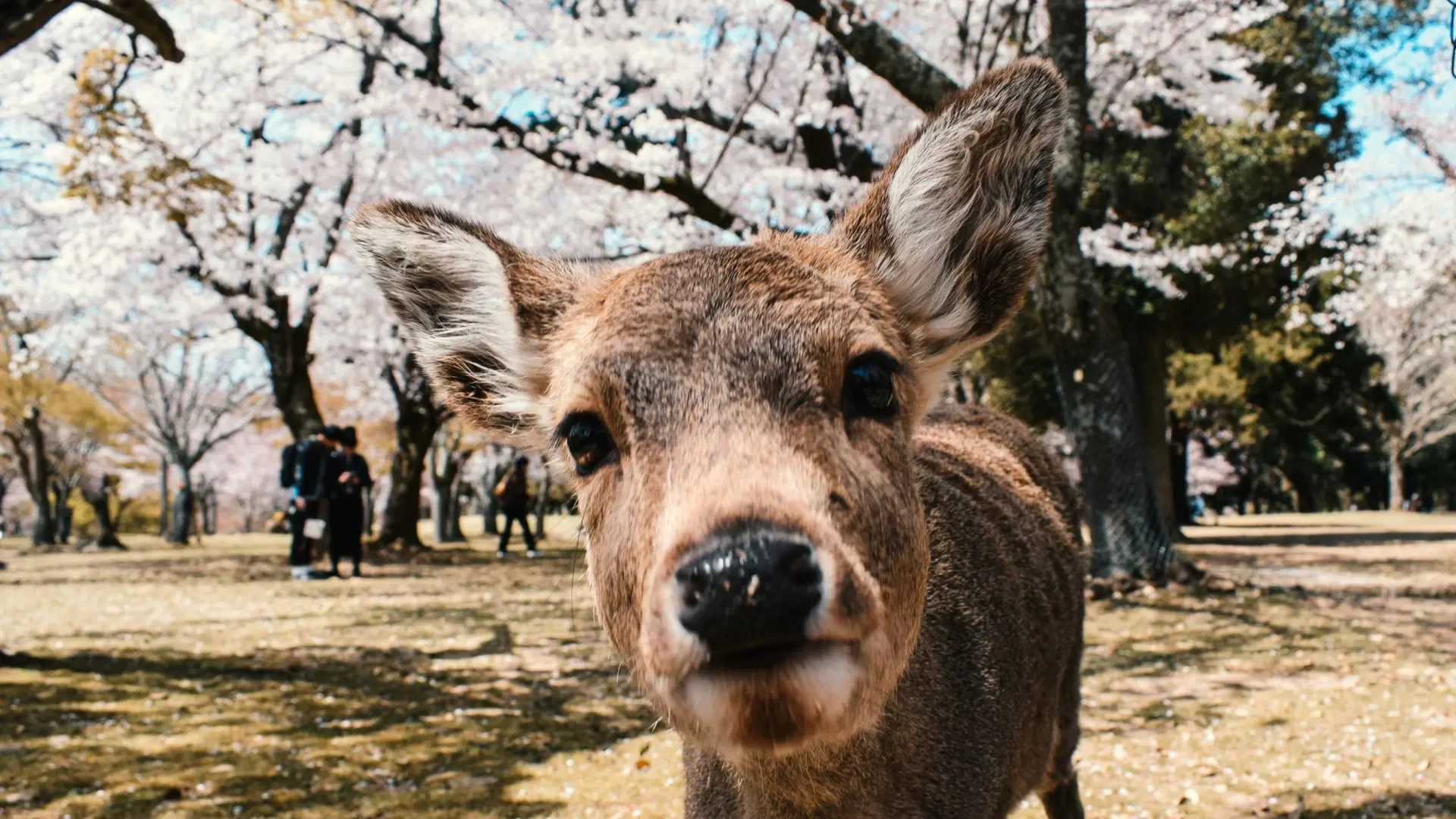
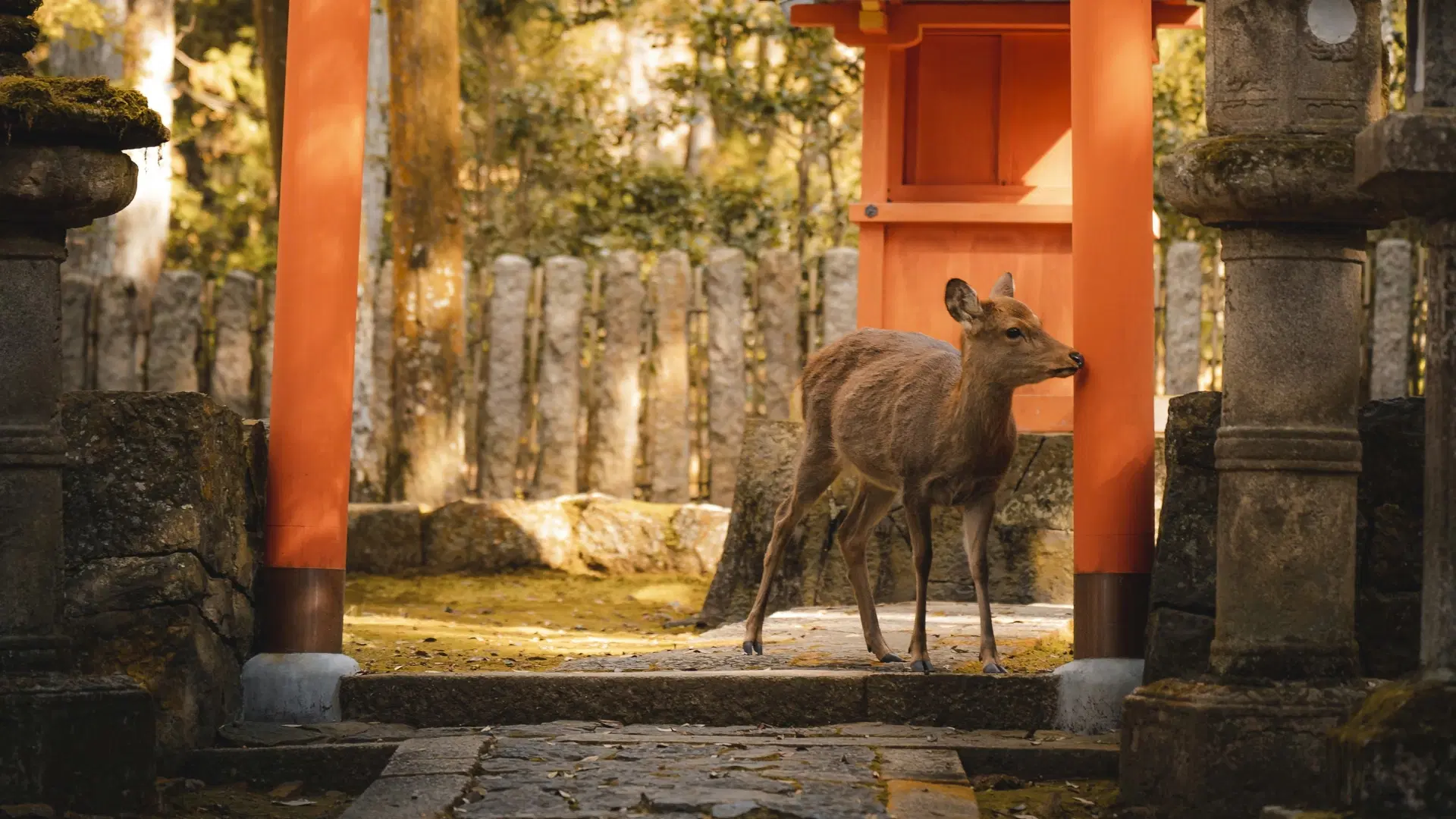
The power of Tokae lies in the modesty of its means. In an era of LED projections and digital light shows, the decision to illuminate one of the world's great temple landscapes with nothing more than candle flames in paper cups represents a commitment to a form of beauty that technology cannot improve. Each candle, placed by volunteer hands at dusk and lit as darkness falls, burns for the duration of the evening before guttering out, its impermanence embodying the same Buddhist awareness of transience that the temples themselves were built to teach. The cumulative effect of thousands of these small, temporary lights, reflected in the eyes of the sacred deer who wander among them with their characteristic indifference, produces an atmosphere that hovers between festival and meditation, the collective warmth of the flames softening the darkness without banishing it.
The event was established in 1999 as a way to share the beauty of Nara's nighttime landscape with visitors during the peak summer season, and its growth into one of the most beloved summer events in the Kansai region testifies to its success in offering an experience that no other city can replicate. The combination of ancient architecture, sacred parkland, free-roaming deer, and the primal beauty of open flame creates a setting so specific to Nara that the event could not be transplanted to any other location without losing its essential character.
History & Significance
Nara Tokae was inaugurated in 1999 by a citizens' group that recognized the untapped potential of Nara Park's nighttime landscape. The city's major tourist attractions, overwhelmingly visited during daylight hours, emptied at dusk, and the founding organizers conceived of the candle illumination as a way to extend the experience of Nara's ancient beauty into the evening hours of the summer season. The initial event was modest in scale, with a fraction of the candles that the contemporary Tokae employs, but the response was immediate and enthusiastic, the beauty of the illumination and the uniqueness of the setting attracting visitors who recognized that something unprecedented was being offered.
The event has grown steadily over the subsequent decades, the number of candles increasing, the number of illuminated sites expanding, and the volunteer infrastructure developing to support the nightly labor of placing, lighting, and maintaining approximately 20,000 individual flames. The candle-placing process itself has become part of the event's culture, with volunteers arriving each evening to set out the cups in patterns that vary by site, the act of preparation serving as a communal meditation that mirrors the contemplative purpose of the finished illumination.
The choice of August for the event connects Tokae to the Obon period, the Buddhist observance of ancestral return when the spirits of the dead are believed to visit the living world. The candle flames of Tokae carry an echo of the Obon tradition of lighting fires to guide returning spirits, and the combination of the illumination's beauty with the season's spiritual significance gives the event a depth that a purely aesthetic spectacle could not achieve. Many visitors experience Tokae as an act of remembrance as well as appreciation, the gentle flames in the temple precincts serving as points of connection between the living and the dead, the present and the past.
What to Expect
The illuminated sites are distributed across Nara Park and its surrounding temple and shrine precincts, and the complete circuit takes approximately two to three hours to walk at a contemplative pace. The candles are typically lit as darkness falls, around 7 PM, and the illumination continues until approximately 9:45 PM. Each site presents a different character: the broad lawns near Todaiji offer expansive fields of flame that extend to the temple's massive gate, the individual candles merging at a distance into a warm glow that silhouettes the deer crossing among them; the forest paths leading to Kasuga Taisha line the ancient stone lanterns with additional candle flames that double the sense of passage through a corridor of light; the shores of Sarusawa Pond present the candles reflected in the water's still surface, the flames and their reflections creating a symmetry that blurs the boundary between air and water.
The atmosphere is quiet despite the presence of thousands of visitors. The candlelight, too dim to support the energetic socializing that characterizes brighter festival settings, encourages a slower pace and a softer voice, and the crowds move through the illuminated zones with a collective gentleness that is itself part of the experience. Couples and families predominate, the event's romantic and contemplative qualities making it particularly suited to shared, unhurried experience. The deer of Nara Park, active in the cooler evening hours, move among the visitors and the candle flames with the same confidence they display during the day, their eyes catching the light and their forms casting long shadows across the illuminated lawns.
The sites can be visited in any order, and many visitors develop their own preferred circuits based on the atmospheres they most respond to. The Todaiji approach offers grandeur, the Kasuga path offers mystery, the Sarusawa Pond offers reflection, and the smaller, less-visited sites offer moments of near-solitude that the larger venues cannot provide. The complete experience rewards multiple evenings, each visit revealing nuances of light, landscape, and mood that a single evening cannot exhaust.