Nara Rurie
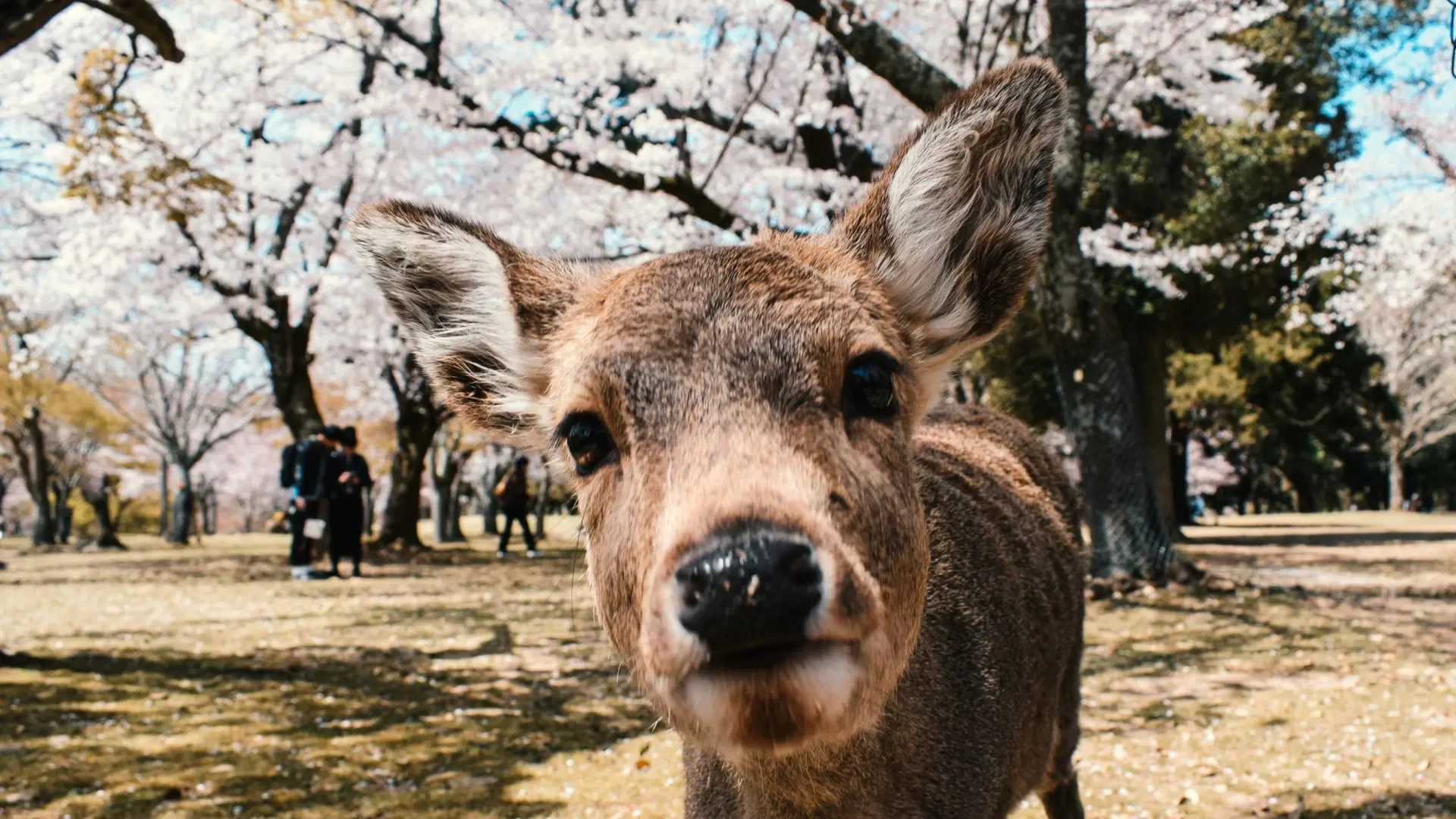
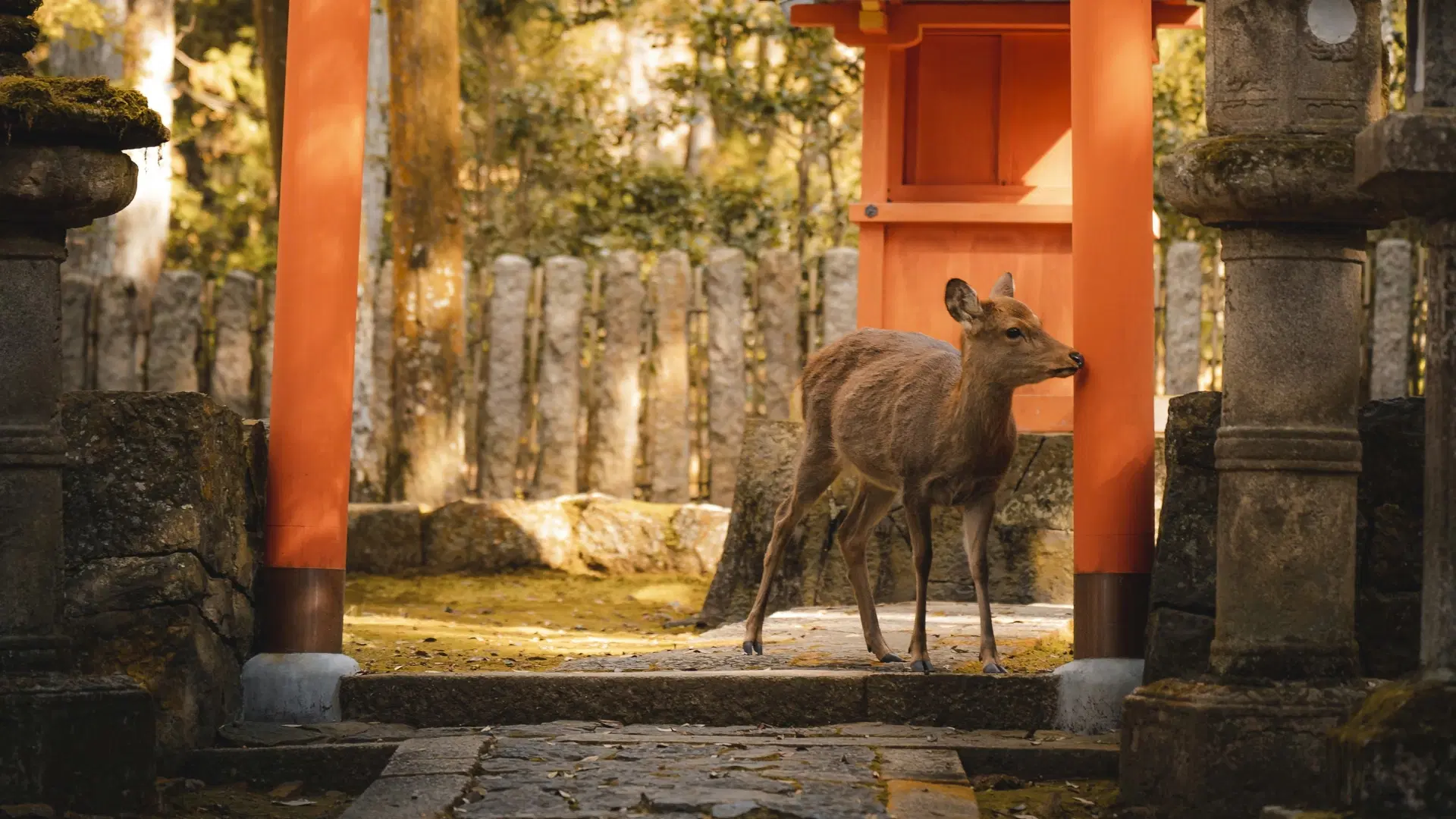
なら瑠璃絵Nara Rurie is a winter illumination that accomplishes something that the city's more famous summer counterpart, Tokae, does not attempt: the unification through light of Nara's three great World Heritage sites into a single luminous landscape. For approximately one week in early February, LED installations connecting Todaiji, Kasuga Taisha, and Kofukuji transform the winter-bare parkland between them into corridors of blue and white light whose color gives the event its name, rurie evoking the deep lapis lazuli of the Medicine Buddha's Pure Land of healing and spiritual clarity. The effect is of walking through a landscape that has been gently rewritten in light, the familiar paths and lawns of Nara Park rendered unfamiliar by the blue glow that illuminates the deer, the trees, and the ancient stone lanterns in a palette that belongs more to dream than to waking.
The choice of blue is neither arbitrary nor merely aesthetic. The lapis lazuli reference connects the illumination to the Buddhist cosmology that shaped Nara during its centuries as Japan's capital, the Pure Land of the Medicine Buddha representing a realm of perfect healing where suffering is extinguished by the radiance of spiritual wisdom. To walk through the blue-lit park is to move through a contemporary interpretation of that vision, the LED light standing in for the gemstone radiance of the scriptural paradise while the deer, the temples, and the ancient trees provide the landscape through which the vision manifests. The event does not require this reading to be enjoyed, but it rewards those who bring it, the theological depth adding a layer of meaning that the visual beauty alone cannot supply.
The February timing places Rurie in the quietest period of Nara's tourist calendar, the winter cold keeping all but the most dedicated visitors away and giving the illumination an atmosphere of solitude that the crowded summer Tokae cannot achieve. The smaller crowds, the bare branches of the deciduous trees silhouetted against the blue light, and the visible breath of the walkers create a winter experience whose austerity is itself a form of beauty, the cold sharpening the senses and concentrating the attention in ways that the warm, soft summer evenings dissipate.
Nara Rurie is a winter illumination that accomplishes something that the city's more famous summer counterpart, Tokae, does not attempt: the unification through light of Nara's three great World Heritage sites into a single luminous landscape.
History & Significance
Nara Rurie was inaugurated in 2010 as a winter complement to the summer Tokae illumination, its creators recognizing that the cold months, when Nara's visitor numbers declined most sharply, offered an opportunity to present the city's heritage in a light, both literal and figurative, that the crowded seasons could not accommodate. The concept of linking the three World Heritage sites through a continuous light installation was ambitious, requiring coordination among the separate religious and governmental bodies that administer Todaiji, Kasuga Taisha, and Kofukuji, institutions whose histories of rivalry and independence stretch back over a millennium. The success of the first Rurie demonstrated that cooperation could produce an experience that benefited all three sites, and the event has been repeated annually with growing sophistication.
The LED technology that makes Rurie possible represents a distinctly modern addition to a landscape whose other illuminations, the stone lanterns of Kasuga Taisha and the candle offerings at Todaiji, rely on open flame. The juxtaposition is intentional rather than jarring, the blue electronic light and the warm candle flame coexisting within the same evening walk as expressions of different eras' technologies of illumination, each beautiful in its own register, their combination spanning the distance between the eighth century and the twenty-first within the space of a single stroll.
What to Expect
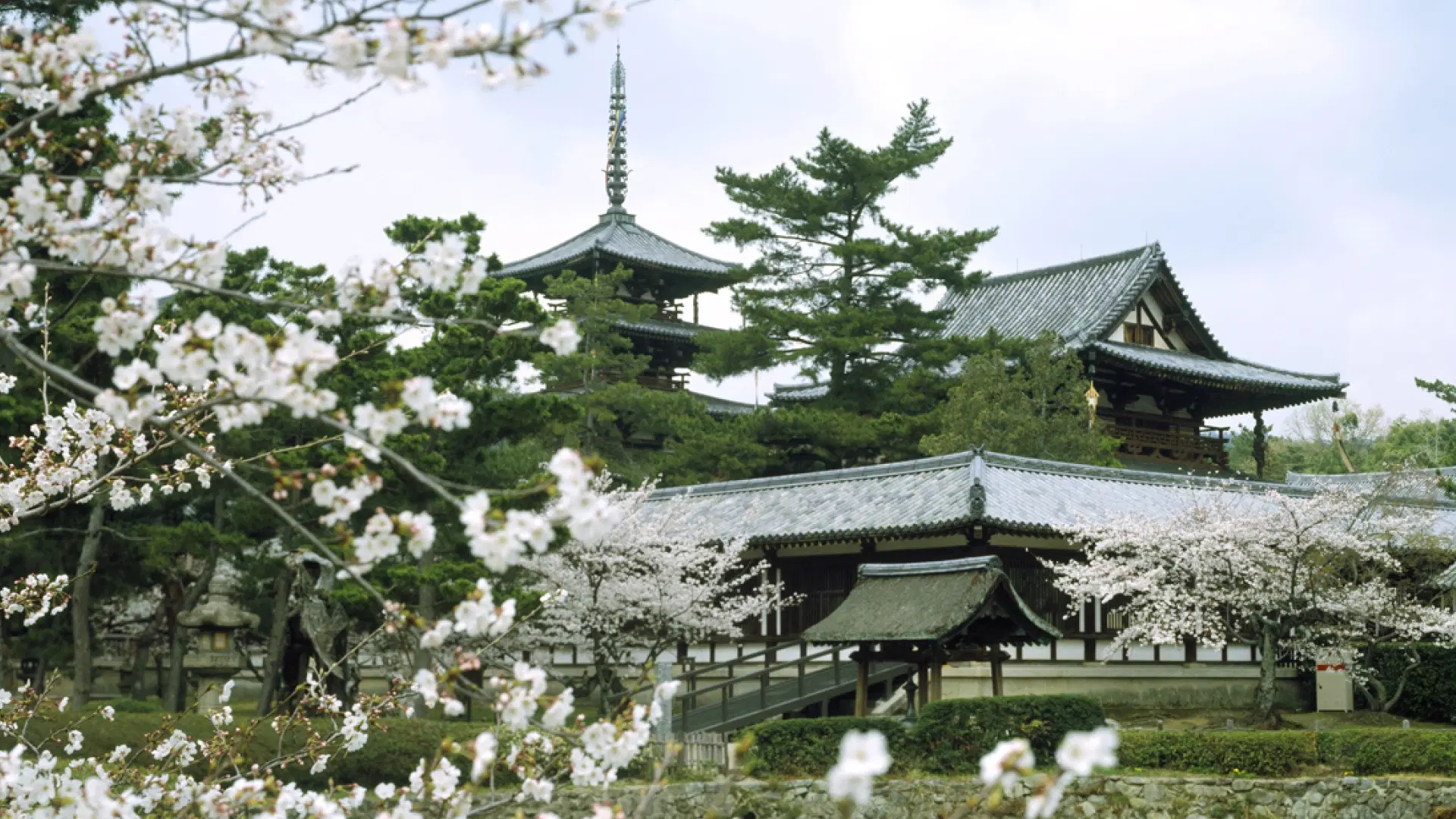
The illuminated route connects the three temple and shrine complexes through the parkland that separates them, the LED installations following the paths and lining the avenues that visitors walk daily in other seasons but that the winter darkness and the blue light transform into passages of unfamiliar beauty. The approach to Todaiji is typically the most dramatic section, the great temple's Nandaimon gate appearing at the end of a corridor of blue light whose convergence at the gate creates a perspective of theatrical intensity. The Kasuga Taisha approach, winding through the ancient forest, is the most atmospheric, the blue light filtering through the bare branches and illuminating the moss-covered stone lanterns that line the path. The Kofukuji area, overlooking Sarusawa Pond, provides the most contemplative setting, the illumination reflected in the still water alongside the five-story pagoda's silhouette.
Special light installations, their designs changing each year, are erected at key points along the route, providing focal points that anchor the walking experience. These installations range from abstract compositions of light and form to representational pieces that engage with the Buddhist and Shinto imagery of the surrounding temples. The cumulative effect of the walk, which takes approximately ninety minutes to two hours at a comfortable pace, is of progressive immersion in a landscape whose beauty has been augmented rather than replaced by the technology of illumination.
On the final evening, a special program typically includes additional performances, ceremonies, or illumination events that mark the conclusion of the winter light season. The closing night draws the largest crowds of the week, though even at its busiest Rurie remains far less congested than the summer Tokae, the winter cold serving as a natural filter that selects for visitors whose commitment to the experience is genuine.