Kyushu
九州Kyushu is where Japan began: or at least where its mythology says it did, with the descent of Ninigi-no-Mikoto to the peaks of Takachiho in Miyazaki. It is also where Japan first encountered the wider world: Portuguese traders and Jesuit missionaries arrived at Nagasaki in the sixteenth century, introducing firearms, Christianity, and a cultural exchange whose traces remain visible in the region's architecture, cuisine, and cast of mind. This double identity (as both origin point and portal) gives Kyushu a depth of character that no other region quite matches.
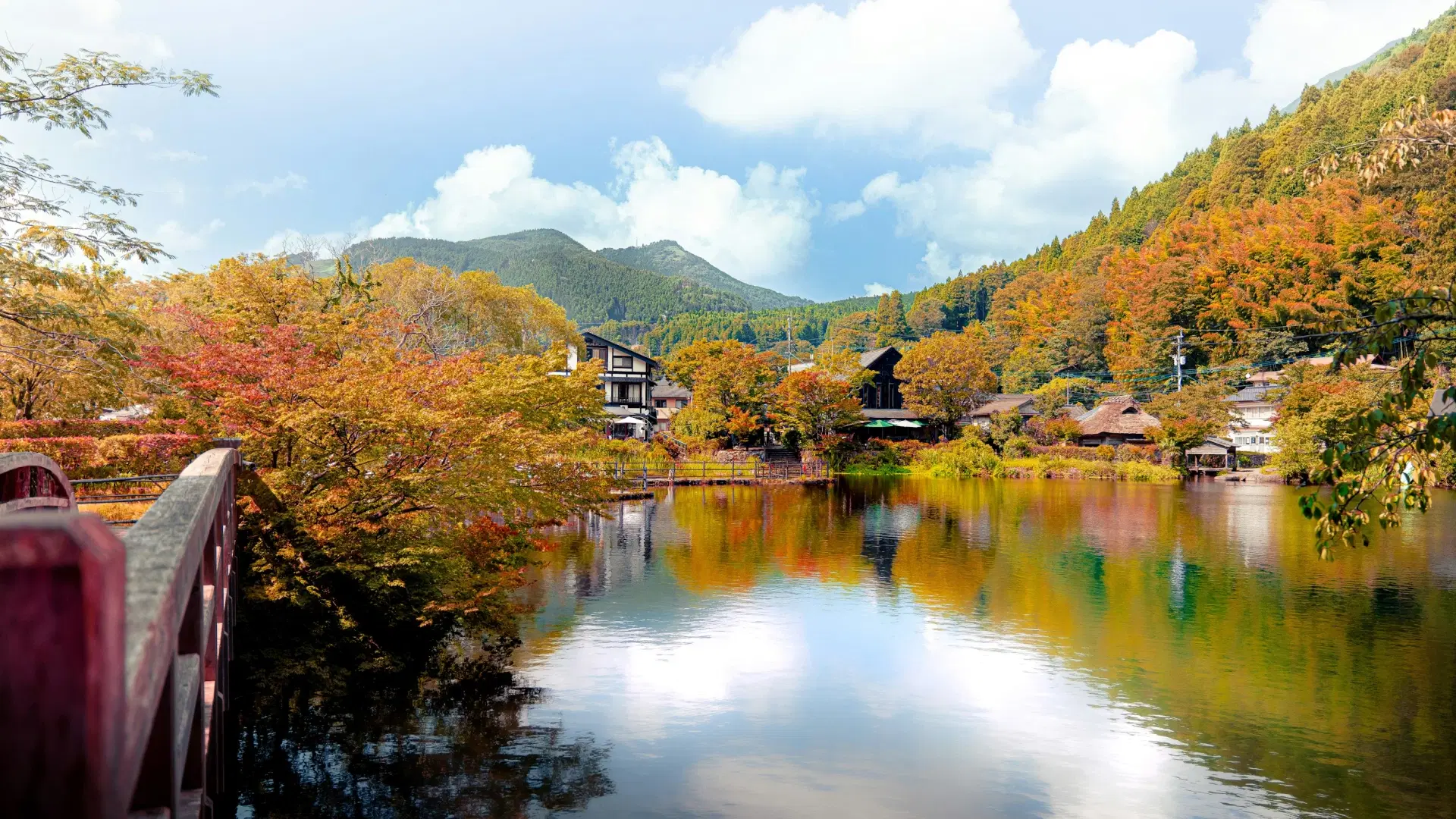
For the onsen traveler, Kyushu is the promised land. Beppu alone produces more hot spring water than any other city on earth, its eight distinct onsen districts (the Beppu Hatto) offering everything from sand baths at Shoningahama to the milky blue waters of Myoban. Yufuin, in the mountains above Beppu, has reinvented itself as a model of tasteful onsen tourism, its ryokan set against the volcanic silhouette of Mount Yufu with a refinement that attracts design-conscious travelers from across Asia. Kurokawa Onsen in Kumamoto hides in a forested gorge, its cluster of inns connected by stone paths and united by the nyuto tegata pass system that encourages bathing at multiple properties: a communal ethos that embodies the best of Japanese hot spring culture.
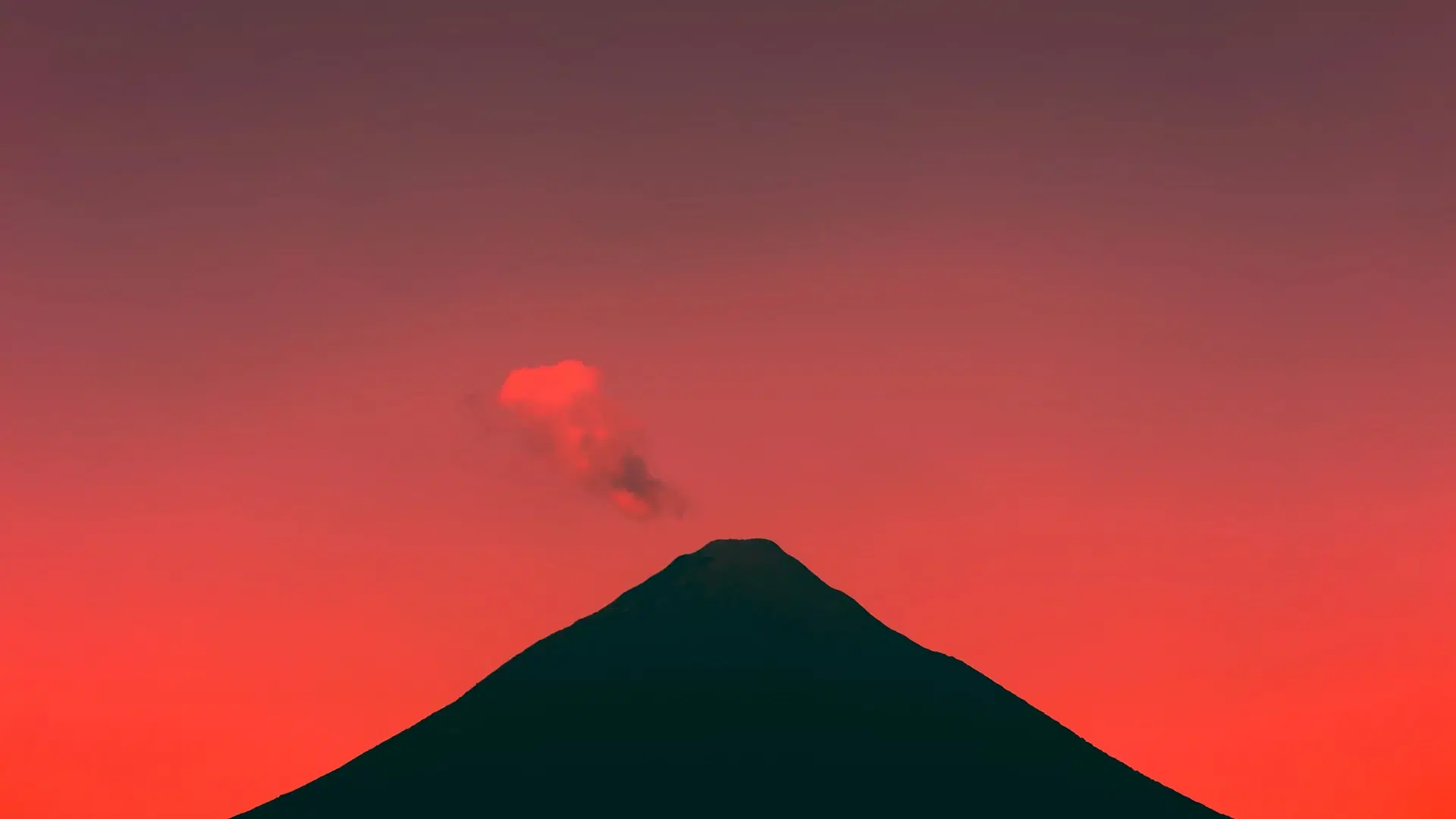
Beyond onsen, Kyushu offers Nagasaki's layered history, Kumamoto's recently restored castle and the pastoral beauty of Aso's caldera, the ceramic traditions of Arita and Karatsu in Saga, and the subtropical lushness of Kagoshima, where Sakurajima volcano smolders across the bay in a display of geological theater that residents treat with extraordinary nonchalance.
Kyushu is where Japan began: or at least where its mythology says it did, with the descent of Ninigi-no-Mikoto to the peaks of Takachiho in Miyazaki.
Geography
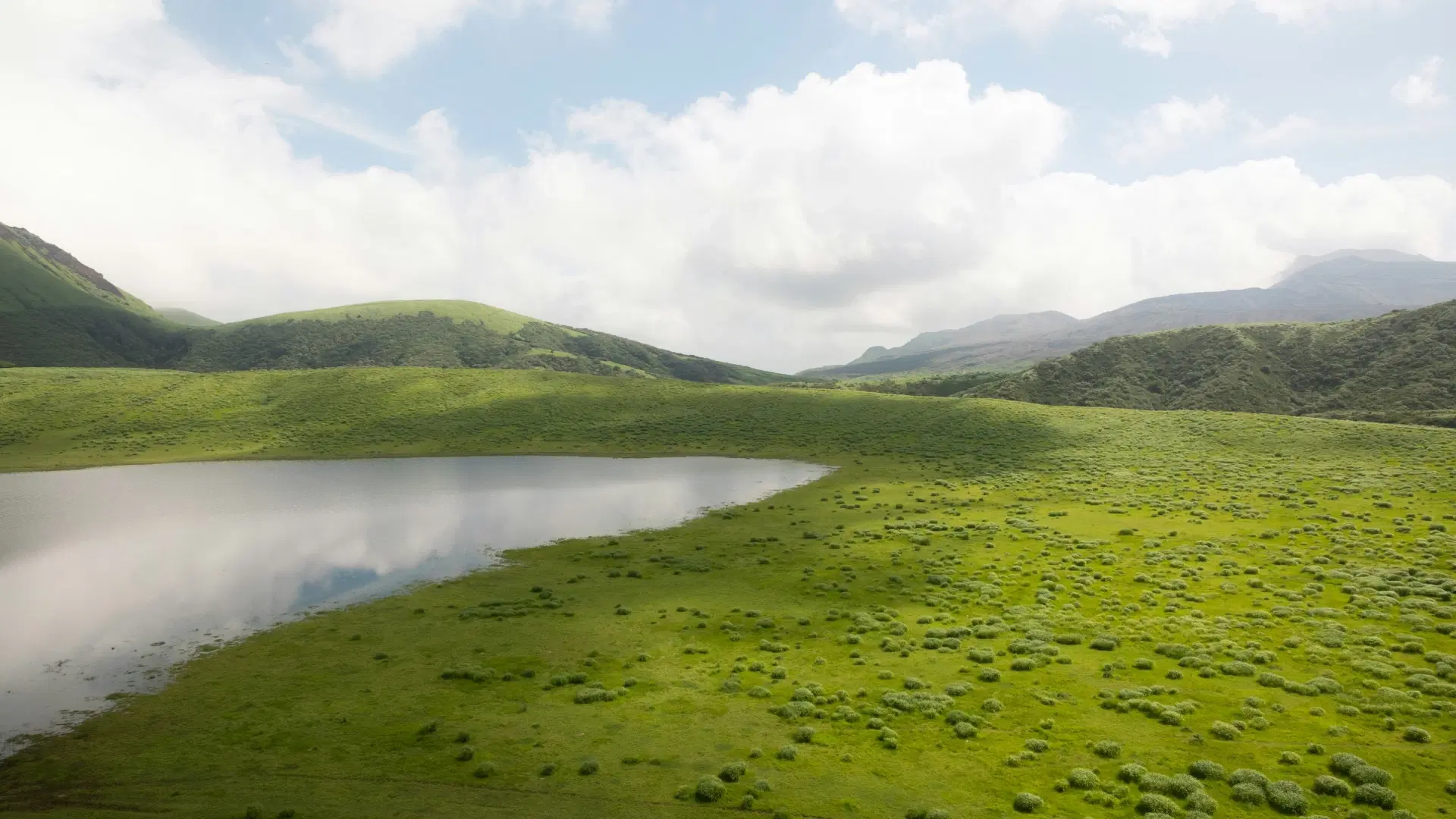
Kyushu's landscape is defined by volcanic activity on a scale unmatched elsewhere in Japan. The Aso caldera in Kumamoto (one of the largest in the world, measuring roughly twenty-five kilometers across) contains an active volcano, farmland, towns, and a road network within its ancient walls, a cohabitation of human settlement and geological violence that feels almost surreal. Sakurajima in Kagoshima erupts hundreds of times annually, dusting the city with ash that residents sweep from their cars each morning. Kirishima's chain of volcanic peaks, Unzen's steaming fumaroles in Nagasaki, and the geothermal wonderland of Beppu all testify to the tectonic forces that make Kyushu the most volcanically active region in the Japanese archipelago.
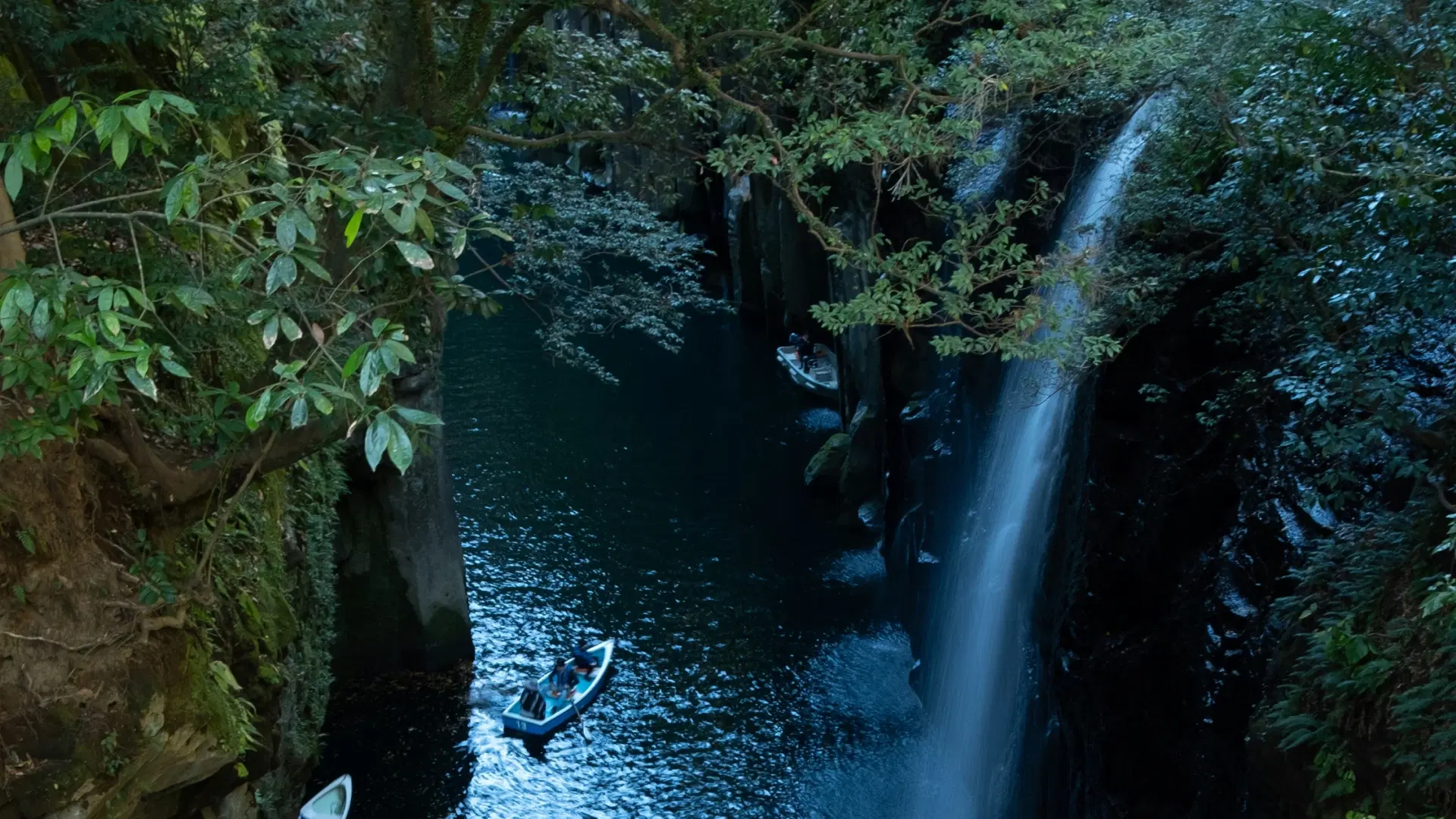
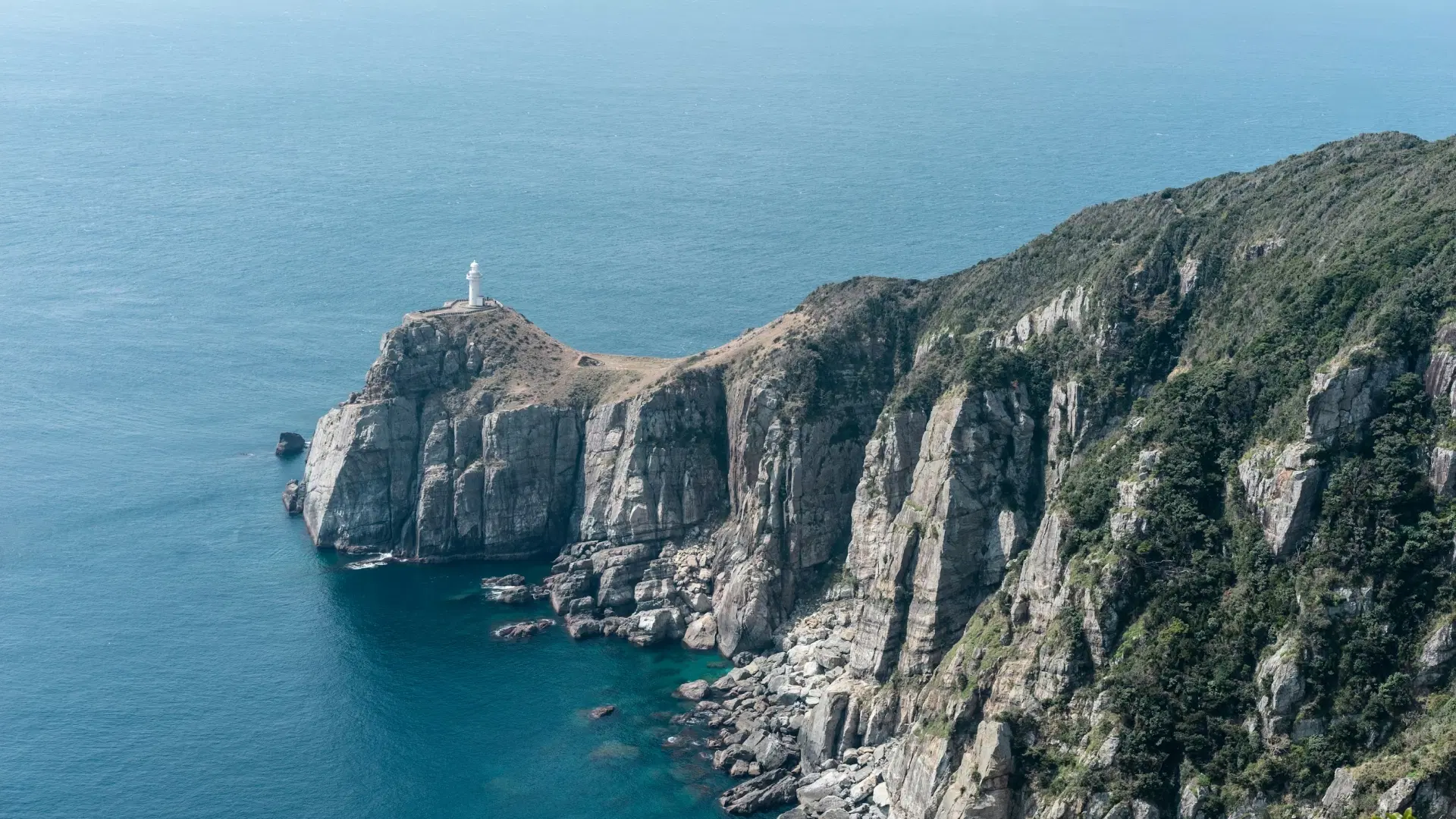
The Kunisaki Peninsula in Oita combines volcanic terrain with a coastline of dramatic rock formations, while Takachiho Gorge in Miyazaki (where the Gokase River has carved through volcanic basalt to create columnar cliffs of geometric perfection) is one of Japan's most photographed natural sites. The western coastline of Nagasaki Prefecture, with its complex ria topography and the remote Goto Islands, preserves landscapes of windswept isolation. Yakushima, off Kagoshima's southern coast, harbors ancient cedar forests (the Jomon Sugi estimated at over two thousand years old) in a UNESCO World Heritage environment of moss, mist, and primordial stillness.
Culture
Kyushu's cultural identity is shaped by its historical role as Japan's gateway to the outside world. Nagasaki's Dejima trading post was, for over two centuries of sakoku isolation, the sole point of contact between Japan and Europe; the city's churches, including the Oura Cathedral (the oldest in Japan) and the hidden Christian sites of the Goto Islands testify to a faith that survived two centuries of persecution in forms unique to Japan. The atomic bombing of August 9, 1945, adds a layer of solemn modern history that the Nagasaki Peace Park commemorates with a restraint that allows visitors their own response.
Kyushu's ceramic traditions are among Japan's most distinguished, born of Korean potters brought to Saga and Kagoshima in the aftermath of Hideyoshi's invasions. Arita porcelain, Karatsu stoneware, and Satsuma ware represent distinct aesthetic lineages that continue to shape Japanese ceramics. The region's festival culture is robust: Hakata's Gion Yamakasa sees teams of men race through Fukuoka's streets shouldering enormous floats, while the Kunchi festival in Nagasaki blends Shinto ceremony with Chinese dragon dances in a display of multicultural exuberance that could only have emerged from this particular city. Kagoshima's samurai heritage, centered on the Shimazu clan that drove the Meiji Restoration, gives the prefecture a martial pride that remains palpable.
Cuisine
Kyushu's cuisine is bold, rich, and deeply local. Hakata ramen (milky tonkotsu pork bone broth, thin straight noodles, a simplicity of toppings that puts all emphasis on the soup) originated in Fukuoka and conquered the world, but the original remains unsurpassed, particularly at the yatai street stalls along the Naka River where the broth has been simmering since morning. Kagoshima's kurobuta Berkshire pork, raised on sweet potato feed, produces tonkatsu and shabu-shabu of extraordinary depth, while Miyazaki's jidori free-range chicken, charcoal-grilled and served with yuzu kosho, has become one of Japan's most celebrated regional poultry traditions.
The region's relationship with shochu (distilled from sweet potato in Kagoshima, barley in Oita, rice in Kumamoto) is as culturally significant as sake is to the north. A serious shochu collection in a Kyushu izakaya may number in the hundreds, each expression reflecting its base ingredient and the character of the local water. Nagasaki's champon noodles and castella sponge cake preserve the Iberian and Chinese influences of the city's trading past, while Oita's kabosu citrus and toriten chicken tempura represent quieter local traditions. Saga's Yobuko squid, served so fresh the tentacles still move, and Kumamoto's basashi horse sashimi (sliced thin, dipped in sweet soy with ginger and garlic) are experiences that define the boundary between culinary adventure and culinary art.