Saga
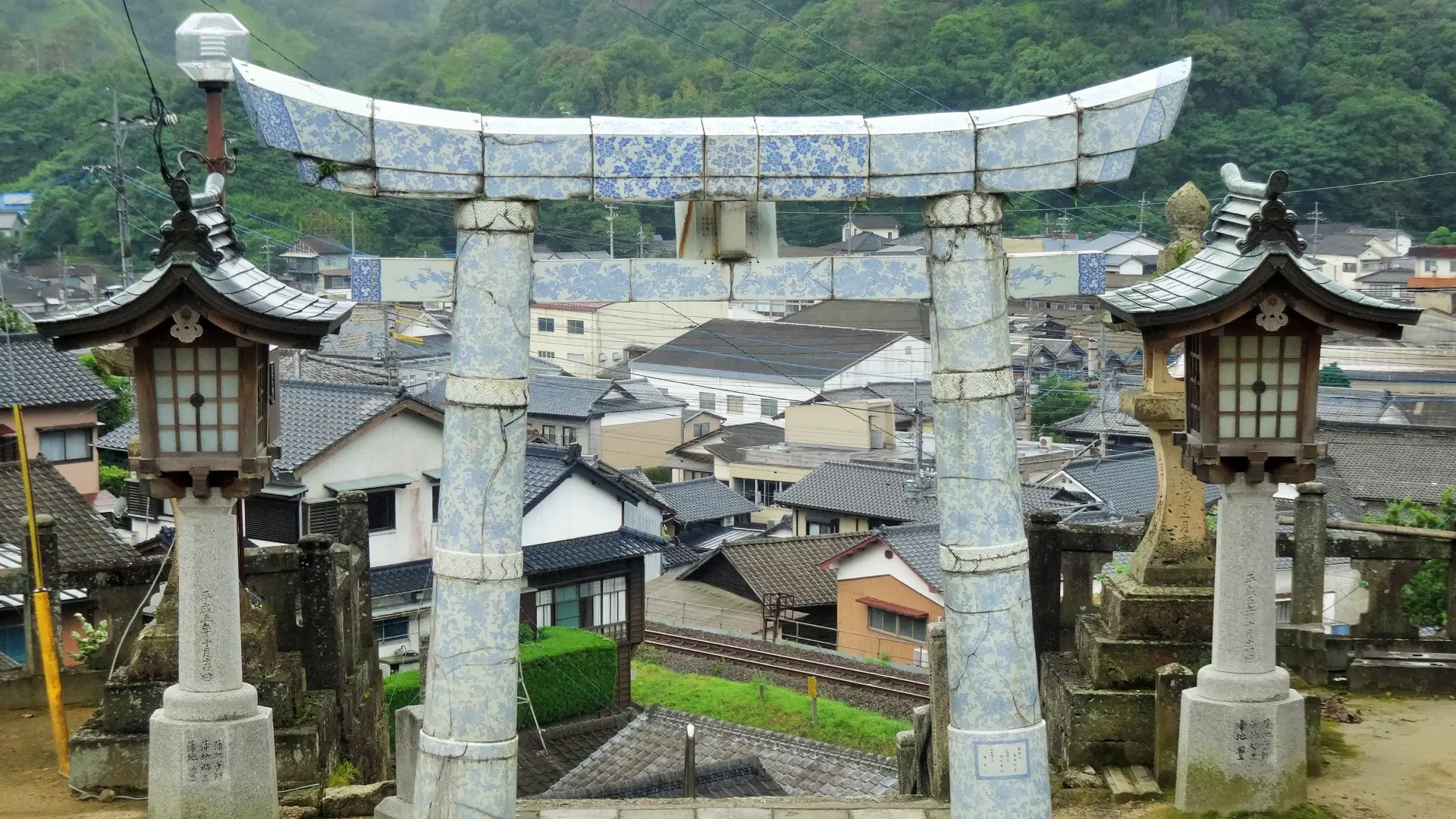
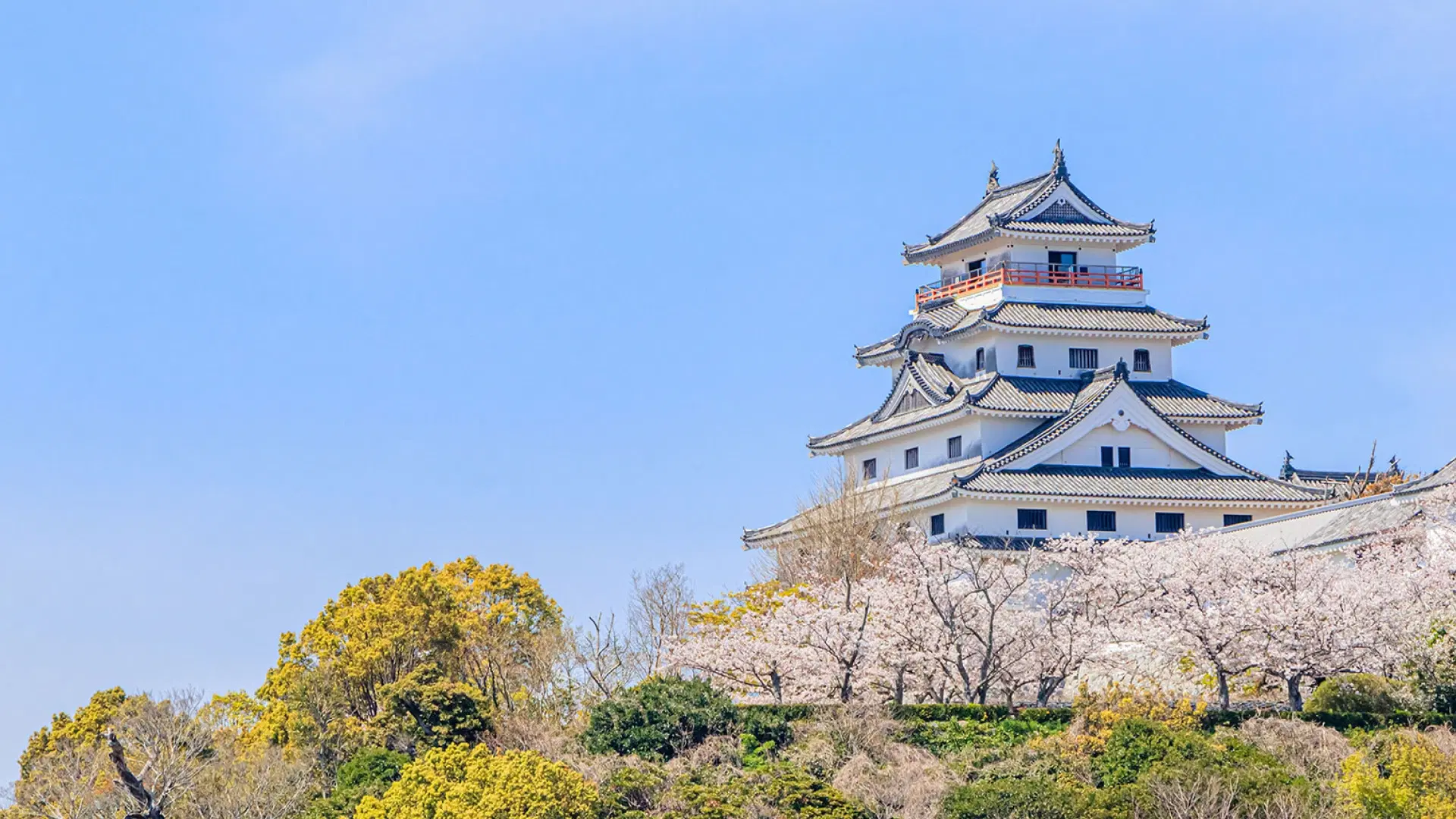
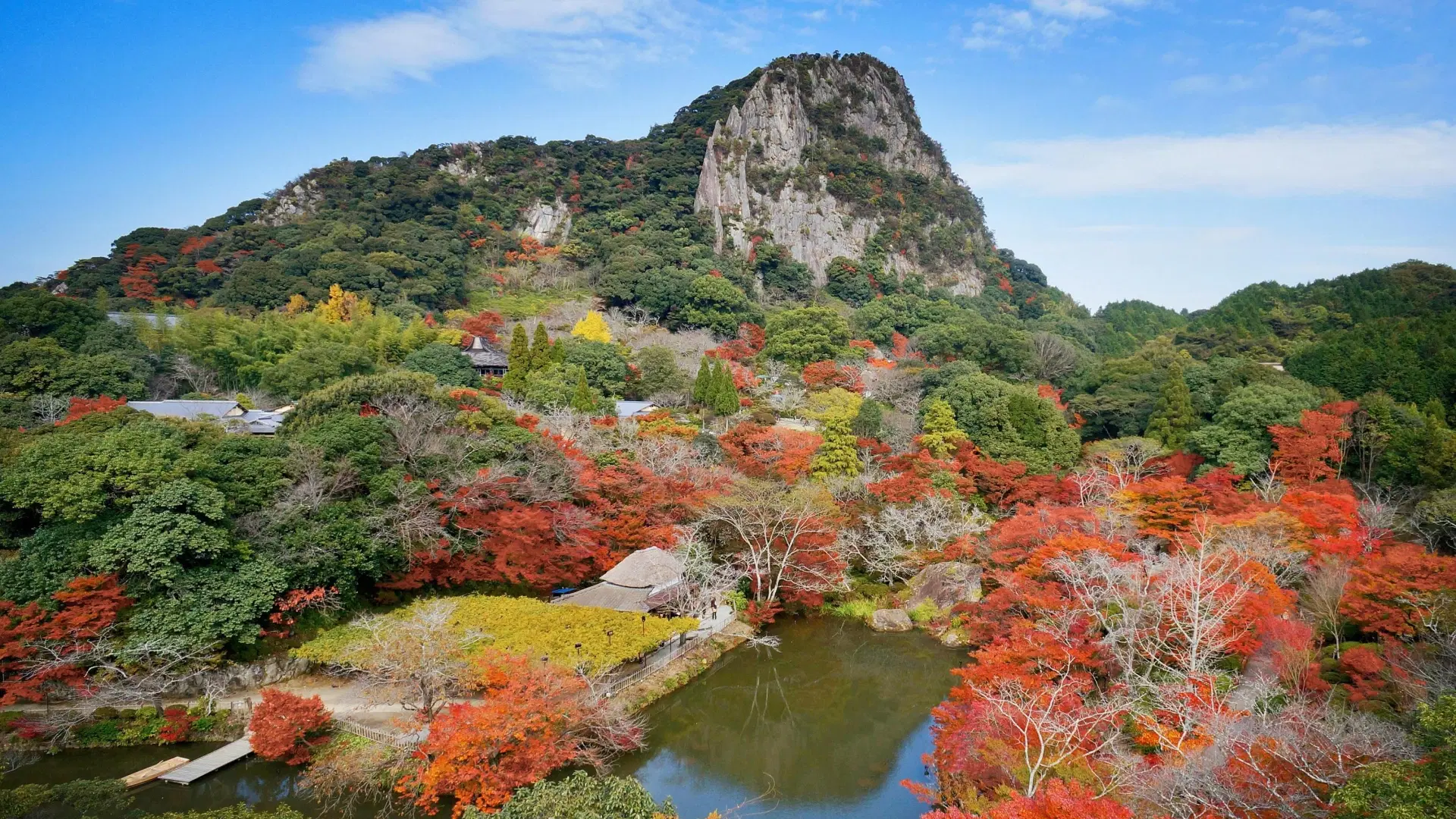
佐賀県Saga is the quiet workshop of Kyushu, a prefecture that has spent centuries perfecting the relationship between earth and hand. Its identity is inseparable from ceramics. Arita, a small valley town in the western hills, is the birthplace of Japanese porcelain, where Korean potters first discovered the kaolin clay that would transform the nation's artistic vocabulary in the early seventeenth century. The kilns have not stopped firing since. Imari, the port from which Arita ware sailed to European courts, and Karatsu, whose rougher, earth-toned pottery predates porcelain entirely, complete a triangle of clay traditions unmatched in Japan.
But Saga is not only a story told in glaze. The Yoshinogari ruins in the eastern plain reveal a vast Yayoi-period settlement, evidence of a complex society flourishing two millennia ago. The Saga Plain itself, fed by the Chikugo River, is one of Kyushu's rice bowls, its paddies mirrored silver in planting season. Along the northern coast, Karatsu's pine-fringed beaches and Yobuko's morning squid markets speak to a maritime life lived close to the water.
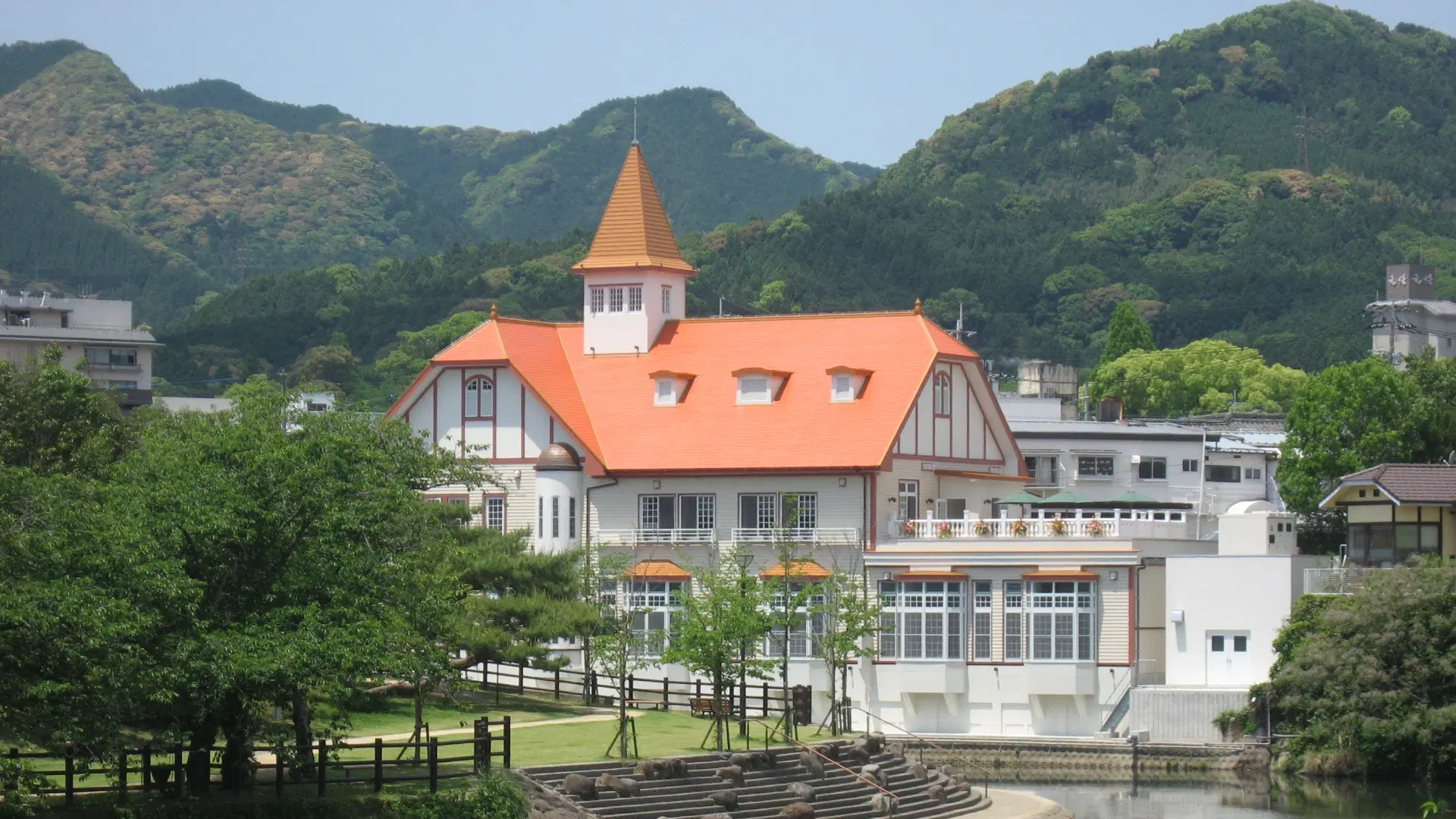
For those seeking thermal waters, the prefecture offers two distinguished options: Takeo Onsen, where a vermillion gate marks an entrance used since the Edo period, and Ureshino Onsen, whose silky alkaline springs have earned a reputation as one of Japan's three great "beautifying" waters.
Saga is the quiet workshop of Kyushu, a prefecture that has spent centuries perfecting the relationship between earth and hand.
Cultural Identity
Saga's cultural identity is rooted in the kiln. Arita porcelain, born in 1616 when the Korean potter Yi Sam-pyeong discovered porcelain stone in the Izumiyama quarry, developed into one of the world's great ceramic traditions. The ornate Kakiemon and Nabeshima styles emerged here, their influence reaching Meissen and Delft. Karatsu ware, older and rougher, embodies wabi-sabi through its irregular forms and natural ash glazes, prized by tea ceremony practitioners for centuries. Beyond the potter's wheel, the Saga Domain's samurai culture is preserved in the Hagakure, a philosophical text on the way of the warrior composed in the early eighteenth century. The Yoshinogari Historical Park reconstructs a Yayoi-period moated settlement, connecting visitors to Kyushu's deep prehistoric roots.
Culinary Traditions
Saga's table is understated and seasonal. The prefecture's beef, Saga-gyu, is a well-marbled wagyu that rivals its Kobe and Matsusaka cousins in tenderness, yet remains less widely known outside Japan. Yobuko morning markets offer squid so fresh it is served alive, its flesh translucent and faintly sweet. Ureshino is celebrated for its tofu, made soft by the same alkaline mineral water that fills its baths. Nori cultivation in the Ariake Sea produces some of Japan's finest dried seaweed, dark and deeply umami-rich, served simply with rice. Saga's modest profile on the national culinary stage belies ingredients of extraordinary quality, shaped by clean water, volcanic soil, and the patience of small-scale producers.
Waters & Onsen
Ureshino Onsen is Saga's thermal treasure. Its sodium bicarbonate waters are remarkably alkaline, producing a slippery, silk-like sensation on the skin that has earned it a place among Japan's "three great beautifying springs" alongside Kawakami in Shimane and Kitsuregawa in Tochigi. The baths here have been in use since the Nara period, and the town retains an intimate, unhurried character. Takeo Onsen, marked by a striking vermillion romon gate designed by the Edo architect Tatsuno Kingo's predecessor, offers simple chloride springs in a setting that blends Meiji grandeur with working-town charm. Its public bathhouse, a wood-and-tile affair of considerable age, is worth visiting for architecture alone. Together, these two towns form a gentle circuit through Saga's thermal heritage.