Takeo Onsen Autumn Festival
武雄温泉秋まつりThe Takeo Onsen Autumn Festival is a celebration that reveals the intimate relationship between a small onsen town and the shrine at its spiritual center. Held each October at Takeo Shrine, whose three-thousand-year-old camphor tree anchors the town to the deepest stratum of natural history, the festival brings together the community in a multi-day observance that combines Shinto ritual, folk performance, and the convivial energy of a town that has been welcoming visitors for over a millennium. The scale is human rather than monumental, the participants are neighbors rather than professionals, and the atmosphere carries the warmth of a community gathering rather than the spectacle of a staged event.
The festival's significance extends beyond its immediate pleasures. In a region where the great festivals of Fukuoka and Nagasaki draw national and international attention, Takeo's autumn celebration occupies a different register entirely. This is a matsuri in the original sense of the word: a ritual of gratitude for the harvest, a petition for continued prosperity, and a renewal of the bonds between the human community and the natural and spiritual forces that sustain it. The absence of mass-tourism infrastructure, the spontaneity of the performances, and the visible pride of the participants give the festival an authenticity that more famous events sometimes sacrifice to the demands of scale.
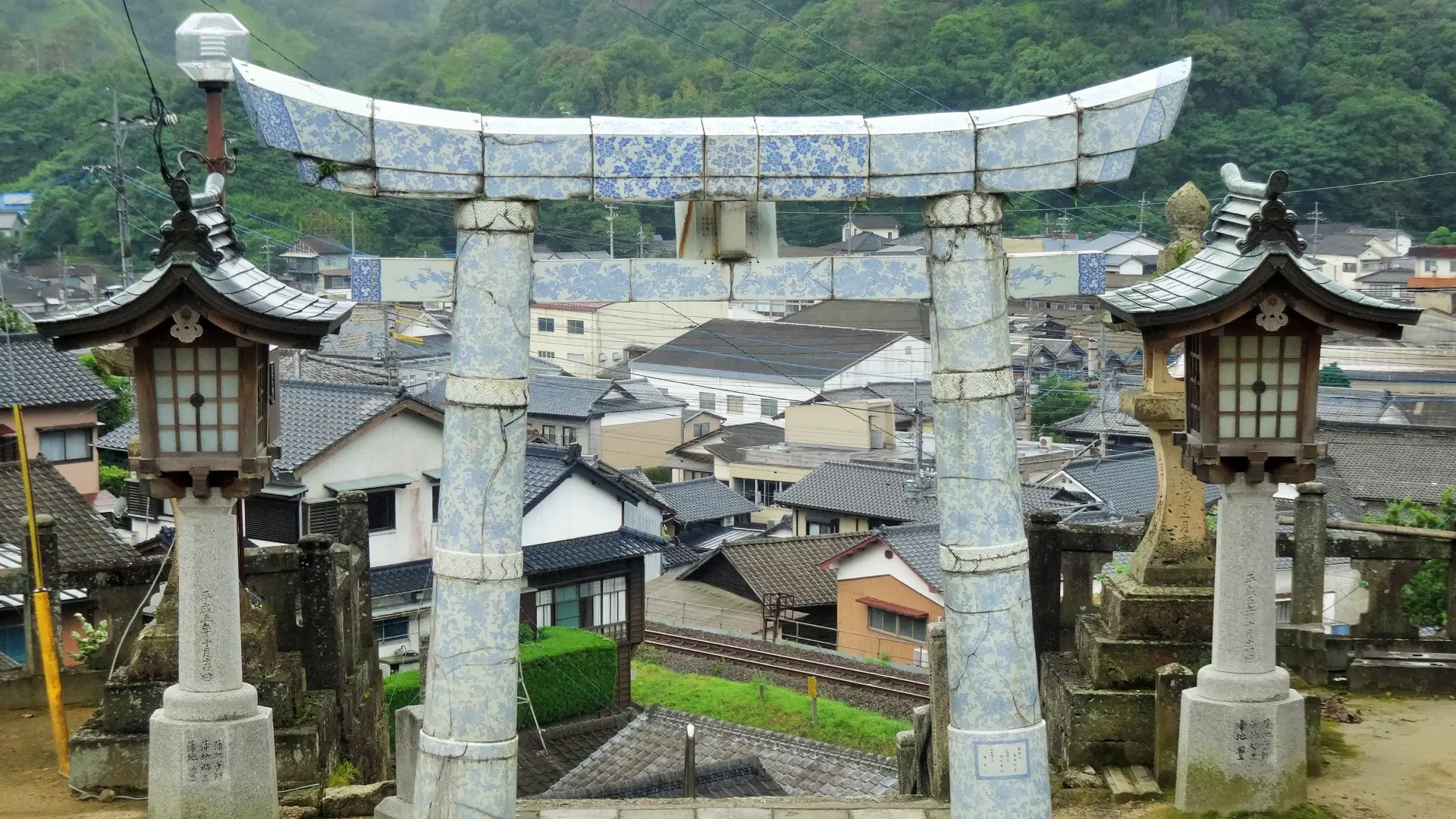
The setting contributes immeasurably to the experience. Takeo Shrine, with its enormous camphor tree and its forested hillside, provides a stage whose natural beauty and spiritual weight elevate even the simplest ceremony. The proximity of the onsen, with its vermilion Romon Gate and its centuries-old bathhouses, ensures that the festival experience is inseparable from the bathing culture that defines the town. An autumn day in Takeo, moving between the shrine festival and the hot spring bath, achieves a completeness that more elaborate itineraries often seek but rarely find.
The Takeo Onsen Autumn Festival is a celebration that reveals the intimate relationship between a small onsen town and the shrine at its spiritual center.
History & Significance
The autumn festival at Takeo Shrine has been observed for centuries, its origins rooted in the agricultural calendar that governed life in the Saga Plain before industrialization transformed the regional economy. The harvest thanksgiving at the core of the festival connects to the broader Shinto tradition of niiname-sai, the ritual offering of the first rice of the season to the shrine deity, and this agricultural foundation persists in the festival's autumn timing and its emphasis on gratitude and renewal.
The specific forms of the festival, including the procession of mikoshi portable shrines, the lion dances, and the folk performances that punctuate the observance, evolved during the Edo period, when the patronage of the Takeo domain lords provided the resources and the organizational framework for a celebration of increasing elaboration. The Meiji restoration and the subsequent modernization of Japanese society altered the festival's context without fundamentally changing its character, and the postwar period saw a renewed commitment to the preservation of the folk traditions that the festival embodies.
The great camphor tree, whose presence dominates the shrine precinct and whose age exceeds that of any human institution in the vicinity, serves as a living symbol of the continuity that the festival celebrates. The tree has witnessed every iteration of the autumn observance across three millennia, and its continued vitality provides a tangible connection to the natural cycles that the festival honors.
What to Expect
The festival unfolds across several days in October, with the principal events concentrated around the shrine and its immediate surroundings. The procession of mikoshi, portable shrines carried on the shoulders of teams of young men and women, moves through the streets of the town in a route that connects the shrine to the commercial and residential districts, blessing the community along the way. The carriers' chanting, the rhythmic bounce of the mikoshi on their shoulders, and the encouragement of the spectators lining the route create an atmosphere of collective purpose that is simultaneously solemn and joyful.
The lion dances and folk performances that take place within the shrine grounds demonstrate regional performing traditions that have been maintained by the community across generations. The performers, who range from elderly masters of the tradition to children learning their parts for the first time, embody the intergenerational transfer of cultural knowledge that is the festival's most important, if least visible, function. The dances are not polished stage productions but living traditions, and their occasional roughness and spontaneity are part of their charm.
The food stalls that appear around the shrine and along the approach road offer seasonal specialties and festival fare, and the combination of cool autumn air, warm food, and the communal atmosphere of the festival creates the particular comfort that Japanese matsuri achieve at their best. The proximity of the onsen to the shrine allows visitors to conclude the festival day with a bath, the warmth of the water providing the physical counterpart to the spiritual warmth of the celebration.