Fukuoka
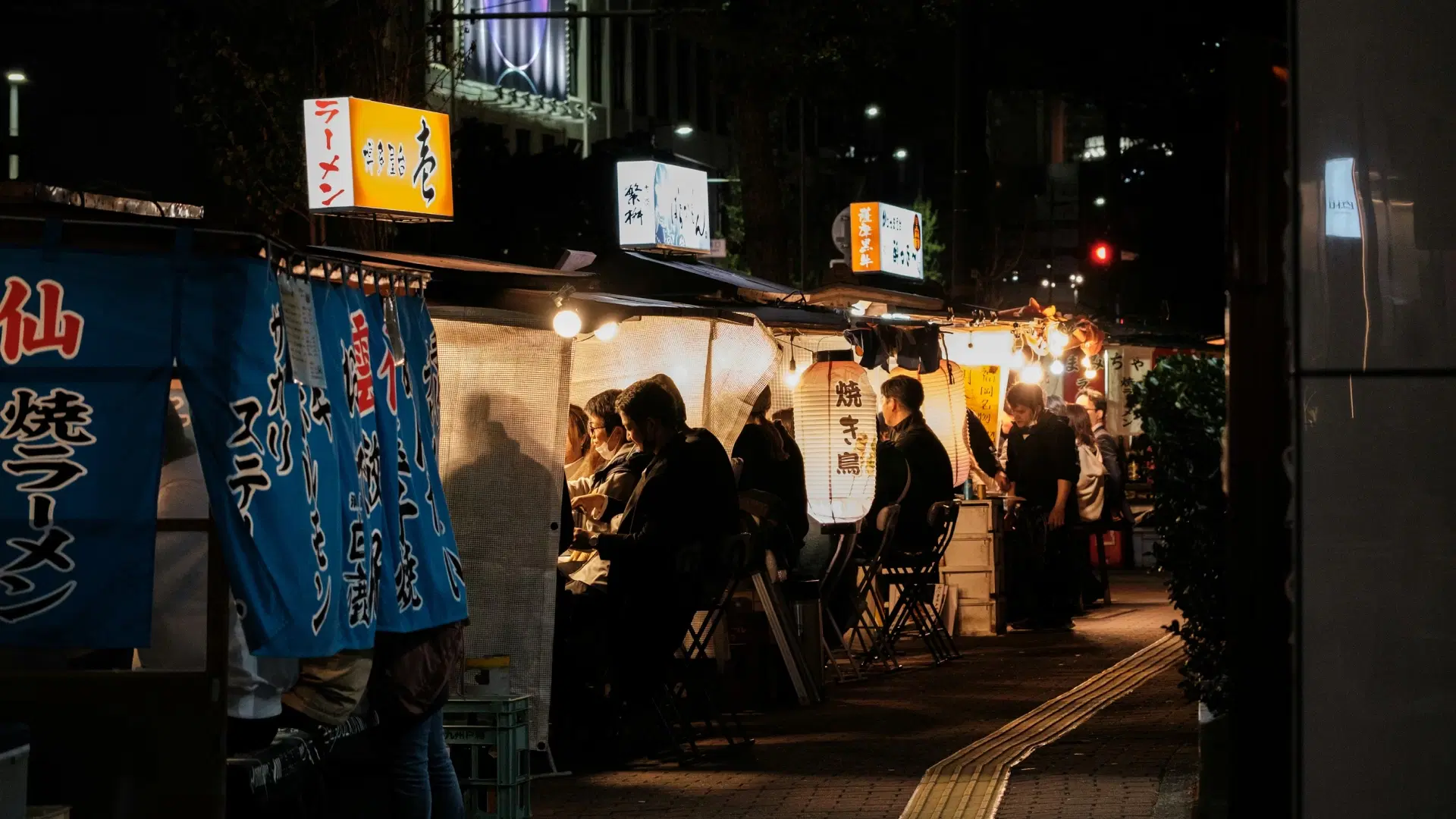
福岡県Fukuoka is the threshold of Kyushu, a city that has perfected the art of arrival. Its position on Hakata Bay has shaped centuries of exchange with the Asian continent, and the energy of that openness still pulses through the streets. This is not a city of quiet contemplation; it is a city of appetite, conversation, and forward motion. The canal district of Nakasu glows after dark with the lanterns of yatai street stalls, each one a tiny theater of sizzling ramen and shochu poured between strangers turned companions.
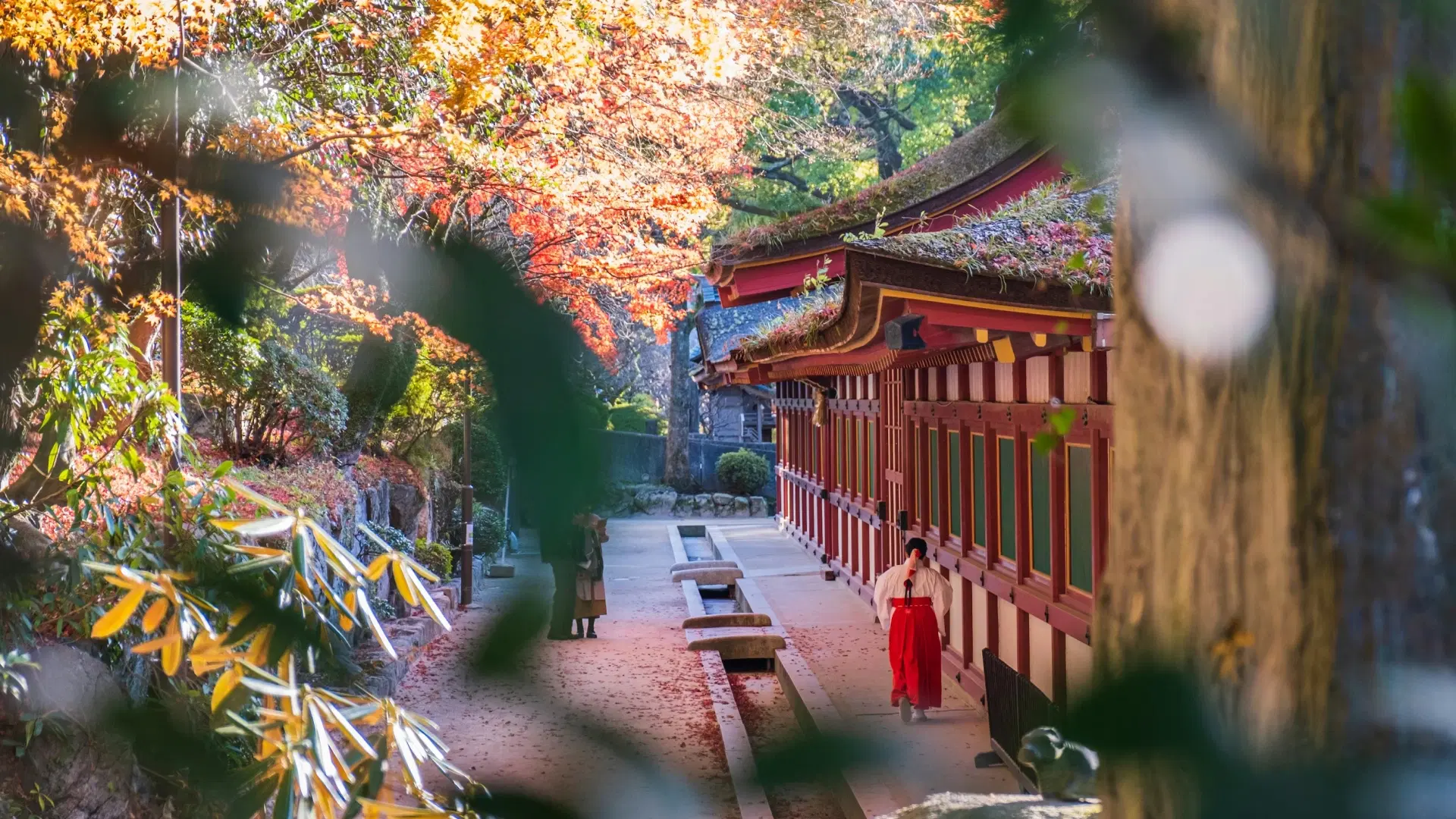
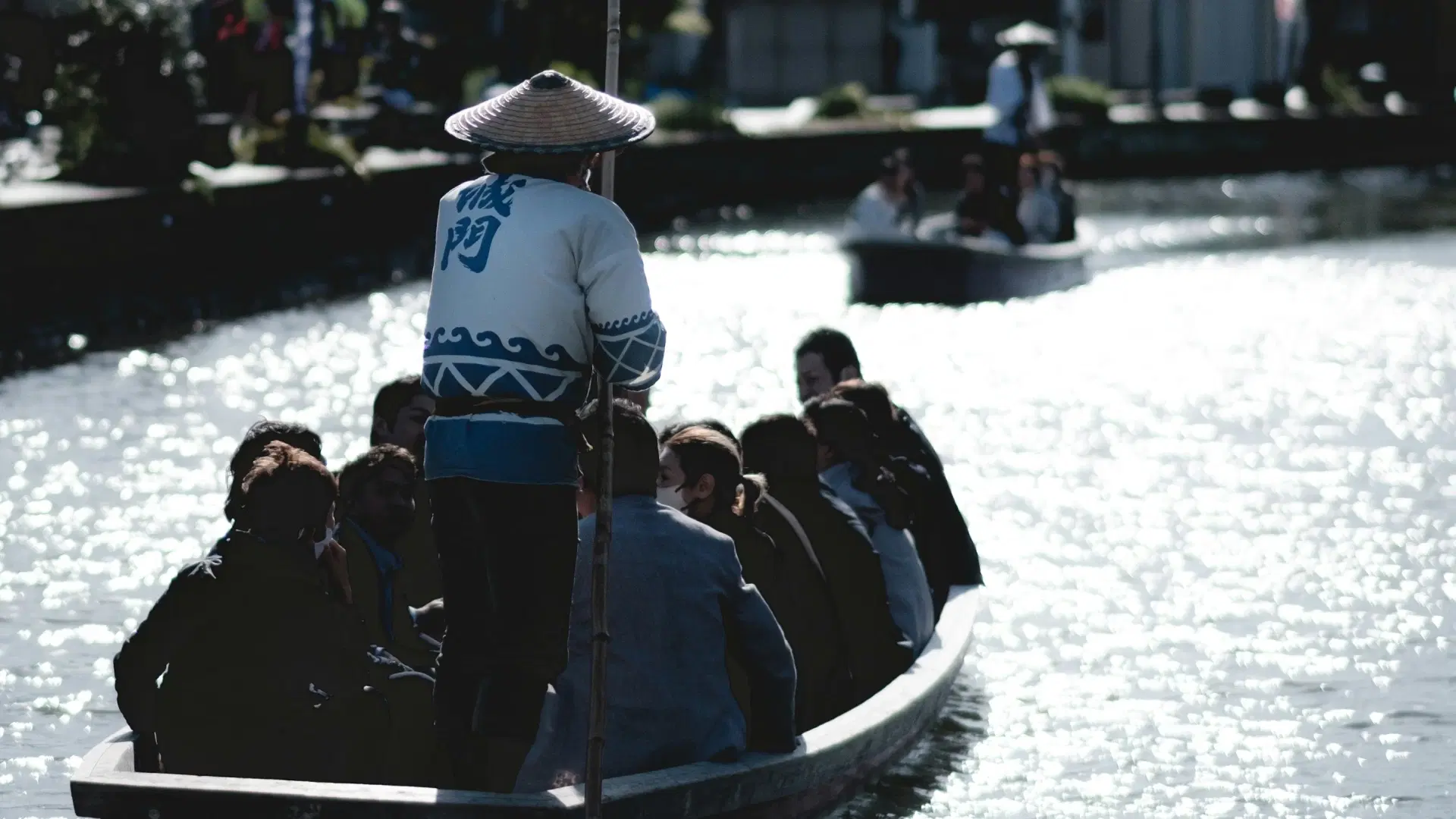
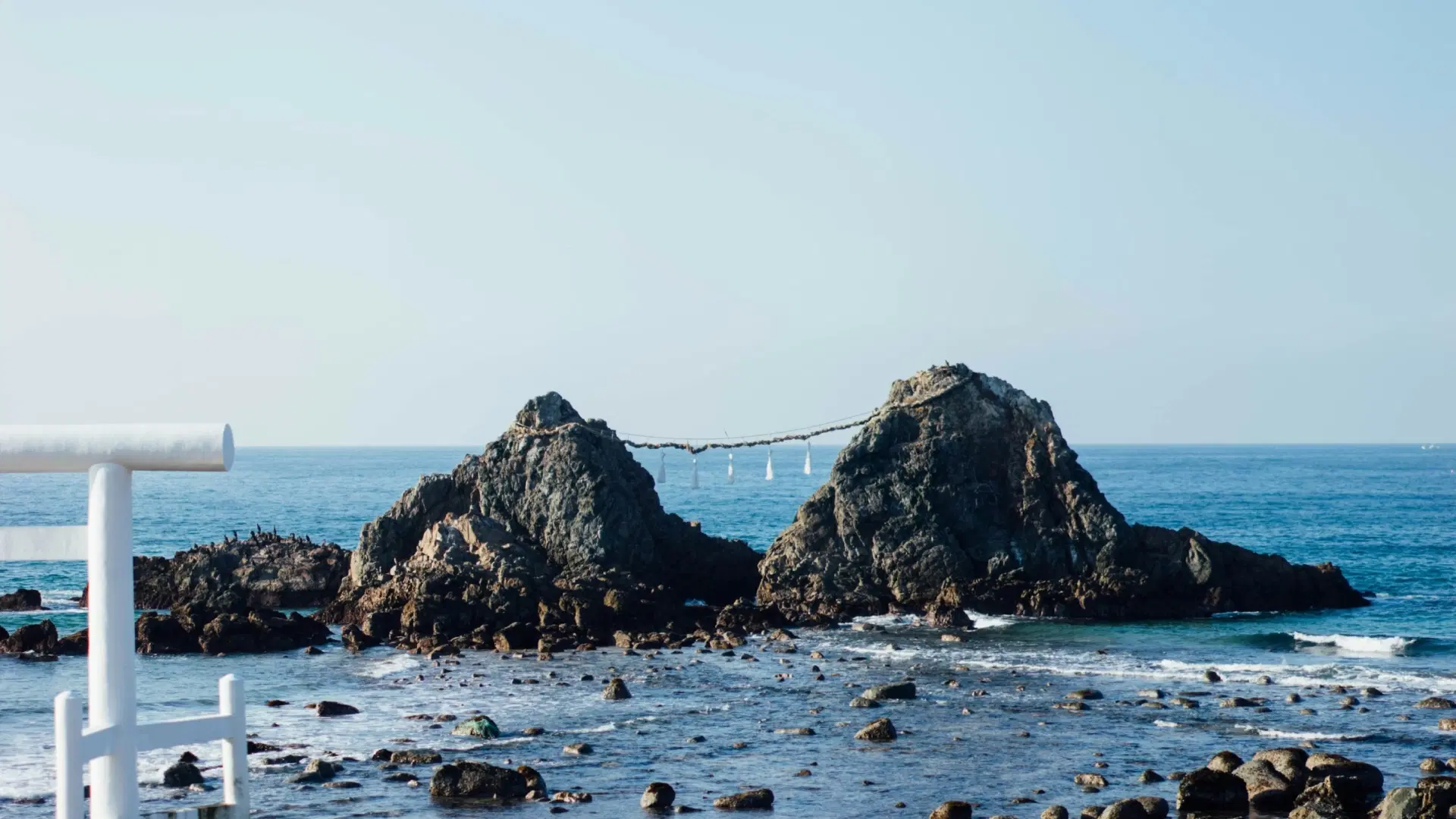
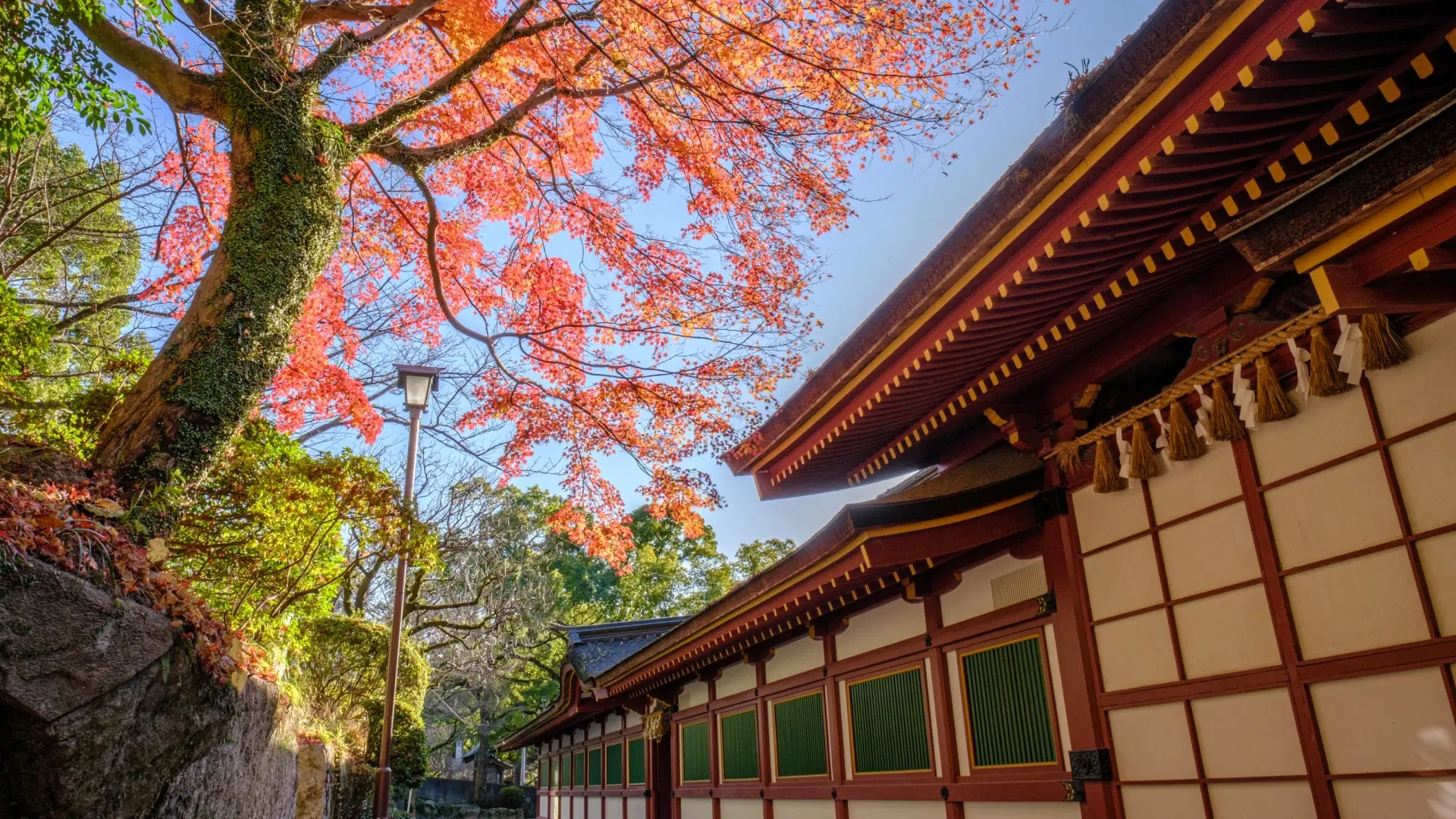
Beyond the urban hum, the prefecture reveals a gentler register. Dazaifu, twenty minutes south by train, holds Tenmangu shrine in a grove of plum trees that have drawn poets and pilgrims since the ninth century. The waterways of Yanagawa wind through a town that time has softened rather than abandoned, its punted boats gliding beneath wisteria and willow. To the west, the Itoshima coast offers salt-white beaches and ceramic studios tucked into fishing villages.
Fukuoka is Kyushu distilled into a single point of entry: the warmth, the directness, the culinary obsession, the easy coexistence of shrine and skyscraper. It is a city that feeds you first and asks questions later.
Fukuoka is the threshold of Kyushu, a city that has perfected the art of arrival.
Cultural Identity
Hakata culture runs deep beneath Fukuoka's modern surface. The Hakata Gion Yamakasa festival, held each July, is one of Japan's most visceral spectacles: teams of men in loincloths sprint through the streets carrying one-ton floats, a tradition stretching back to the thirteenth century. The district's textile legacy lives on in Hakata-ori silk weaving, a craft once reserved for shogunal tribute. Dazaifu Tenmangu, dedicated to the deified scholar Sugawara no Michizane, remains the nation's foremost shrine of learning, its grounds blanketed in plum blossoms each February. The city's proximity to Korea and China has woven a cosmopolitan thread through its identity, visible in everything from its cuisine to its contemporary art scene at Fukuoka Asian Art Museum.
Culinary Traditions
Fukuoka's culinary identity begins and ends at the ramen bowl. Hakata ramen, with its milky tonkotsu broth simmered for hours from pork bones, is served with thin, firm noodles and a system of richness levels that regulars calibrate with precision. The yatai stalls lining Nakasu and Tenjin offer this alongside grilled offal, gyoza, and oden in an atmosphere impossible to replicate indoors. Mentaiko, spicy marinated pollock roe, is the city's signature souvenir, folded into onigiri, spread on toast, or eaten alongside rice. Mizutaki hot pot, a collagen-rich chicken broth, is Hakata's gentler contribution to the table, while fresh squid from Genkai Sea arrives so translucent it borders on the ethereal.
Waters & Onsen
Fukuoka Prefecture is not traditionally counted among Japan's great onsen destinations, yet it holds quiet rewards for those who look. Futsukaichi Onsen, a compact hot-spring town south of Fukuoka city, has welcomed bathers since the eighth century with its radium-rich alkaline waters. Harazuru Onsen, set along the Chikugo River in the Asakura area, offers sulfur-tinged springs surrounded by cherry trees. The waters here tend toward the simple chloride and bicarbonate varieties, gentle on the skin and known for their warming, restorative qualities. For travelers passing through Fukuoka en route to the volcanic springs of deeper Kyushu, these modest baths serve as a fitting prologue.