Hojoya Festival
放生会The Hojoya Festival at Hakozaki Shrine is Fukuoka's great autumn gathering, a weeklong celebration that draws more than a million visitors to one of Japan's most historic Shinto institutions. The festival's name, meaning "ceremony of releasing living things," reflects its Buddhist-influenced origins as a ritual of compassion in which captured animals were freed as an act of spiritual merit. Over the centuries, this solemn observance has expanded into one of Kyushu's largest and most colorful festivals, the religious core surrounded by a vast night market whose energy, variety, and sheer sensory abundance make it one of the great popular entertainments of the Japanese autumn.
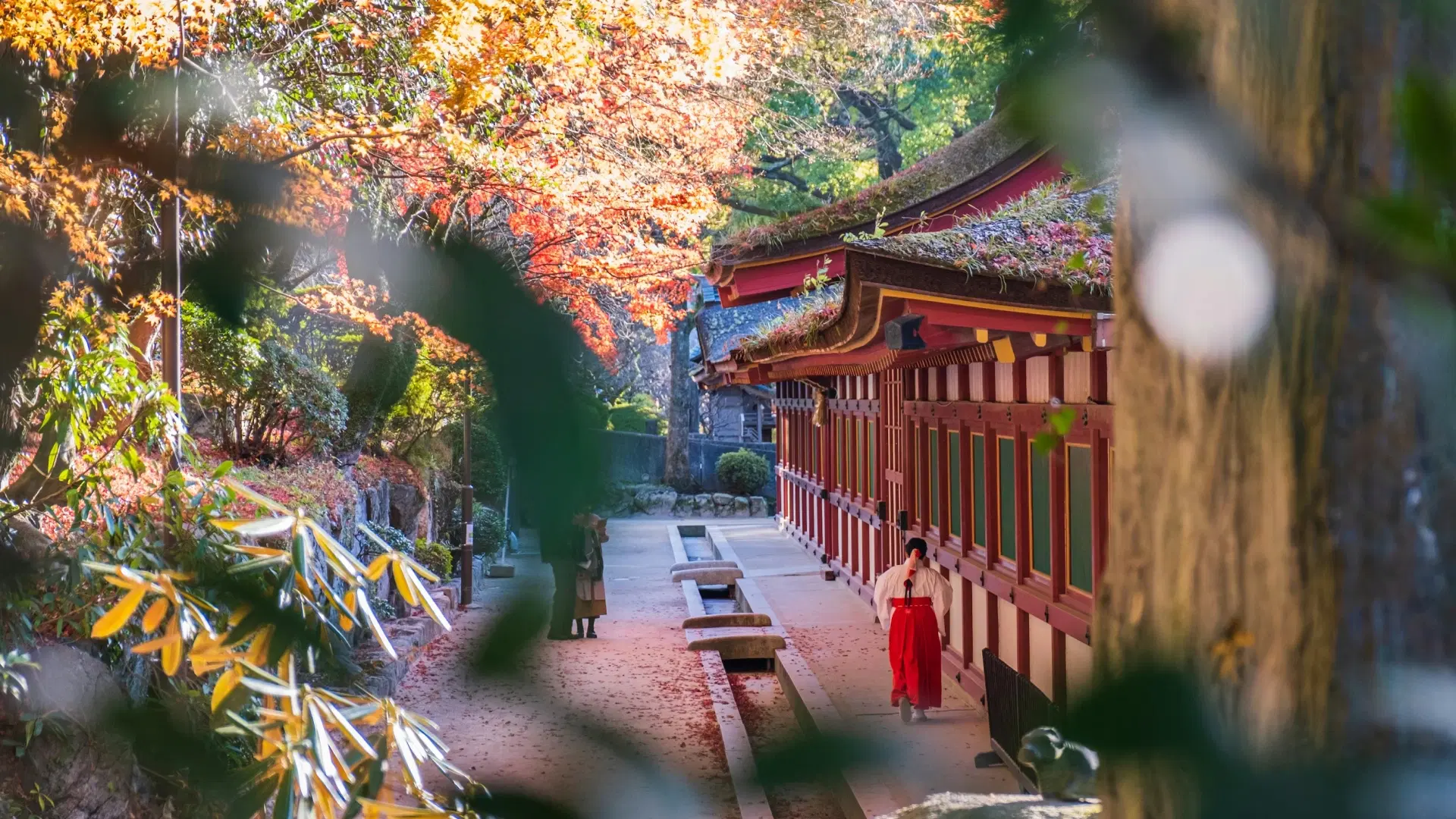
Hakozaki Shrine, one of the three major Hachiman shrines in Japan, provides the spiritual anchor for the celebration. The shrine's history stretches back to the ninth century, and its association with the god Hachiman, the deity of war and protector of the nation, gave it particular significance during the Mongol invasions of the thirteenth century, when prayers offered at Hakozaki were credited with summoning the typhoons that destroyed the invading fleets. This martial history exists in productive tension with the Hojoya's message of compassion and the release of living things, a paradox that Japanese religious practice resolves not through logic but through the layered coexistence of seemingly contradictory impulses.
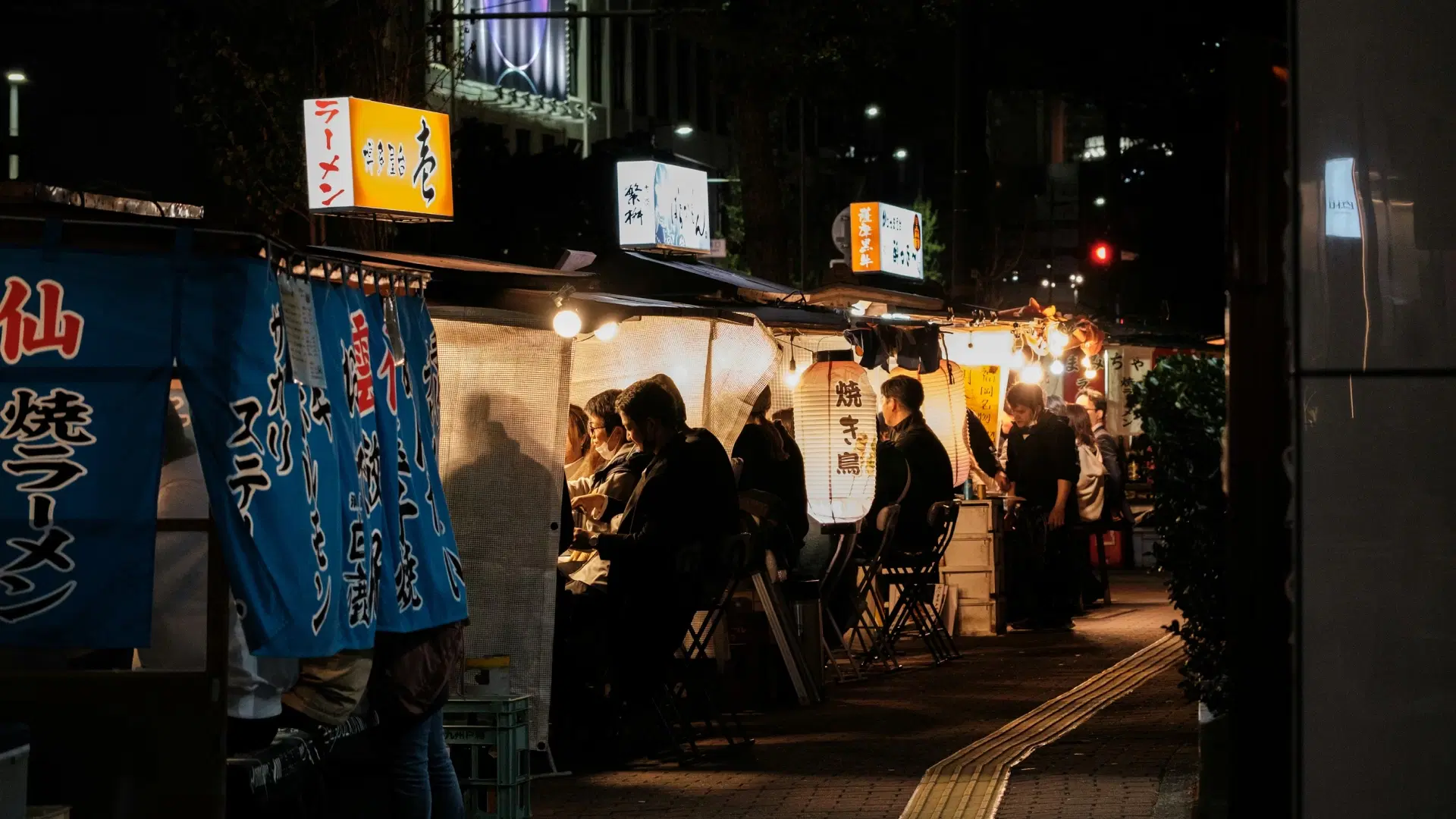
The approach to the shrine during the festival is transformed by approximately seven hundred stalls that line the sando, the avenue connecting the main road to the shrine gate. This corridor of food, games, novelties, and traditional crafts extends for nearly a kilometer and creates an atmosphere that is simultaneously sacred and profane, the spiritual purpose of the pilgrimage threaded through an environment of carnival abundance. The journey from one end to the other is an experience in itself, each stall offering its own small encounter with flavor, skill, or visual delight.
The Hojoya Festival at Hakozaki Shrine is Fukuoka's great autumn gathering, a weeklong celebration that draws more than a million visitors to one of Japan's most historic Shinto institutions.
History & Significance
The Hojoya tradition at Hakozaki Shrine dates to the Heian period, when the practice of releasing captive animals as a Buddhist act of merit was adopted by Shinto institutions throughout Japan. The ceremony reflected the syncretic religious culture of medieval Japan, in which Buddhist and Shinto practices coexisted and interpenetrated within the same sacred spaces. The formal Hojoya at Hakozaki was established in the late tenth century and has been observed without interruption for over a thousand years, making it one of the oldest continuously practiced festival traditions in Kyushu.
The expansion of the festival from a purely religious observance to a popular celebration with a large night market occurred gradually during the Edo period, as the shrine's significance as a community institution grew and the surrounding commercial district developed. The stalls that now line the approach road evolved from the modest offerings of local merchants to the elaborate night market that exists today, and the festival's role as a commercial and social event became as important to the community's annual rhythm as its religious functions.
The postwar revival of the Hojoya maintained the essential structure of the Edo-period celebration while accommodating the changed demographics and expectations of the modern city. The festival's seven-day duration, longer than most Japanese matsuri, reflects the depth of its integration into the community calendar and the scale of the commercial activity it supports.
What to Expect
The sando, the long approach road to Hakozaki Shrine, becomes during the Hojoya a corridor of sensory stimulation that engages every faculty simultaneously. Food stalls offer grilled squid, yakitori, okonomiyaki, takoyaki, cotton candy, and candied fruit alongside regional specialties and contemporary festival foods. Game stalls offer ring toss, shooting galleries, goldfish scooping, and the super ball fishing that has become a festival staple. Traditional craft stalls sell the chanbara, colorful glass whistles shaped like animals and musical instruments that produce a delicate, tinkling sound when blown, and that have become the festival's most distinctive souvenir. The chanbara are unique to the Hojoya, produced by local artisans specifically for the festival, and their fragile beauty and ephemeral sound embody the transient pleasures that Japanese festival culture celebrates.
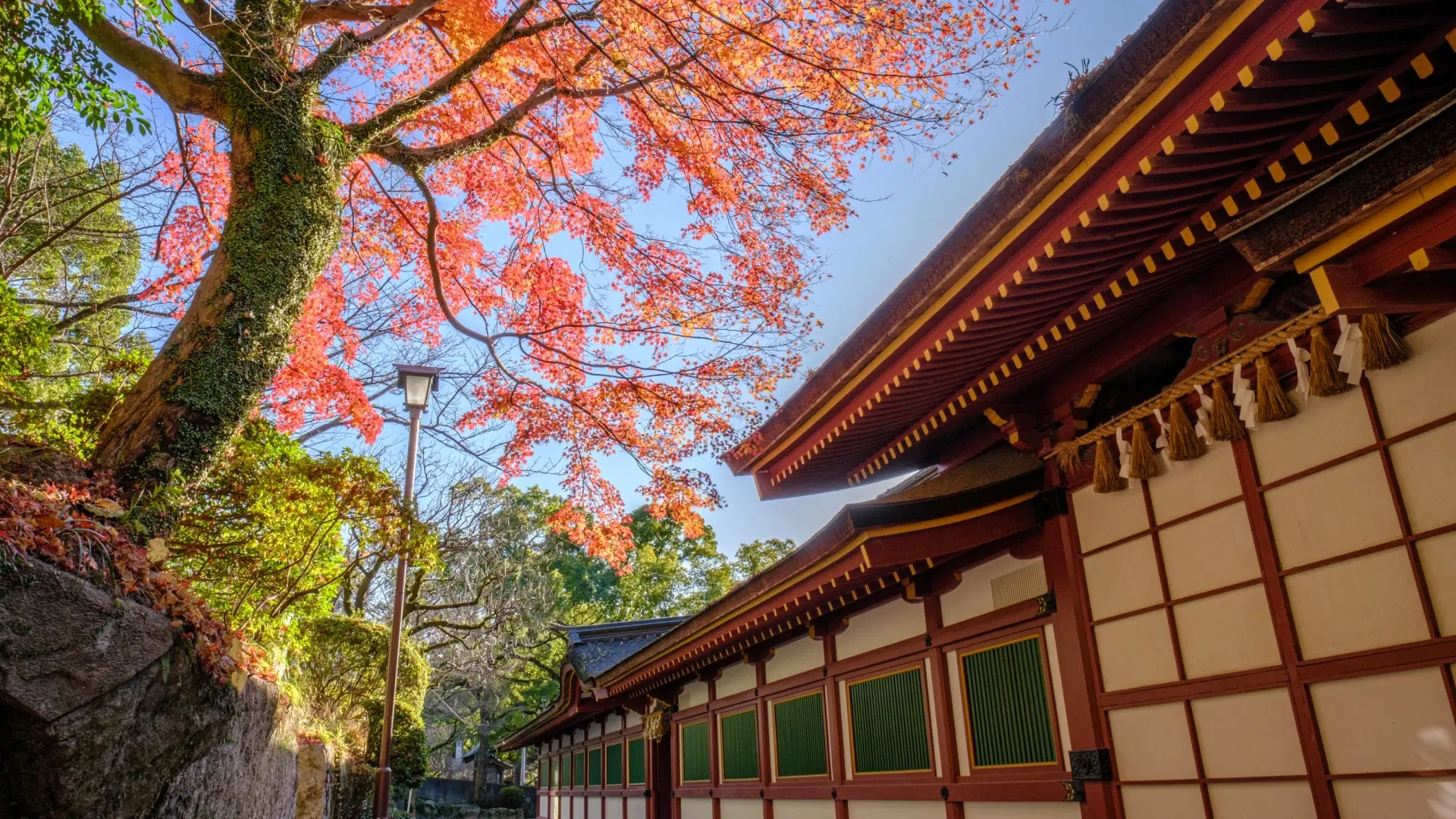
The shrine itself, at the far end of the sando, provides the spiritual anchor that gives the market its context. The main hall, a structure of considerable antiquity and architectural refinement, receives a steady stream of worshippers throughout the festival, and the contrast between the stillness of the shrine precincts and the noise of the market just beyond the gate sharpens the awareness of both experiences. The formal Hojoya ceremony, in which birds or fish are ceremonially released, takes place on specific days within the festival period and provides the most direct connection to the festival's original purpose.
Evening is the Hojoya's natural element. The stalls illuminate at dusk, their lanterns and electric lights creating a warm, amber corridor against the darkening sky, and the crowds, released from the heat of the September day, fill the sando with an energy that peaks around nine in the evening. The combination of food, light, music, and the press of fellow celebrants creates an atmosphere of convivial intensity that is one of the great pleasures of the Japanese festival calendar.