Miyazaki
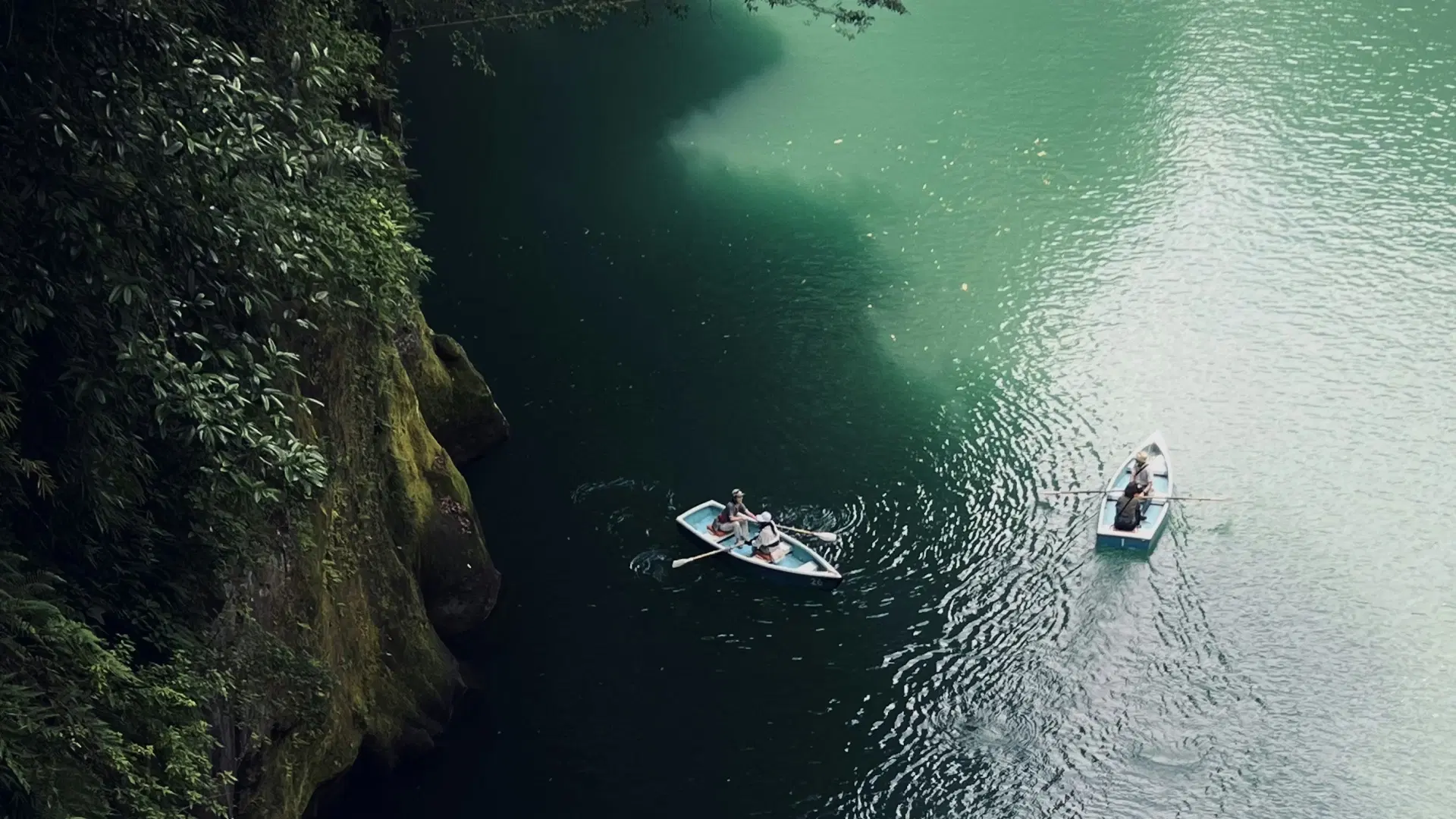
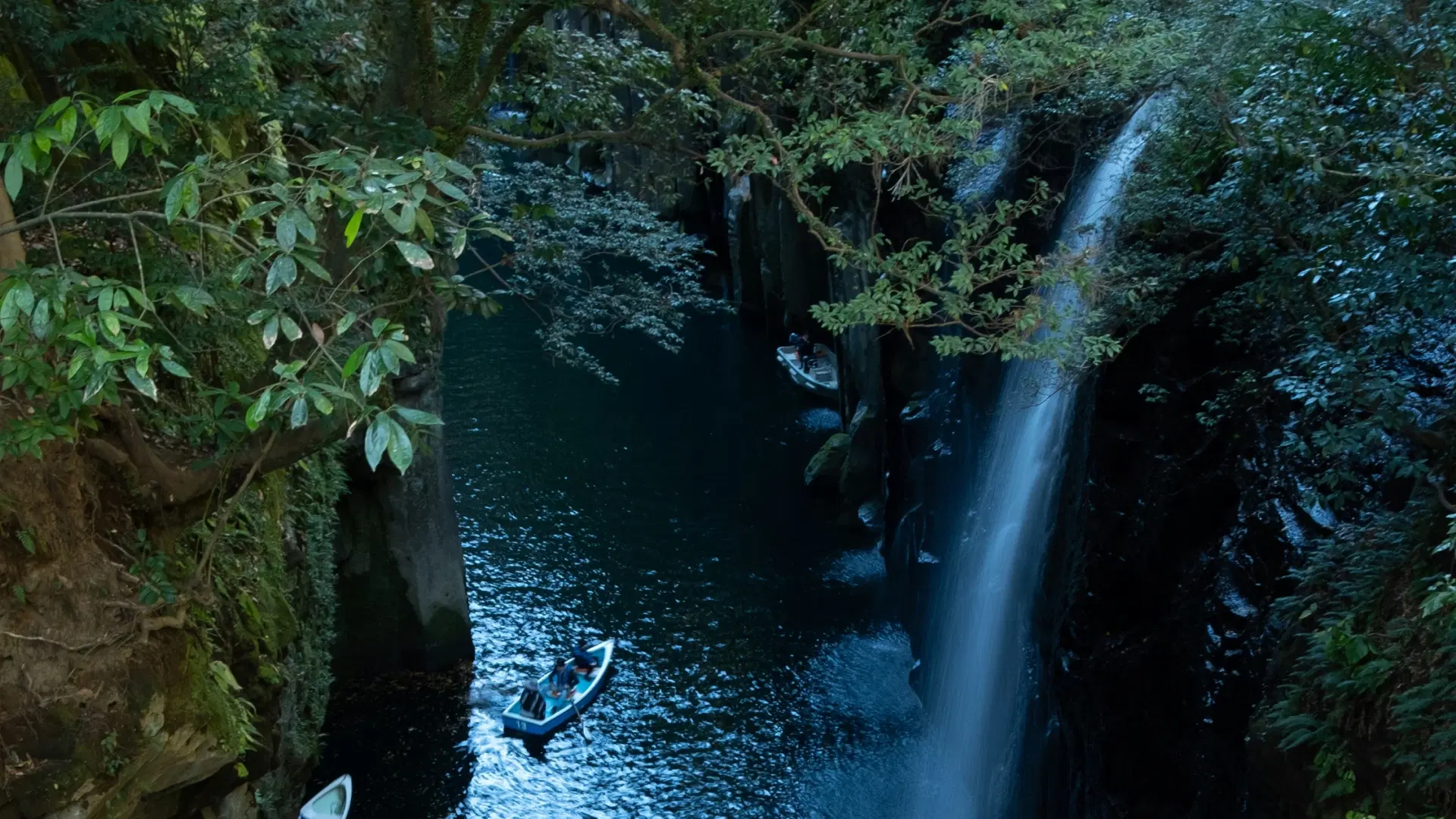
宮崎県Miyazaki is where Japan's mythology begins. According to the Kojiki, the nation's oldest chronicle, the gods descended to earth at Takachiho, a mountain village in the prefecture's northern highlands where the Gokase River has cut a gorge of luminous blue-green water through columnar basalt. Amaterasu, the sun goddess, hid in a cave here, and the gorge's silence still carries something of that primordial darkness and light. It is a landscape that feels not merely old but originary, as though the stories grew from the rock itself.
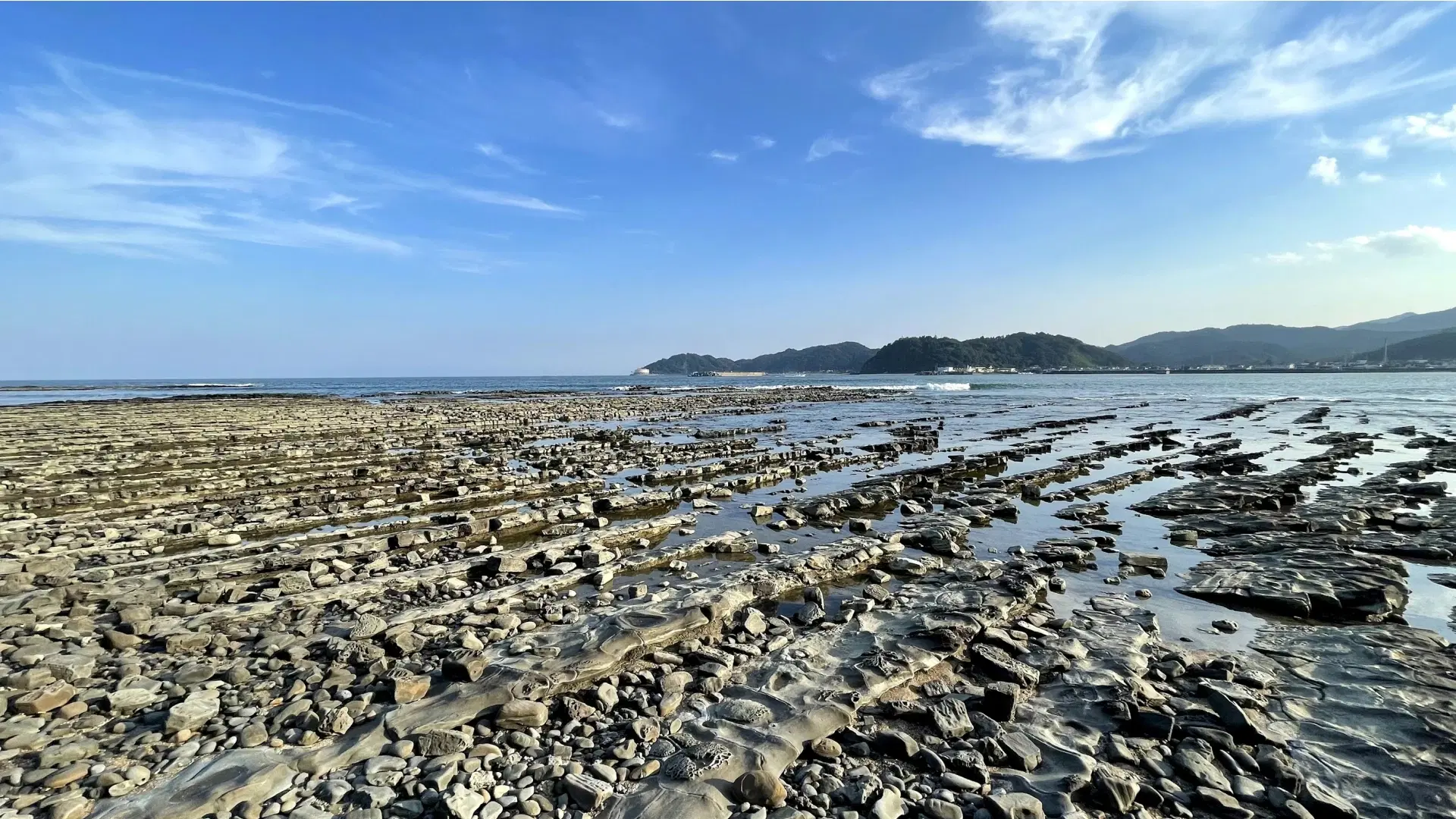
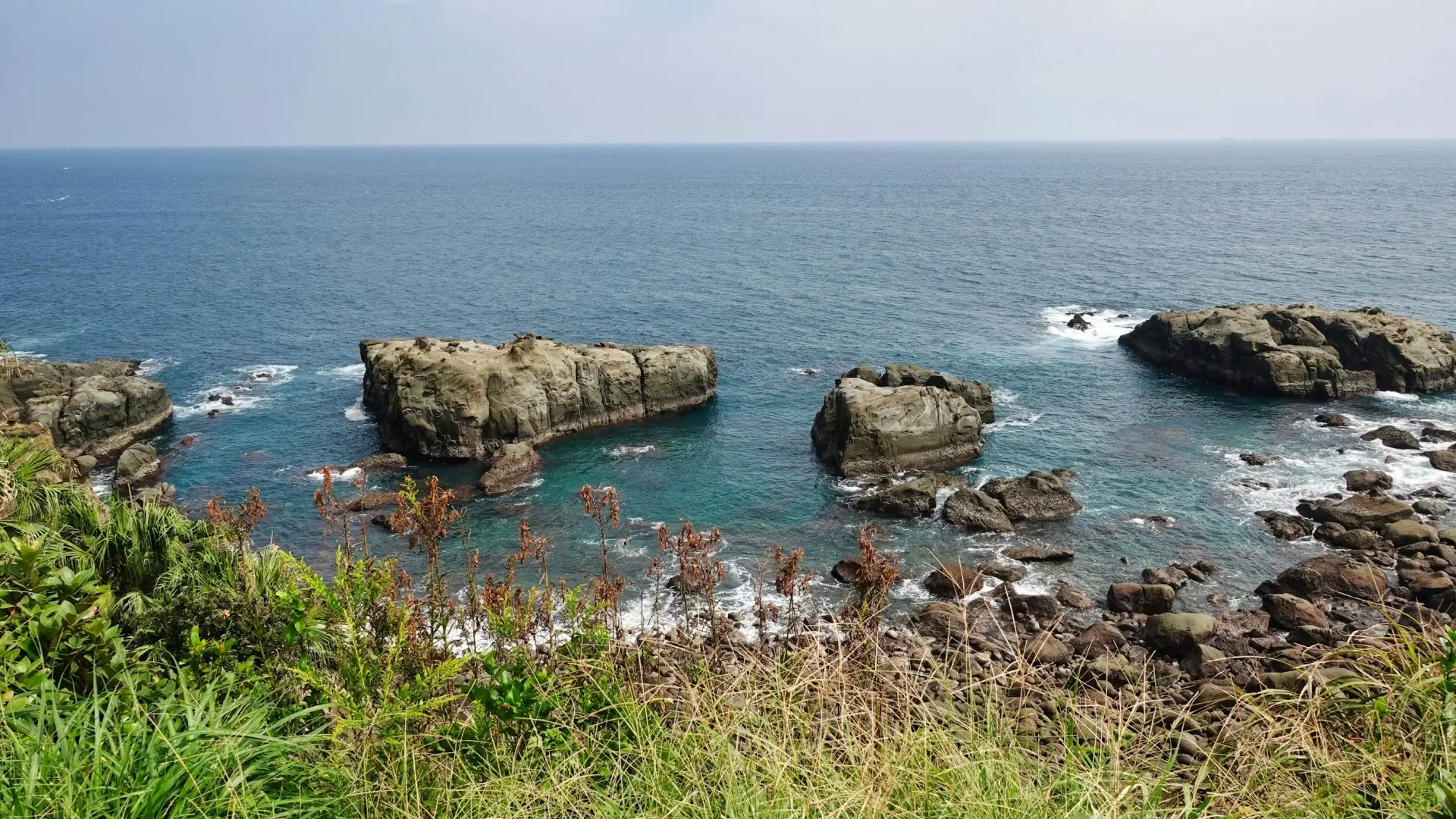
South along the coast, Miyazaki shifts register entirely. The subtropical Nichinan Coast unfurls in a sequence of wave-sculpted sandstone, seaside shrines, and wild palm groves that have earned the prefecture comparisons to Southeast Asia rather than the rest of Japan. Aoshima, a tiny island ringed by the strange washboard formations called "devil's washboard," holds a vermillion shrine nearly swallowed by jungle. The surf breaks at Kisakihama and Okuragahama draw riders from across Asia, and the climate is generous enough to grow mangoes, lychees, and kumquats in open air.
Miyazaki city itself is sunny and unhurried, a prefectural capital that moves at the pace of its river and its long, warm evenings. This is a prefecture that invites you to recalibrate your sense of Japan, to set aside the spare monochrome of Kyoto and discover a wilder, warmer, more ancient story.
Miyazaki is where Japan's mythology begins.
Cultural Identity
Miyazaki's cultural identity is rooted in Japan's creation mythology. Takachiho is considered the site where Ninigi-no-Mikoto, grandson of the sun goddess Amaterasu, descended to earth, and the Takachiho Shrine's nightly yokagura performances reenact these myths through masked dance, preserving a ritual tradition that stretches back centuries. Amano Iwato Shrine marks the cave where Amaterasu withdrew from the world, plunging it into darkness. Udo Shrine, perched in a sea cave along the Nichinan Coast, is dedicated to the mythological father of Japan's first emperor and remains a site of fervent prayer for fertility and safe childbirth. The prefecture's relative isolation has preserved folk traditions that have faded elsewhere, including the haniwa clay figure tradition evoked at the Heiwadai Park's tower, built from stones donated by nations worldwide.
Culinary Traditions
Miyazaki's food culture rides on sunshine and abundance. Chicken nanban, deep-fried chicken dressed in vinegar-soy sauce and crowned with a generous spoonful of tartar sauce, was invented here in the 1960s and has since conquered the nation, though nowhere is it made with the same casual authority as in its birthplace. Charcoal-grilled jidori chicken, a free-range local breed prized for its firm texture, is the prefecture's other poultry contribution, served as tataki with a scattering of sea salt and yuzu. Miyazaki mango, branded "Taiyo no Tamago" (Egg of the Sun), is one of Japan's most coveted fruits, its flesh dense, sweet, and intensely aromatic. The Nichinan Coast supplies superb bonito and flying fish, while cold somen noodles served in chilled broth provide relief during the long, warm summers.
Waters & Onsen
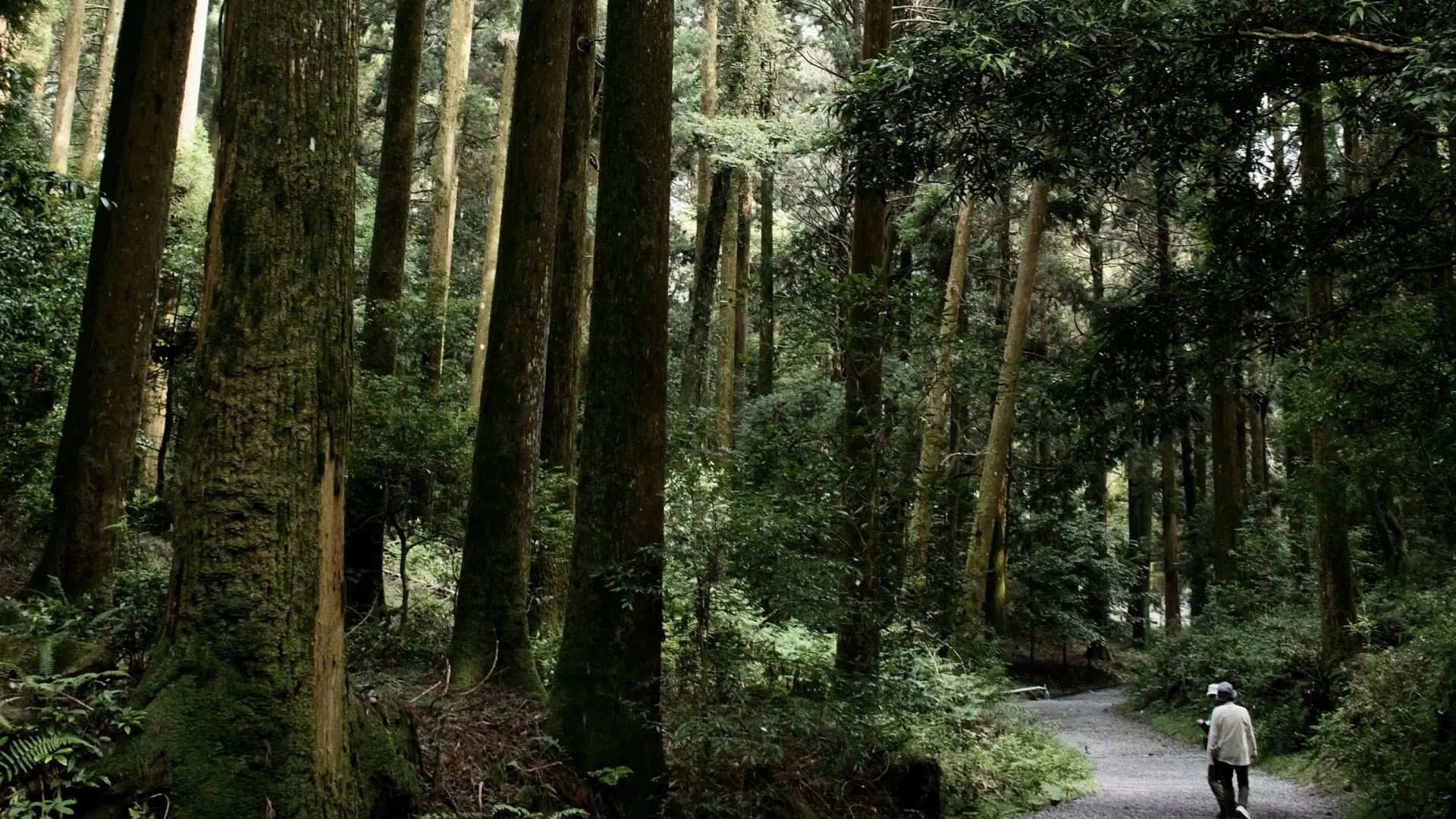
Miyazaki's onsen offerings are modest compared to its volcanic neighbors, but carry a character shaped by the prefecture's subtropical warmth and coastal setting. Kirishima Onsen, shared with Kagoshima Prefecture along the volcanic Kirishima range, provides sulfurous, mineral-dense waters set among forests of cedar and pine at elevation. Aoshima Onsen, near the coast, draws visitors with sodium bicarbonate springs and the novelty of bathing within sight of the Pacific. Saito and Takaharu onsen, scattered through the interior highlands, tend toward simple alkaline waters that complement the region's rural quiet. Miyazaki's thermal culture is less about grand bathing complexes and more about small, locally cherished baths where the water is hot, the view is green, and the pace is unhurried.