Miyazaki Jingu Grand Festival
宮崎神宮大祭The Miyazaki Jingu Grand Festival is southern Kyushu's most elaborate Shinto procession, a two-day celebration that honors Emperor Jimmu, the mythological first emperor of Japan, with a pageant of costumed marchers, portable shrines, and ceremonial music that winds through the city streets from the shrine's forested precinct to the modern commercial center and back. Known locally as the Jinmu-sama Festival, it draws the city into a collective performance of its foundational myth, the legendary eastward journey of Japan's founding sovereign from this Pacific coast to the establishment of the imperial seat in Yamato.
The festival's character is distinctly processional rather than stationary, its energy flowing through the streets like a river of color and sound. The Shinko procession, in which participants dressed in Heian-period court costumes escort the divine palanquin through the city, creates a spectacle that is simultaneously historical reenactment and living ceremony, the elaborate garments and ritualized movements connecting contemporary Miyazaki to the mythological origins of Japanese sovereignty. The procession's passage through neighborhoods transforms ordinary streets into ceremonial corridors, the watching crowds parting and bowing as the divine palanquin passes.
For the traveler, the festival offers a window into the particular fusion of mythology, civic pride, and Shinto practice that defines Miyazaki's cultural identity. The city's claim to imperial mythological significance is taken seriously by its residents, not as political ideology but as a form of local heritage that connects the modern city to a narrative of cosmic scope.
History & Significance
Miyazaki Jingu has been a center of Jimmu worship since ancient times, the shrine's traditional founding date placing it among the oldest religious sites in Kyushu. The Grand Festival in its current form dates to the Meiji period, when the national government elevated shrines associated with the imperial line and standardized their festival calendars. However, the tradition of processing the shrine's deity through the city has much older roots, drawing on the common Japanese practice of carrying the kami through the territory they are understood to protect, a ritual renewal of the bond between divine patron and human community.
The festival's scale expanded during the prewar period, when state Shinto ideology invested sites associated with the Jimmu myth with intensified national significance. The postwar period required a recalibration of the festival's meaning, shifting from nationalist ceremony to community cultural event without losing the religious depth that gives the procession its gravity. Contemporary Miyazaki has achieved this balance with notable success, the festival functioning as both civic celebration and genuine religious observance, its participants including devout Shinto worshippers, cultural preservation enthusiasts, and families for whom the festival is simply part of the city's annual rhythm.
What to Expect
The Shinko procession is the festival's visual centerpiece, a column of several hundred participants dressed in the layered silk robes, tall black caps, and ceremonial accessories of the Heian-period court. The procession includes samurai in armor, court musicians playing gagaku on traditional instruments, shrine maidens performing ritual dances, and the mikoshi palanquins bearing the enshrined deity. The costumes, many of them maintained and repaired by volunteer groups who dedicate year-round effort to their preservation, achieve a level of historical accuracy and visual splendor that rivals the costumed processions of Kyoto's Jidai Matsuri.
The procession route passes through the city's main commercial streets, where the contrast between the Heian-period pageantry and the contemporary urban backdrop creates a characteristically Japanese juxtaposition of the ancient and the modern. Festival stalls line the streets along the route, selling local foods, crafts, and festival souvenirs. The evening events include traditional performing arts staged at the shrine and in the surrounding park, the performances continuing the day's celebration in a more intimate setting.
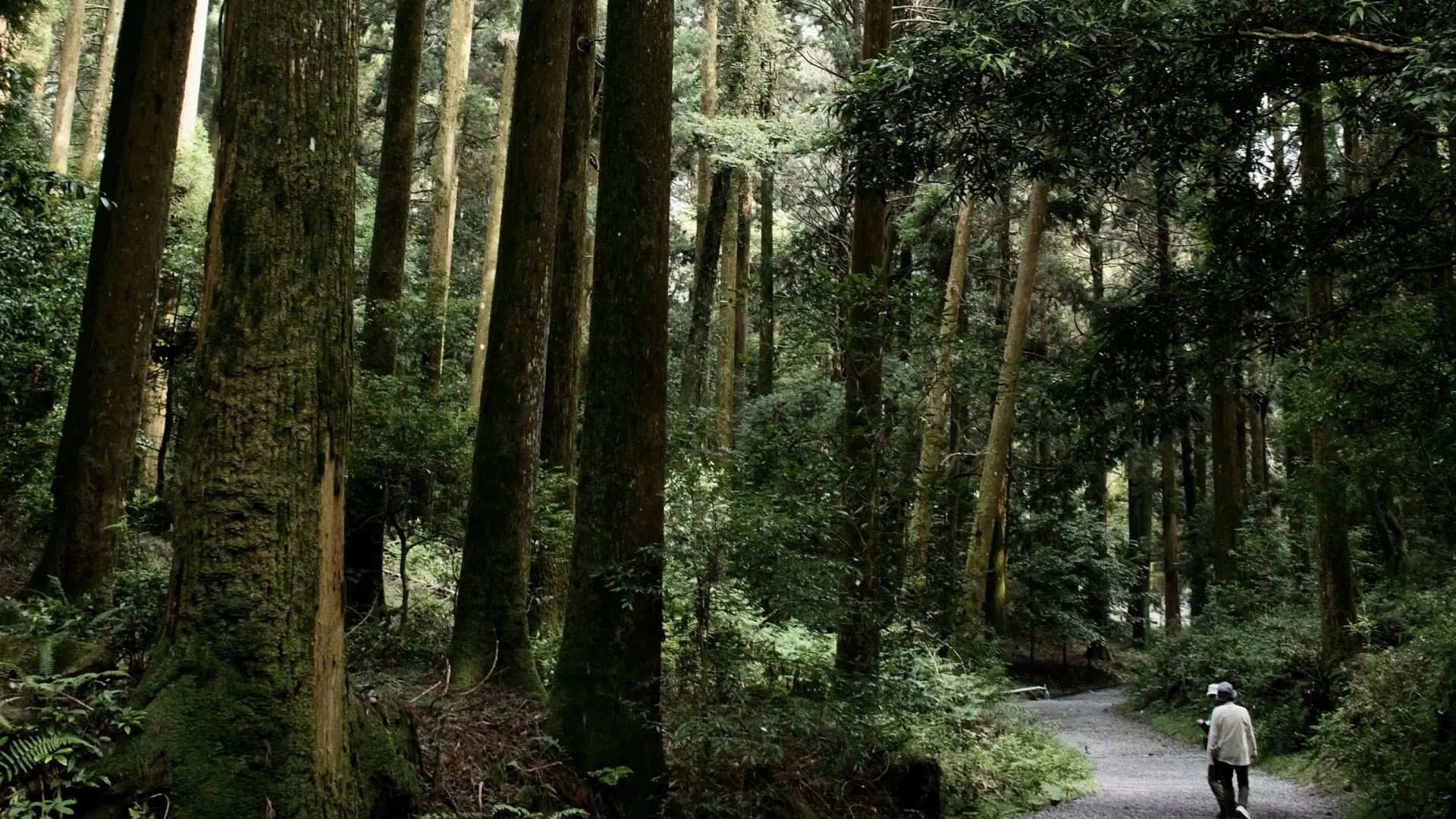
The shrine precinct itself, deep within its forest of ancient trees, provides a contemplative counterpoint to the festivity of the street procession. Special ceremonies conducted within the main hall are open to observation, the formal Shinto liturgy performed by the shrine's priests carrying a solemnity that reminds visitors that the festival's colorful procession emerges from and returns to a tradition of quiet, focused worship.