Oita
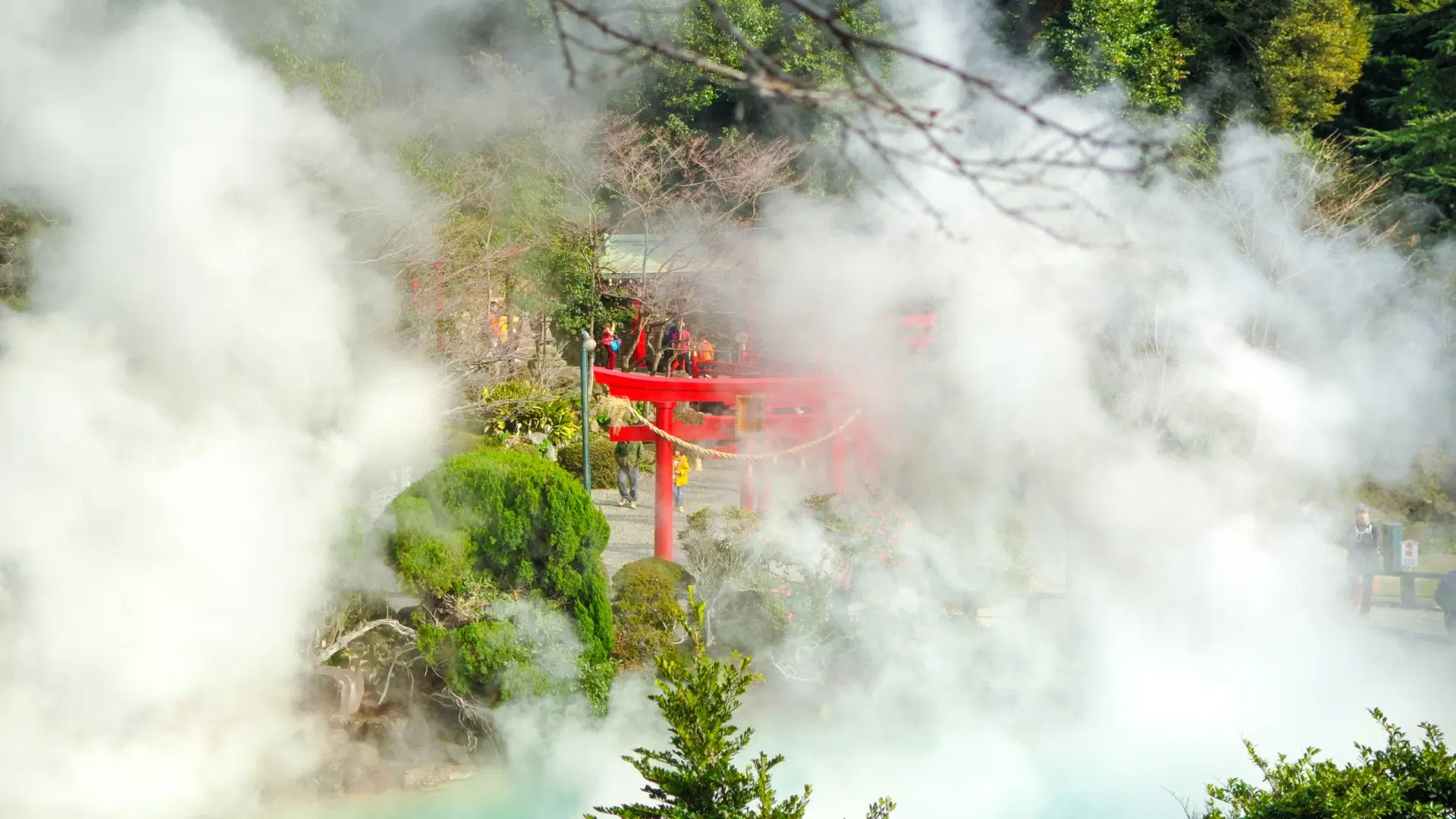
大分県Oita is Japan's undisputed capital of thermal water. The prefecture produces more hot-spring volume than any other in the country, and in Beppu, that abundance takes a form bordering on the surreal. Eight distinct hot-spring districts, collectively known as the Beppu Hatto, pump steam from every crack and gutter, and the city's famous "hells," pools of boiling water in cobalt blue, blood red, and milky white, draw visitors to witness the earth's interior laid bare. Sand baths along the coast bury bathers in naturally heated volcanic sand, a therapy found in only a handful of places worldwide.
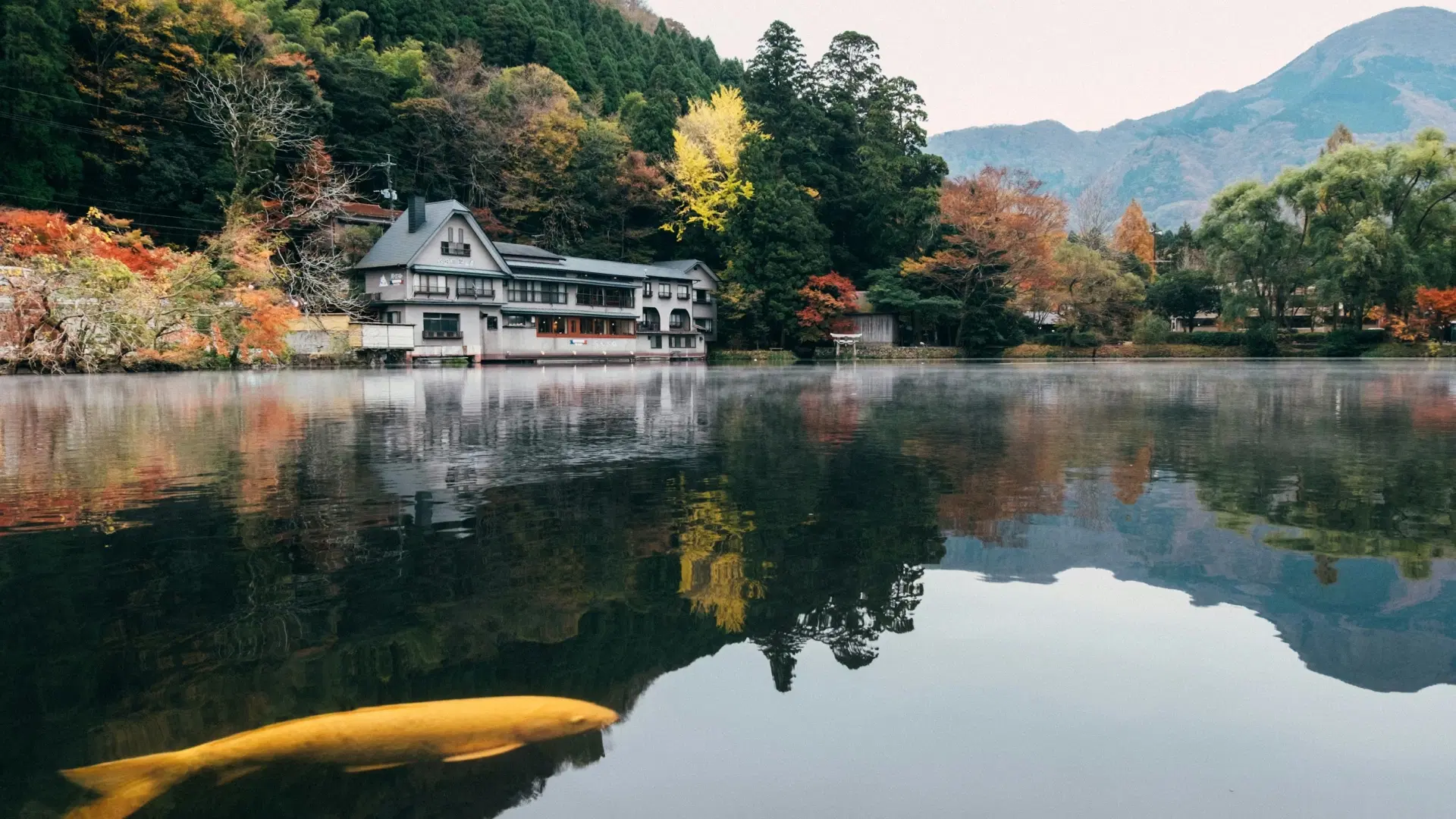
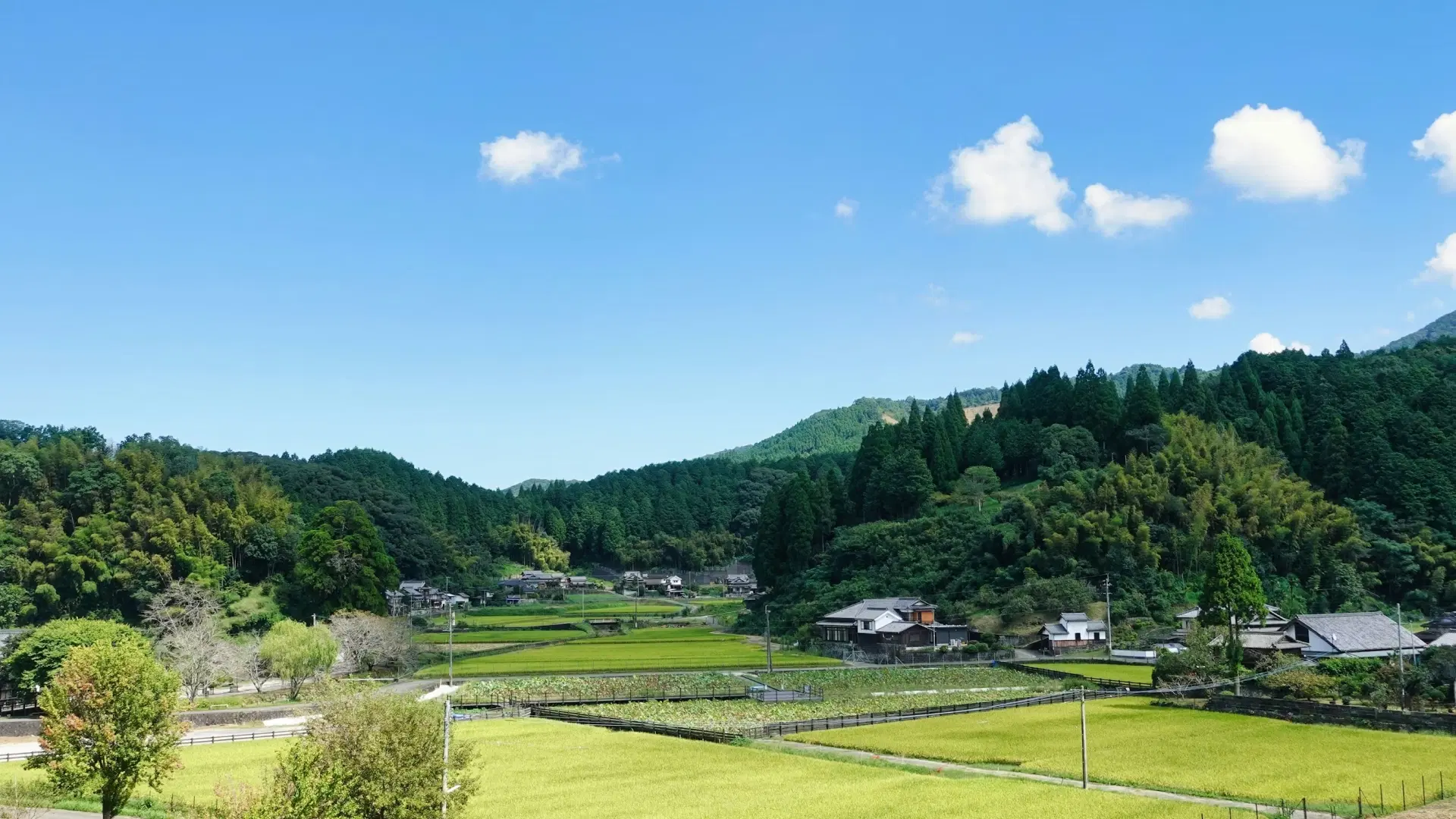
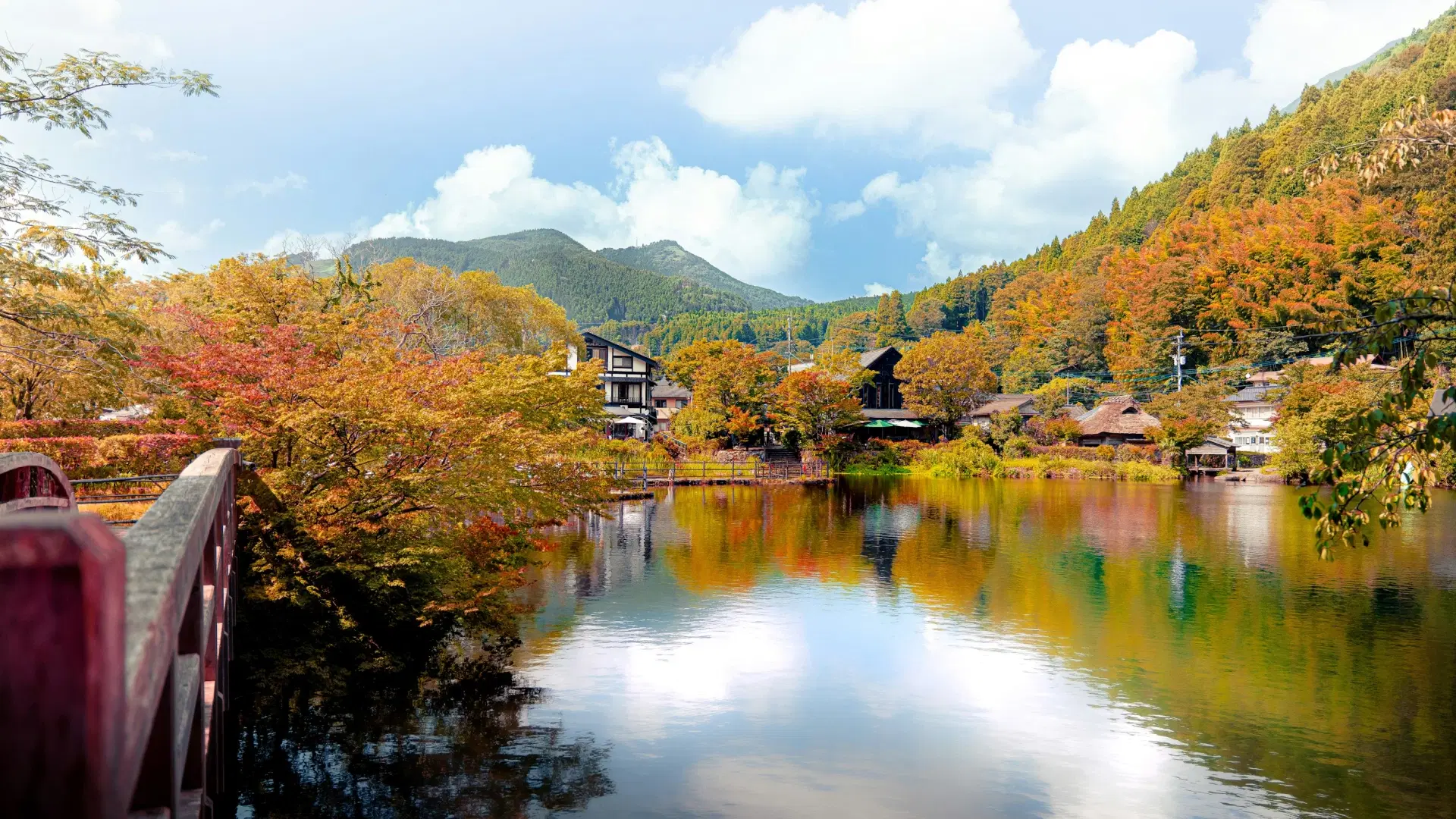
Yet Oita's thermal riches extend far beyond Beppu's spectacle. Inland, Yufuin sits in a basin surrounded by rice paddies and the distinctive twin peaks of Mount Yufu, its atmosphere calibrated to art galleries, bakeries, and boutique ryokans rather than neon and amusement. The contrast between these two onsen towns, one exuberant and populist, the other curated and pastoral, defines the range of Oita's character.
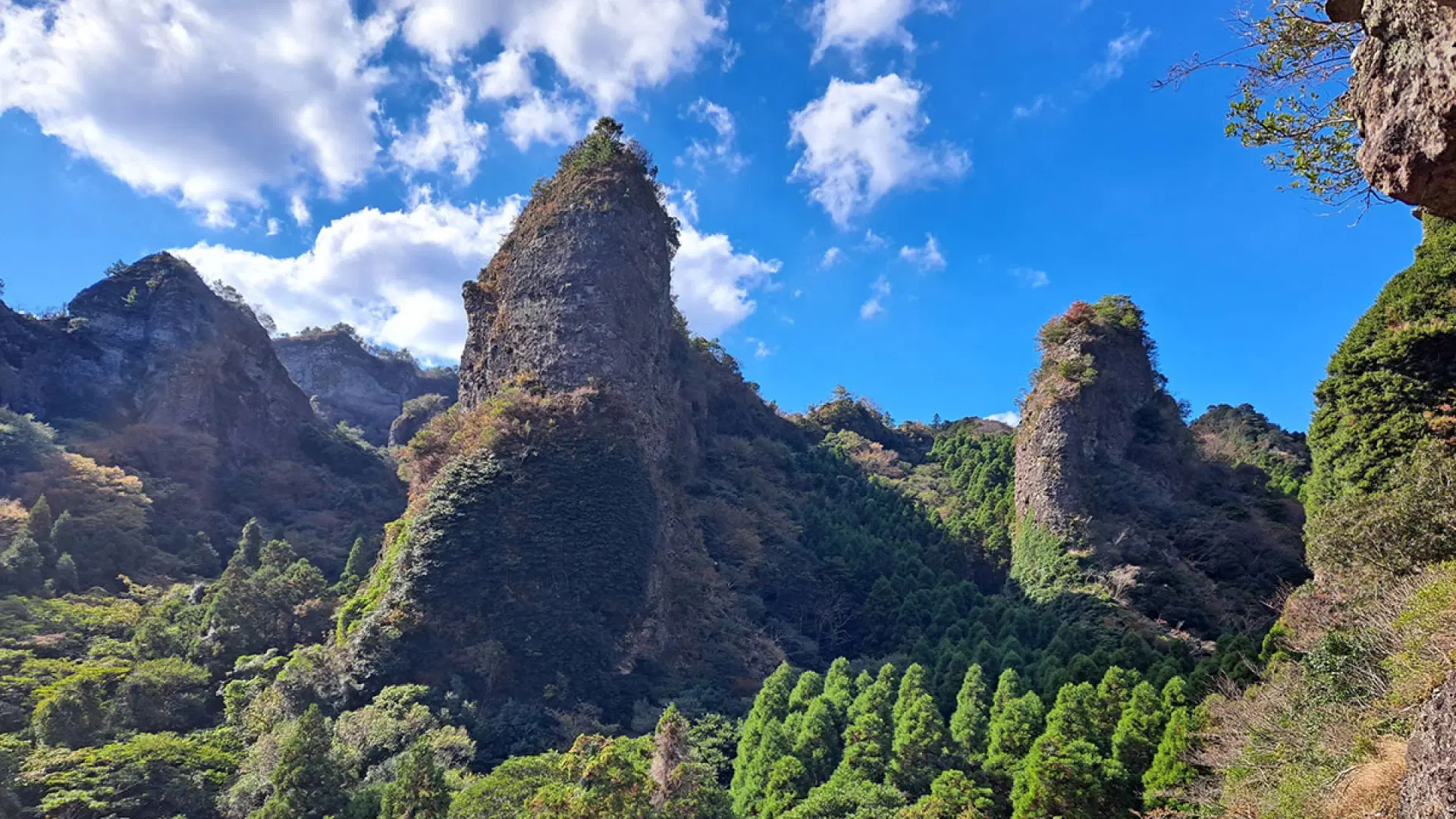
Farther south, the Usuki stone Buddhas, carved into volcanic cliff faces during the Heian and Kamakura periods, gaze out with a weathered serenity that no museum could replicate. The Kunisaki Peninsula to the north holds Rokugo Manzan, a network of temples where Shinto and Buddhist practice merged centuries ago on forested mountaintops. Oita is a prefecture where the heat beneath the surface shapes everything: the landscape, the cuisine, the rhythm of daily life.
Oita is Japan's undisputed capital of thermal water.
Cultural Identity
Oita's cultural landscape is shaped by faith and geology in equal measure. The Kunisaki Peninsula's Rokugo Manzan temple complex represents a unique fusion of Shinto and Tendai Buddhism, its stone steps and cliff-side halls scattered across densely forested peaks. The Usuki stone Buddhas, over sixty figures carved into tuff cliffs between the twelfth and fourteenth centuries, are designated National Treasures and remain among the most moving religious sculptures in Japan. Beppu's onsen culture is itself a living tradition: the communal neighborhood baths, many costing just a hundred yen, sustain a daily ritual of social bathing that has persisted for generations. Yufuin's cultural contribution is more contemporary, with galleries, film festivals, and craft studios that have made it a model for creative rural revitalization since the 1970s.
Culinary Traditions
Oita's cuisine is deceptively simple, built on the freshness of local ingredients rather than elaborate technique. Toriten, chicken tempura served with a tangy ponzu and karashi mustard dip, is the prefecture's signature dish, its batter light and its flavor direct. Beppu's jigoku-mushi, or "hell-steamed" cooking, uses natural geothermal steam to prepare seafood, vegetables, and eggs in bamboo baskets, yielding a purity of flavor that no conventional kitchen can match. Kabosu, a tart green citrus native to Oita, is squeezed over nearly everything: fish, noodles, shochu, even ice cream. Bungo beef, raised in the prefecture's mild highlands, offers rich marbling and a sweetness attributed to the region's clean water. Seki saba and seki aji, mackerel and horse mackerel caught in the swift Hoyo Strait, are prized for their firm flesh and served as sashimi of exceptional clarity.
Waters & Onsen
Beppu is not merely an onsen town; it is an onsen civilization. Its eight districts, the Hatto, each possess distinct water chemistry and character, from the milky sulfur springs of Myoban to the sodium chloride waters of Hamawaki. The jigoku hells are geothermal wonders: Umi Jigoku glows an impossible cobalt, Chinoike Jigoku simmers crimson with iron oxide, and Oniishibozu bubbles like gray mud in a witch's cauldron. Sand bathing at Beppu's Shoningahama beach buries visitors in naturally heated sand while waves break meters away. Yufuin, by contrast, is all restraint. Its springs are clear, simple sodium chloride and sulfate waters, and the town's appeal lies in the setting: morning mist pooling in the basin below Mount Yufu, rice paddies reflecting autumn color, ryokans designed with the quiet confidence of places that know their worth. Tsukahara and Nagayu, smaller onsen towns in the interior, offer carbonated springs where fine bubbles cling to the skin like champagne.