Yufuin Film Festival
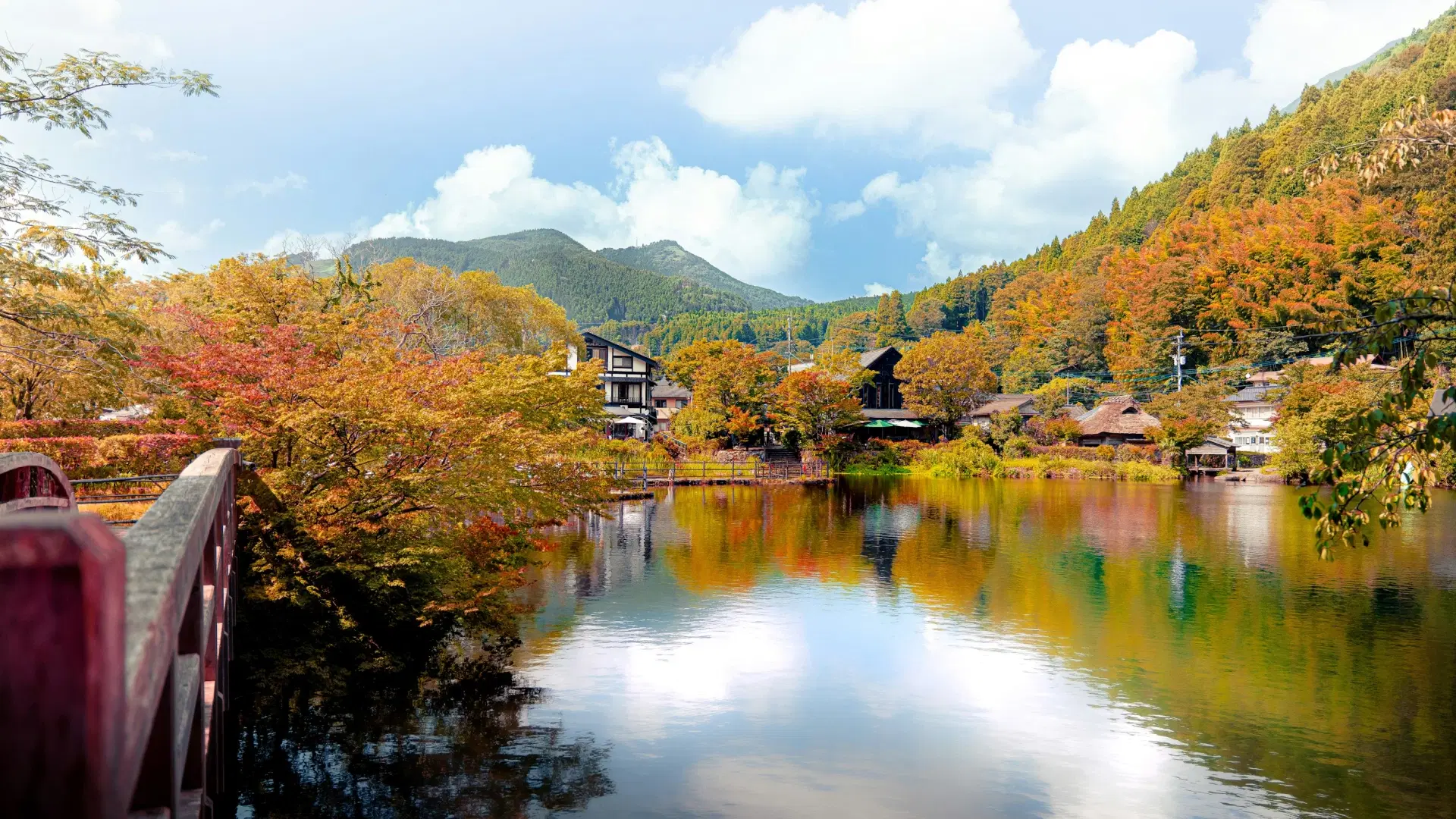
湯布院映画祭The Yufuin Film Festival is a gathering that defies the conventions of what a film festival should be. Held each August in a small onsen town at the foot of a volcanic mountain, it offers no red carpet, no celebrity spectacle, no industry marketplace. Instead, it provides something rarer: a space where filmmakers and audiences meet as equals, where the discussions that follow screenings are as important as the films themselves, and where the act of watching cinema is understood not as entertainment but as a form of cultural exchange that requires the same attentiveness and openness as the town's other great tradition, the onsen bath.
The festival was born from the same spirit of intentional counter-programming that shaped Yufuin's identity as an alternative to Japan's mass-market onsen resorts. Its founders believed that a film festival in a rural hot spring town could offer something that the metropolitan festival circuit could not: intimacy, unhurried conversation, and the particular clarity of mind that comes from immersion in natural surroundings. The screenings take place in modest venues, the audiences small enough that every viewer can speak during the post-screening discussions, and the filmmakers are present not as visiting dignitaries but as participants in a communal experience.
For the visiting cinephile, the Yufuin Film Festival offers a synthesis of pleasures that has no equivalent: mornings spent soaking in mineral baths with views of Mount Yufu, afternoons in darkened screening rooms engaging with films selected for their artistic ambition rather than commercial potential, evenings in conversation with directors and fellow audience members over local cuisine. The festival makes no distinction between these activities, treating the bath and the screen as complementary sites of perception and reflection.
The Yufuin Film Festival is a gathering that defies the conventions of what a film festival should be.
History & Significance
The Yufuin Film Festival was established in 1976, making it one of the oldest film festivals in Japan. Its founding was inseparable from the broader movement to define Yufuin as a cultural destination rather than a conventional resort. The three men most credited with shaping the town's identity, inn owner Shigeo Nakaue, restaurateur Koichiro Miyake, and tourism director Tsutomu Tanoue, recognized that cultural programming could attract visitors who valued substance over spectacle, and the film festival became a cornerstone of this vision.
From its inception, the festival prioritized Japanese independent cinema and documentary filmmaking, genres that received limited attention from mainstream distribution channels and needed venues where their work could find attentive audiences. Directors who screened their early work at Yufuin went on to become major figures in Japanese and international cinema, and the festival's role as a launchpad for emerging talent has become a quiet point of pride. The format, emphasizing dialogue between filmmakers and audiences rather than competitive prizes, established a model that other small-town festivals in Japan have since emulated.
What to Expect
Screenings are held in a small number of venues within the town center, typically including the community hall and converted cultural spaces. The program is curated rather than comprehensive, with a limited number of films selected for their artistic merit and thematic resonance. Each screening is followed by a discussion session in which the filmmaker, if present, engages directly with the audience. These conversations, conducted in Japanese but accessible in their emotional directness, often reveal dimensions of the films that solitary viewing would not uncover.
The festival's social dimension is inseparable from the town's onsen culture. Evening gatherings in ryokan common rooms and local bars bring together filmmakers, critics, and festival-goers in informal settings where the hierarchy between creator and audience dissolves. The relaxed atmosphere fostered by Yufuin's natural setting encourages a candor and openness that larger, more pressured festivals cannot sustain. Visitors who have soaked in the same baths and walked the same misty streets as the filmmakers find that these shared physical experiences create a foundation for conversation that transcends the usual festival small talk.
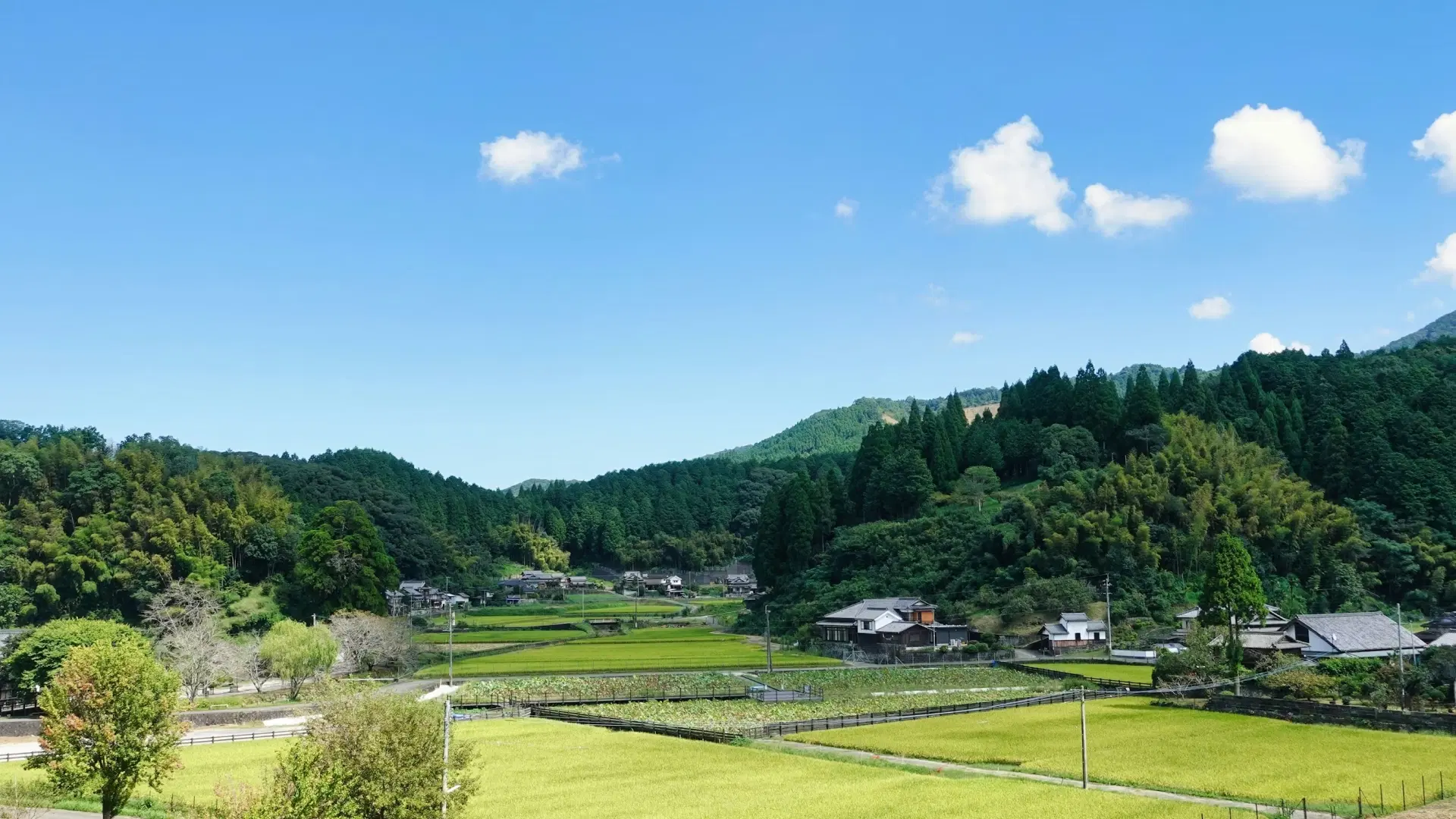
The town's galleries and cafes mount exhibitions and events timed to the festival, creating a broader cultural atmosphere that extends beyond the screening rooms. Walking between venues along Yunotsubo Kaido, past the rice paddies and with Mount Yufu visible at every turn, the festival-goer experiences a rhythm of viewing, walking, bathing, and talking that is itself a kind of narrative.