Kunisaki Peninsula
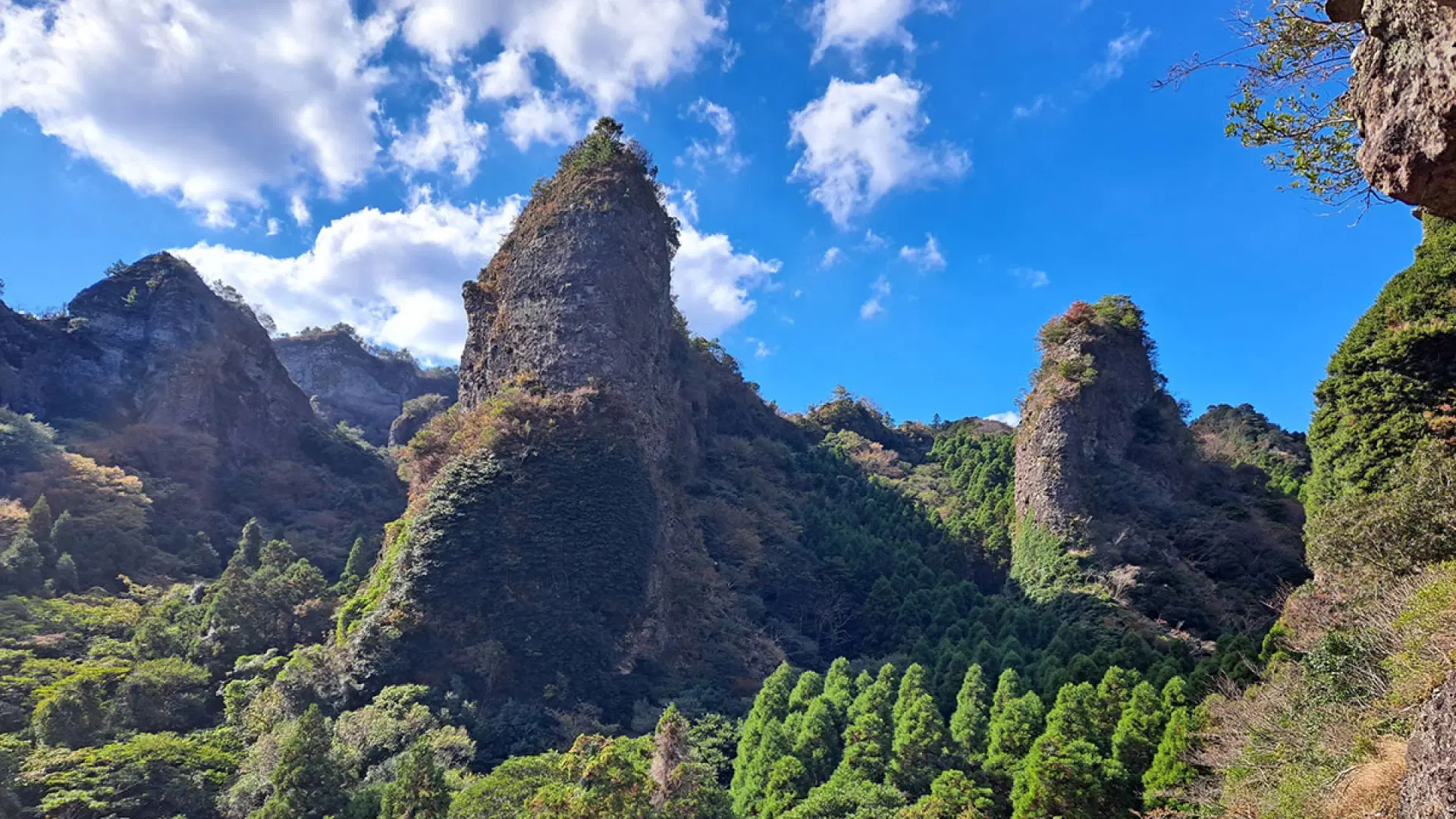
国東半島The Kunisaki Peninsula juts into the Seto Inland Sea from Oita's northeastern coast like a clenched fist of volcanic rock, its interior creased with steep valleys radiating from the central peak of Mount Futago like the spokes of a wheel. This geography, which historically made travel between adjacent valleys difficult while leaving each one open to the sea, produced a spiritual landscape of extraordinary density. Since the eighth century, the peninsula has been home to a syncretic religious tradition known as Rokugo Manzan, a fusion of esoteric Buddhism, mountain asceticism, and indigenous Shinto practice that established temples in virtually every valley, their stone steps climbing through forests of camphor and cedar to meditation halls perched on cliff ledges and prayer sites hidden in volcanic caves.
The peninsula today is one of Japan's most rewarding yet least visited cultural landscapes. The temples remain active, their monks continuing practices that predate the arrival of Zen in Japan by several centuries. The stone Buddhist sculptures that line the mountain paths, carved directly into boulders and cliff faces, appear with a frequency that makes walking the peninsula feel like moving through an open-air museum whose curators are lichen, moss, and weather. The Kumano Magaibutsu, a pair of colossal relief carvings of Dainichi Nyorai and Fudo Myoo cut into a cliff face high above the valley floor, are reached by climbing a steep path of natural stone that tests the legs while preparing the spirit for the encounter with figures whose scale and setting produce genuine awe.
Agricultural traditions on the peninsula reflect the same fusion of the sacred and the practical. The terraced rice paddies that descend the valley sides in sculpted steps are among the most beautiful in Japan, their seasonal transformations documented by photographers who return year after year to capture the particular way light falls on water-filled terraces in spring or golden sheaves in autumn. Shitake mushroom cultivation, practiced here for centuries using oak logs stacked in the forest shade, produces mushrooms of a depth and intensity of flavor that has earned Kunisaki designation as a Globally Important Agricultural Heritage System.
The Kunisaki Peninsula juts into the Seto Inland Sea from Oita's northeastern coast like a clenched fist of volcanic rock, its interior creased with steep valleys radiating from the central peak of Mount Futago like the spokes of a wheel.
Highlights
Futago-ji Temple, the spiritual center of the Rokugo Manzan tradition, sits high on the slopes of Mount Futago, its approach guarded by a pair of fierce Nio guardian statues carved directly into the cliff face. The temple complex, spread across multiple levels connected by stone stairways worn smooth by a millennium of ascending feet, houses important wooden sculptures and maintains a meditation hall where visitors can experience the silence that the mountain ascetics sought. The surrounding forest, a dense canopy of ancient trees draped with moss and ferns, creates an atmosphere of primeval sacredness that requires no explanation.
The Kumano Magaibutsu are the peninsula's most physically and emotionally demanding attraction. The trail to the carvings ascends through forest and across a field of natural boulders so steep that chains have been fixed to the rock to assist the climb. The effort is repaid by the encounter with a seated Dainichi Nyorai nearly seven meters tall and a standing Fudo Myoo over eight meters high, their forms emerging from the cliff with a presence that combines the monumental and the intimate. The carvings date from the late Heian period and retain traces of the paint and gilt that once covered them, fragments of color that hint at a splendor now absorbed into the weathered grey of the volcanic stone.
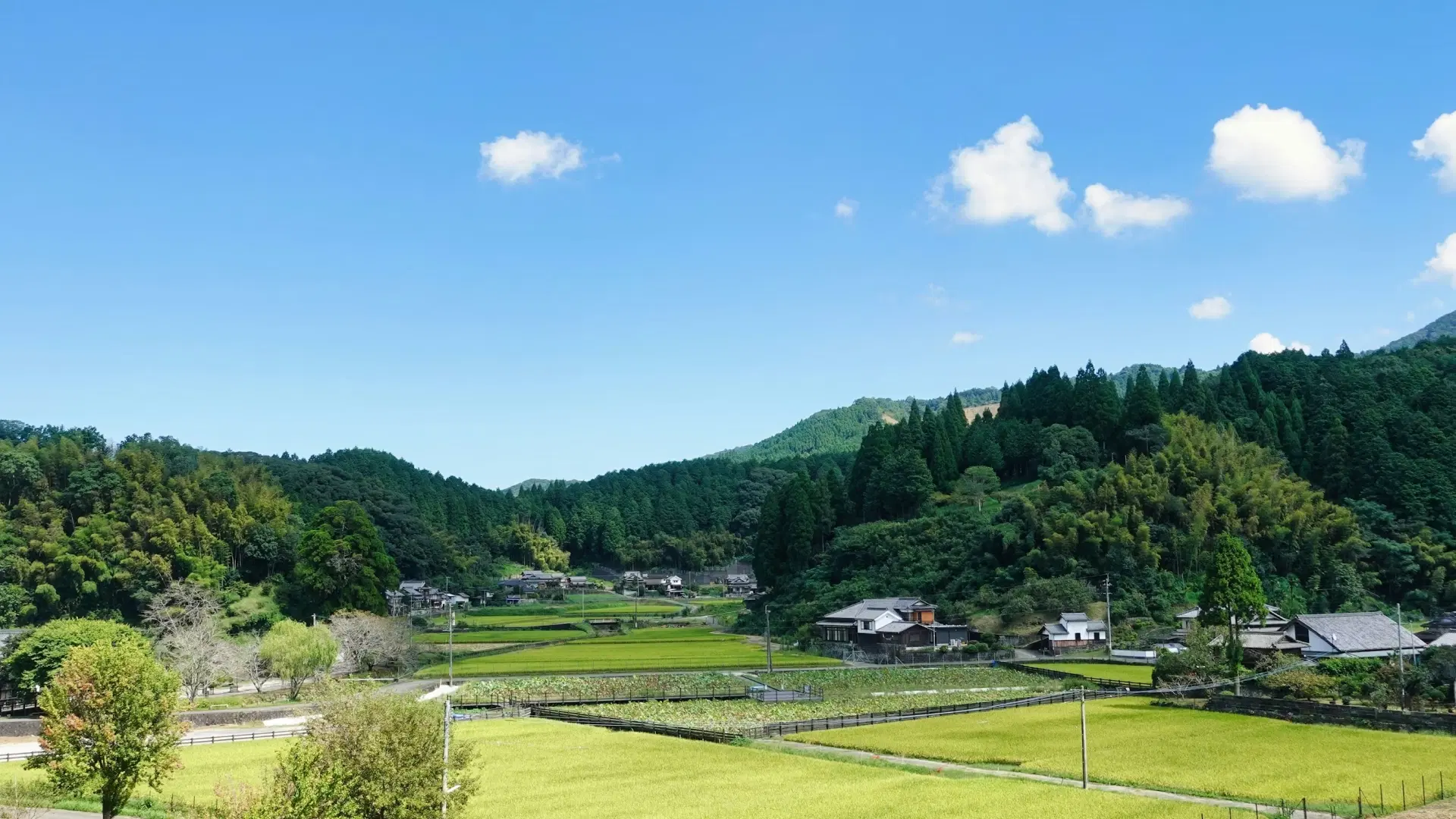
Tashibu no Sho, a hamlet of traditional farmhouses surrounded by terraced rice paddies, offers a landscape that UNESCO has recognized as a Globally Important Agricultural Heritage System. The paddies, maintained by an aging farming community with increasing support from preservation initiatives, are most beautiful when flooded in late April and early May, the shallow water reflecting the sky and surrounding mountains in a mirror that dissolves the distinction between land and atmosphere.
Culinary Scene
The Kunisaki Peninsula's cuisine is rooted in the forest and the sea, a reflection of the landscape's dual character as mountainous interior and coastal margin. Dried shitake mushrooms, produced from oak-log cultivation methods perfected over centuries, are the peninsula's most celebrated ingredient, their concentrated umami providing the foundation for dashi broths, simmered dishes, and the vegetarian temple cuisine that sustained the monks of the Rokugo Manzan tradition. The best dried shitake, classified as donko for their thick, cracked caps, command premium prices throughout Japan and represent an ingredient whose depth of flavor increases with the skill and patience of its production.
Soba noodles made from buckwheat grown on the peninsula's volcanic soil are served at small restaurants scattered through the rural communities, the flour's mineral quality producing a noodle with a distinctive earthy sweetness. Dango-jiru, a hearty soup of hand-pulled flour dumplings, root vegetables, and miso, is the traditional sustenance of farming families, its robust simplicity a counterpoint to the refinement of urban Japanese cuisine.
The coastal villages contribute seafood of remarkable variety, from the octopus and sea bream caught in the Seto Inland Sea to the small sardines dried on racks along the waterfront. Kabosu, the aromatic citrus that defines Oita's flavor profile, grows on the peninsula's slopes and appears as an accompaniment to virtually every seafood dish, its sharp, floral acidity cutting through the richness of grilled fish and the sweetness of steamed shellfish.
Ryokans in Oita
There are no ryokans in our guide listed in Kunisaki Peninsula. See our selection across Oita.
View ryokans in Oita