Kagoshima
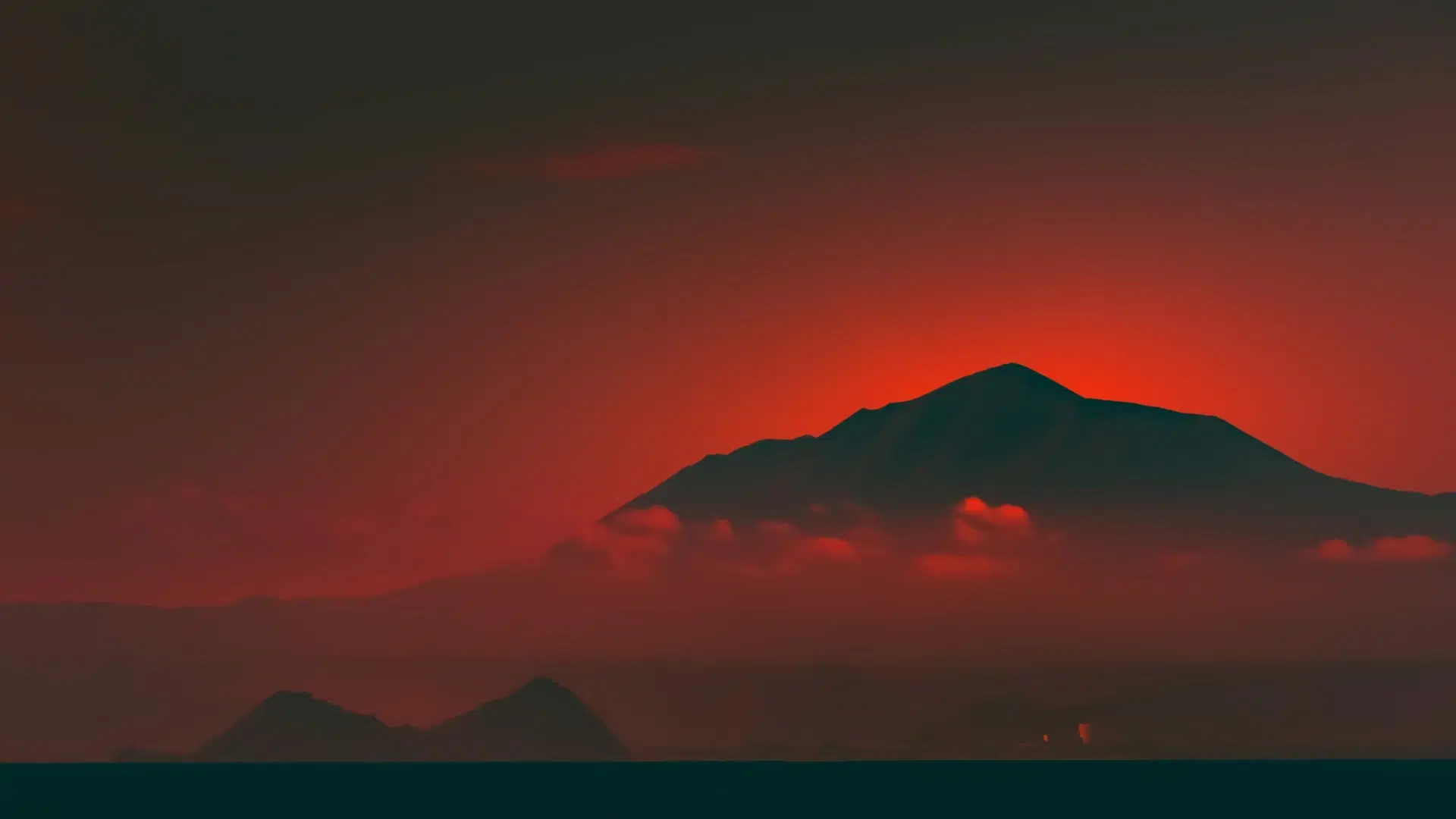
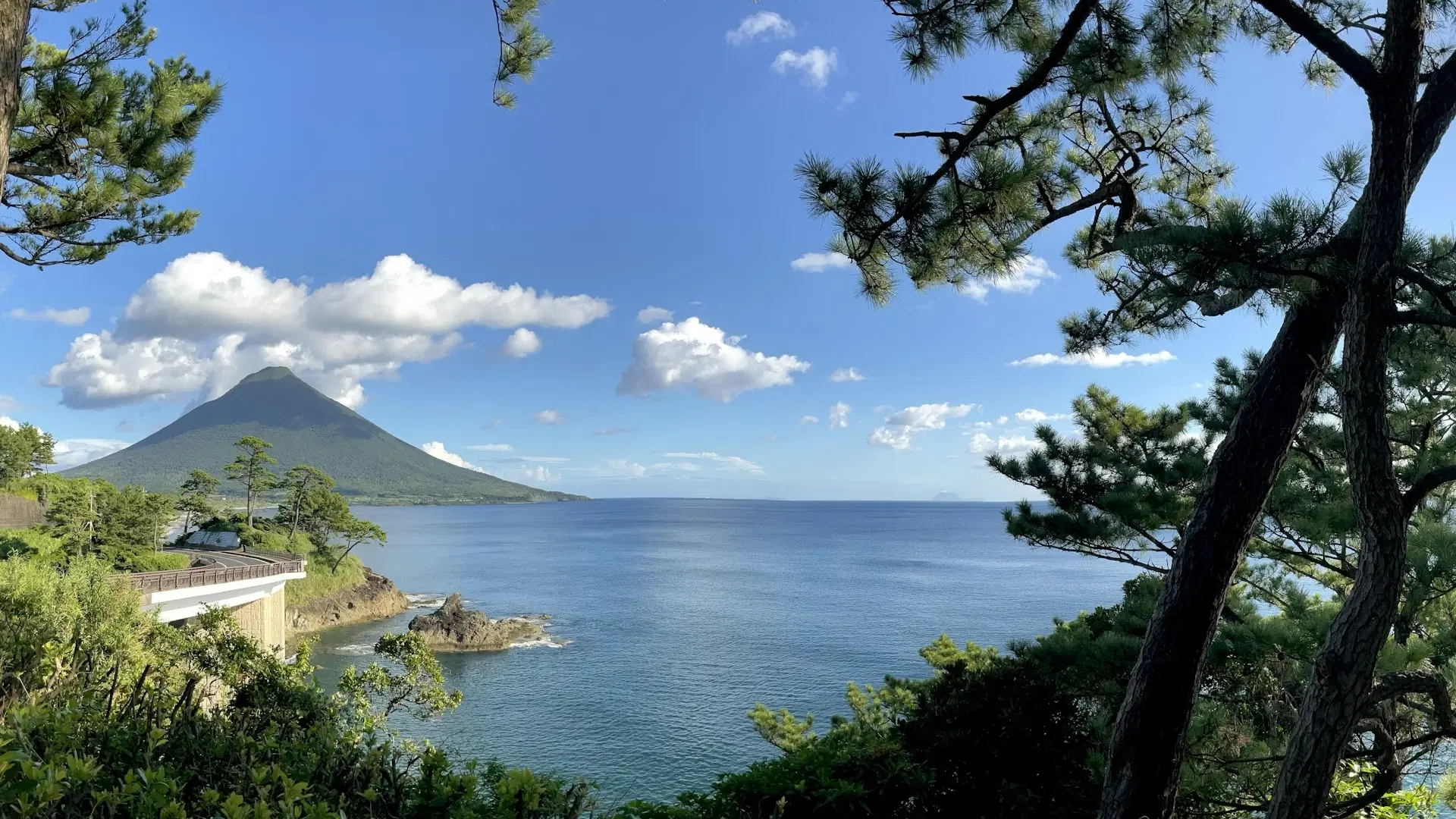
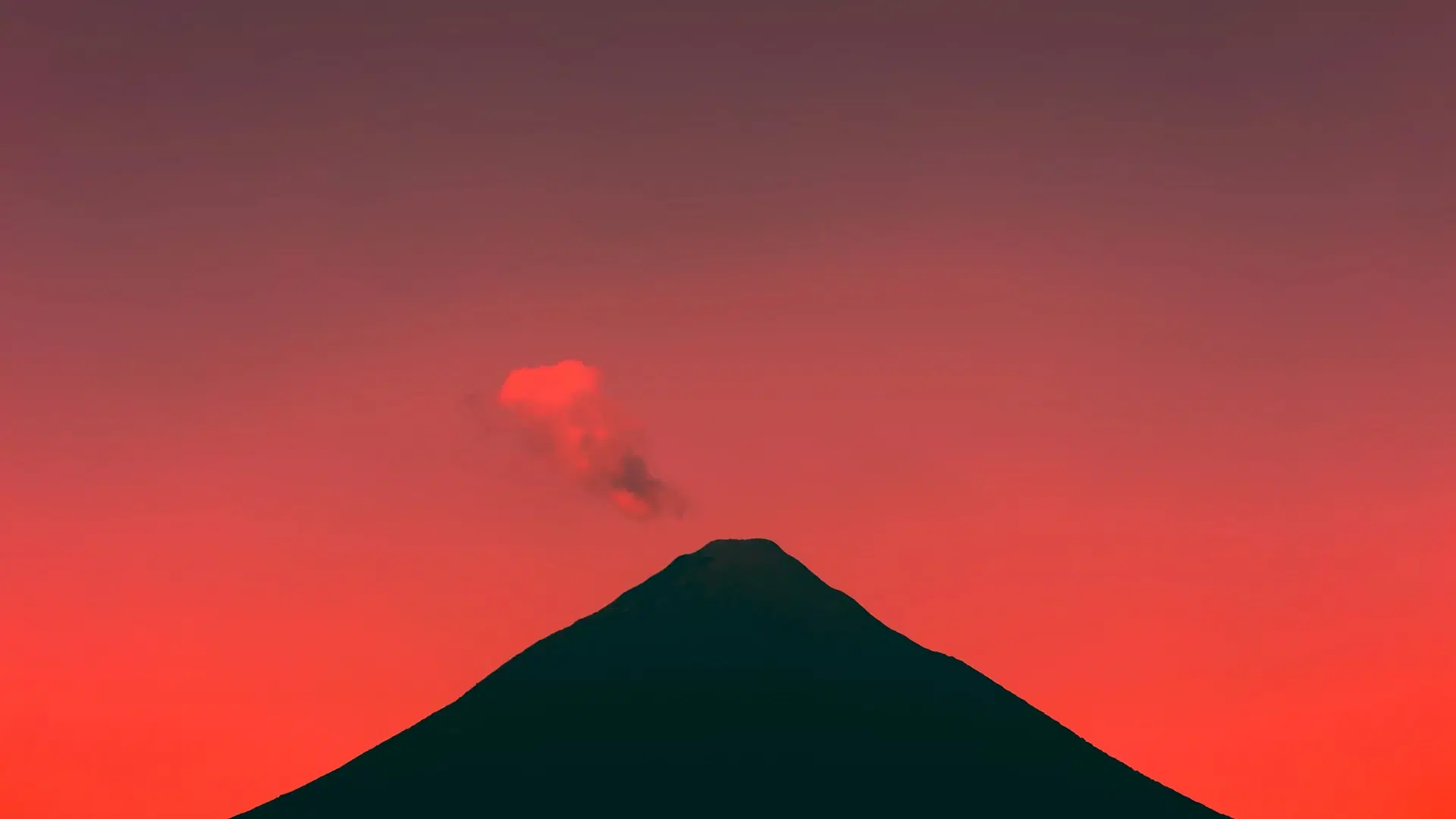
鹿児島県Kagoshima is the land at the edge. The southernmost major prefecture on Kyushu, it faces the Pacific and the East China Sea with a restlessness that mirrors its geology. Sakurajima, the active volcano that looms across Kinko Bay from the prefectural capital, erupts hundreds of times a year, dusting the city in ash that residents sweep from their cars each morning with the same resignation one might bring to autumn leaves. It is a relationship without parallel in Japan: a modern city of 600,000 living in daily conversation with an active stratovolcano.
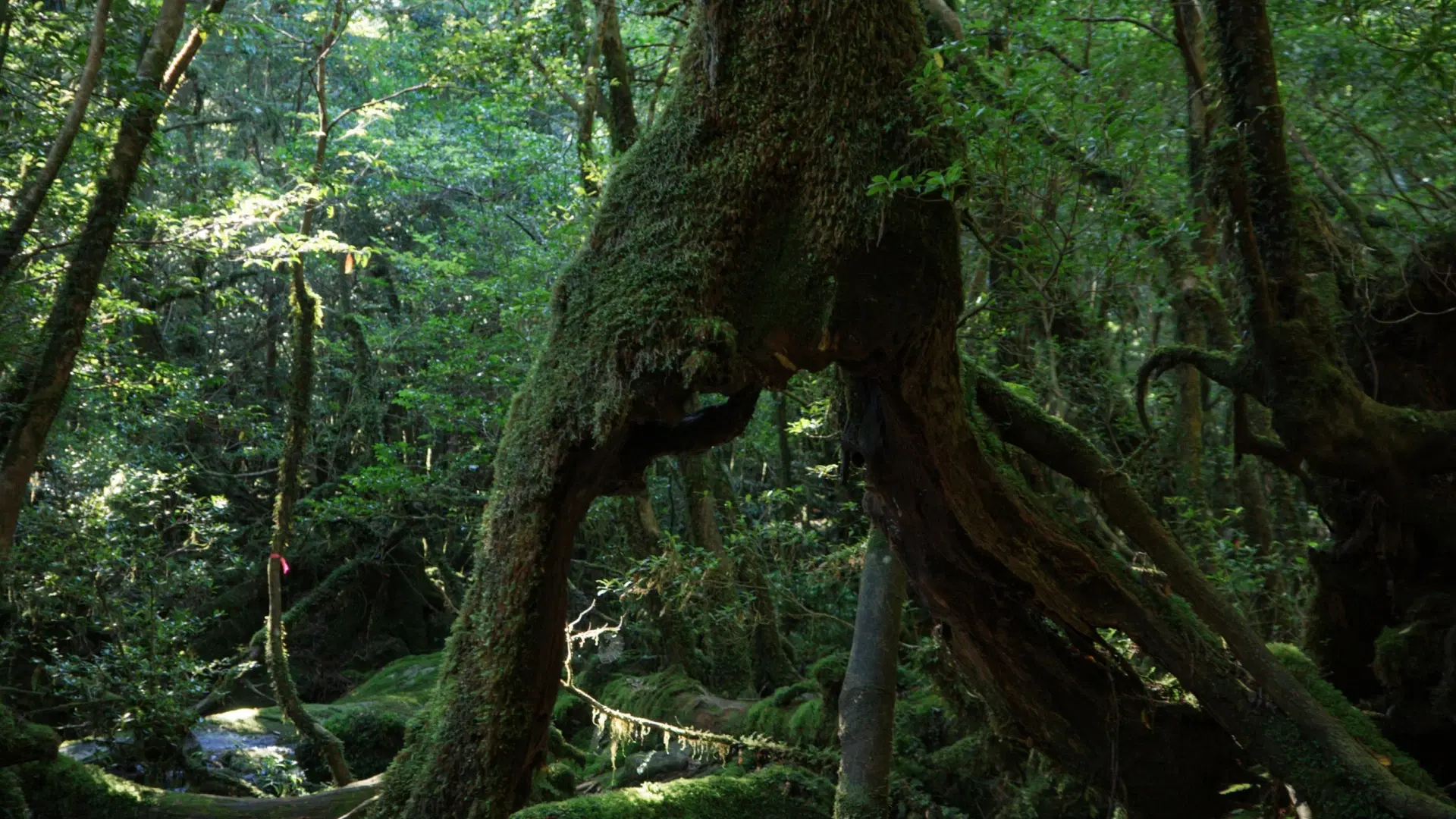
Beyond this volcanic theater, Kagoshima's reach extends remarkably far. Yakushima, a UNESCO World Heritage island of ancient cedar forests and moss-draped ravines, rises from the sea to the south, its interior receiving more rainfall than almost anywhere in Japan. The cedars here, some over a thousand years old, stand in a silence so deep it feels geological. Farther south still, the Amami Islands bridge the gap between Kyushu and Okinawa, their coral reefs and subtropical forests harboring species found nowhere else on earth.
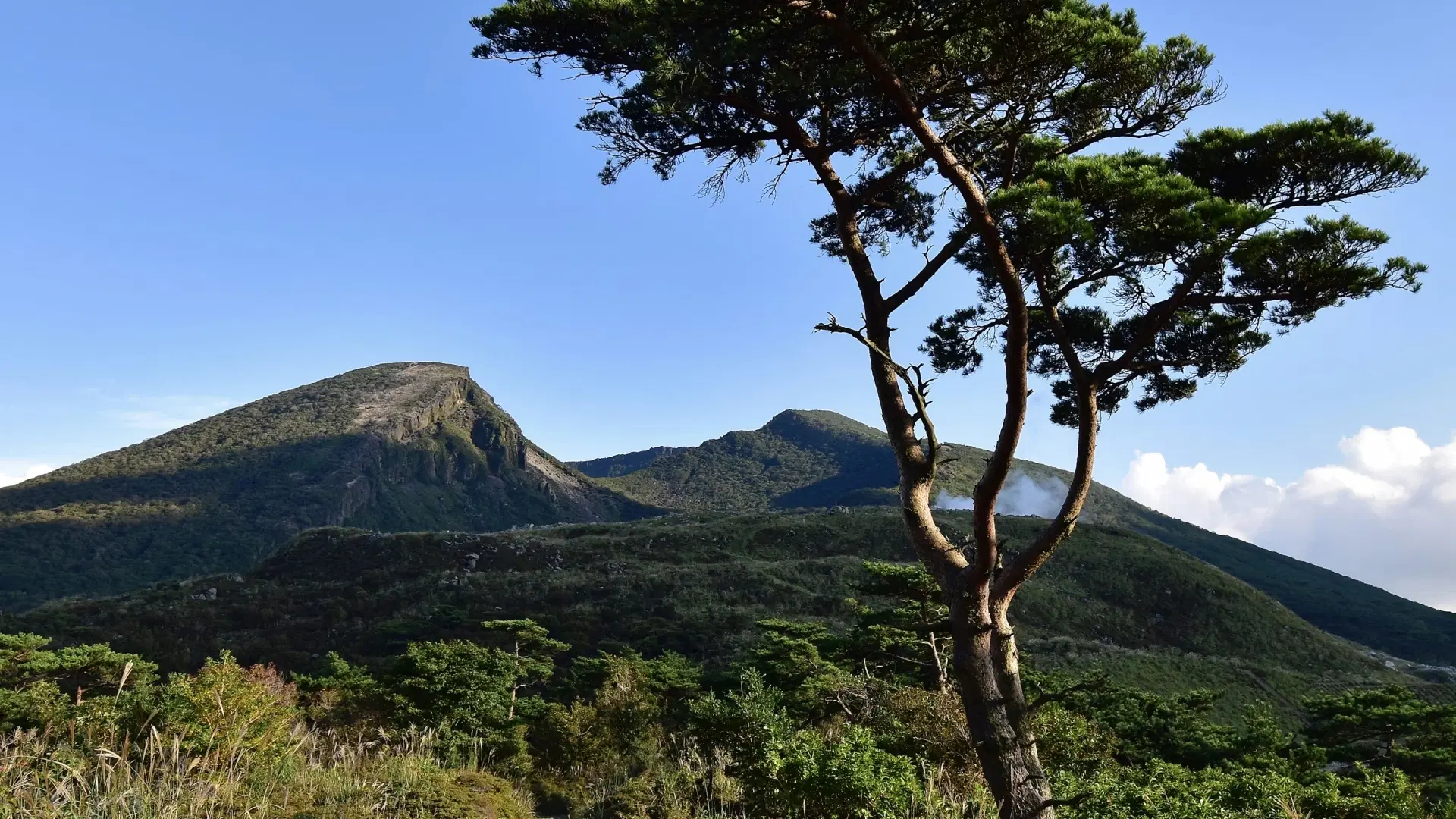
The Kirishima volcanic range marks the prefecture's northern boundary, its crater lakes and hot springs shared with Miyazaki. Ibusuki, on the southern tip of the Satsuma Peninsula, offers the singular experience of being buried in naturally heated volcanic sand beside the sea. Kagoshima is a prefecture that lives with fire, thrives on it, and has built a culture of resilience and warmth that visitors feel from the first encounter.
Cultural Identity
Kagoshima's cultural identity was forged in the Satsuma Domain, one of the most powerful and independent fiefdoms of feudal Japan. The Shimazu clan ruled here for seven centuries, and their legacy endures in Sengan-en, a seaside villa and garden set against the backdrop of Sakurajima. Satsuma was among the first domains to industrialize, and the Shoko Shuseikan complex on the garden grounds preserves the early factories that made Kagoshima a cradle of the Meiji Restoration. Saigo Takamori, the "last samurai," remains the prefecture's most revered figure, his statue overlooking the city from Shiroyama hill. Satsuma kiriko, the cut glass revived from Edo-period techniques, produces vessels of jewel-like color and precision. Yakushima's ancient cedar forests, designated a UNESCO site in 1993, hold a spiritual weight that has drawn pilgrims and naturalists alike.
Culinary Traditions
Kagoshima's table is defined by kurobuta, the black Berkshire pigs descended from stock imported from England in the nineteenth century by the forward-thinking Shimazu lords. The pork is sweet, finely textured, and prepared as tonkatsu, shabu-shabu, and the local specialty, kurobuta no kakuni, a slow-braised belly that dissolves at the touch of chopsticks. Kibinago, tiny silver-striped herring unique to these waters, are fanned into chrysanthemum patterns and served as sashimi. Satsuma-age, fried fish cakes seasoned with shochu, are the prefecture's ubiquitous snack. And shochu itself, distilled from sweet potato, barley, or rice, is Kagoshima's drink of conviction: over a hundred distilleries operate in the prefecture, and imo-jochu, the sweet potato variety, carries a roasted earthiness that locals insist improves with the addition of hot water and nothing else.
Waters & Onsen
Ibusuki's sunamushi, volcanic sand bathing beside the sea, is Kagoshima's most iconic thermal experience. Bathers lie on the shore while attendants bury them in black sand naturally heated to around 50 degrees Celsius by underground steam, the weight and warmth producing a sensation unlike any conventional bath. Kirishima Onsen, spread across the volcanic range in the north, offers sulfurous waters amid forests of Japanese cedar, with views stretching to Sakurajima on clear days. Myoken Onsen, in a ravine near the Sendai River, is one of Kyushu's oldest documented springs, its waters superheated and its riverside rotemburo a study in rustic grandeur. Yakushima's Hirauchi Kaichu Onsen, a tidal rock pool accessible only at low tide, may be the most elemental bathing experience in all of Japan: hot mineral water meets the Pacific, and there is nothing between you and the horizon.