Ibusuki
指宿Ibusuki occupies the southernmost tip of the Satsuma Peninsula, a landscape shaped by the volcanic caldera of Lake Ikeda and the geothermal activity that extends beneath the coastal sand to create the onsen town's most unusual attraction: natural sand baths. The experience of being buried in volcanically heated sand on the beach at Surigahama is unique in Japan and rare in the world, a form of thermal immersion that engages the body with a completeness that conventional water bathing cannot achieve. The sand, heated from below by underground thermal springs, radiates warmth through every grain, the weight and heat combining to produce a sensation that devotees describe as being held by the earth itself.
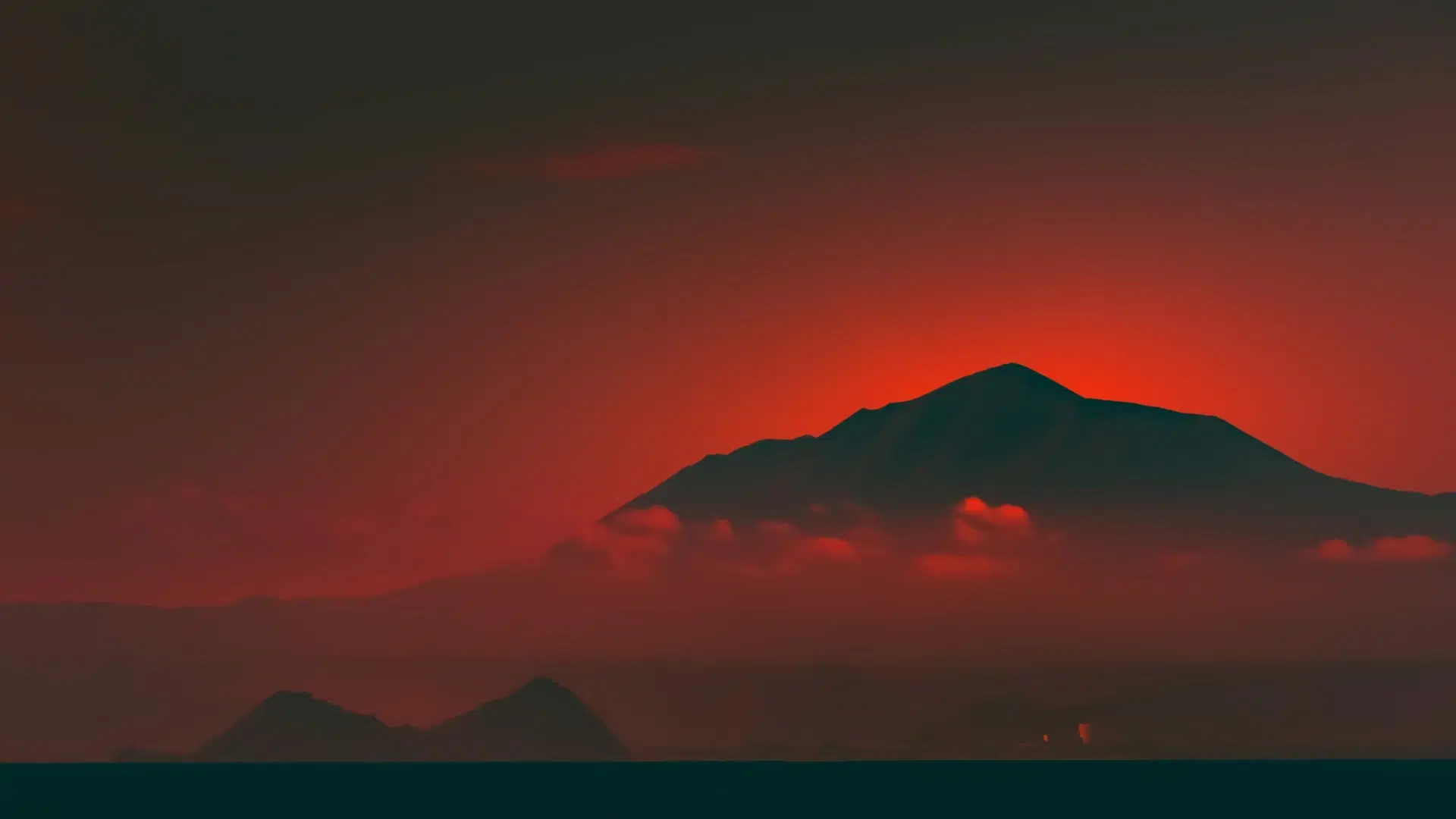
The town faces Kinko Bay from the opposite shore to Sakurajima, the volcano's silhouette visible across the water in a framing that connects Ibusuki to the larger volcanic system of southern Kyushu. The surrounding landscape is subtropical, the warm Kuroshio Current maintaining temperatures that support palm trees, bougainvillea, and tropical flowering plants year-round. The pace is slow, the streets quiet, the atmosphere that of a spa town whose therapeutic purpose remains its primary function rather than a historical memory decorated with tourist infrastructure.
Ibusuki's hot spring tradition is ancient, the thermal waters emerging along the coastline and in the surrounding hills with a generosity that has supported bathing culture here since long before the concept of tourism existed. The sand bath tradition specifically dates to at least the Edo period, when travelers along the coastal road discovered that the naturally heated sand provided relief from the fatigue and ailments of long-distance walking. The practice has been refined and formalized, but its essential character remains unchanged: the warmth comes from the earth, the setting is the beach, and the sky overhead is the ceiling of the bath.
Ibusuki occupies the southernmost tip of the Satsuma Peninsula, a landscape shaped by the volcanic caldera of Lake Ikeda and the geothermal activity that extends beneath the coastal sand to create the onsen town's most unusual attraction: natural sand baths.
Highlights
The sand bath experience at Saraku Sand Bath Hall is Ibusuki's defining attraction, an immersion in heated sand that is both therapeutic and contemplative. Visitors wearing lightweight yukata provided by the facility lie down in shallow trenches dug in the beach sand, and attendants bury them from neck to toe in sand heated to approximately 50 degrees Celsius by the thermal springs beneath the beach. The weight of the sand, roughly 20 kilograms over the full body, produces a gentle pressure that enhances the thermal effect, the heat penetrating muscles and joints with a depth that water alone cannot match. A session of ten to fifteen minutes produces profuse perspiration and a post-bath sense of lightness and well-being that lasts for hours.
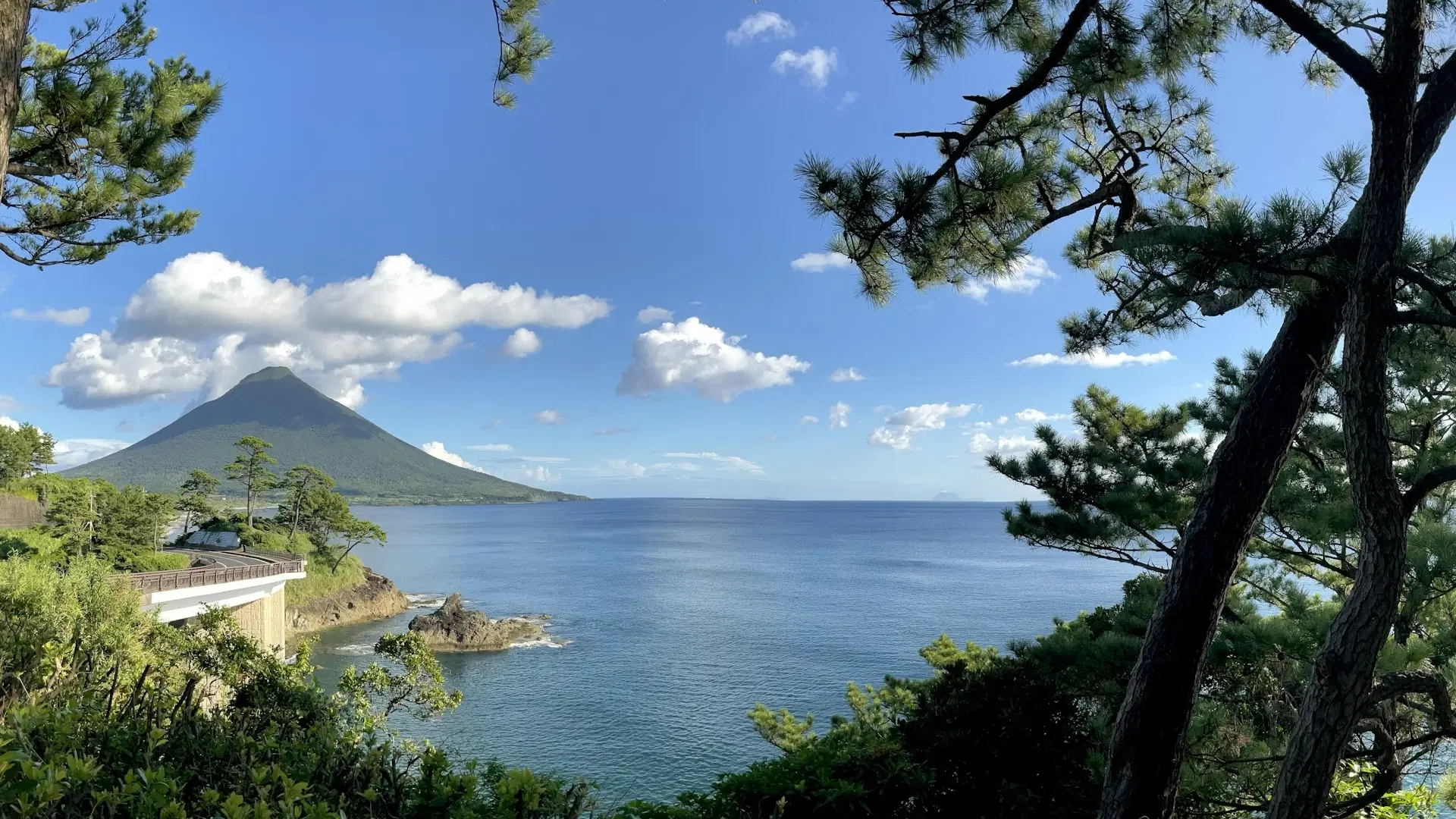
Lake Ikeda, the largest caldera lake in Kyushu, sits in the volcanic depression behind Ibusuki, its deep blue waters reflecting Mount Kaimon, the conical peak known as Satsuma Fuji for its resemblance to Japan's iconic mountain. The lake's maximum depth exceeds 230 meters, its still surface concealing a volume of water that fills the collapsed volcanic crater like a natural reservoir. Giant eels, some exceeding two meters in length, inhabit the lake, their presence adding a note of the mysterious to a landscape already marked by volcanic strangeness. The lake's circumference provides walking and cycling routes with views that compose the cone of Kaimon-dake, the blue water, and the surrounding subtropical vegetation into a landscape of memorable serenity.
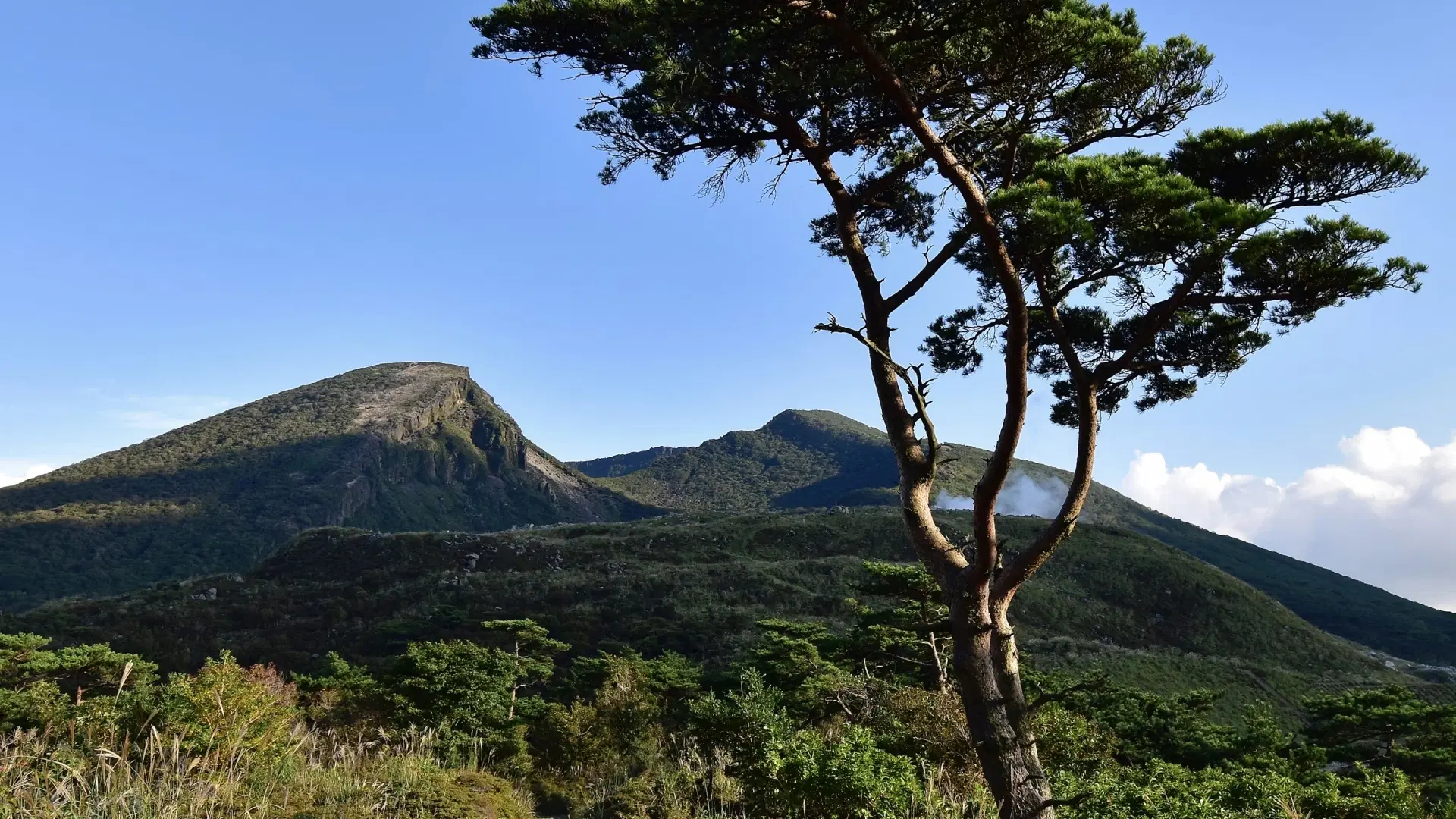
Mount Kaimon, rising 924 meters in a near-perfect cone from the peninsula's tip, offers a climb of approximately two hours to a summit panorama that encompasses the East China Sea, the offshore islands, and on clear days, the distant silhouette of Yakushima. The trail spirals the mountain in a clockwise ascent through forest that transitions from subtropical to temperate with altitude, the vegetation change marking the climber's progress more reliably than any trail marker.
Culinary Scene
Ibusuki's cuisine is shaped by the subtropical climate and volcanic landscape that define the town's character. Somen nagashi, flowing noodles served in a circular pool of cold spring water from which diners catch the thin wheat noodles with chopsticks as they swirl past, is an Ibusuki tradition that uses the town's abundant natural spring water to create a dining experience that is as much entertainment as sustenance. The practice originated at the nearby Tosenkyo gorge, where natural spring water of remarkable clarity and coldness feeds the circular pools in a setting of volcanic rock and subtropical vegetation.
Satsuma-age, the fried fish cake that is Kagoshima Prefecture's most famous food product, is produced in Ibusuki using local fish ground into a smooth paste, seasoned with sake and sugar, and deep-fried until golden. The best versions, made by hand in small workshops, possess a sweetness and elasticity that mass-produced imitations cannot approach. Soramame, broad beans grown in the volcanic soil of the peninsula, are an Ibusuki specialty harvested in spring, their flavor particularly sweet and nutty when roasted over charcoal or simmered in dashi.
The subtropical fruits of the Ibusuki area, including passion fruit, mango, and various citrus varieties, reflect the warm climate's agricultural advantages. Local producers have developed fruit-based desserts and beverages that capitalize on the natural sweetness and fragrance of fruit grown in volcanic soil under persistent sunshine, the mineral-rich earth imparting qualities that more temperate growing regions cannot replicate.