Ohara Festival
おはら祭The Ohara Festival is Kagoshima's most exuberant expression of its identity as the southernmost major city in mainland Japan, a two-day dance festival that fills the central streets with approximately 25,000 performers whose synchronized movements and infectious energy create a spectacle of communal joy that ranks among the largest and most participatory dance festivals in the country. Named after the Ohara-bushi, a folk song from Kagoshima's rural districts whose melody and rhythm provide the musical foundation for the festival's dances, the event transforms the stately boulevard of Tenmonkan-dori into a river of color and motion that flows through the city's commercial heart.
The festival's character is defined by its inclusiveness. Unlike Japanese festivals centered on portable shrines or professional performing arts, the Ohara Festival's primary activity is group dancing that is open to anyone willing to learn the relatively simple choreography. Dance teams representing companies, schools, neighborhood associations, and community groups spend weeks rehearsing their routines, and the festival itself is organized so that each team occupies a section of the parade route, performing in sequence as they advance through the streets. The cumulative effect, viewed from above or from the sidewalk, is of a city in coordinated motion, the individual dancers subsumed into a collective kinetic expression that is both disciplined and joyful.
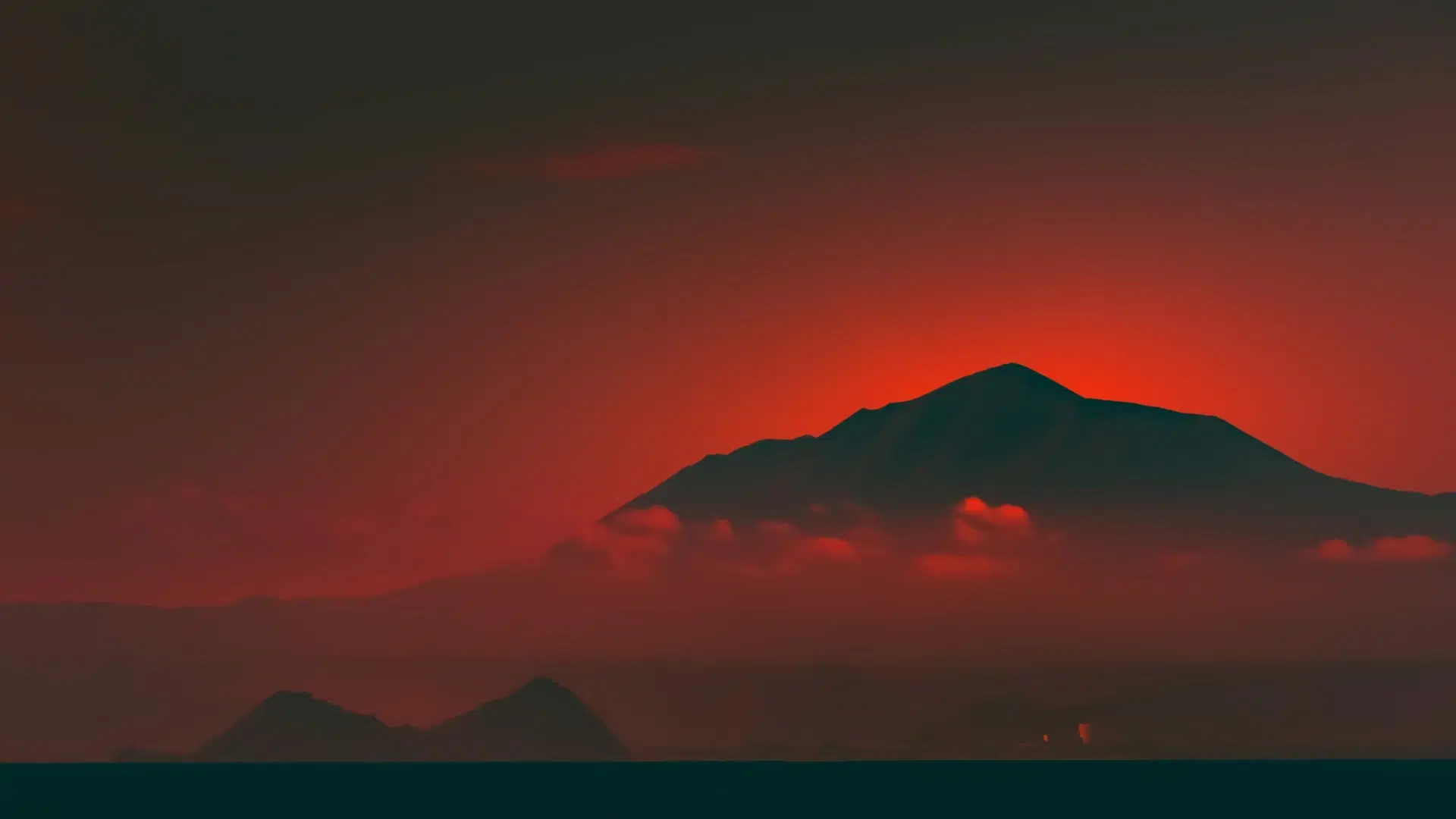
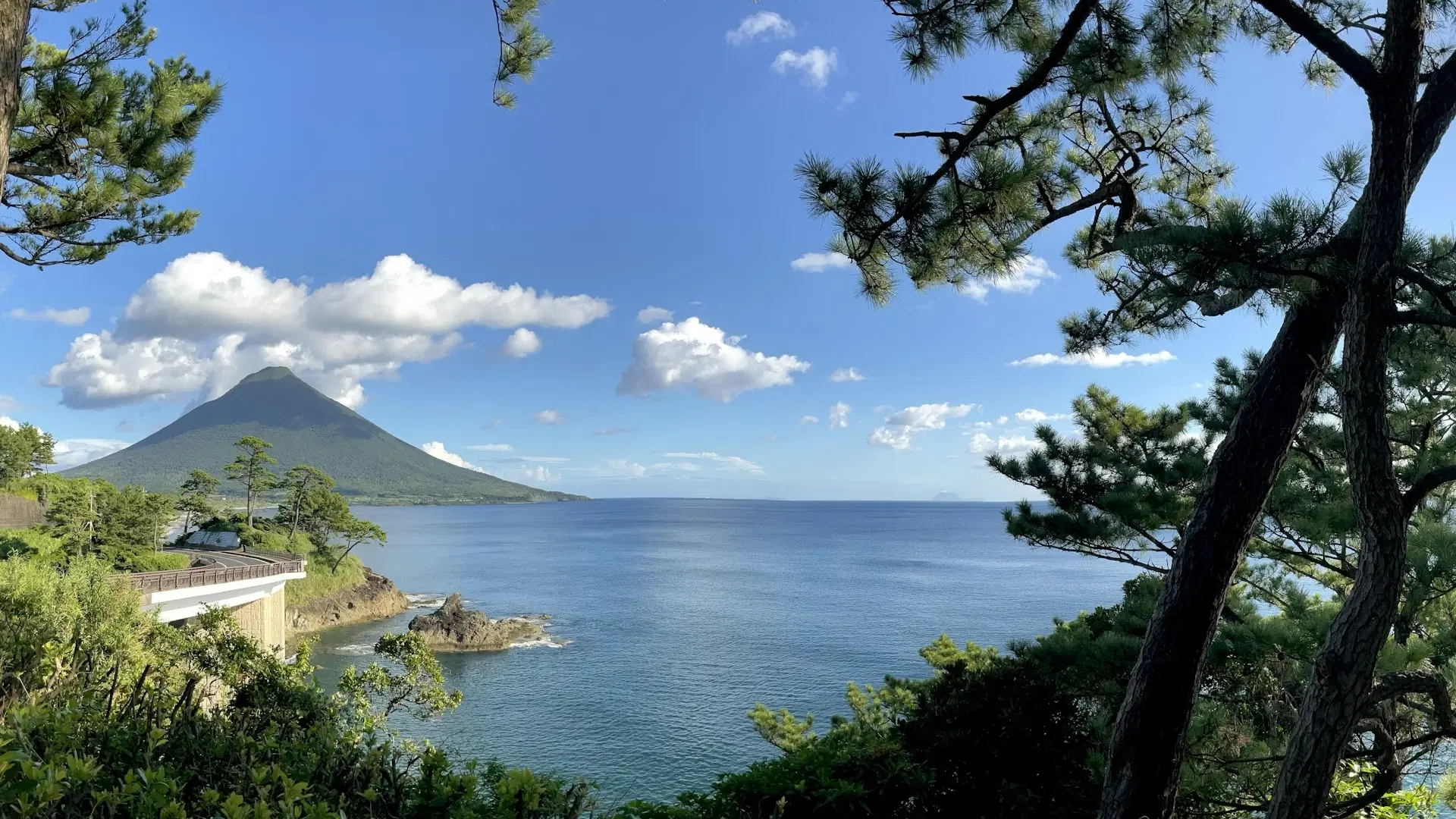
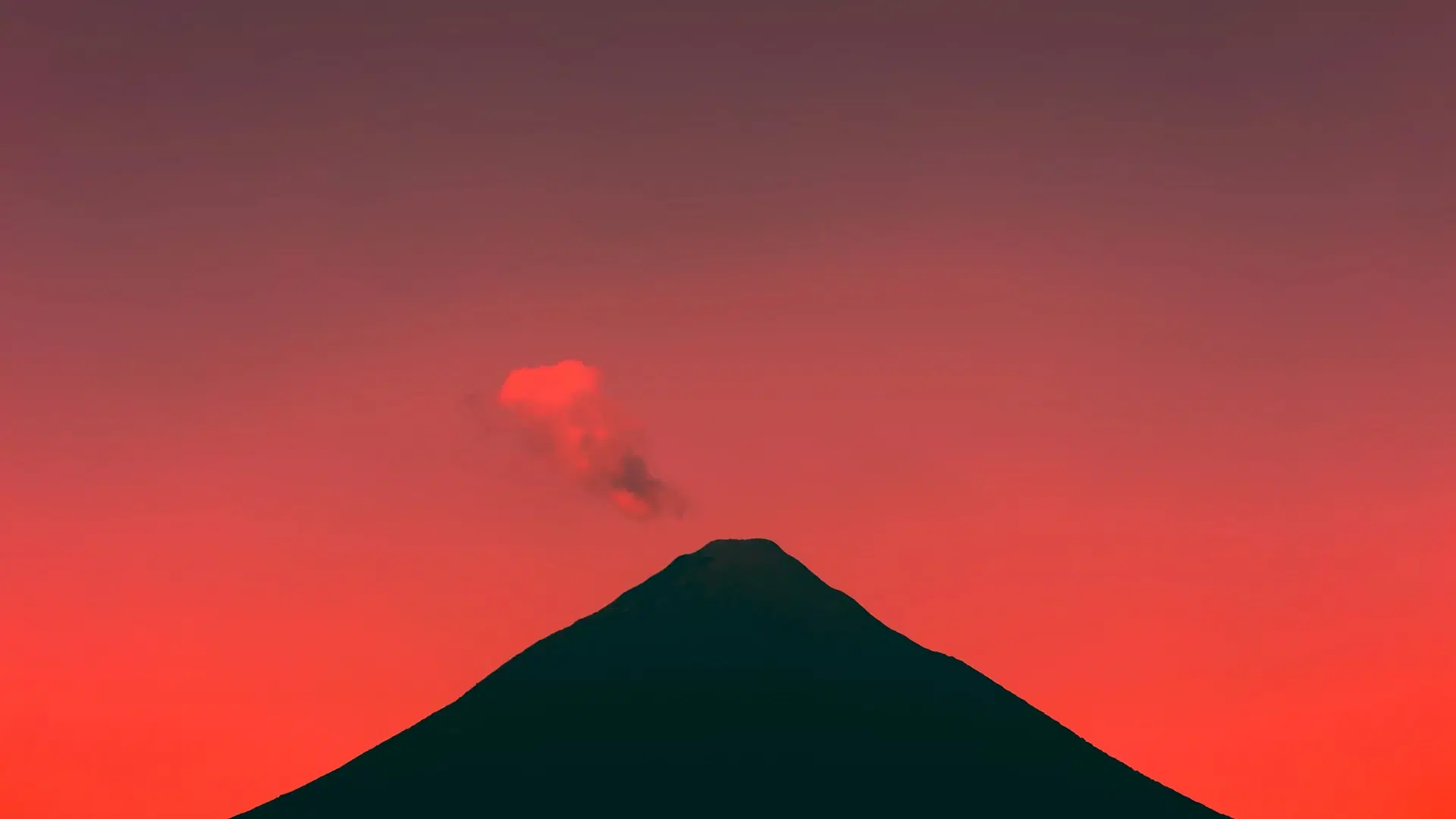
Sakurajima presides over the festival from across the bay, its volcanic bulk visible at the end of every cross-street, a geological reminder that the energy expressed in the dancing reflects the deeper energies of the land itself. The festival's November timing places it in Kagoshima's most pleasant season, the summer heat departed and the winter's rare chill not yet arrived, the air clear enough to make the volcano's silhouette sharp against the evening sky.
History & Significance
The Ohara Festival was established in 1949, in the years of postwar recovery when Japanese cities were searching for forms of communal celebration that could rebuild civic morale and social bonds. The festival's founders chose the Ohara-bushi, a folk song from the Osumi region of eastern Kagoshima Prefecture, as the musical foundation for a dance event that would unite the city across the divisions of class, neighborhood, and occupation. The choice was deliberate: the Ohara-bushi's simple, repetitive melody and accessible rhythm made it suitable for mass participation, and its rural origins connected the urban festival to the broader culture of the Satsuma region.
The festival grew steadily through the postwar decades, its scale increasing as participation expanded from a few hundred dancers to the current thousands. The addition of the Sojodori dance, a younger and more energetic choreography that complements the traditional Ohara-bushi, broadened the festival's appeal to younger participants and introduced a contemporary dimension that has kept the event vital across generational transitions. Corporate participation, with companies fielding teams that rehearse together and wear matching costumes, added an organizational structure that increased both the festival's scale and its social function as a team-building exercise.
The decision to stage a pre-festival event in Tokyo's Shibuya district, where Kagoshima dance teams perform the Ohara-bushi in one of Tokyo's busiest intersections, has expanded the festival's visibility beyond Kyushu and established it as a national cultural export. This metropolitan satellite event, while modest compared to the Kagoshima original, functions as an embassy of Kagoshima culture, introducing the capital's residents to the southern city's festive spirit.
What to Expect
The festival's main event is the dance parade along Tenmonkan-dori, Kagoshima's principal shopping street, which is closed to traffic and transformed into a performance corridor for the duration. Dance teams, typically numbering between twenty and several hundred members each, advance along the route in sequence, each group performing its choreography to the Ohara-bushi or Sojodori music broadcast from speakers along the street. The costumes range from traditional yukata and happi coats to creative costumes designed by each team, the visual variety providing a counterpoint to the musical unity.
The dancing itself is infectious. The Ohara-bushi choreography, built around simple hand gestures and stepping patterns that evoke the agricultural labor of planting and harvesting, is accessible enough that spectators frequently join from the sidewalk, their participation welcomed by the performing teams with encouraging gestures and smiles. The Sojodori sections, faster and more athletic, draw younger performers whose energy and precision add a contemporary dynamism to the traditional foundation.
The festival's food culture concentrates along the side streets adjacent to the parade route, where stalls offer Kagoshima's signature foods: kurobuta pork skewers, satsuma-age fried fish cake, shochu served with hot water, and Kagoshima ramen with its distinctive pork bone broth. The combination of dancing, eating, and the warm November evening creates an atmosphere of communal celebration that captures the particular warmth of Kagoshima's social culture, a warmth that residents attribute to the volcanic earth beneath their feet and the southern sun above their heads.