Senganen Chrysanthemum Festival
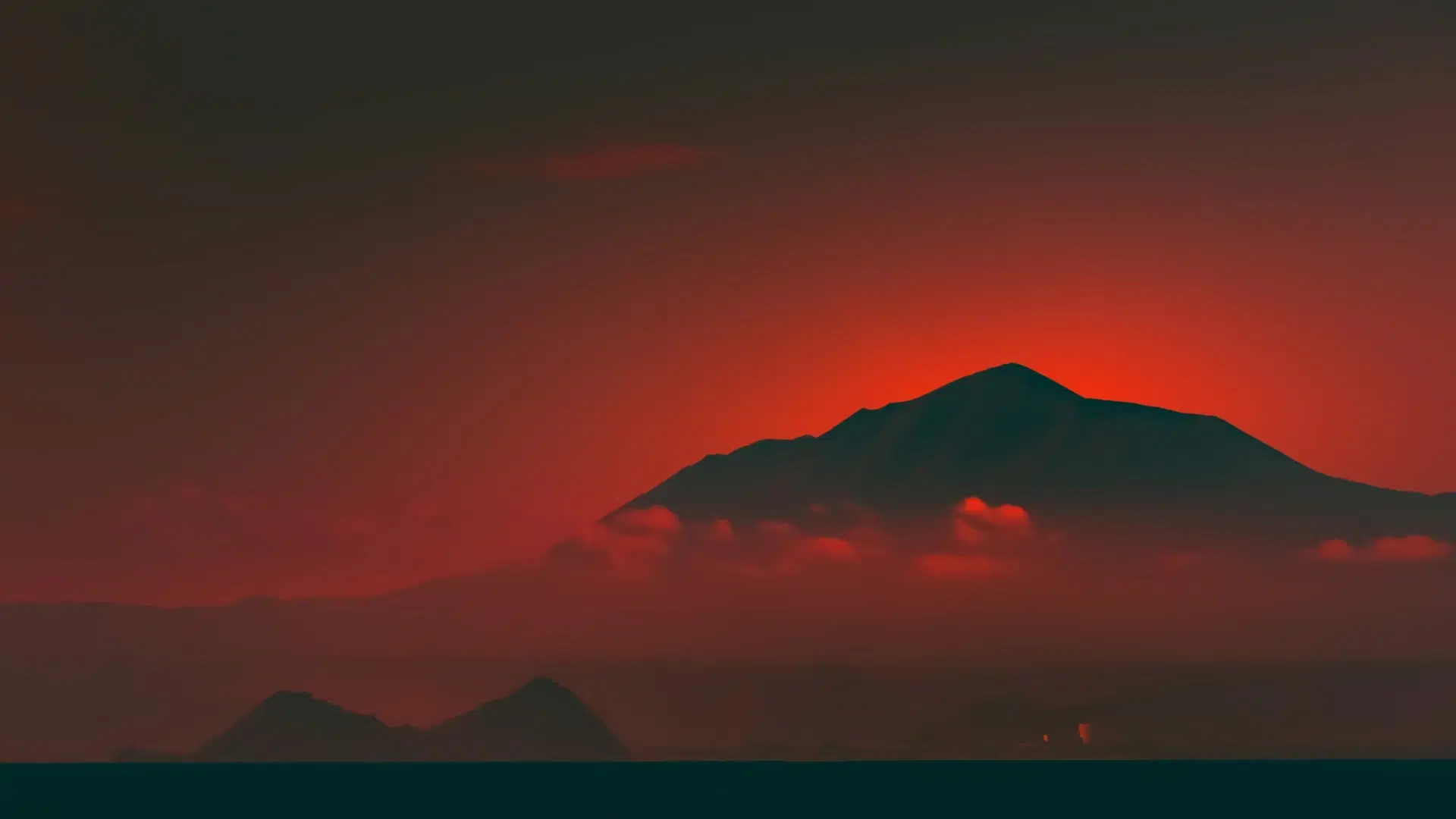
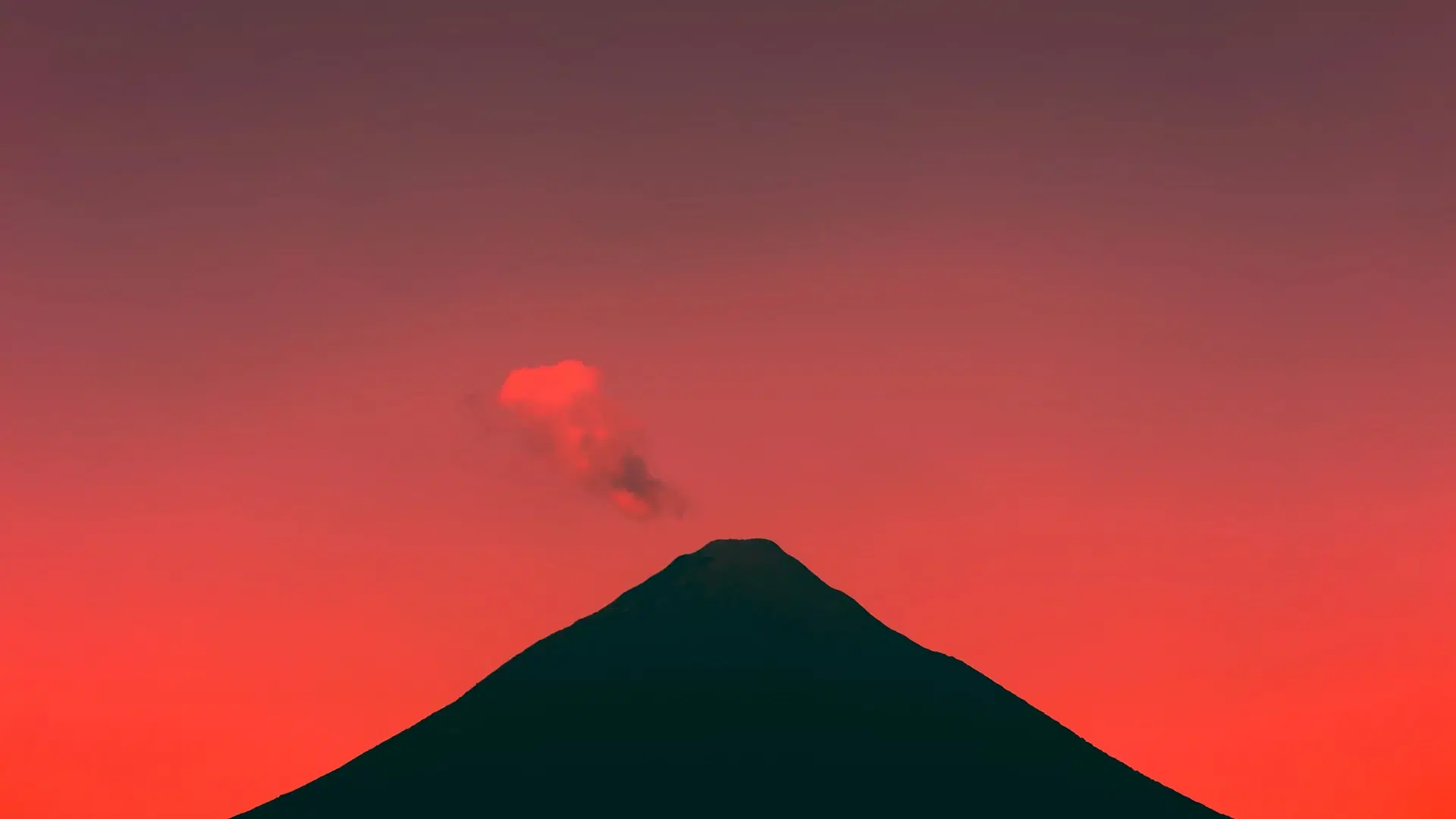
仙巌園菊まつりThe Senganen Chrysanthemum Festival transforms the Shimazu clan's seaside garden into a composition of cultivated perfection and volcanic grandeur, thousands of chrysanthemum plants arranged throughout the garden's terraces and pathways in displays that range from cascading waterfalls of small-flowered kiku to single, enormous blooms whose petals have been coaxed into mathematical precision by months of patient cultivation. Behind this floral foreground, Sakurajima rises from Kinko Bay, occasionally trailing ash, the juxtaposition of exquisite horticultural control and uncontrollable geological force creating a visual dialogue that is uniquely Kagoshima.
The chrysanthemum occupies a position in Japanese aesthetics that exceeds its botanical status. The Imperial Chrysanthemum Seal is the crest of the Japanese emperor, and the flower's association with longevity, nobility, and the contemplative beauty of autumn has made it the subject of centuries of cultivation refinement. The Senganen festival draws on this tradition while grounding it in the specific landscape of the Shimazu garden, where the borrowed scenery technique of traditional Japanese garden design incorporates the volcano and the bay as elements of the composition that no human cultivation could produce.
For the visitor who encounters Senganen during the chrysanthemum season, the festival provides a lens through which the garden's design principles become visible. The chrysanthemums, placed with deliberate attention to color, scale, and sightline, reveal the garden's underlying geometry of views and perspectives, the flower arrangements guiding the eye toward the vistas that the Shimazu designers intended. The experience is of a garden that has been waiting for this season to fully articulate its purpose, the chrysanthemums providing the grammar that makes the landscape's poetry legible.
History & Significance
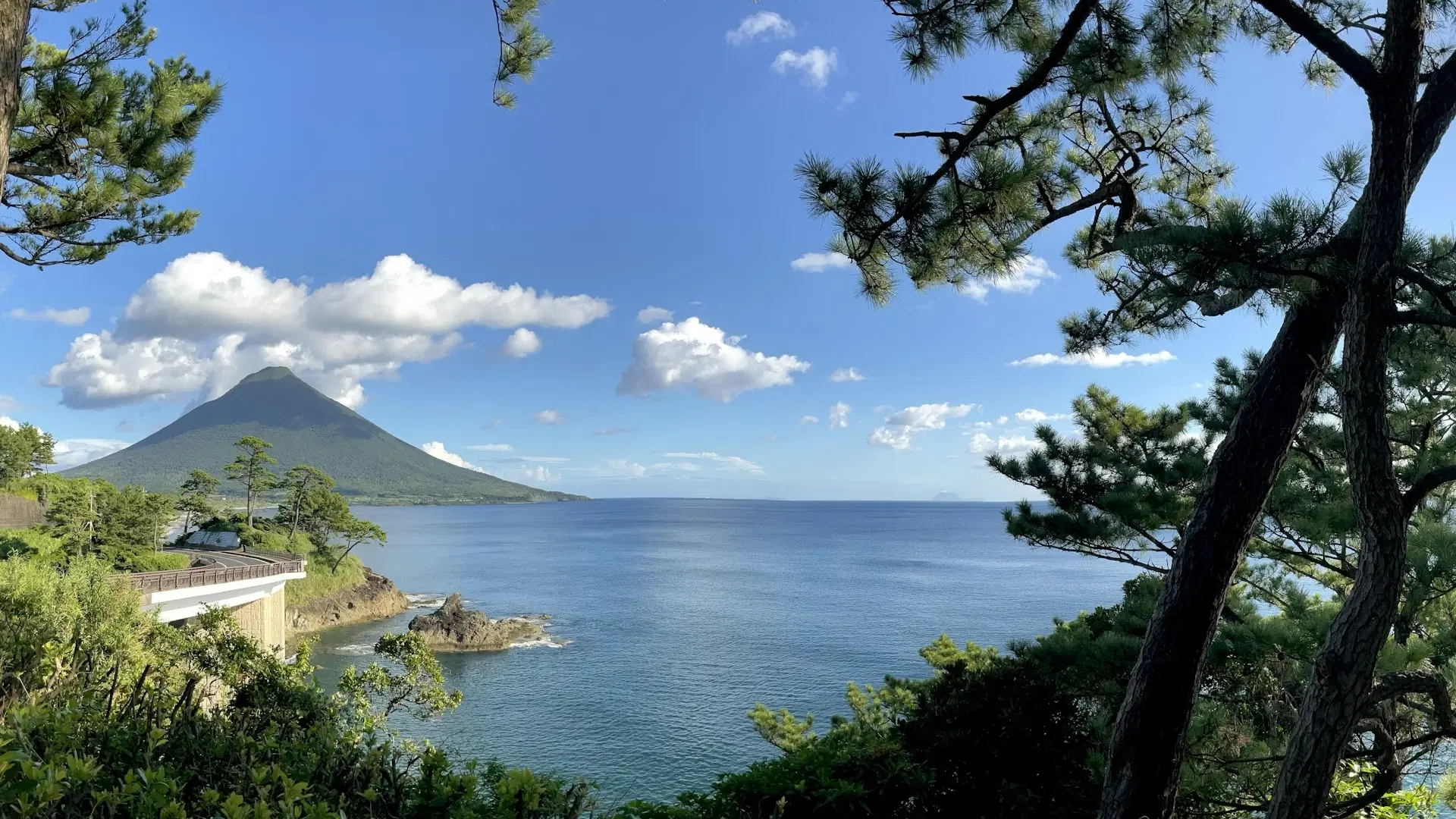
Senganen was established in 1658 by Shimazu Mitsuhisa, the 19th lord of the Satsuma domain, as a seaside villa and garden that used the natural landscape of Kinko Bay and Sakurajima as borrowed scenery. The garden's design, which incorporates these monumental natural features as if they were elements placed by a landscape architect, represents one of the most ambitious applications of the shakkei (borrowed scenery) principle in Japanese garden art. The chrysanthemum festival tradition at Senganen dates to the Edo period, when the Shimazu lords, like other feudal aristocrats, maintained chrysanthemum gardens as expressions of cultural refinement and botanical knowledge.
The modern chrysanthemum festival has expanded from a private aristocratic display to a public event that combines horticultural exhibition with cultural programming. The displays are created by professional and amateur chrysanthemum growers from across Kagoshima Prefecture, whose expertise in the arcane arts of disbudding, training, and timing produces blooms of a size and perfection that seem to exceed the natural capacity of the plant. The competitive dimension of chrysanthemum cultivation, in which growers measure their skill against exacting aesthetic standards, adds a human drama to the floral spectacle.
Senganen's designation as a UNESCO World Heritage component site, in recognition of its adjacent Shoko Shuseikan industrial complex, has increased international attention to the garden and its seasonal events. The chrysanthemum festival benefits from this visibility while maintaining the contemplative character that distinguishes a Japanese garden event from a mere flower show.
What to Expect
The chrysanthemum displays are distributed throughout Senganen's grounds, each area of the garden hosting arrangements that complement its particular character and views. The formal terraced areas near the main residence feature ogiku, large single blooms trained on tall stems, their petals arranged in the precise radiating patterns that represent the pinnacle of chrysanthemum cultivation. The cascade displays, in which hundreds of small-flowered chrysanthemums are trained over frames to create flowing shapes that mimic waterfalls and rivers, are positioned where the garden's topography allows them to merge visually with the actual landscape.
The garden's famous view of Sakurajima is the festival's natural masterpiece, the chrysanthemums in the foreground providing a scale and color against which the volcano's massive presence becomes all the more dramatic. On clear November days, the contrast between the warm yellows, whites, and purples of the flowers and the cool grey of the volcanic peak, sometimes capped with a faint plume of ash, produces a composition that photography captures but cannot fully convey, the three-dimensional depth and the salt breeze from the bay essential to the experience.
Cultural performances, including tea ceremony demonstrations in the garden's tea houses, traditional music performances, and seasonal craft exhibitions, supplement the floral displays. The garden's restaurant serves seasonal dishes that incorporate chrysanthemum petals as edible garnish, a traditional practice that connects the aesthetic appreciation of the flower to its ancient role in Japanese cuisine as a symbol of longevity and purification.