Ibusuki Nanohana Marathon
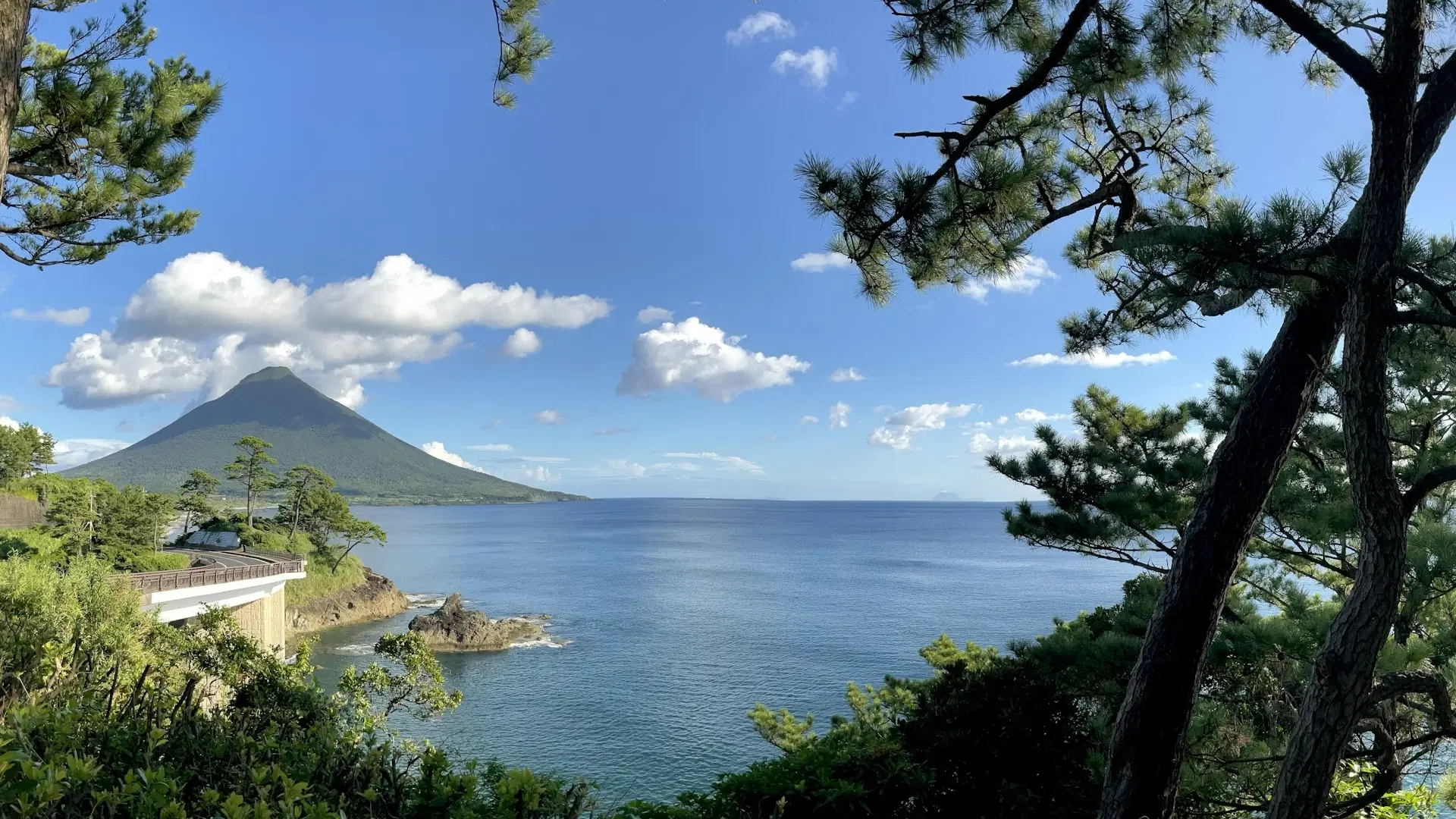
いぶすき菜の花マラソンThe Ibusuki Nanohana Marathon is a race run through a calendar anomaly. While the rest of Japan shivers through the coldest weeks of the year, the southern tip of the Satsuma Peninsula is already in bloom, its fields blanketed with nanohana, the bright yellow rapeseed flowers whose appearance in January signals a spring that arrives here months before the rest of the archipelago. The marathon, held on the second Sunday of January, sends runners through this precocious landscape along a coastal route that passes volcanic beaches, subtropical forests, and the conical silhouette of Mount Kaimon, creating a running experience whose visual rewards match the physical challenge.
The race has earned a devoted following among Japanese runners not for its course record potential but for its warmth, both climatological and communal. The course, which includes a full marathon and a half marathon, is supported by local volunteers whose enthusiasm transforms the roadsides into a continuous corridor of encouragement, the cheering augmented by offerings of shochu, tangerines, and hot sweet potato that blur the boundary between aid station and hospitality. The atmosphere is celebratory rather than competitive, the majority of the approximately 13,000 participants running for the experience of completing a marathon in conditions that feel more like April than January.
For the non-running traveler, the marathon weekend provides an opportunity to experience Ibusuki at its most vibrant, the normally quiet spa town animated by athletes and their supporters from across Japan. The nanohana fields, cultivated specifically to peak during the marathon period, offer photographic opportunities that capture the improbable intersection of winter marathon running and spring flower viewing.
The Ibusuki Nanohana Marathon is a race run through a calendar anomaly.
History & Significance
The Ibusuki Nanohana Marathon was first held in 1983, conceived as an event that would capitalize on the region's unique climatic advantage and attract visitors during a period when tourism traditionally slows. The founders understood that Ibusuki's January warmth, a product of the Kuroshio Current and the subtropical latitude, was not merely a weather statistic but a marketable experience: the promise of running a marathon in shirtsleeves while the rest of Japan required overcoats.
The decision to align the race with the nanohana bloom was both practical and poetic. The rapeseed flowers, planted across the peninsula's agricultural land, provided a visual spectacle that elevated the race from a sporting event to a landscape experience. The name itself, linking the race to the flowers rather than merely to the city, signaled that the marathon was as much about the setting as the running. This integration of sport and environment proved prescient, and the race's reputation has grown steadily, its field now capped by registration limits that are typically reached within weeks of opening.
The marathon's role in Ibusuki's annual calendar has deepened over the decades, the event becoming a point of civic pride that mobilizes the entire community. Volunteer participation rates are among the highest of any Japanese marathon, reflecting a collective understanding that the race represents not just tourism revenue but a seasonal ritual that connects the town to the broader running community and affirms the uniqueness of its subtropical microclimate.
What to Expect
The marathon course follows a route that loops through the Ibusuki peninsula, beginning and ending near the city center. The early kilometers pass through urban streets lined with cheering spectators, but the course soon enters the agricultural landscape where the nanohana fields provide the visual spectacle that defines the race. The yellow flowers, blooming in dense masses on both sides of the road, create a corridor of color that is photographed so frequently by running participants that finish times are almost secondary to the visual documentation of the experience.
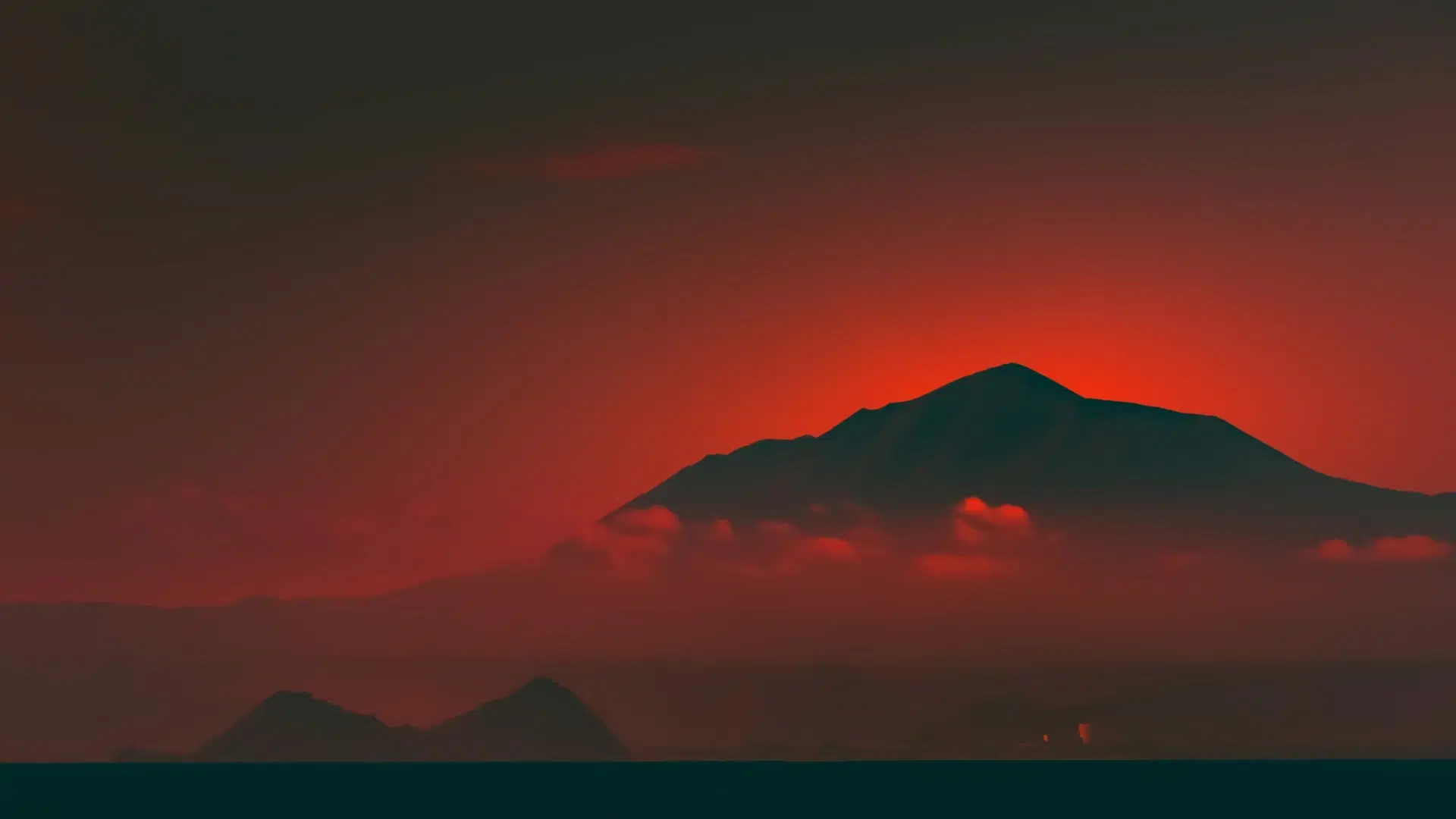
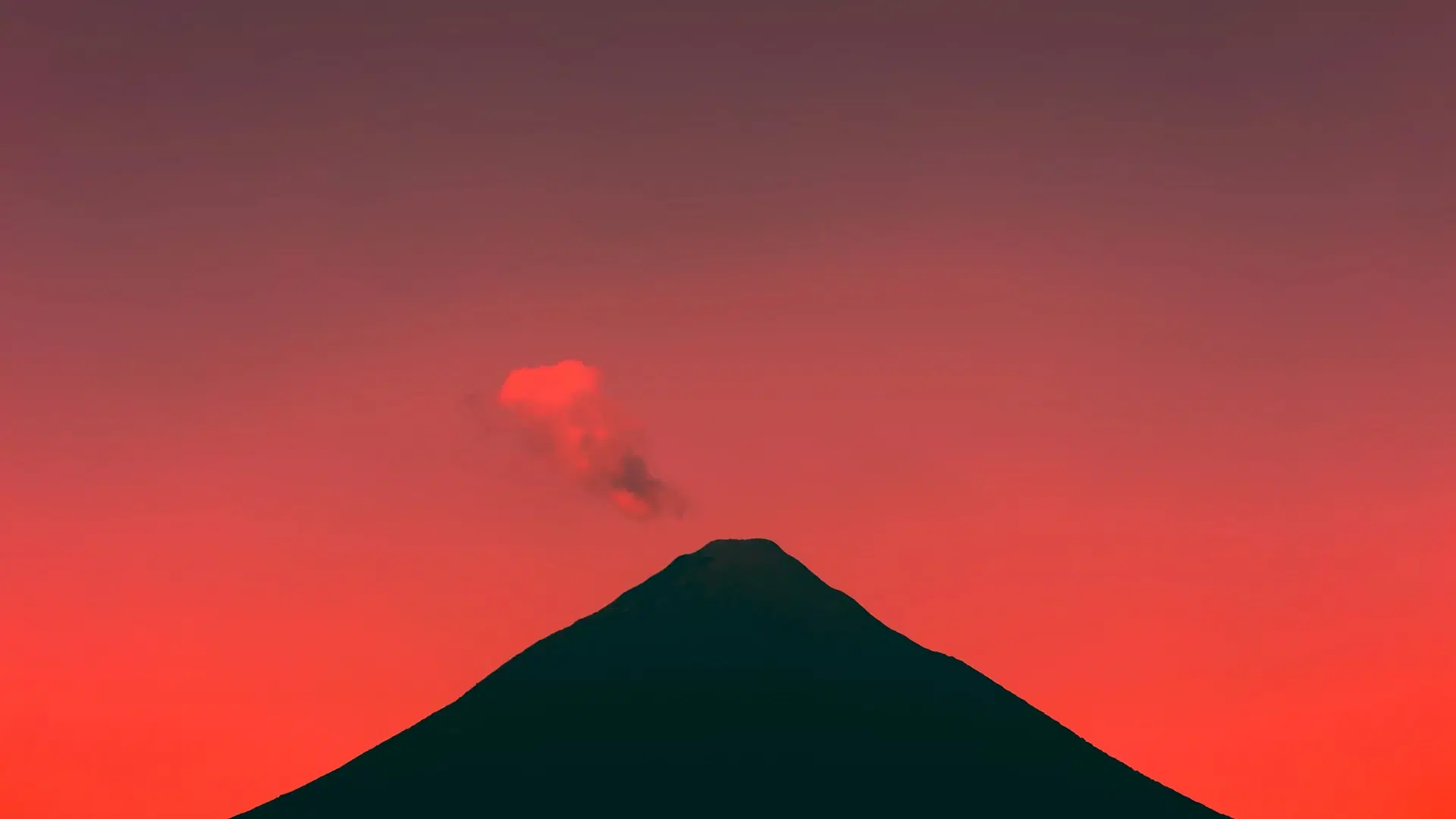
Mount Kaimon serves as the race's visual landmark, its symmetrical cone visible from multiple points along the course, growing larger as the route approaches the peninsula's tip before receding as runners turn back toward the city. The coastal sections offer views across Kinko Bay to Sakurajima, the volcano's plume providing a reminder that the warmth beneath the runners' feet has geological as well as meteorological origins. The course profile is gently undulating rather than flat, the hills modest but sufficient to test legs in the later kilometers.
The post-race experience includes Ibusuki's signature sand bath, the heated volcanic sand providing a recovery treatment that is both therapeutic and thematically appropriate, the runner's body surrendering to the earth's warmth after having traversed its surface. Many participants consider the sand bath an integral part of the marathon experience, the transition from running to immersion completing a physical narrative that encompasses movement, landscape, and rest.