Nagasaki
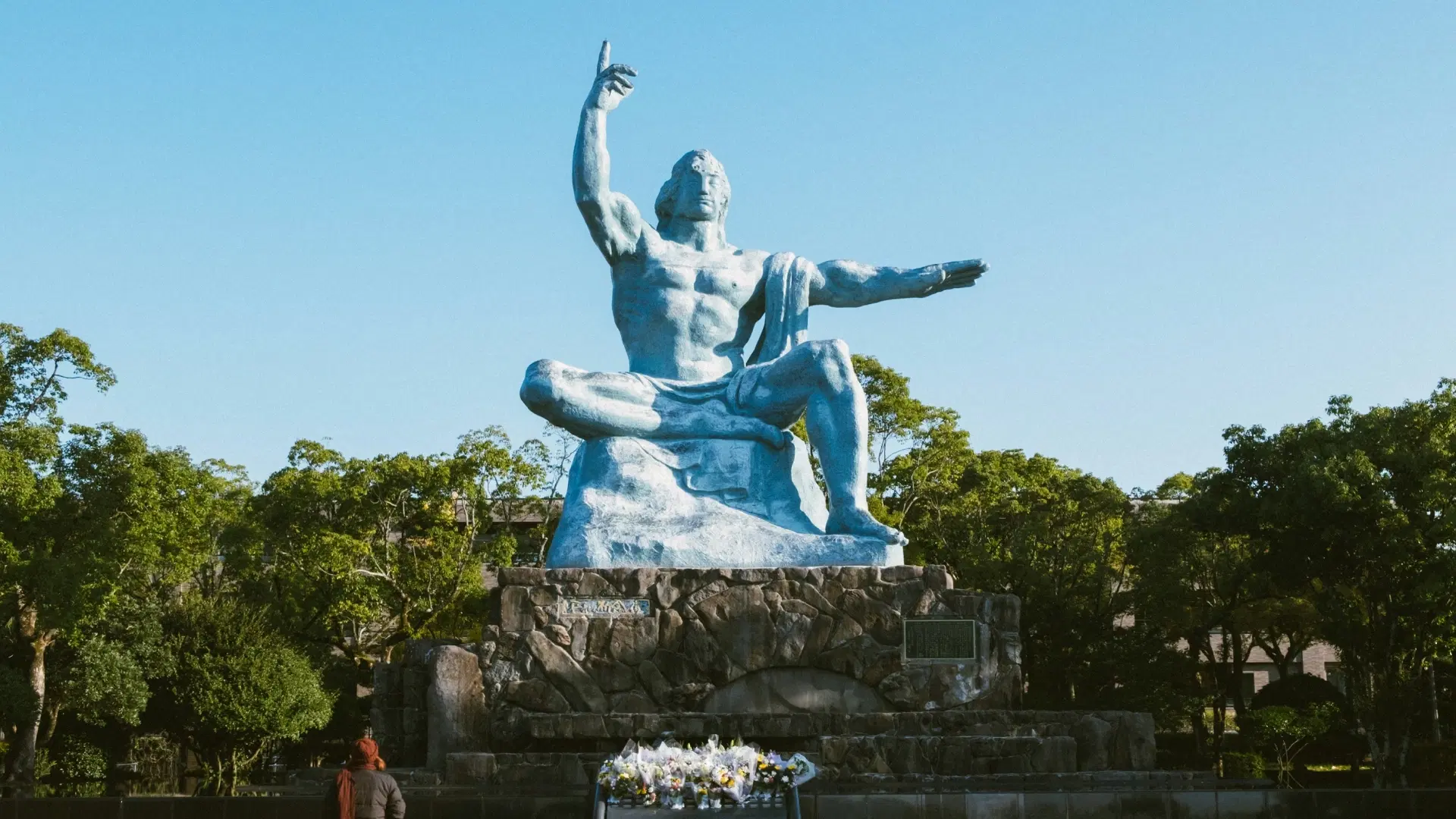
長崎県Nagasaki occupies a singular position in the Japanese imagination: it is the place where the outside world entered, and where the costs of that encounter were measured most terribly. For two centuries during sakoku, Japan's period of isolation, Nagasaki's Dejima island was the nation's sole window to Europe, a tiny fan-shaped trading post where Dutch merchants lived under watchful eyes. That long, strange intimacy left marks everywhere, in the city's stone-paved slopes, its castella sponge cake, its churches tucked into hillside neighborhoods where hidden Christians kept faith alive for generations.
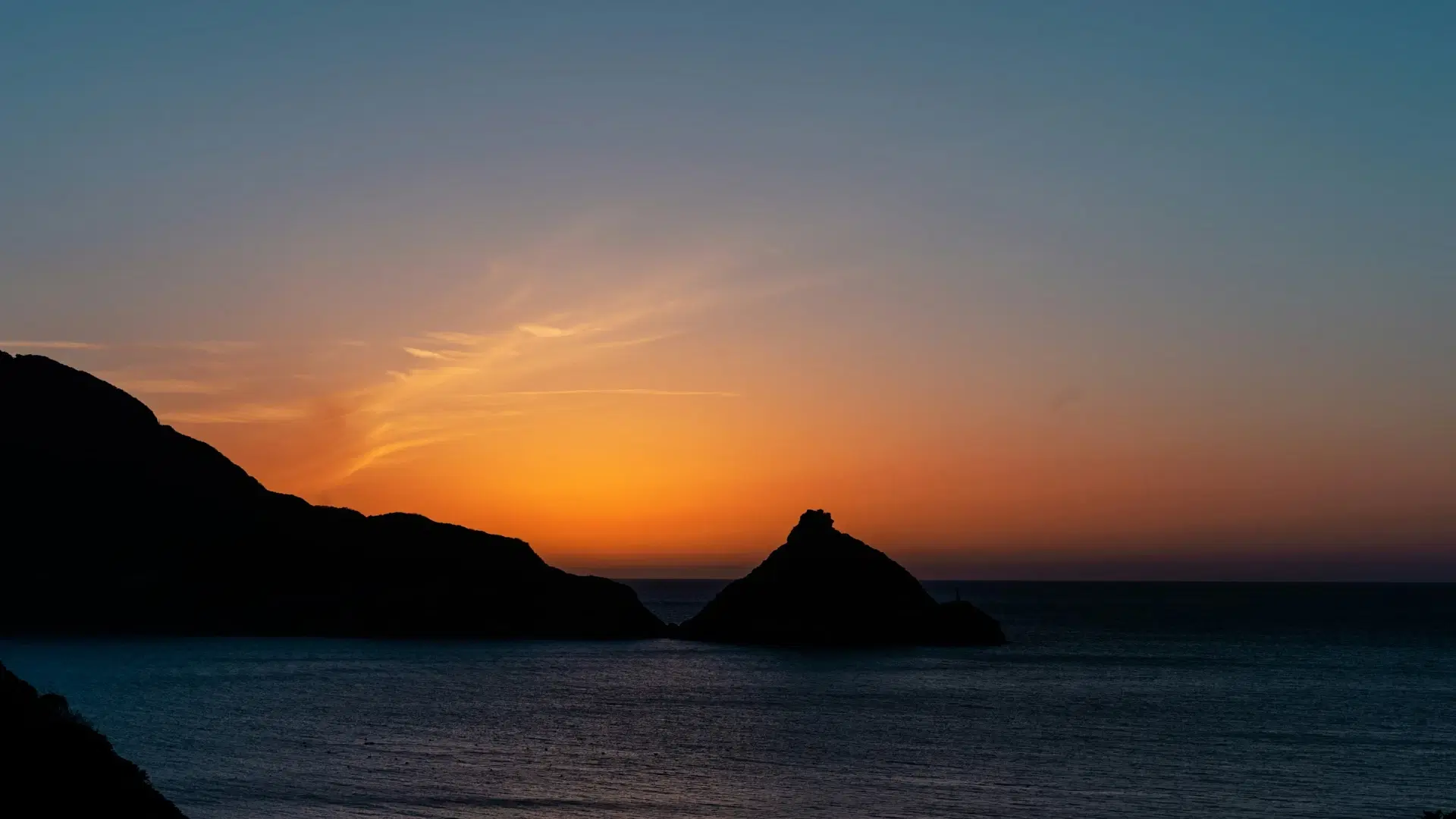
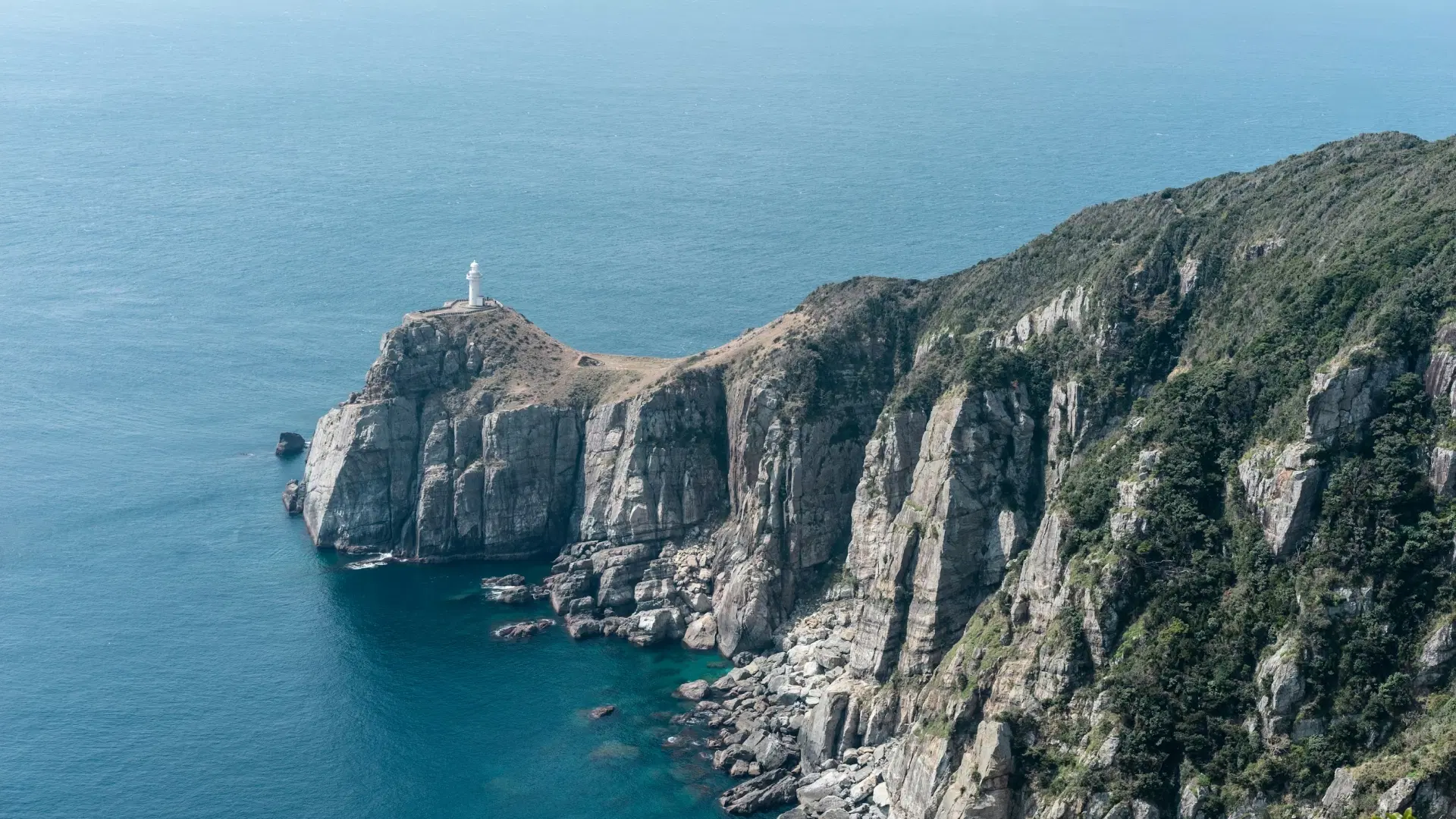
The city itself rises steeply from a narrow harbor, its layers visible in a single glance: Shinto torii, Dutch warehouses, Chinese temples, Catholic cathedrals, and the solemn geometry of the Peace Park. Yet Nagasaki is not a city defined solely by its history of contact and loss. The surrounding prefecture reaches into wilder territory. The Goto Islands, an archipelago of 140 islands to the west, hold some of Japan's most pristine coastline and the quiet stone churches that earned the region UNESCO World Heritage status.
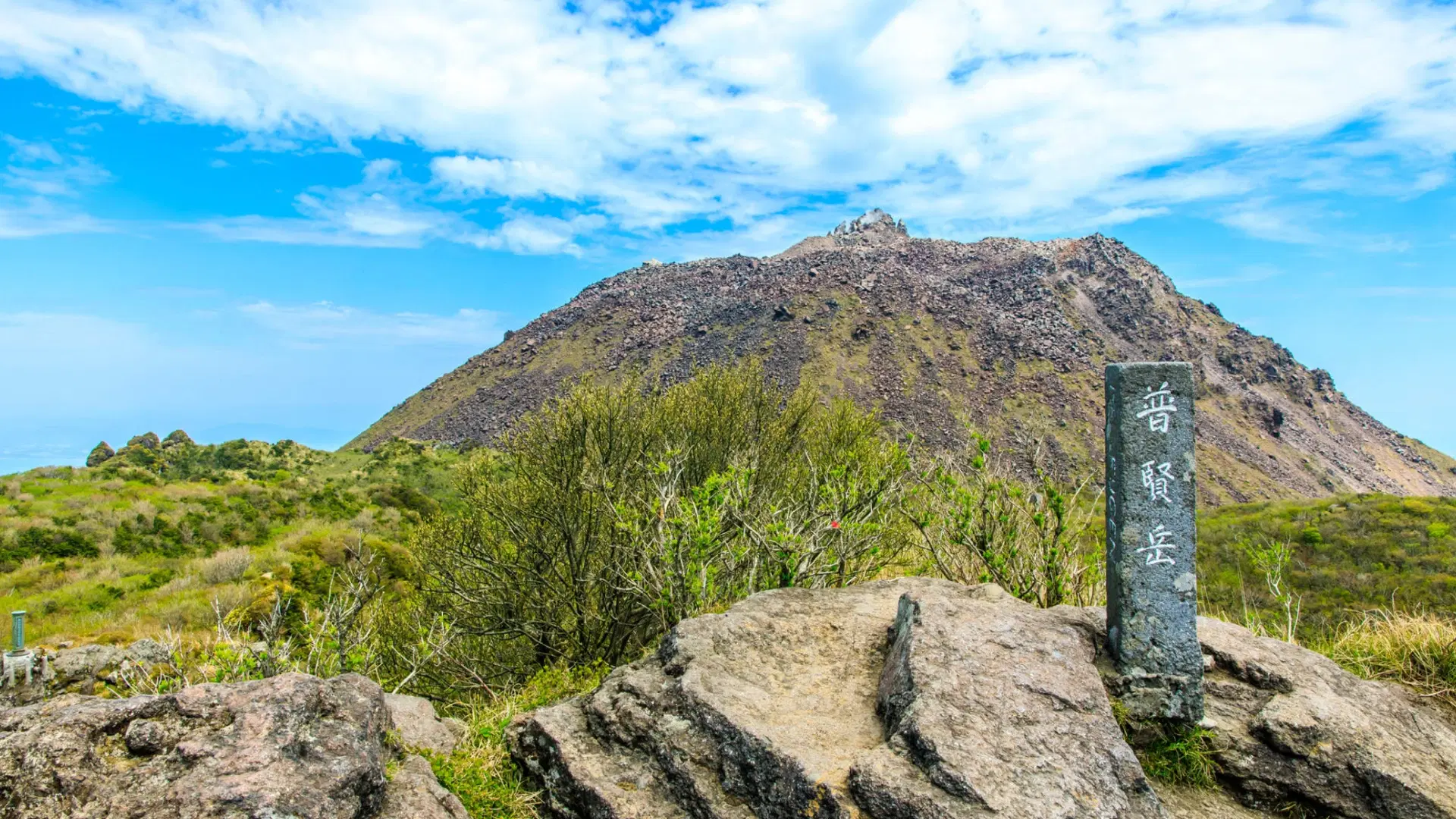
To the east, the Shimabara Peninsula rises to the volcanic summit of Unzen, a mountain whose sulfurous jigoku hells have been steaming since the seventeenth century. Unzen Onsen, perched on its slopes, was Kyushu's first international resort, favored by European visitors in the Meiji era. Nagasaki is a prefecture of edges: where land meets sea, East meets West, and the volcanic earth reminds you that nothing here is permanent.
Nagasaki occupies a singular position in the Japanese imagination: it is the place where the outside world entered, and where the costs of that encounter were measured most terribly.
Cultural Identity
Nagasaki's cultural fabric is woven from threads found nowhere else in Japan. The hidden Christian communities of the Goto Islands and Sotome coast maintained their faith through 250 years of persecution, creating a syncretic tradition of prayers, icons, and rituals that UNESCO recognized in 2018. Dejima, the reconstructed Dutch trading post, preserves the physical memory of Japan's only sanctioned point of European contact during sakoku. Chinese influence runs equally deep: Sofukuji and Kofukuji temples, built by Fujianese merchants in the seventeenth century, bring Ming Dynasty architecture to Kyushu's hillsides. The Nagasaki Kunchi festival, held each October at Suwa Shrine, weaves all these influences into a single celebration, with dragon dances of Chinese origin performed alongside Dutch-ship floats and Japanese taiko.
Culinary Traditions
Nagasaki's kitchen is the most cosmopolitan in Japan, shaped by centuries of Portuguese, Dutch, and Chinese exchange. Champon, a thick noodle soup loaded with pork, seafood, and vegetables, was invented by a Chinese restaurateur to feed students and has become the city's defining bowl. Sara udon, its crispy-noodle cousin, offers a textural counterpoint. Castella, the honey-gold sponge cake brought by Portuguese missionaries in the sixteenth century, has been refined over four hundred years into a confection of astonishing delicacy. Shippoku ryori, Nagasaki's formal banquet cuisine, places Chinese, European, and Japanese dishes on a single lacquered table, a culinary record of the city's history of encounter. On the Goto Islands, udon noodles dried in ocean wind carry a faint salinity that distinguishes them from all others.
Waters & Onsen
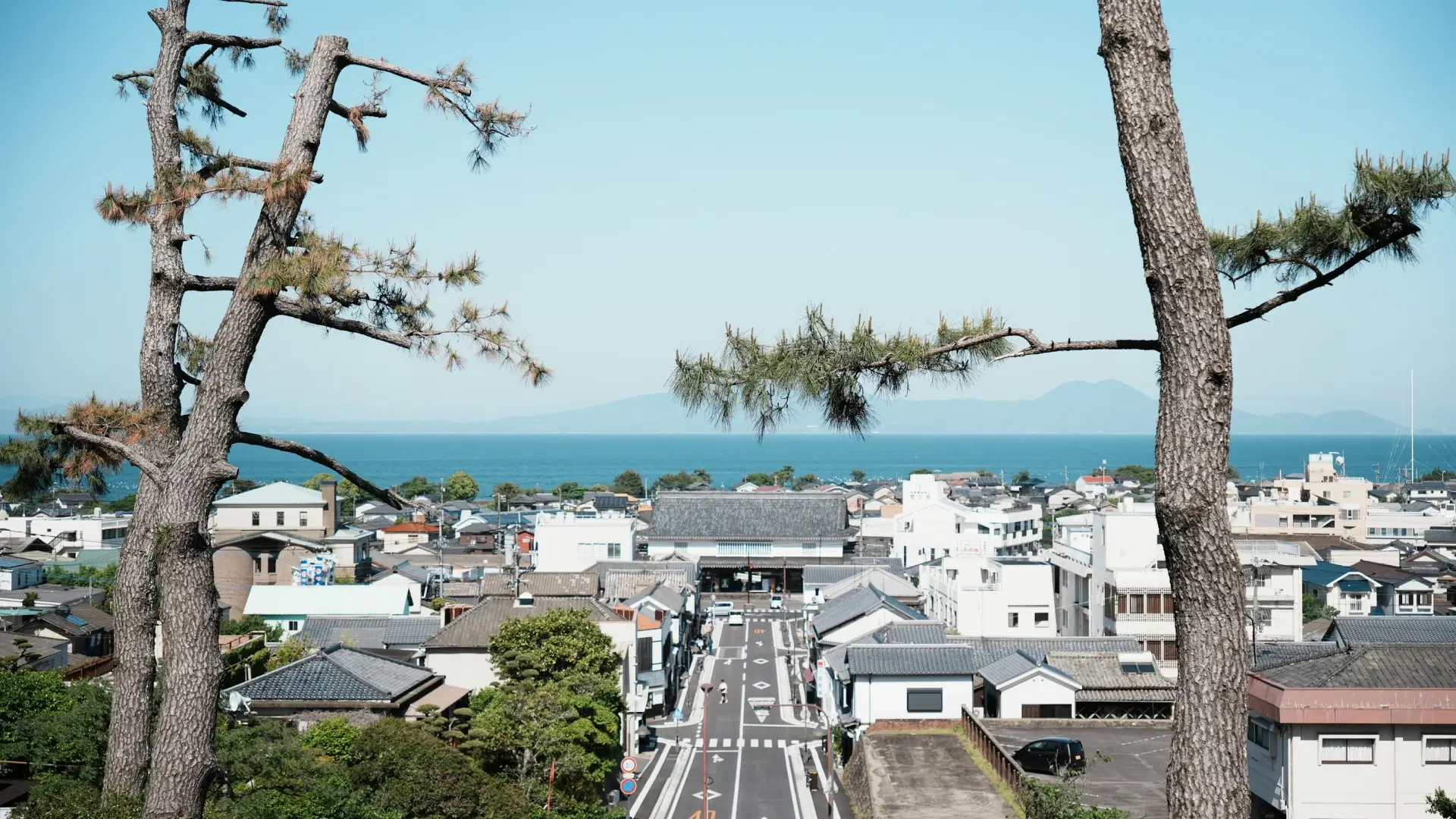
Unzen Onsen is Nagasaki's volcanic crown. Perched at 700 meters on the Shimabara Peninsula, its sulfurous jigoku hells billow steam across a landscape of bleached rock and stunted azalea. The waters are strongly acidic and sulfur-rich, known for their bactericidal properties and the sharp mineral scent that pervades the town. Unzen became Japan's first national park in 1934, and its hot springs were among the first in Kyushu to welcome Western visitors during the Meiji era, lending the town a faded cosmopolitan atmosphere. Obama Onsen, on the coast below, offers a different character entirely: sodium chloride springs that emerge at nearly 100 degrees Celsius, with foot baths stretching along the waterfront where bathers gaze out at the Ariake Sea. Shimabara's spring water, drawn from volcanic aquifers, flows through the town's koi-filled street channels.