Unzen
雲仙Unzen occupies a volcanic plateau high above the Shimabara Peninsula, and the landscape that surrounds this onsen town is one of barely contained geological fury. The jigoku, the "hells" that boil and steam at the edge of the settlement, are vents in the earth's surface through which sulfurous gases and superheated water escape with a violence that reminds the visitor, more forcefully than any textbook could, that the thin crust of the planet is all that separates the domestic world from the molten interior. The smell of sulfur permeates the air, the ground trembles faintly beneath one's feet, and the clouds of white steam that rise from the vents and drift across the town give Unzen an atmosphere of otherworldly drama that sets it apart from the gentle greenery of most Japanese onsen destinations.
Yet Unzen is also a place of surprising refinement. The town's development as an international resort began in the 1880s, when foreign residents of Shanghai and the treaty ports of Japan discovered the volcanic plateau's cool summer climate and established it as a hill station where the heat of the Asian summer could be escaped. The hotels, golf courses, and walking trails they created gave Unzen a cosmopolitan character that persists in the architectural remnants of the colonial era and in the town's comfortable familiarity with foreign visitors. The designation of Unzen as Japan's first national park in 1934 formalized the protection of the landscape that these early visitors had recognized as extraordinary.
The volcanic geology that produces the jigoku also produces onsen water of exceptional mineral richness. The acidic, sulfurous waters of Unzen, which emerge at temperatures exceeding ninety degrees Celsius before being cooled for bathing, carry a concentration of dissolved minerals that gives them a potency felt immediately upon immersion. The skin tingles, the heat penetrates with unusual rapidity, and the sulfurous aroma, initially startling, becomes oddly comforting as the body adjusts to the bath's intensity. These are waters that announce their therapeutic ambitions from the first moment of contact.
Unzen occupies a volcanic plateau high above the Shimabara Peninsula, and the landscape that surrounds this onsen town is one of barely contained geological fury.
Highlights
The Unzen Jigoku, the geothermal area that occupies the eastern edge of the town, is a landscape of violent beauty. Thirty or more vents release steam, boiling water, and sulfurous gases across a terrain of bare rock and mineral-stained earth, creating a spectacle that is simultaneously fascinating and faintly terrifying. Boardwalks allow visitors to traverse the area at close quarters, the steam enveloping them in clouds that smell of the planet's interior and that dissolve to reveal new vents, new colors, new evidence of the forces at work beneath the surface. The jigoku carry a somber historical weight as well: during the persecution of Christians in the early seventeenth century, these boiling springs were used as instruments of torture and execution, and monuments within the geothermal area commemorate the martyrs who died here.
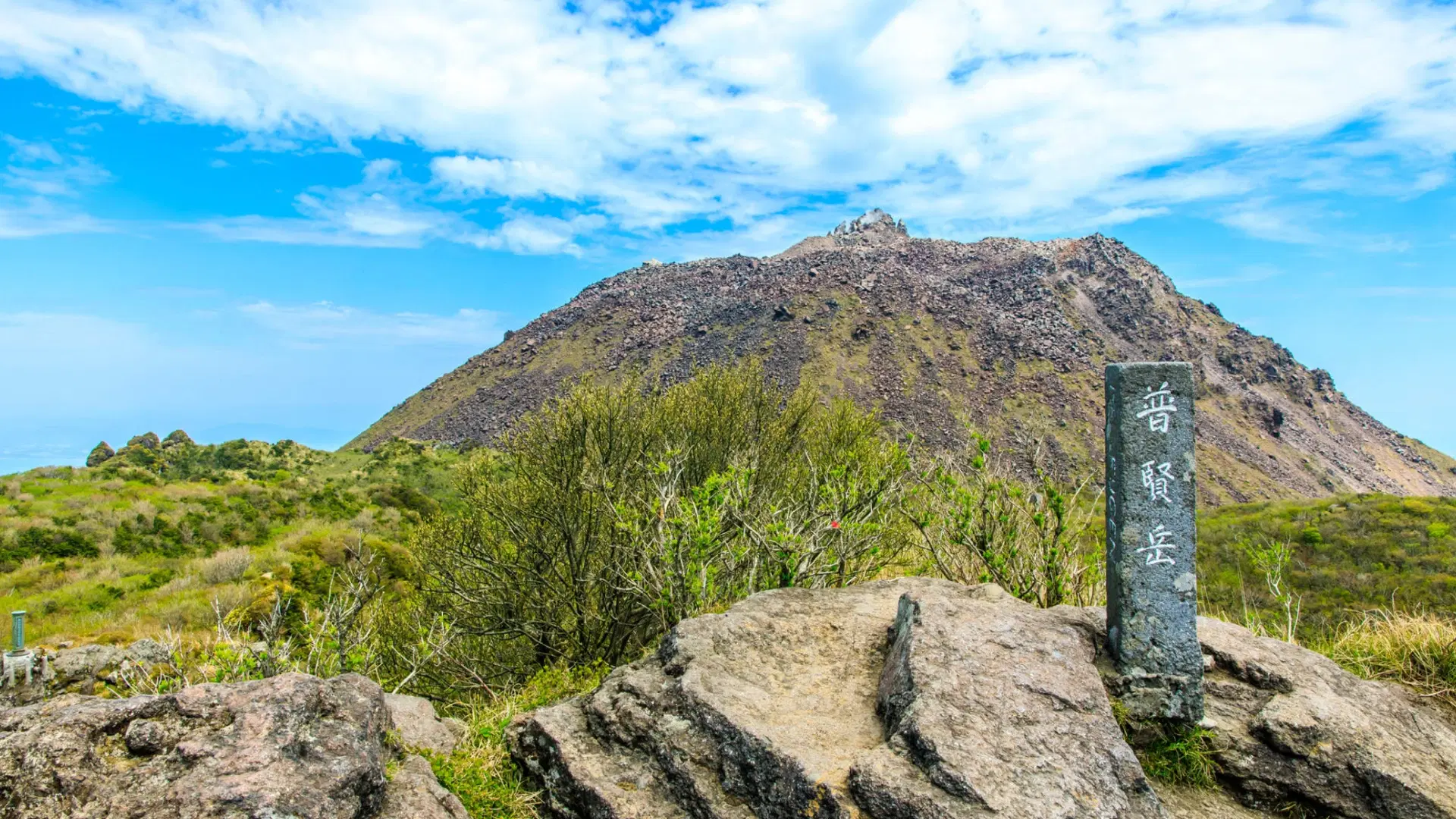
Mount Unzen, the volcanic complex that rises above the town, provides hiking opportunities that range from gentle woodland walks to challenging ascents of the active peaks. The Nita Pass, accessible by ropeway, offers views across the Shimabara Peninsula, the Ariake Sea, and, on clear days, the mountains of Kumamoto and the distant outline of the Amakusa Islands. The alpine vegetation of the upper slopes, including the azaleas that bloom spectacularly in late April and May, provides botanical interest that complements the geological drama.
The town itself retains the character of a mountain resort whose best days are, refreshingly, neither past nor future but simply present. The ryokans and hotels, many dating to the early twentieth century, maintain a standard of hospitality that reflects decades of welcoming visitors. The walking paths that connect the jigoku, the town center, and the surrounding forest provide a network of strolls whose variety ensures that even extended stays offer fresh perspectives. And the public bathhouses, offering the full-strength Unzen water at modest cost, provide the essential volcanic bathing experience to every visitor.
Culinary Scene
Unzen's cuisine draws on the volcanic landscape and the agricultural terraces of the surrounding Shimabara Peninsula. The onsen tamago, eggs cooked slowly in the geothermal waters until the whites achieve a silky translucence and the yolks remain warm and barely set, are Unzen's most characteristic culinary product, their preparation dependent on the same geological forces that produce the baths. Vendors near the jigoku sell eggs cooked in the steam vents, and the flavor, carrying a faint mineral note from the sulfurous water, is subtly different from eggs prepared by any other method.
The Shimabara Peninsula's agricultural output, including the sweet potatoes, citrus, and vegetables that thrive in the volcanic soil, appears at the ryokan tables alongside the seafood of the surrounding Ariake and Tachibana bays. The Shimabara hand-stretched somen noodles, a tradition particular to this region, are served cold in summer with a clean dipping sauce or warm in winter in a broth that draws on the local dashi tradition. The purity of the mountain water used in their preparation contributes to the noodles' distinctive clarity of flavor.
The ryokan kaiseki in Unzen tends toward the robust rather than the delicate, reflecting the mountain location and the restorative purpose of the onsen visit. Dishes are generous, flavors are direct, and the warmth of the preparations, from hot pot to grilled mountain vegetables to steaming rice, provides the internal complement to the external warmth of the bath.