Shimabara
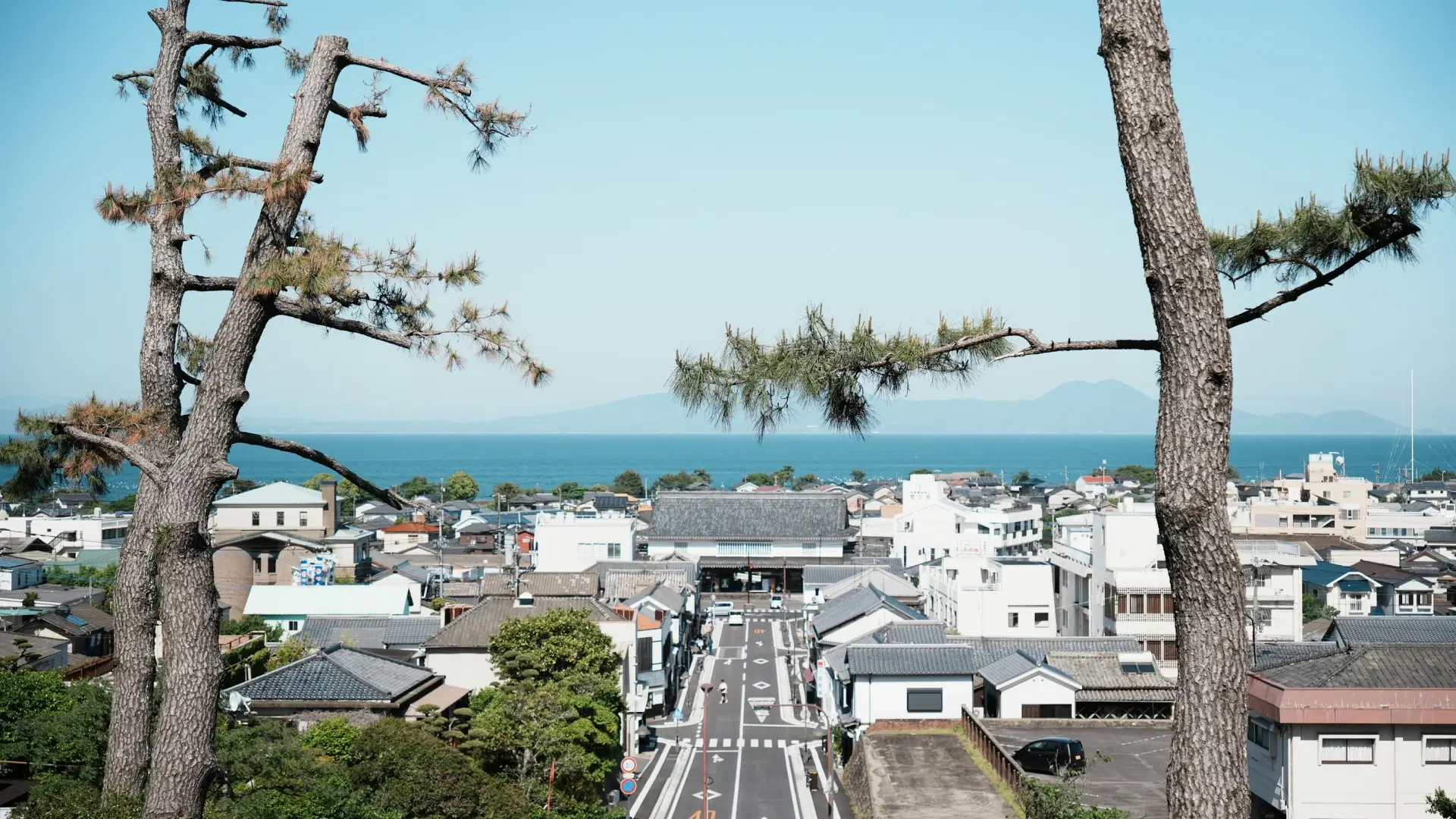
島原Shimabara is a city of water and fire, its character shaped by the twin forces that have determined its history and continue to define its landscape. The fire comes from Mount Unzen, the volcanic complex that looms above the city and whose catastrophic eruption in 1792 produced a collapse and tsunami that killed approximately fifteen thousand people in one of the deadliest volcanic disasters in Japanese history. The water comes from the springs that emerge throughout the city, the volcanic geology producing an abundance of clear, cold groundwater that surfaces in garden pools, street-side channels, and the koi-filled waterways that have earned Shimabara the nickname "City of Springs."
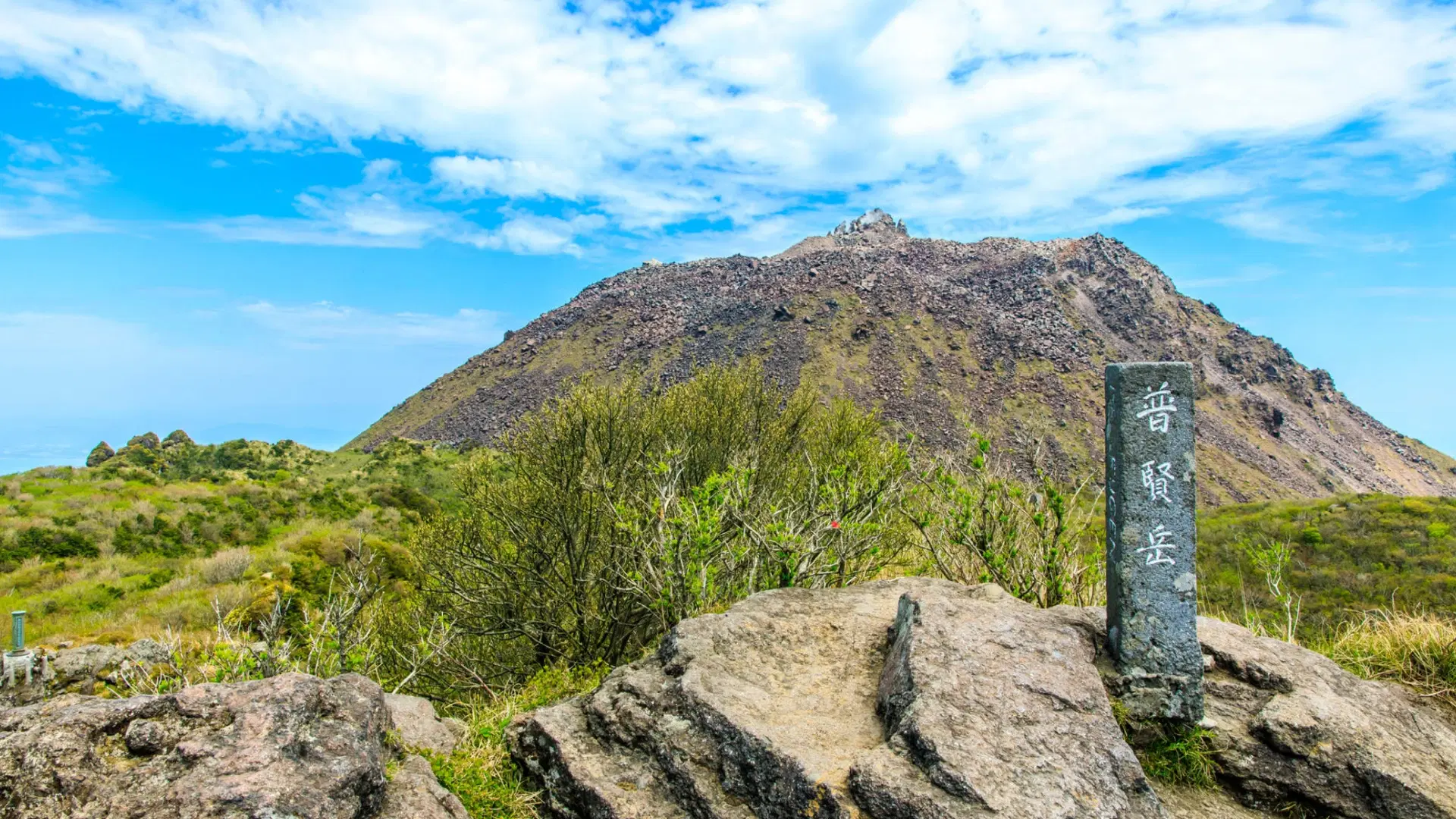
The interplay between these forces has produced a landscape of unusual beauty and poignancy. The castle, rebuilt in its present concrete form in 1964, rises above a town whose streets are lined with samurai residences, spring-fed gardens, and the narrow channels of flowing water that give the old districts their particular character. The volcanic peaks above the city, including the lava dome created by the 1990-1995 eruptions, provide a constant reminder of the geological forces that both threaten and sustain the community. The Shimabara Rebellion of 1637-1638, the largest civil conflict in Tokugawa-era Japan, adds a layer of historical tragedy that connects the city's past to the broader narrative of religious persecution and popular resistance.
Yet Shimabara carries its heavy history with a lightness that surprises first-time visitors. The samurai district, with its stone-walled lanes and spring-fed gardens, has the quiet beauty of a place that has found peace after turbulence. The spring water that flows through the streets creates a soundscape of gentle movement that soothes the ear as it pleases the eye. And the views from the castle across the Ariake Sea to Kumamoto, visible on clear days as a dark line on the eastern horizon, open the city's perspective beyond its immediate geography to the broader world of which it has always been a part.
Shimabara is a city of water and fire, its character shaped by the twin forces that have determined its history and continue to define its landscape.
Highlights
Shimabara Castle, originally built in 1624 by the Matsukura lords and reconstructed in 1964, dominates the city from its hilltop position. The castle's white walls and five-story tower, framed by the volcanic peaks behind and the Ariake Sea before, create a composition that distills the city's character into a single image. The museum within the tower documents the Shimabara Rebellion and the city's volcanic history, providing the narrative context that gives the landscape its full meaning. The castle grounds, planted with cherry trees and surrounded by a broad moat that reflects the tower and the sky, are the city's finest hanami site in spring.
The samurai district of Shimabara preserves a streetscape of Edo-period residences whose stone walls and tiled roofs line a central channel of spring water in which koi swim with the leisure of creatures that have never known urgency. The preserved residences are open to visitors, and their interiors, furnished with the modest belongings of the lower-ranking samurai who occupied them, provide a corrective to the grand image of the warrior class, revealing the quotidian reality of lives governed by duty, frugality, and the slow passage of peaceful decades.
The spring water sites scattered throughout the city offer the most intimate encounters with Shimabara's aquatic character. The Shimeiso garden, a private residence whose spring-fed pond is open to the public, provides a pocket of beauty whose composed stillness contrasts with the geological violence that produced the springs. The Shirakawa Suigen, the city's primary spring source, produces water of such clarity and volume that it seems to materialize from nothing, a perpetual gift from the volcanic depths.
The Unzen Disaster Memorial Hall, located at the foot of the volcanic slopes, documents the 1990-1995 eruptions and the debris flows that destroyed entire communities with a thoroughness that honors the memory of the victims while educating visitors about the ongoing volcanic reality of life on the Shimabara Peninsula.
Culinary Scene
Shimabara's spring water defines its culinary character. The kanzarashi, small balls of shiratama mochi served in a cold sugar syrup made with the city's famous spring water, is Shimabara's signature sweet, its simplicity elevating the quality of the water itself to the status of primary ingredient. The mochi, tender and slightly chewy, dissolves in the clear syrup, and the gentle sweetness of the preparation allows the purity of the spring water to speak. The kanzarashi shops, several of which are positioned beside the springs from which their water is drawn, serve this confection with a directness that eliminates the distance between source and table.
The Shimabara hand-pulled somen noodles, produced using techniques that have been refined over centuries, represent the city's most significant culinary tradition. The noodles, extraordinarily thin and served chilled in the spring water that is their ideal medium, achieve a clarity of flavor and a fineness of texture that mass-produced somen cannot approach. In summer, the noodles are served in flowing water, the nagashi somen style, and the act of catching the noodles as they slide past on their watery current adds an element of playful skill to the meal.
The seafood of the Ariake Sea, whose shallow, nutrient-rich waters produce shellfish, nori, and small fish of exceptional quality, complements the freshwater traditions. The guzoni, a hearty soup of rice cakes, seafood, vegetables, and a rich dashi broth, is Shimabara's winter staple, its generous composition reflecting the practical needs of a community whose labor, whether agricultural or maritime, demanded substantial nourishment.
Ryokans in Nagasaki
There are no ryokans in our guide listed in Shimabara. See our selection across Nagasaki.
View ryokans in Nagasaki