Kumamoto
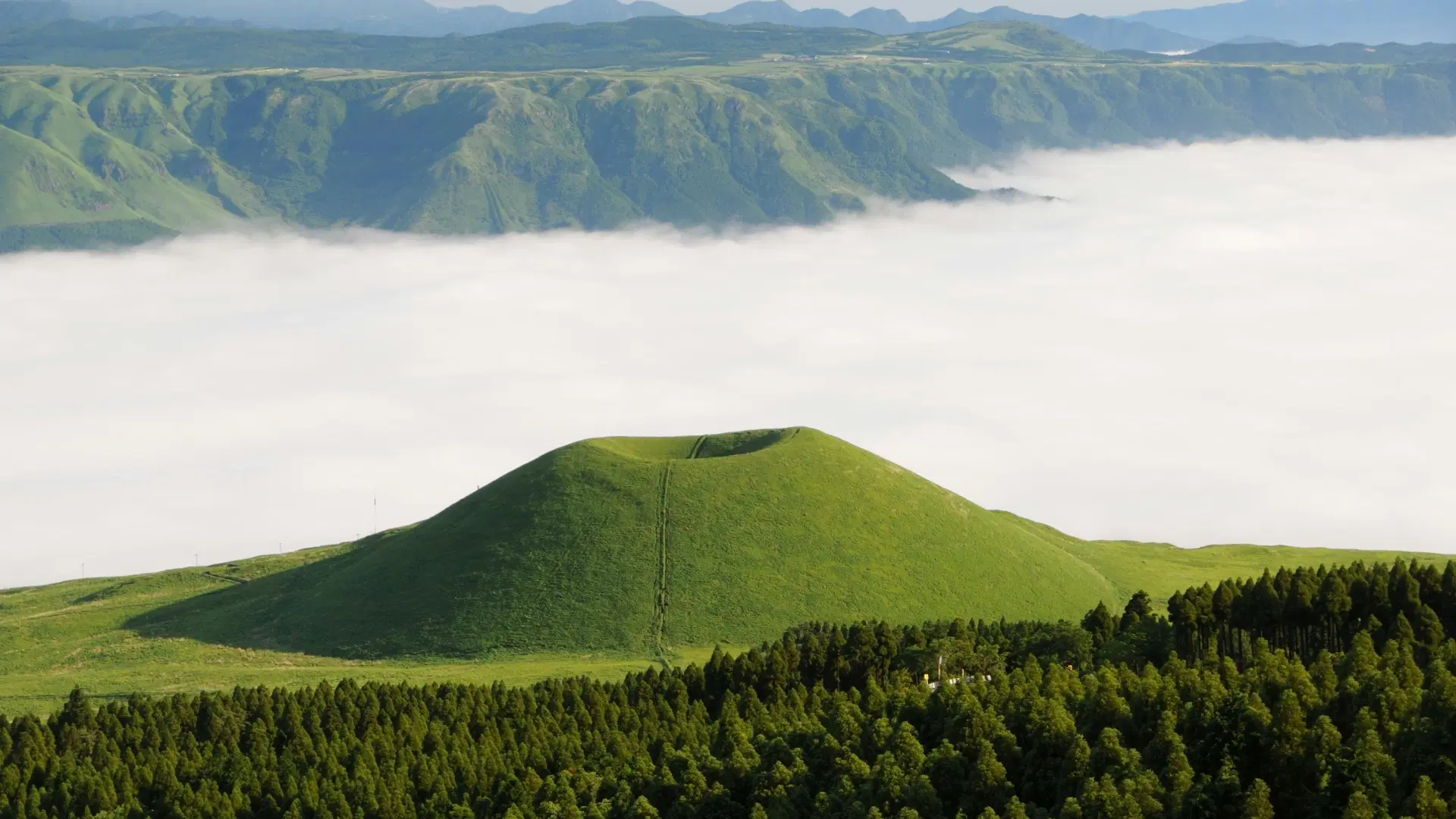
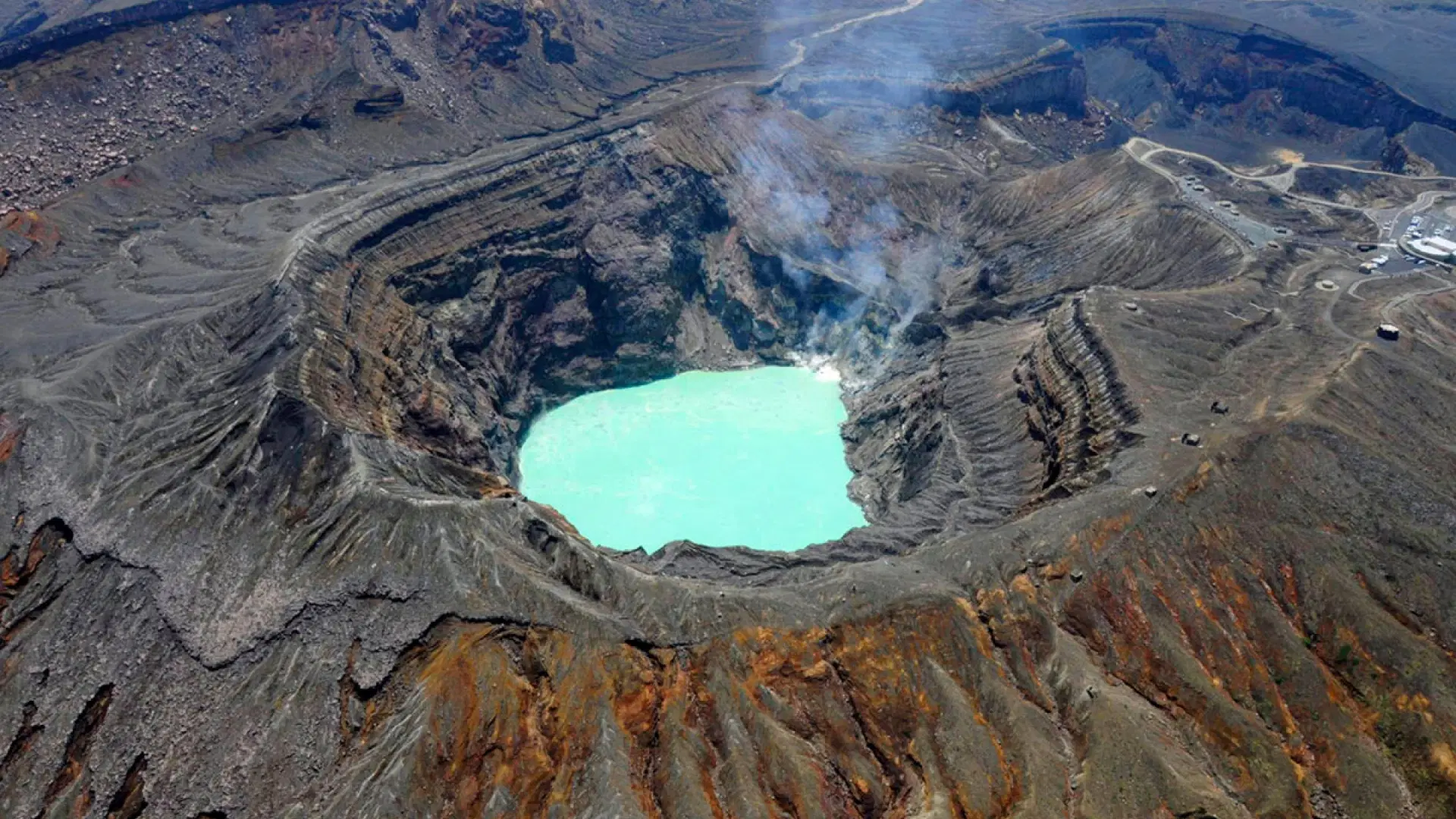
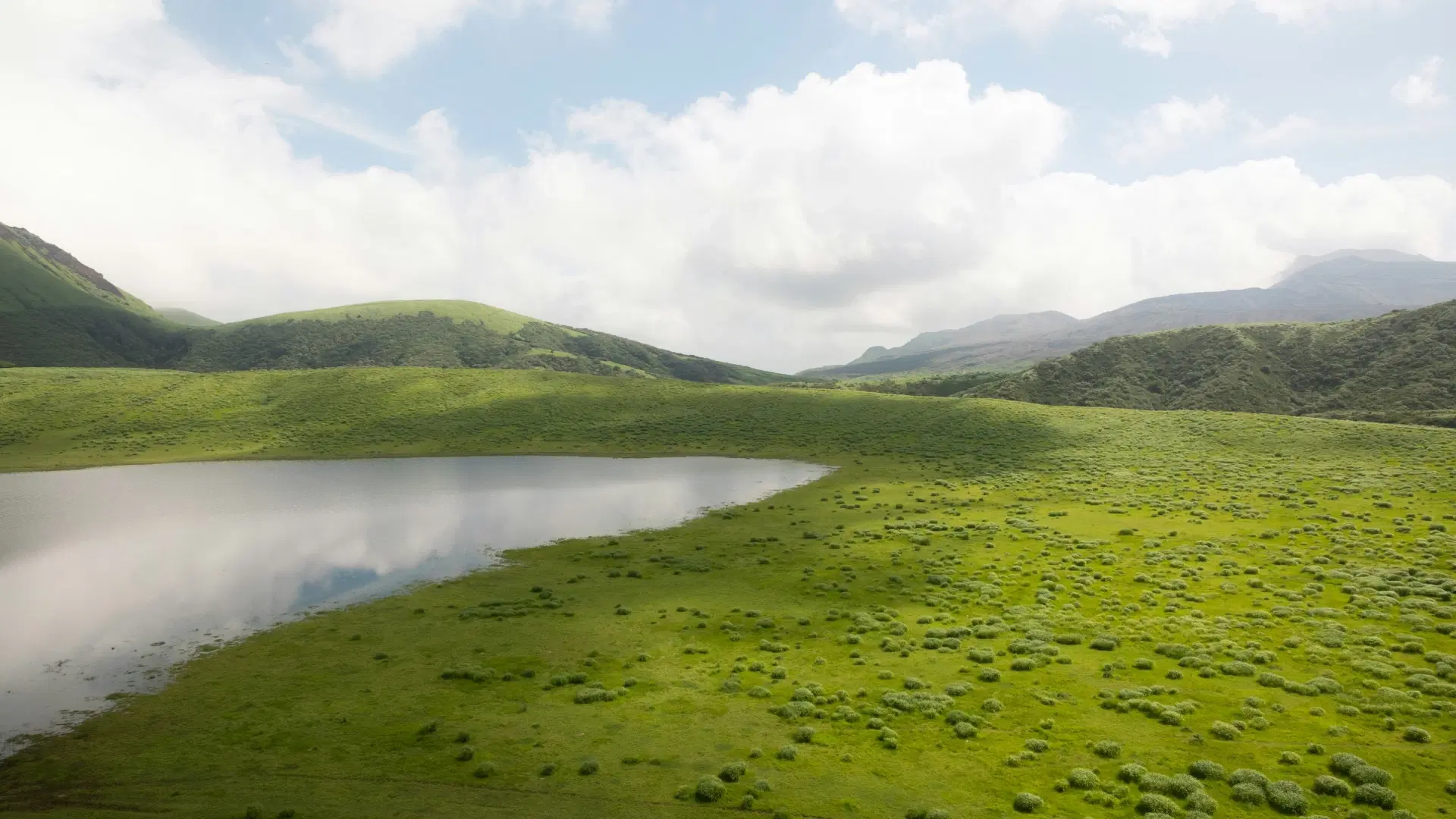
熊本県Kumamoto sits at the center of Kyushu in every sense: geographically, volcanically, spiritually. Its defining feature is Mount Aso, whose caldera stretches nearly 25 kilometers across, one of the largest volcanic depressions on earth. Inside that vast bowl, rice paddies and grasslands unfold beneath a sky that feels closer here than anywhere else on the island. The active cone of Nakadake still exhales sulfurous plumes, a reminder that the land is alive and restless.
Kumamoto city itself is anchored by its castle, a fortress of such scale and ingenuity that it was considered impregnable until the Seinan War of 1877. The 2016 earthquakes damaged it severely, and its ongoing restoration has become a source of civic pride, a slow, painstaking reassembly watched by the nation. Suizenji Jojuen garden, with its miniature Mount Fuji sculpted from turf, offers a pocket of Edo-period refinement within the city.
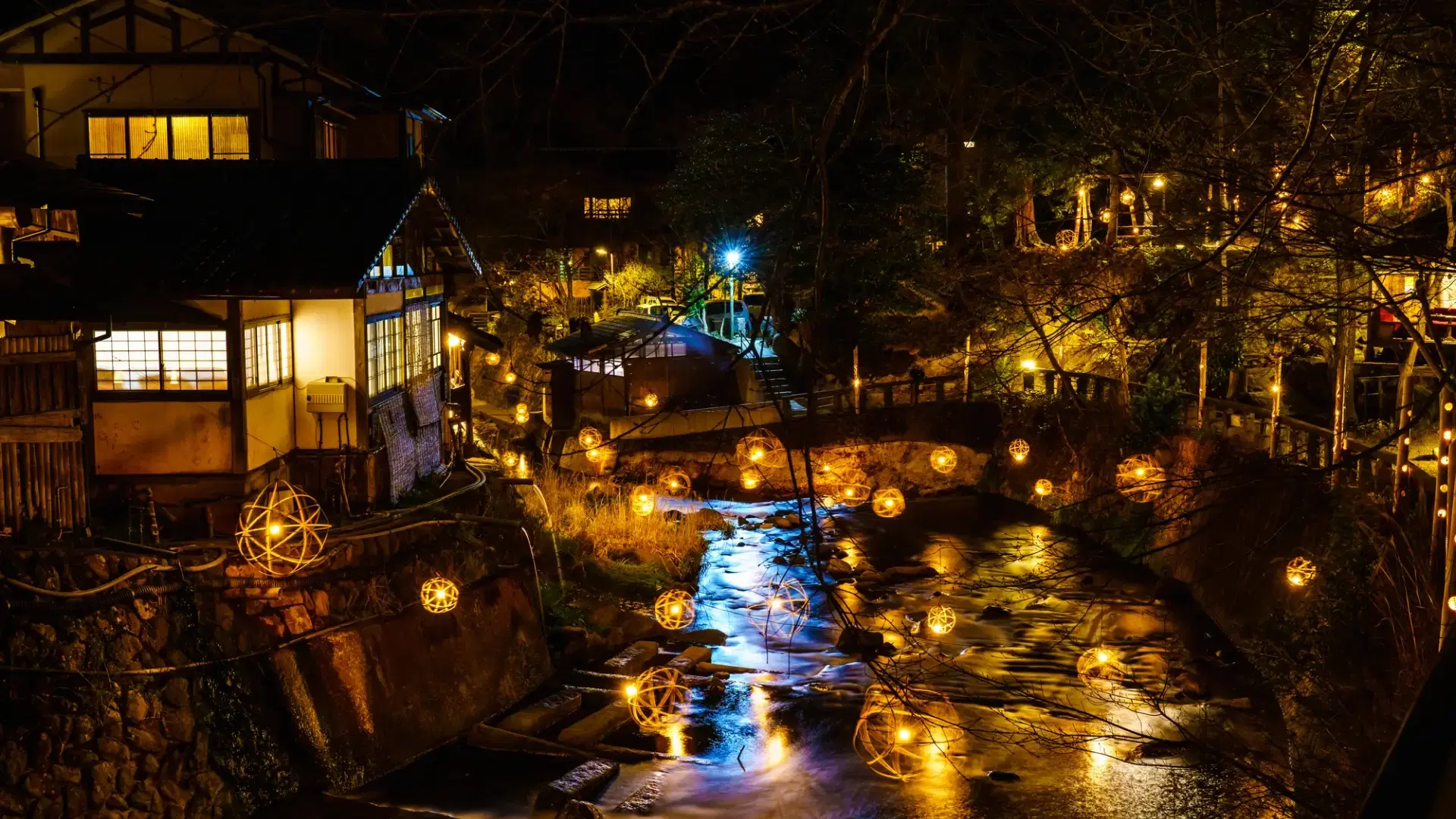
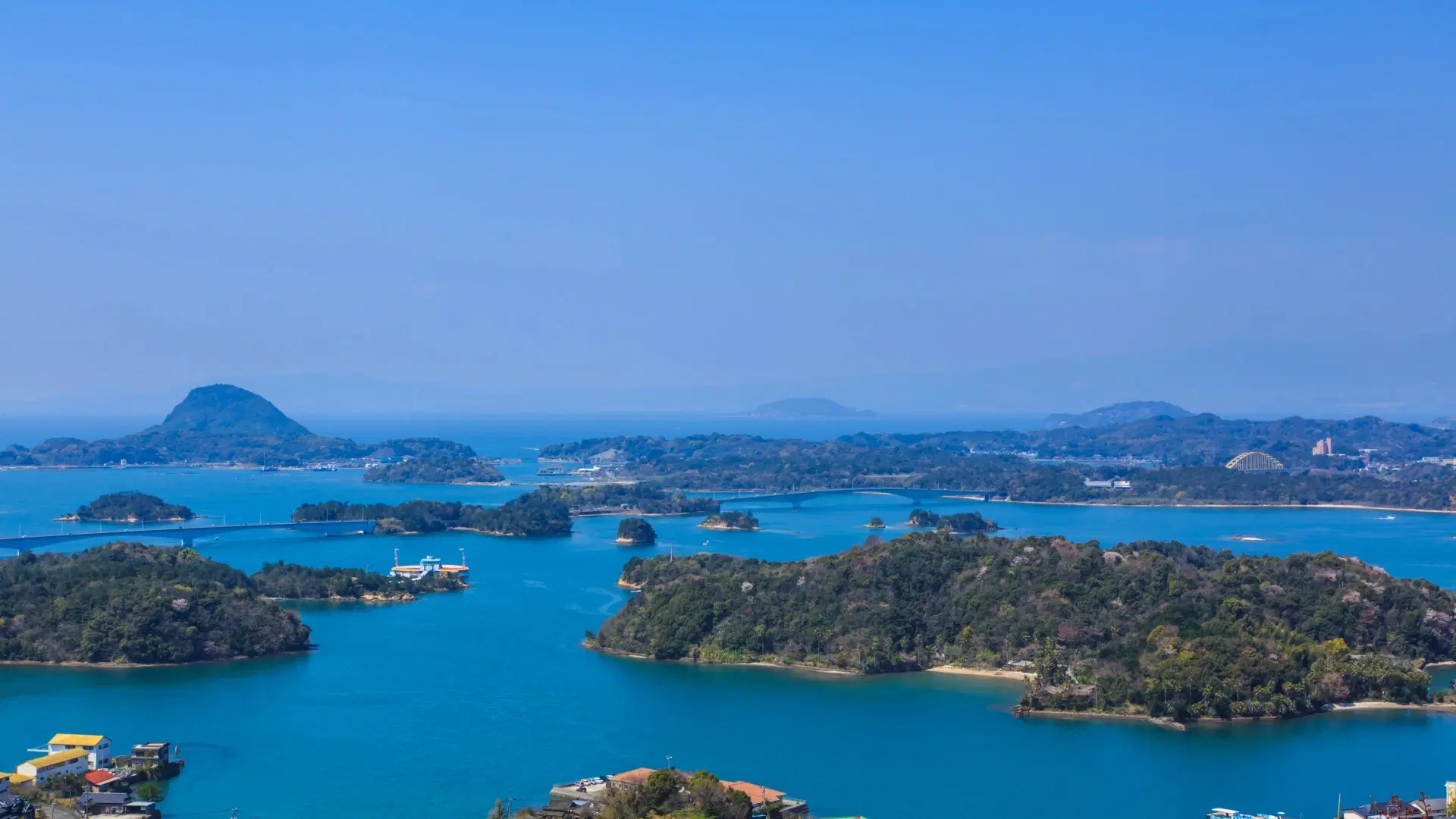
To the south, the Amakusa Islands scatter across the sea between Kyushu and the East China Sea, their hidden Christian history and dolphin-watching waters a world apart from the volcanic interior. And in the northern mountains, Kurokawa Onsen has become one of Japan's most admired hot-spring villages, its thatched-roof inns and cedar-darkened paths offering a vision of communal bathing at its most intimate. Kumamoto is a prefecture of extremes: fire and water, destruction and renewal, the caldera's vastness and the onsen's enclosure.
Kumamoto sits at the center of Kyushu in every sense: geographically, volcanically, spiritually.
Cultural Identity
Kumamoto's cultural heritage is forged in samurai discipline and volcanic grandeur. Kumamoto Castle, built by the legendary warrior Kato Kiyomasa in 1607, ranks among Japan's three premier castles, its curved ishigaki stone walls engineered to repel climbers. The castle withstood a fifty-day siege in 1877 and is now undergoing meticulous restoration following the 2016 earthquakes. Suizenji Jojuen, a strolling garden created by the Hosokawa lords, compresses the fifty-three stations of the old Tokaido road into a landscape of manicured beauty. In the Amakusa Islands, the legacy of hidden Christians persists in small churches and museums documenting a faith kept alive through persecution. Yamaga's Yachiyoza theater, a wooden kabuki playhouse from 1910, still hosts performances, its interior a marvel of Meiji-era craftsmanship.
Culinary Traditions
Kumamoto's most distinctive offering is basashi, thinly sliced raw horse meat served with grated ginger, garlic, and sweet soy sauce. The tradition runs deep here, and quality varies from lean akami to the prized, marbled futaegata belly cuts. Karashi renkon, lotus root stuffed with mustard-spiked miso and fried in a golden batter, delivers a sharp, satisfying heat. Aso's highland dairies produce rich milk and akagyu red beef, a leaner, grassier alternative to conventional wagyu raised on the caldera's open pastures. Taipien, a glass-noodle soup with Chinese origins adapted to local taste, has become Kumamoto's comfort food. Dago-jiru, a hearty miso soup thickened with hand-torn wheat dumplings and root vegetables, sustains farmers through the mountain winters.
Waters & Onsen
Kurokawa Onsen, tucked into a forested gorge in the northern highlands, is among Japan's most celebrated hot-spring villages. Its charm lies in scale and philosophy: a cluster of roughly thirty ryokans along a narrow river, connected by cedar-lined paths and united by the nyuto tegata wooden pass that grants access to three baths of your choosing. The waters vary by inn, from milky sulfur springs to clear sodium chloride pools, but the atmosphere is consistent: intimate, wooded, and deliberately unpretentious. Aso's volcanic flanks harbor numerous smaller onsen, including Uchi-no-maki and Tsuetate, where the springs emerge superheated from the caldera's plumbing. Yamaga Onsen, in the northwestern lowlands, offers alkaline waters in a town known for its lantern festival and preserved Edo streetscapes.