Aso Fire Festival
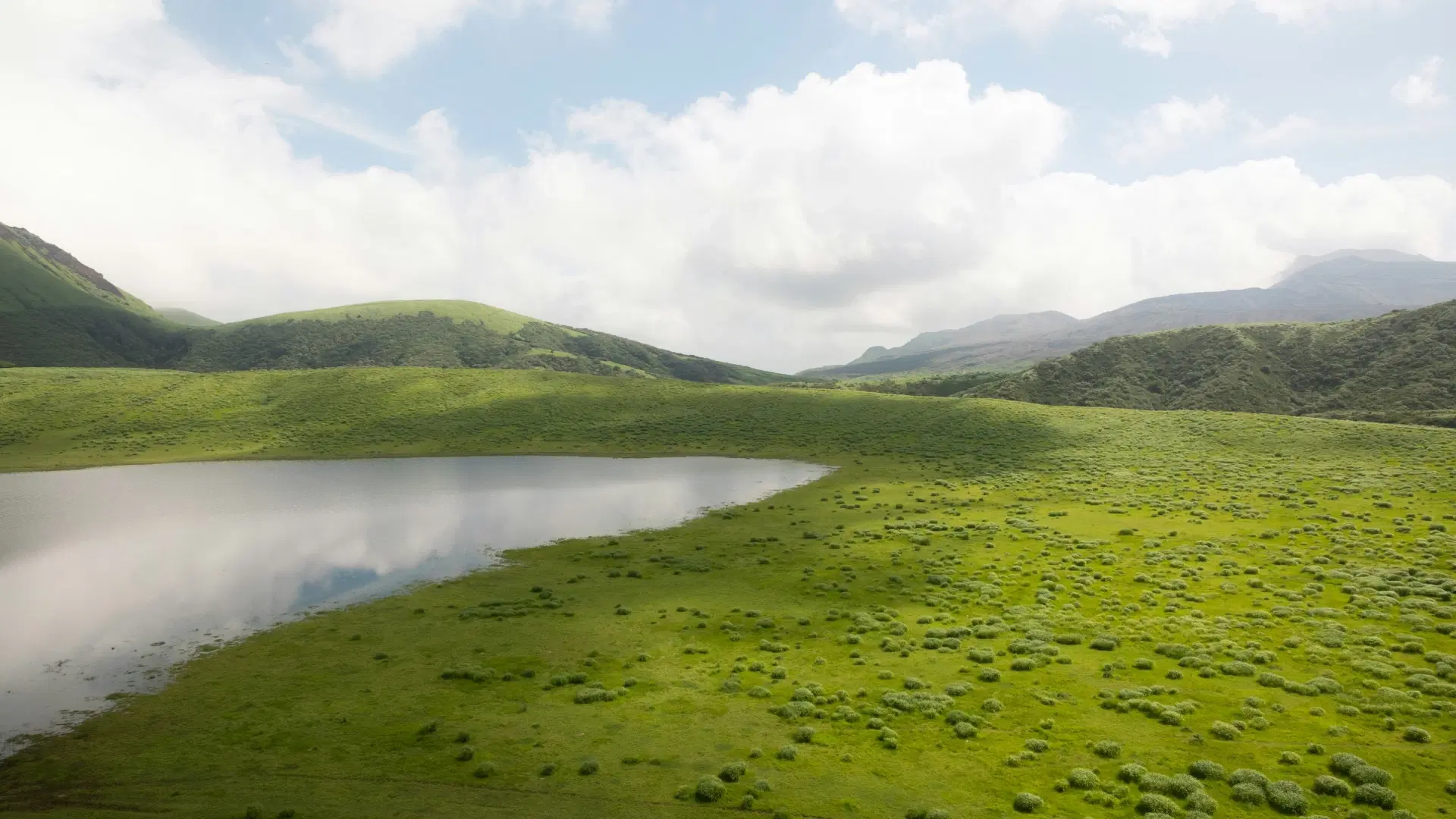
阿蘇の火まつりThe Aso Fire Festival is not a single event but a season of flame, a weeks-long period in March during which the grasslands of the Aso caldera are set ablaze in the controlled burns that have maintained these prairies for centuries. The noyaki, as the grassland burning is known, is an agricultural practice of ancient origin: by burning the dead winter grass before the spring growth begins, the farmers and ranchers of the Aso region eliminate accumulated thatch, return nutrients to the volcanic soil, and prevent the encroachment of woody plants that would, without the fire, gradually transform the grasslands into forest. But the spectacle that this practical necessity produces, sheets of flame advancing across the caldera slopes against the darkening sky, the smoke rising in columns that catch the last light and turn it amber, is one of the most dramatic visual experiences in the Japanese landscape.
The Fire Festival that surrounds the burning season adds ceremony to the agricultural practice. The lighting of the fires, conducted by teams of volunteers who manage the burn with a precision born of generational experience, is preceded by rituals at the Aso Shrine that invoke divine protection for the community and its livestock. The festival's programming includes fire parades, drumming performances, and community gatherings that celebrate the renewal of the grassland cycle with the communal energy that any act of collective labor in rural Japan naturally generates.
The noyaki itself is a spectacle of controlled power. The fires, which can cover hundreds of hectares in a single burn, are managed by teams positioned around the perimeter who light the grass in coordinated patterns designed to direct the flames across the slope in predictable paths. The sound of the fire, a deep, rushing roar that is felt as much as heard, accompanies the visual drama of the advancing wall of flame, and the heat, tangible even from the viewing positions set back from the burn area, provides the physical reminder that fire, however carefully managed, remains a force whose domestication is always provisional.
The Aso Fire Festival is not a single event but a season of flame, a weeks-long period in March during which the grasslands of the Aso caldera are set ablaze in the controlled burns that have maintained these prairies for centuries.
History & Significance
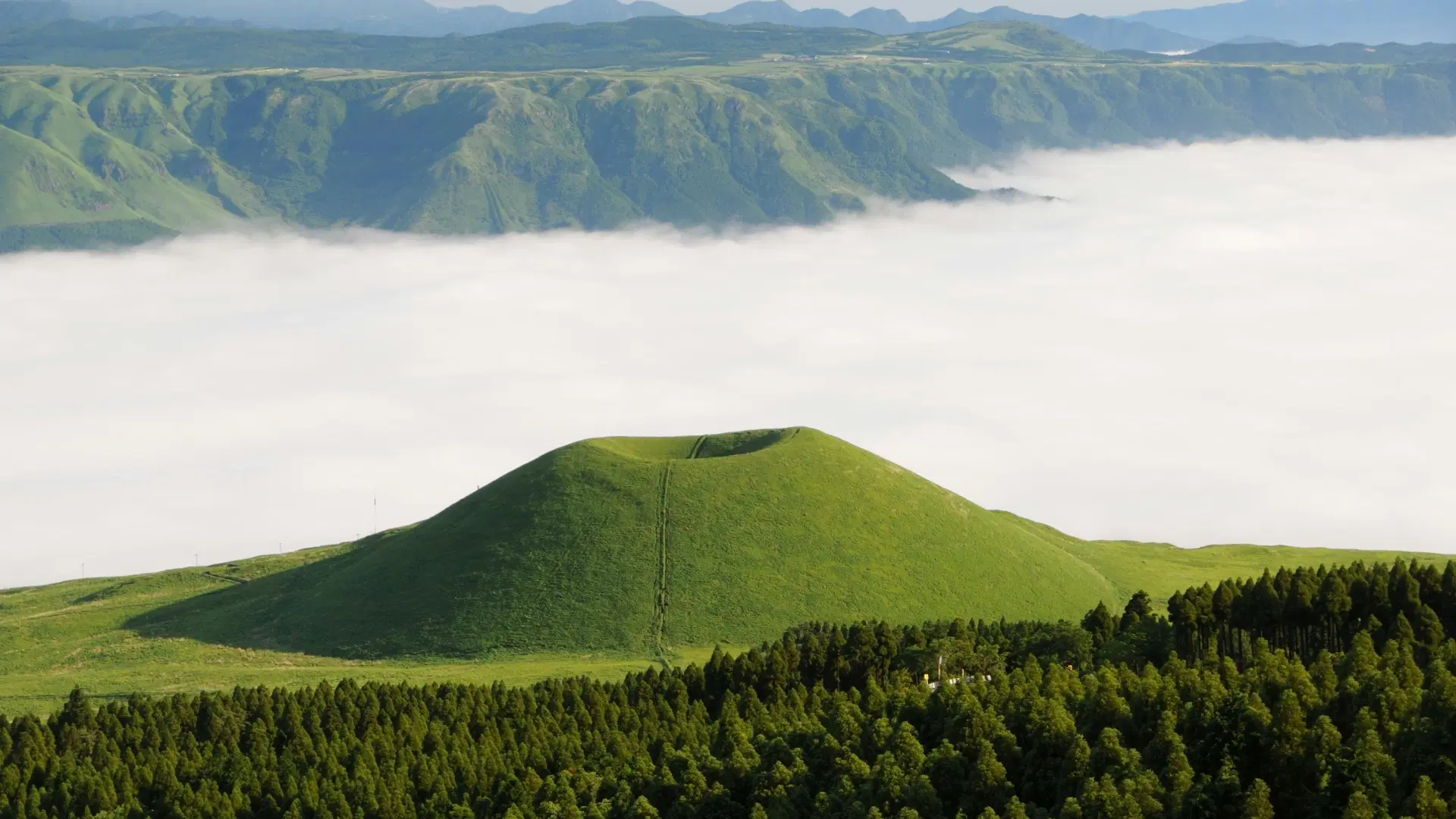
The practice of grassland burning in the Aso caldera has been documented for over a thousand years, and its origins likely extend further into the pre-literate past. The grasslands themselves are a human creation, maintained by fire against the natural succession toward forest that the volcanic soil and abundant rainfall of the region would otherwise produce. Without the annual burning, the Aso grasslands, one of the most distinctive landscapes in Japan, would disappear within decades, replaced by the cedar and cypress forest that covers the caldera's unburned slopes. The noyaki is thus not merely a maintenance activity but a creative act, a deliberate choice to preserve a landscape that reflects a particular relationship between human community and natural environment.
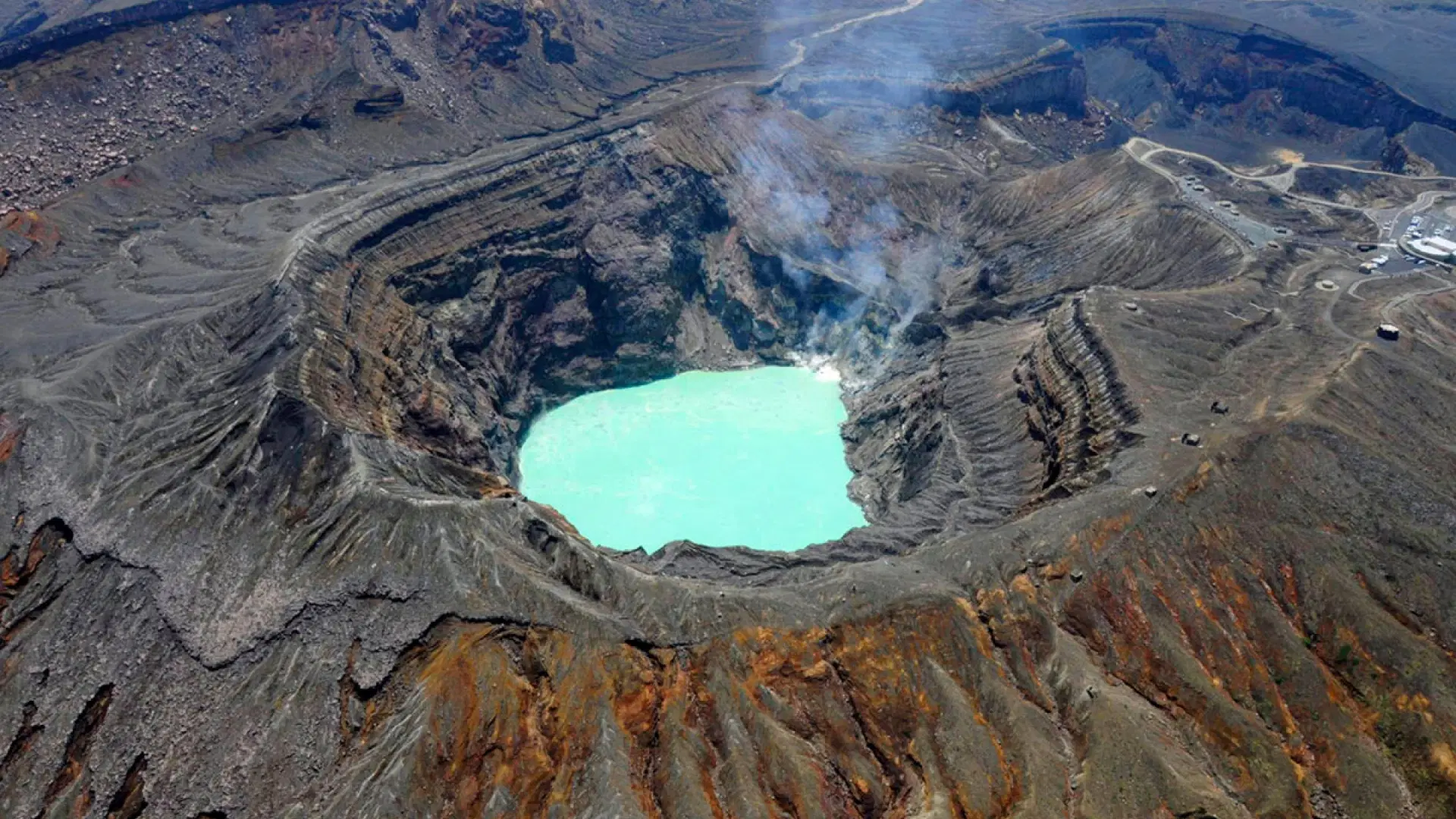
The cultural and spiritual dimensions of the burning were formalized during the Edo period, when the Aso Shrine assumed the role of spiritual authority over the grassland management and incorporated the burning season into its ritual calendar. The connection between fire and the volcanic deity of Mount Aso, whose eruptions have shaped the caldera's geography since before human habitation, gives the burning a cosmological resonance that extends beyond its agricultural purpose. Fire, in the Aso tradition, is not merely a tool but a force that connects the human community to the geological power of the mountain at whose feet it lives.
The contemporary Fire Festival, organized as a public event with spectator access and cultural programming, developed during the postwar period as the tourism potential of the noyaki was recognized. The balance between the agricultural purpose of the burning and its entertainment value has been managed with care, and the festival's programming emphasizes the cultural and ecological significance of the practice alongside its visual spectacle.
What to Expect
The noyaki burns are conducted across multiple days throughout March, with the specific dates and locations determined by weather conditions, wind patterns, and the coordination of the volunteer teams who manage the fires. The largest burns, which may cover entire hillsides within the caldera, are the most visually spectacular and draw the largest crowds. The Aso Fire Festival tourism office announces the schedule of major burns in advance, and timing a visit to coincide with a significant burn is advisable for those seeking the full spectacle.
Viewing positions are designated at safe distances from the burn areas, and the perspective from these positions, looking across the caldera at the advancing wall of flame, provides the panoramic context that photographs of the event capture with particular success. The burns typically begin in the early evening, and the progression from daylight to darkness during the burn transforms the spectacle from a landscape of smoke and flame against the blue sky to a nighttime display of fire against the dark silhouettes of the volcanic peaks.
The festival events that accompany the burning season include the Hi-buri Shinji, a fire-swinging ritual at the Aso Shrine in which participants swing flaming torches in circular patterns that create wheels of fire in the darkness. The ritual's purpose is to pray for a bountiful harvest and the safety of the community, and the spectacle of the spinning flames against the stone walls of the shrine provides the most concentrated visual experience of the festival. The community gatherings, with their food stalls, performances, and the warmth of neighbors gathered around a shared purpose, provide the social dimension that grounds the festival's visual drama in human connection.