Tohoku
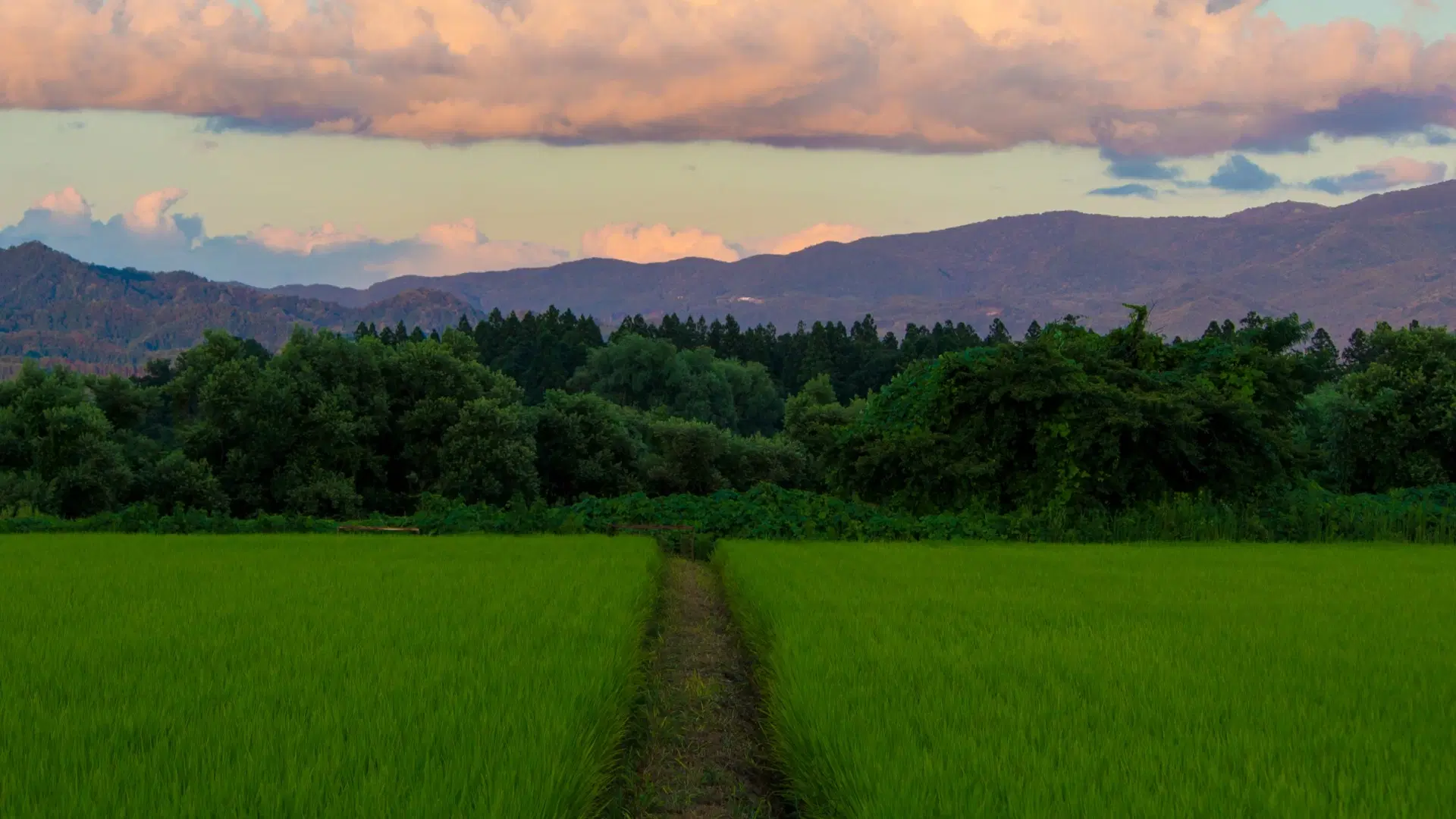
東北Tohoku is the Japan that even many Japanese consider remote: six prefectures stretching across the broad, mountainous spine of northern Honshu, where winters are long, dialects are thick, and traditions survive not as museum pieces but as living practice. This is the region that Matsuo Basho chronicled in Oku no Hosomichi, his 1689 pilgrimage to the interior, and much of what moved the poet (the lonely grandeur of Matsushima's pine-clad islets, the sacred silence of Yamadera's clifftop temple, the vast rice plains shimmering under summer heat) remains essentially unchanged.
For onsen devotees, Tohoku is hallowed ground. Nyuto Onsen in Akita (a cluster of rustic lodges at the base of Mount Nyuto, each fed by a different mineral source) represents a purity of hot spring culture that more commercialized regions have long since compromised. Ginzan Onsen in Yamagata, its gaslit wooden inns reflected in the river gorge, looks like a Taisho-era photograph come to life. Naruko, Zao, Takayu, Tsuchiyu: the names alone form a litany for the serious bather, each offering waters with distinct mineral profiles and therapeutic claims stretching back centuries.
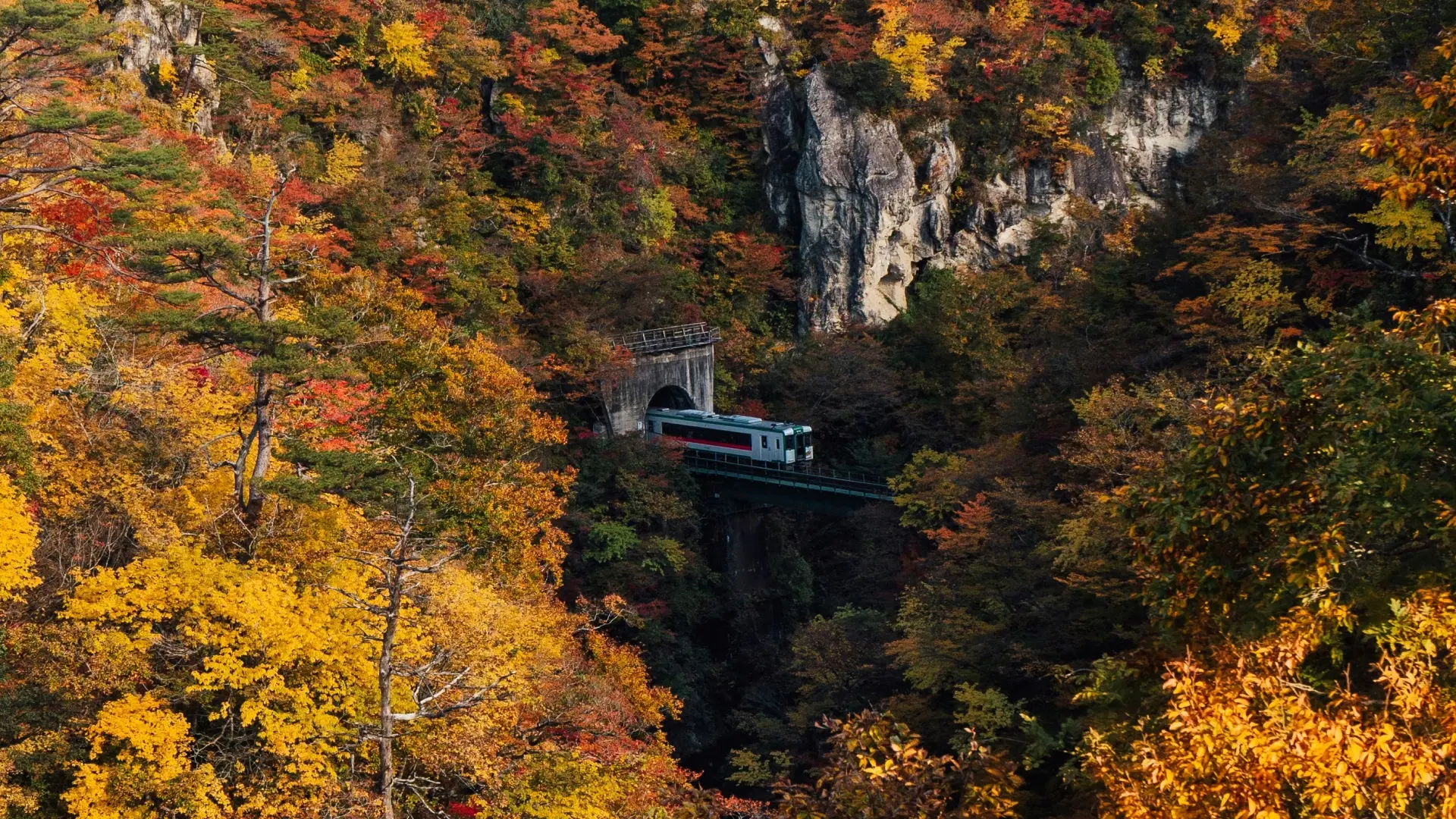
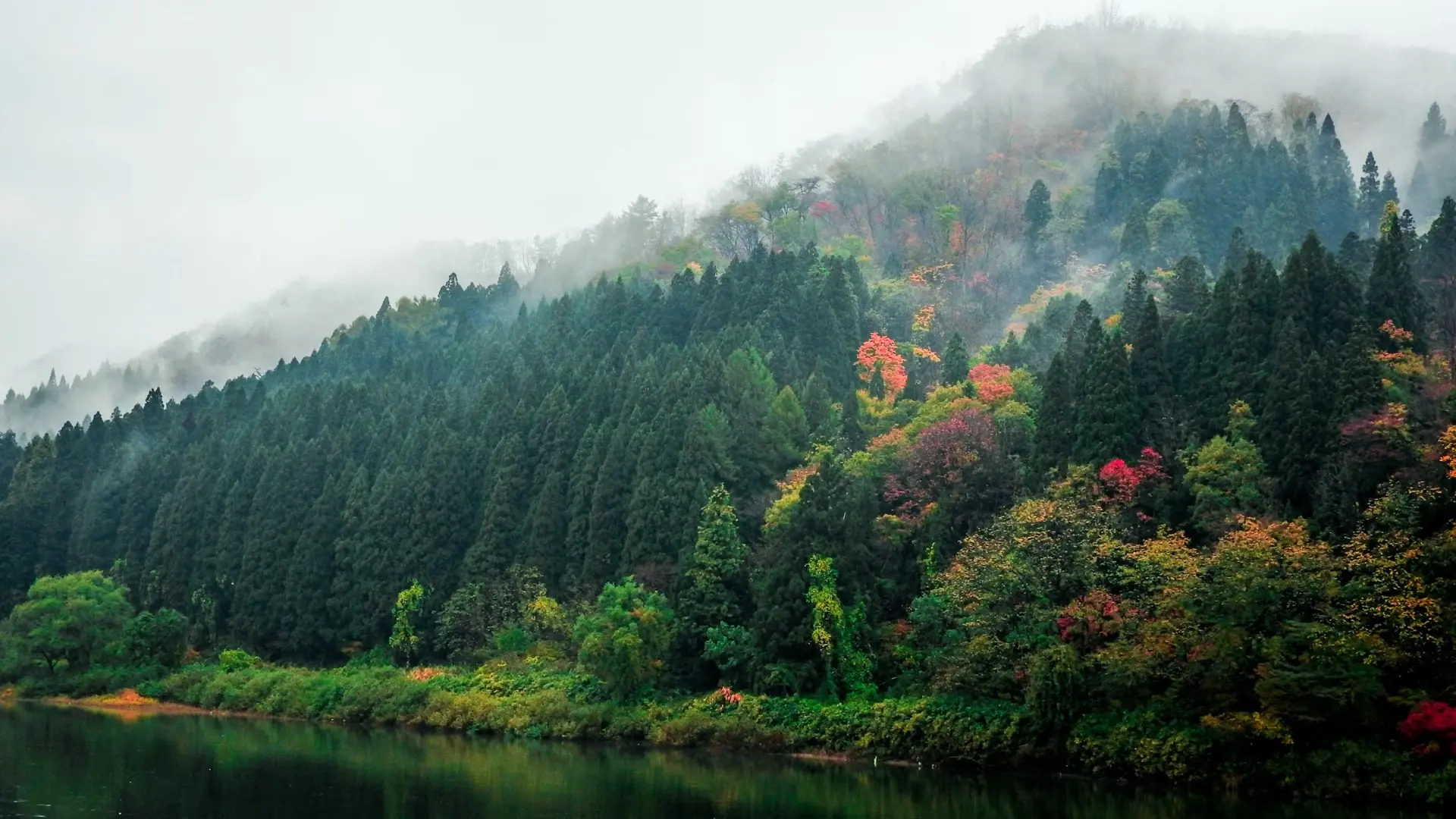
What distinguishes Tohoku most profoundly is its relationship with seasonality. The region experiences Japan's most dramatic seasonal contrasts: the cherry blossoms arrive late and leave quickly, the autumn foliage at Hakkoda and Naruko Gorge burns with particular intensity, and winter transforms the landscape into something almost Siberian: the snow monsters of Zao, the Yokote kamakura snow houses, the Namahage demons of Oga Peninsula thundering through New Year's Eve.
Tohoku is the Japan that even many Japanese consider remote: six prefectures stretching across the broad, mountainous spine of northern Honshu, where winters are long, dialects are thick, and traditions survive not as museum pieces but as living practice.
Geography
The Ou Mountains form Tohoku's central spine, running the full north-south length of the region and dividing it into a Pacific-facing east and a Sea of Japan-facing west with markedly different climates. The western slopes catch the full force of moisture-laden winter winds off the Sea of Japan, producing some of the heaviest snowfall in the inhabited world: Sukayu Onsen near Aomori regularly records annual accumulations exceeding ten meters. The eastern side is drier but colder, swept by the Yamase wind that can bring fog and chill even in summer.
Matsushima Bay, with its archipelago of some 260 pine-covered islands, has been celebrated as one of Japan's three most scenic views since at least the seventeenth century. The Shirakami Mountains along the Akita-Aomori border shelter the largest remaining virgin beech forest in East Asia, a UNESCO site of profound ecological importance. Bandai-Asahi National Park encompasses the volcanic landscape around Mount Bandai, whose 1888 eruption created the jewel-toned Goshiki-numa lakes. The Mogami River cuts through Yamagata in a gorge best experienced by flat-bottomed boat, while the Sanriku Coast of Iwate and Miyagi offers a ria shoreline of dramatic cliffs and sheltered coves.
Culture
Tohoku's festivals are among the most viscerally powerful in Japan, their intensity perhaps born of long winters and the communal release that summer brings. The Nebuta Matsuri in Aomori sends enormous illuminated floats of warrior figures through the streets to the frenzied rhythm of taiko drums and the chant of haneto dancers. Akita's Kanto Festival balances towering poles hung with dozens of paper lanterns on the foreheads, hips, and palms of performers: an act of devotion to the harvest that doubles as breathtaking physical theater. Sendai's Tanabata, Yamagata's Hanagasa, Hirosaki's Neputa: each August, the region erupts in celebration.
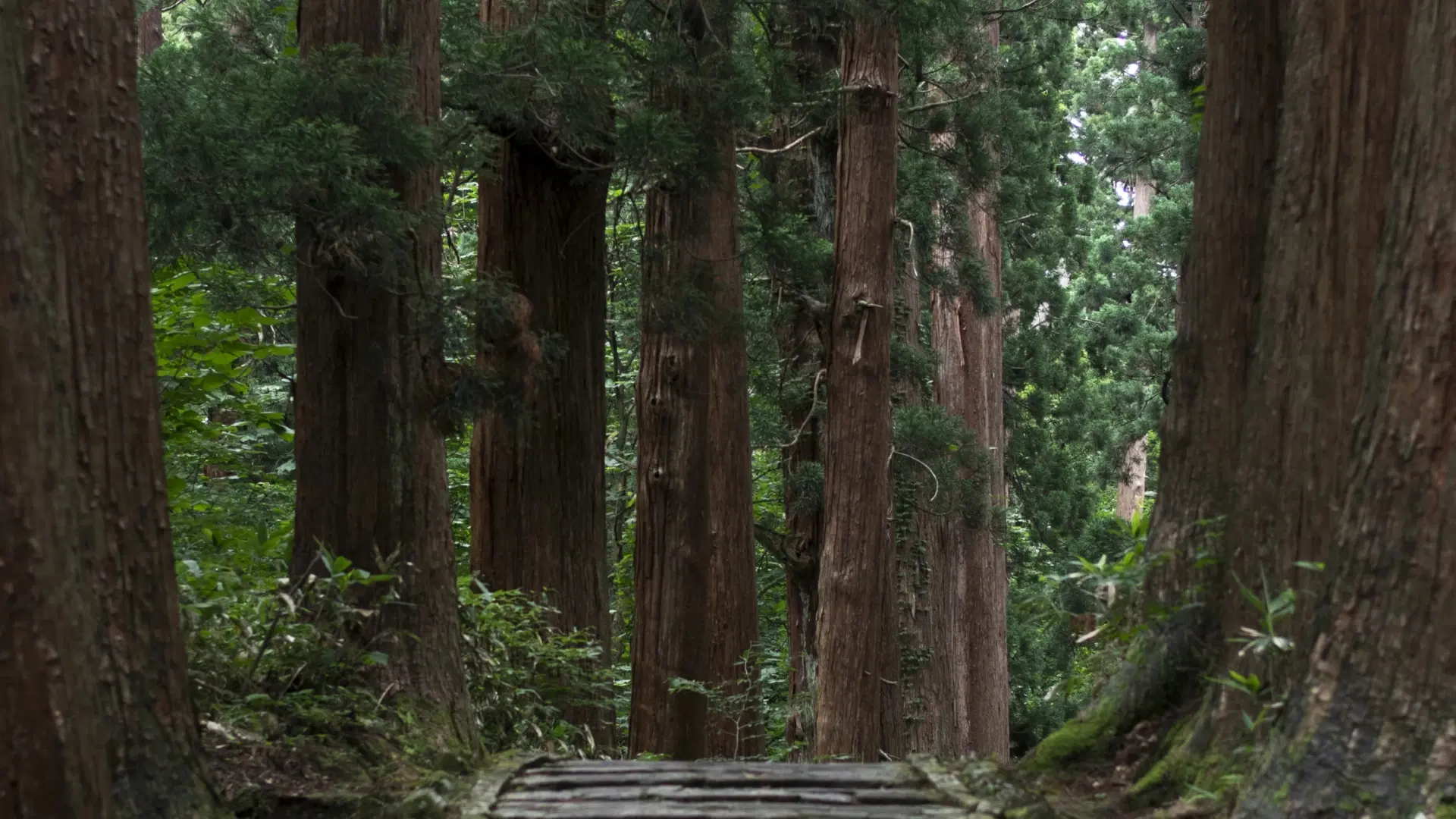
Beyond the festivals, Tohoku's cultural texture is one of quiet persistence. The Tsugarunuri lacquerware of Aomori requires over fifty coats of lacquer, each sanded and polished. Yamagata's tradition of cast metalwork and Tendo's hand-carved shogi pieces represent craft lineages measured in centuries. The yamabushi ascetics of Dewa Sanzan (the three sacred mountains of Haguro, Gassan, and Yudono) still practice austerities rooted in Shugendo mountain worship, welcoming pilgrims who climb the 2,446 stone steps of Haguro's cedar-lined approach to find, at the summit, a stillness that feels genuinely outside of time.
Cuisine
Tohoku's cuisine is defined by preservation and seasonality: the ingenuity of a people who learned to coax flavor from long winters and brief, abundant summers. Kiritanpo, pounded rice formed around cedar skewers and grilled over charcoal, is the soul food of Akita, served in a rich chicken broth with maitake mushrooms and seri greens. Wanko soba in Iwate turns buckwheat noodles into a joyful, competitive ritual, with servers refilling your bowl the instant it empties. Yamagata contributes imoni (taro root stewed with beef and soy in iron pots along autumn riverbanks) a communal tradition so deeply felt that the city holds an annual festival around it.
The seafood of the Sanriku Coast rivals Hokkaido's: Kesennuma's bonito and shark fin, Miyagi's oysters fattened in the mineral-rich waters of Matsushima Bay, and the uni of Iwate's northern coast. Aomori's apples are the finest in Japan, their fragrance so intense it perfumes entire autumn markets. The region's sake tradition is robust and evolving: Yamagata's Dewazakura and Juyondai have achieved near-legendary status among connoisseurs, their breweries benefiting from soft mountain water and cold fermentation temperatures that produce sakes of exceptional clarity and finesse.