Iwate
岩手県Iwate is the largest prefecture in Tohoku and, after Hokkaido, the second-largest in all of Japan, yet it remains one of the least visited. That paradox is precisely its gift. Here, the Kitakami Mountains run in long green ridges through the interior, rivers carve valleys where thatched-roof farmhouses still stand beneath persimmon trees, and the Sanriku Coast unfolds in a jagged, vertical drama of cliffs, inlets, and fishing harbors that recall the fjords of northern Europe more than the gentle bays further south.
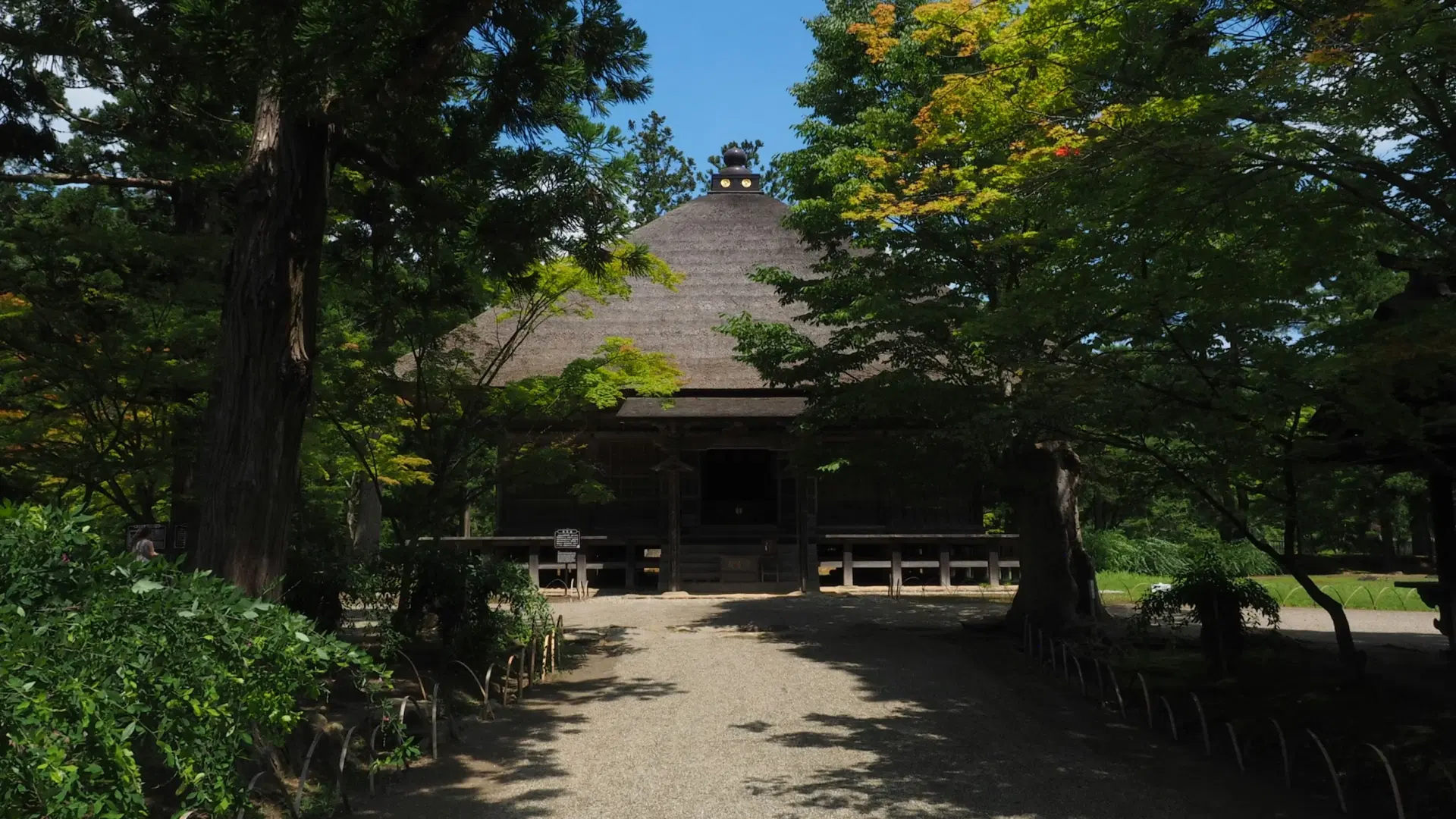
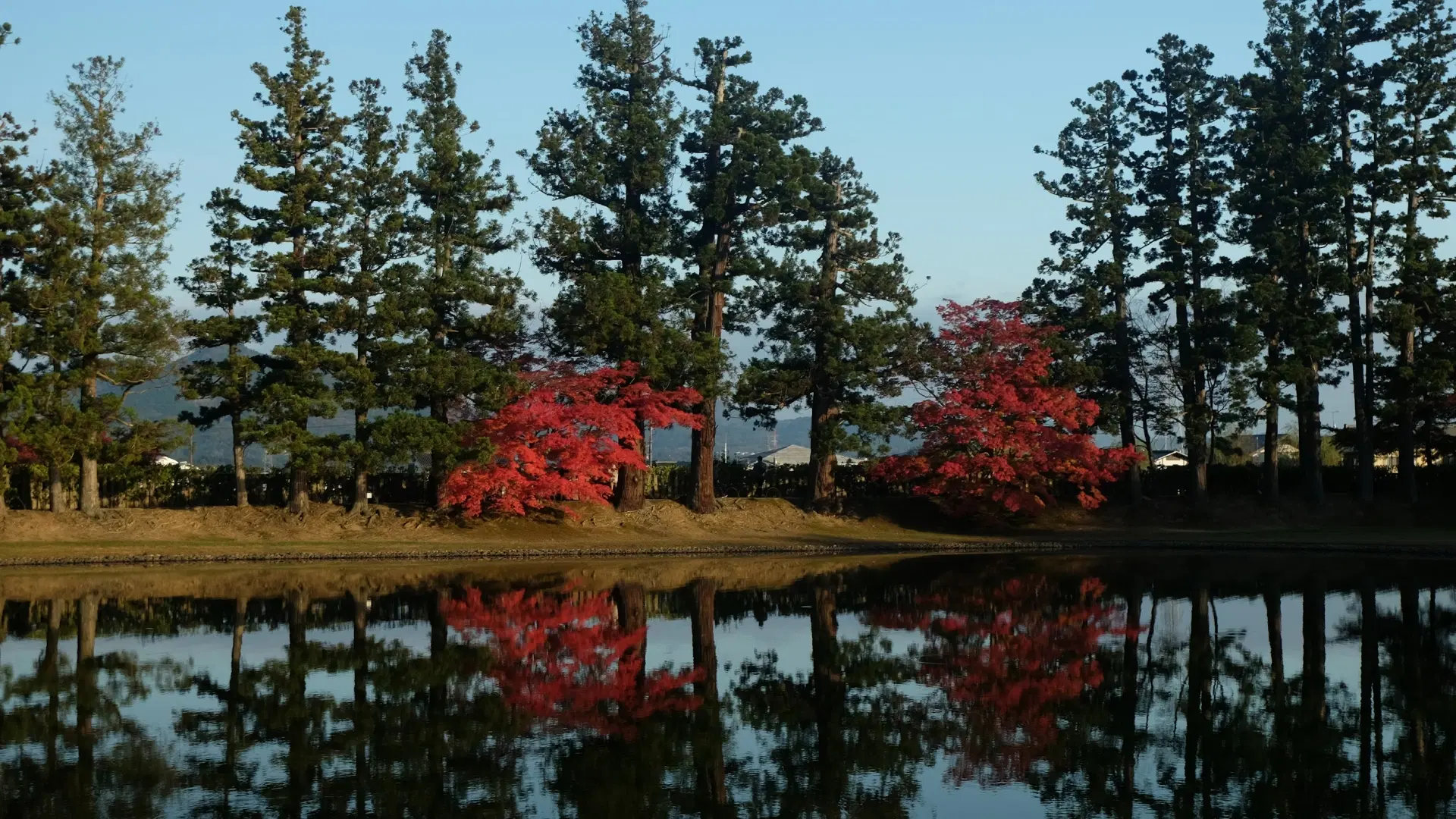
The spiritual heart of the prefecture lies at Hiraizumi, where the Fujiwara clan built a Pure Land Buddhist paradise in the twelfth century to rival Kyoto itself. Chusonji's Konjikido, a small hall sheathed entirely in gold leaf, survives as one of the most extraordinary single rooms in Japanese architecture, a luminous relic of a civilization that flourished on Tohoku's gold and horses before its destruction by Minamoto no Yoritomo. UNESCO recognized Hiraizumi in 2011, but the site still receives a fraction of the visitors that crowd Kyoto's temples, lending its gardens and lotus ponds a quality of undisturbed contemplation.
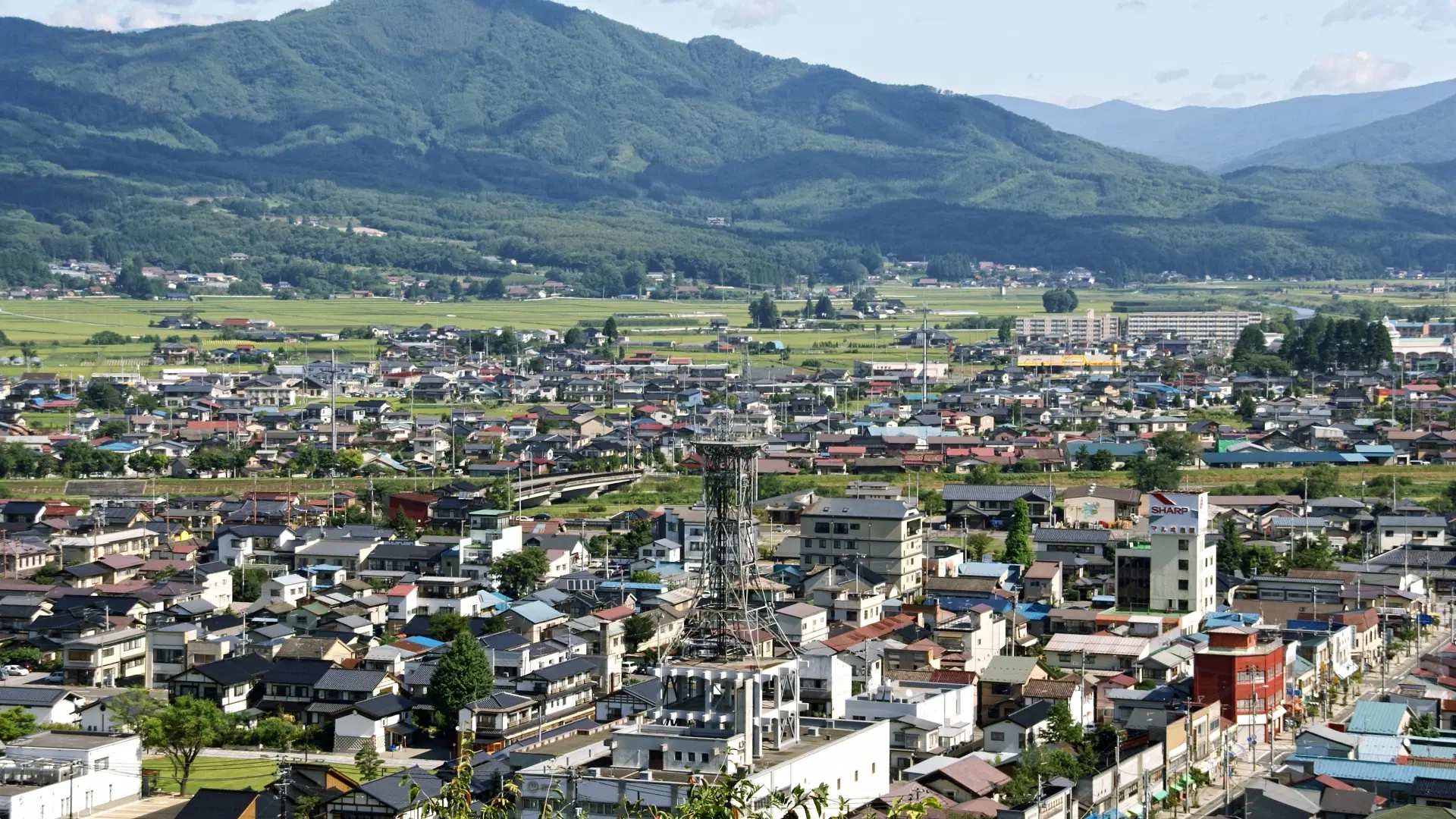
Inland, the city of Tono is celebrated as the birthplace of Japanese folklore, the landscape that inspired Kunio Yanagita's foundational 1910 collection of rural legends. The surrounding valleys, with their magariya L-shaped farmhouses and moss-covered stone shrines to kappa water spirits, feel suspended in a gentler century. Morioka, the prefectural capital on the banks of the Kitakami River, is a quietly cultured city of old merchant houses, craft workshops, and three distinct noodle traditions that make it one of Tohoku's most rewarding places to eat.
Iwate is the largest prefecture in Tohoku and, after Hokkaido, the second-largest in all of Japan, yet it remains one of the least visited.
Cultural Identity
Iwate's cultural landscape is anchored by the twin legacies of Hiraizumi's Buddhist refinement and Tono's folk tradition. The Fujiwara era left behind not only Chusonji's golden hall but also Motsuji's Pure Land garden, one of the finest surviving examples of Heian-period landscape design, where raked gravel shores frame a pond intended to evoke the Western Paradise. In Tono, the old stories persist in the landscape itself: stone guardians by rivers, shrines hidden in cedar groves, and the annual Tono Storytelling Festival, where elderly narrators recite tales of tengu, kappa, and mountain deities in the local dialect. Nambu ironware, produced in Morioka for over four centuries, represents one of Iwate's most enduring craft traditions. The heavy, elegant tetsubin kettles are prized for the way they soften water, and their production requires a mastery of sand-casting techniques passed from master to apprentice.
Culinary Traditions
Morioka is one of Japan's great noodle cities, home to three distinct traditions: wanko soba, where small portions are ladled into your bowl in rapid succession until you surrender by replacing the lid; jajamen, chewy flat noodles topped with a savory miso-meat sauce of Chinese origin; and reimen, cold noodles in a tangy beef broth served with watermelon and kimchi. Beyond noodles, Iwate's coastal waters produce some of Tohoku's finest wakame seaweed, abalone, and sea urchin. The interior yields hearty mountain fare, including hittsumi, a comforting dumpling soup, and wild sansai vegetables foraged from the Kitakami slopes in spring. Maesawa beef, raised in the southern part of the prefecture, is a quietly celebrated wagyu with fine marbling and a depth of flavor that rivals more famous brands.
Waters & Onsen
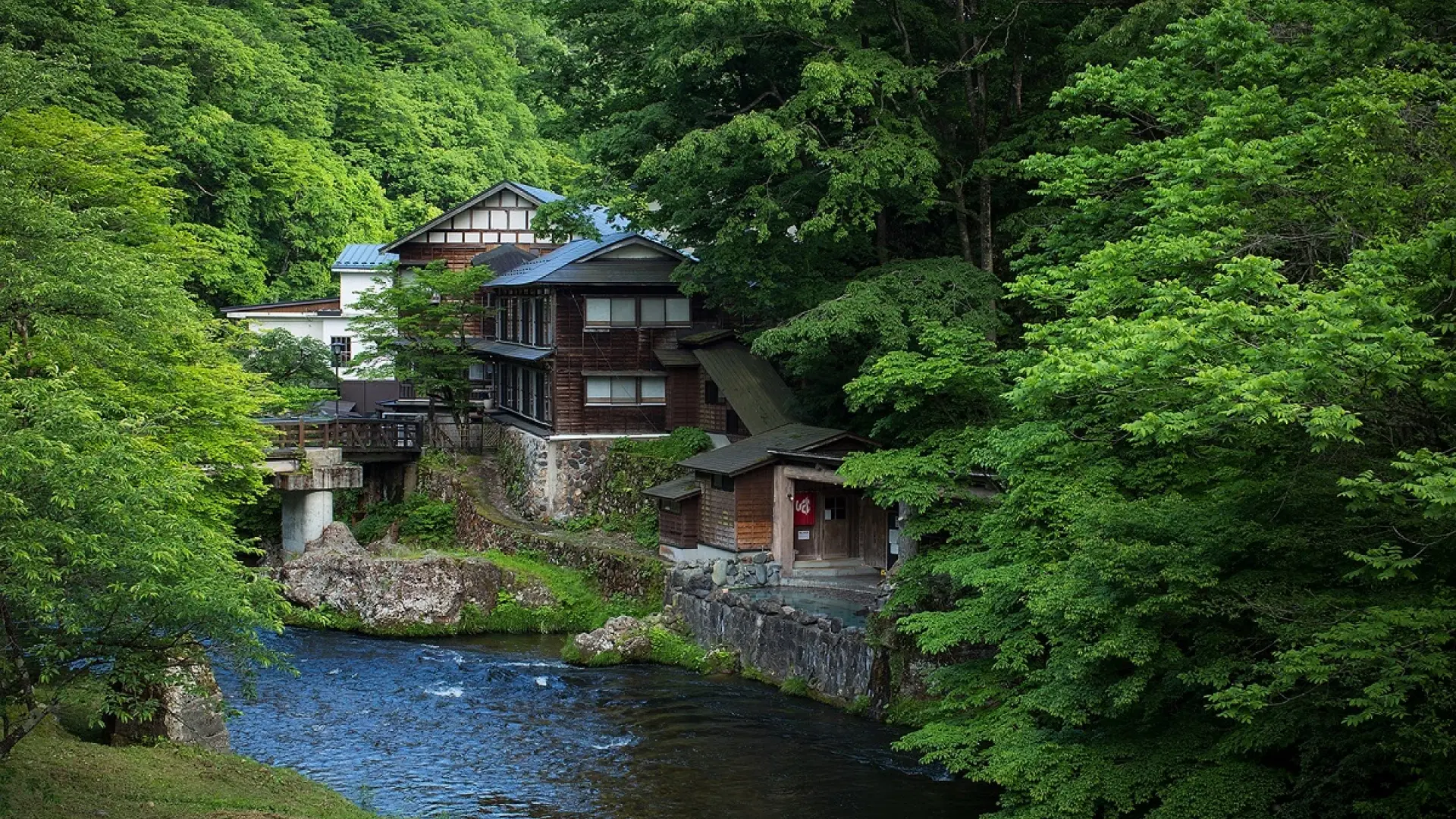
Iwate's onsen are characterized by their rustic settings and the intimacy of their scale. Hanamaki Onsen, a cluster of inns along the Toyosawa River, is best known for Osawa Onsen, where a large open-air bath sits directly beside the flowing river, the steam mingling with the sound of water over stone. Nearby, the poet Miyazawa Kenji drew inspiration from these same thermal waters. Tsunagi Onsen, on the shores of Gosho Lake, offers alkaline springs in a lakeside setting of uncommon tranquility. In the mountains, Matsukawa Onsen provides strongly sulfuric waters in a deeply forested gorge, while Geto Onsen, accessible only in the snow-free months, sits wild and unadorned beside a mountain stream, one of Tohoku's most primitive and treasured bathing spots.