Hanamaki
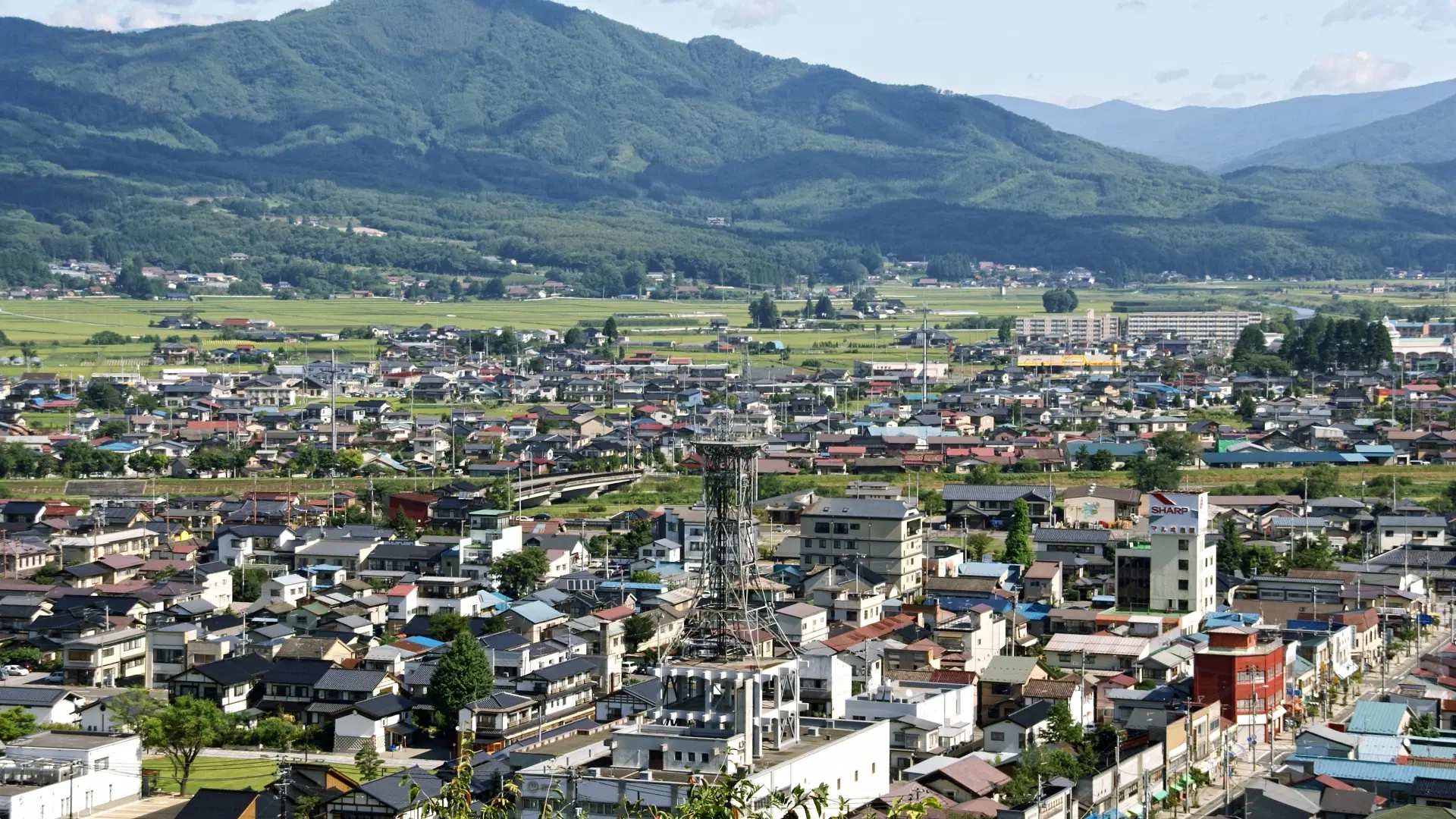
花巻Hanamaki is a city that lives in the imagination of one man. Miyazawa Kenji, the poet, children's author, agronomist, and Buddhist visionary who was born here in 1896 and died here in 1933, suffused this landscape with a mythological geography that he called Ihatov, a name derived from the Esperanto transliteration of Iwate. In Kenji's work, the ordinary features of the Hanamaki countryside, its rice paddies, its birch forests, its volcanic hills, its winter storms, became portals to a spiritual universe where the natural and the transcendent were indistinguishable. "Ame ni mo Makezu" (Be Not Defeated by the Rain), his most famous poem, articulates an ideal of selfless service that remains central to Japanese moral education. His children's story "Night on the Galactic Railroad" reimagines the Milky Way as a celestial train journey, fusing scientific wonder with Buddhist compassion in a narrative that continues to shape Japanese popular culture a century after its composition.
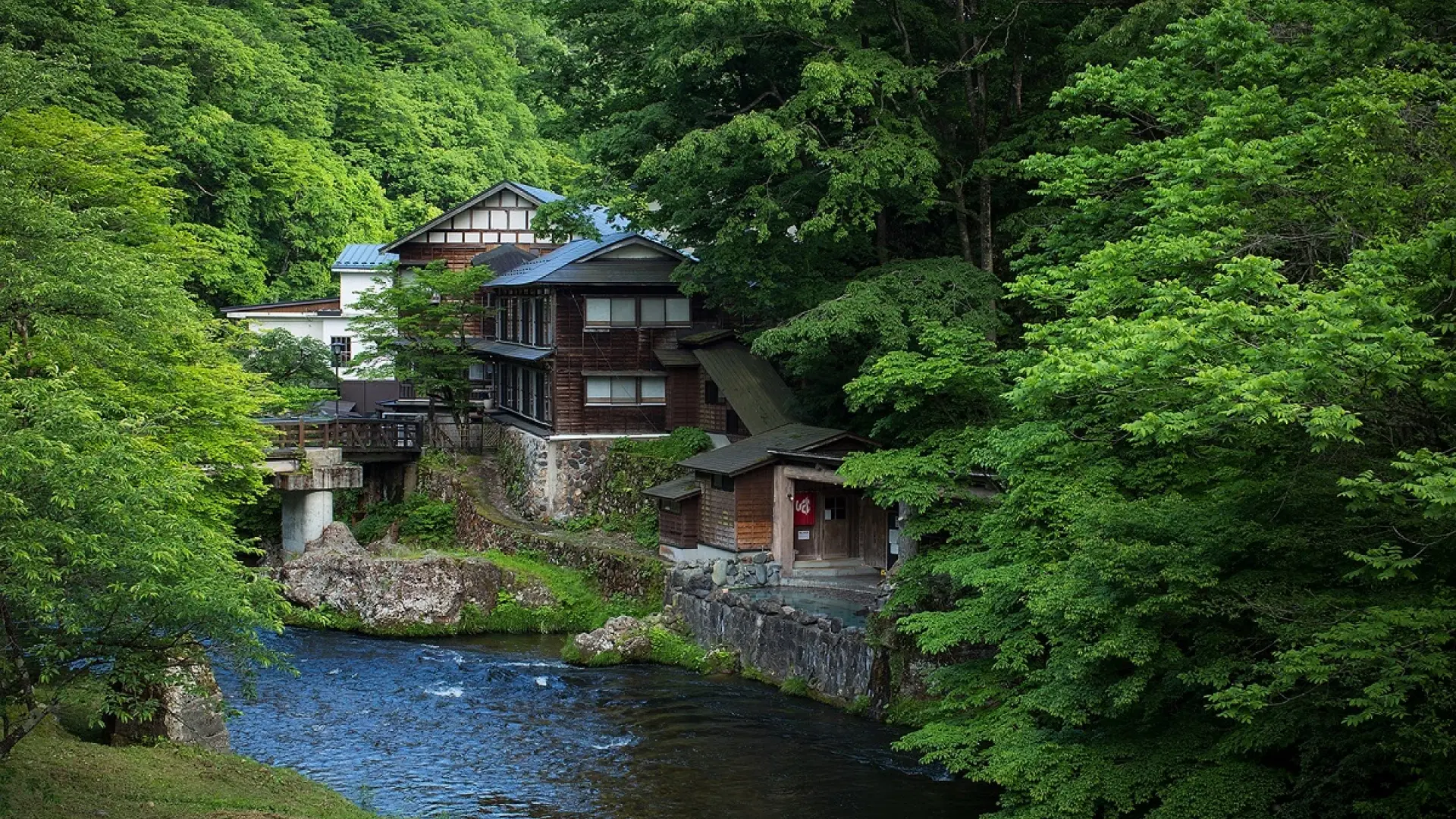
The city honors its native son with a constellation of memorial sites: the Miyazawa Kenji Museum, the Miyazawa Kenji Fairy Tale Village, the Rasuchijin Association building where Kenji taught agricultural science, and the fields and forests that inspired specific scenes in his writing. But Hanamaki would be a worthy destination even without its literary heritage. The Hanamaki Onsen district, a chain of hot spring resorts along the Toyosawa River gorge, has drawn visitors since the Edo period, its mineral-rich waters set against a landscape of steep cliffs and dense forest.
The surrounding agricultural plain, fed by the Kitakami River and its tributaries, produces some of the finest rice in Tohoku. Apple orchards cover the hillsides, their blossoms in spring and fruit in autumn framing the volcanic profile of Mount Hayachine, the sacred peak that dominates the eastern horizon. Hanamaki is a place where the practical and the poetic coexist without contradiction, where a farmer can plow the same field that Kenji transformed into literature and feel no tension between the two vocations.
Hanamaki is a city that lives in the imagination of one man.
Highlights
The Miyazawa Kenji Museum, set in parkland south of the city center, provides an immersive encounter with the writer's extraordinary range. Kenji was not merely a poet; he was a geologist, a cellist, a devout Nichiren Buddhist, an agronomist who developed cold-resistant rice varieties, and a designer of fantastical illustrations that anticipated anime by half a century. The museum's exhibits trace these intersecting passions with audiovisual installations, manuscript reproductions, and a gallery of his watercolors and sketches that reveal a visual imagination as rich as his literary one.
The nearby Fairy Tale Village translates Kenji's stories into physical spaces designed primarily for children but resonant for adults who know the source material. The Deer Dance sequence, the Cat's Office, the Restaurant of Many Orders: these whimsical structures sit within a forest that functions as both park and pilgrimage site, the boundary between fiction and landscape dissolving in precisely the way Kenji intended.
Hanamaki Onsen, stretched along the Toyosawa River gorge, offers a different register of experience. The chain of onsen ryokans, from the grand and venerable Yoshitaki to the more rustic Osawa Onsen with its riverside rotenburo, provides some of Iwate's finest bathing. Osawa Onsen's mixed-gender outdoor bath, perched directly above the river with cliffs rising on the opposite bank, is one of Tohoku's most photogenic onsen settings. The mineral compositions vary between establishments, and serious onsen enthusiasts can spend several days working through the different waters.
Culinary Scene
Hanamaki's culinary identity draws on both the Kitakami plain's agricultural abundance and the onsen district's tradition of elaborate ryokan cuisine. The local Hatto cuisine, a tradition of wheat noodle dishes prepared in numerous regional variations, reflects the area's history of wheat cultivation alongside rice. Hatto, thin, hand-pulled noodles served in soy or miso broth with seasonal vegetables, is honest, warming food that speaks to the character of the rural Tohoku table.
The onsen ryokans serve kaiseki dinners that showcase the prefecture's extraordinary range of ingredients: Maesawa wagyu, Pacific seafood from the Sanriku coast transported fresh across the mountains, mountain vegetables foraged from Hayachine's slopes, mushrooms gathered from the birch forests in autumn, and local rice of a quality that makes the final course of a kaiseki meal, the simple bowl of white rice, as memorable as any dish that preceded it. Hanamaki apples, harvested from September through November, appear in desserts, juices, and the regional apple wine that makes an elegant accompaniment to lighter courses.