Tono
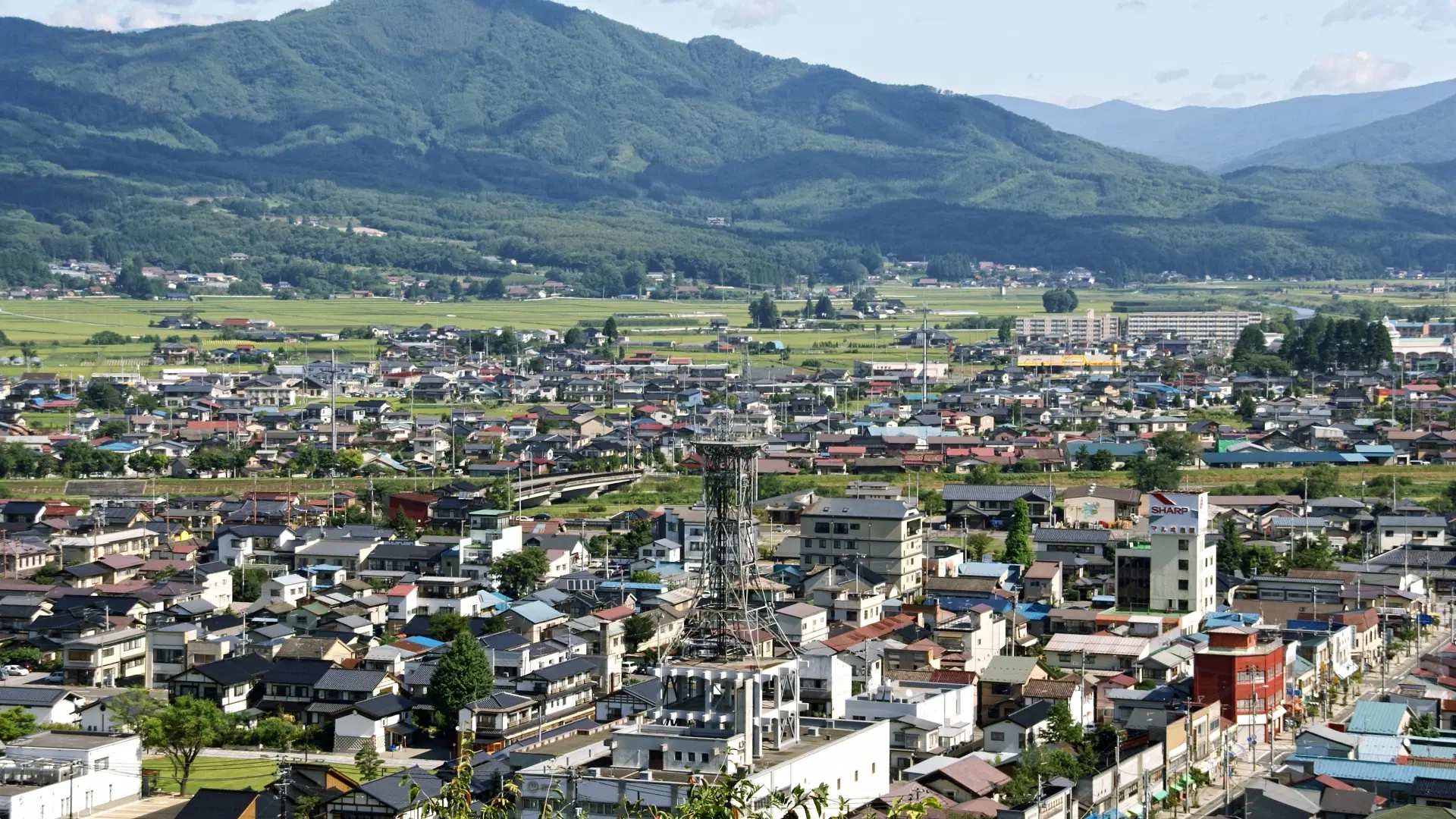
遠野Tono is where Japan keeps its folklore. This basin town in central Iwate, encircled by low mountains and threaded with streams, entered the national consciousness through Yanagita Kunio's "Tono Monogatari" (The Legends of Tono), published in 1910 and widely regarded as the founding text of Japanese folklore studies. Yanagita collected 119 tales from a local storyteller named Sasaki Kizen, tales of kappa water spirits, zashiki warashi child ghosts, mountain deities, and the uncanny encounters of farmers and woodcutters in a landscape where the boundary between the human and the supernatural remained permeable. The book transformed Tono from an obscure mountain community into a living archive of the beliefs that once governed rural Japanese life.
What makes Tono remarkable is the degree to which the landscape described in those tales persists. The L-shaped magariya farmhouses, designed to shelter both family and horses under one roof, still stand in the surrounding valleys. The streams where kappa were said to dwell still flow through mossy ravines. The shrine forests where oshira-sama, the tutelary deities of the household, were honored still shade their precincts with ancient cryptomeria. Tono is not a recreation or a theme park; it is a living countryside where the architecture, the agriculture, and the spiritual geography that generated the legends remain largely intact.
The town itself is small and unhurried, its center marked by a modest station and a handful of streets that give way quickly to rice paddies and forested hills. Visitors who arrive expecting a polished tourism experience will need to recalibrate: Tono's appeal lies precisely in its ordinariness, in the sense that the supernatural was never separate from daily life here but woven into the rhythm of planting and harvest, birth and death, the turning of the seasons across a landscape that has changed less than almost anywhere in Japan.
Highlights
The Kappabuchi pool, a shaded stretch of stream near Jokenji temple, is the most famous kappa habitat in Japan. Small wooden statues of the water creatures line the banks, and fishing licenses for kappa (issued with bureaucratic seriousness by the local tourism office) make for the most whimsical souvenir in Tohoku. The site is playful, but the underlying tradition is not: kappa stories encoded real dangers of water and drowning into narratives that taught children caution.
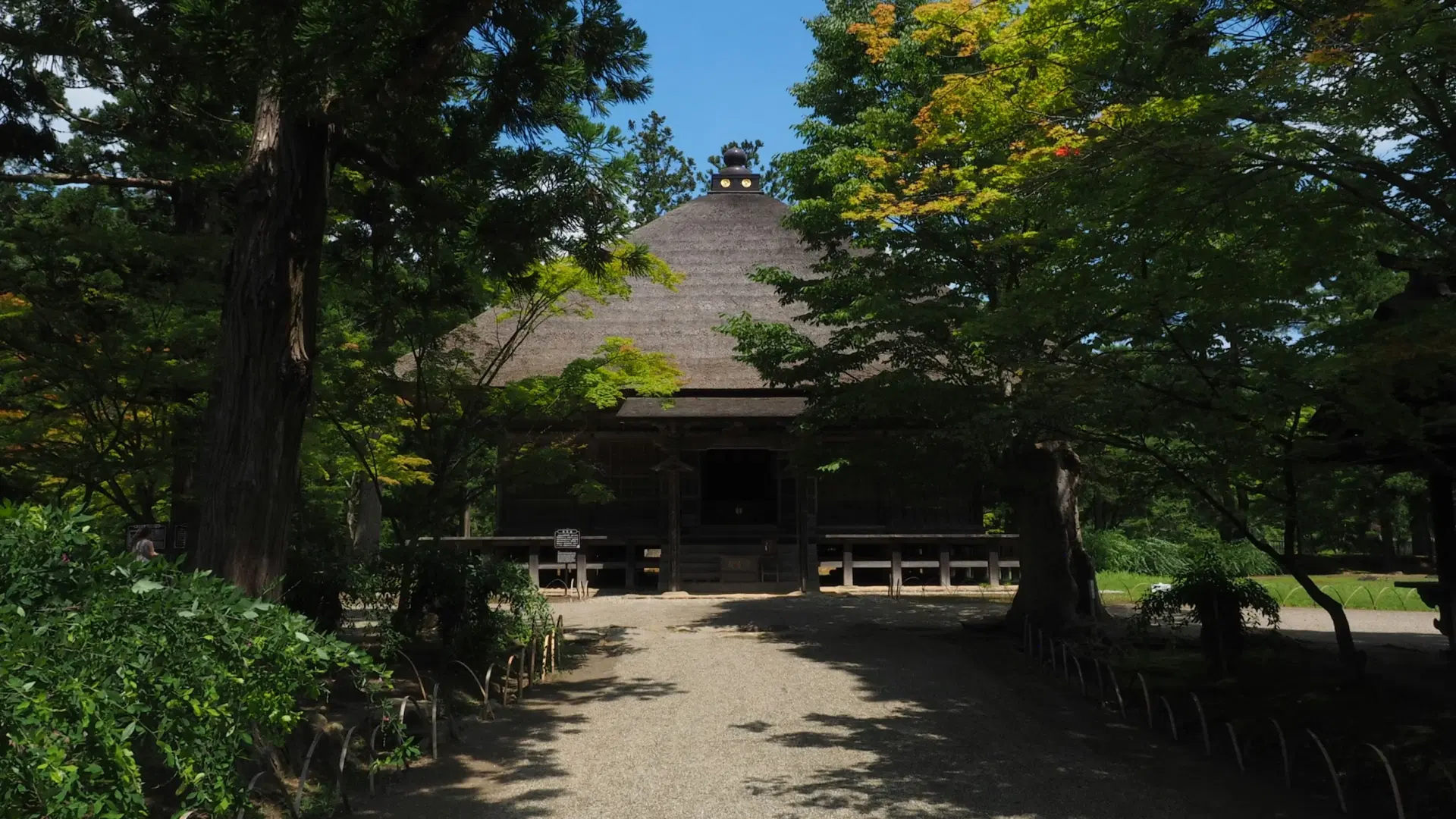
The Tono Furusato Village preserves a cluster of magariya farmhouses relocated to a hillside site where they can be explored in detail. These L-shaped structures, with their massive thatched roofs extending to shelter the family's horses in an attached stable, represent an architectural response to the harsh Iwate winters that is both practical and beautiful. Inside, the irori hearth anchored domestic life, its smoke blackening the rafters and preserving the thatch from insects over generations. Several houses at the village are staffed by local residents who demonstrate traditional crafts and tell stories in the regional dialect.
The Denshoen cultural center offers a more structured engagement with the folklore tradition, housing exhibits on the oshira-sama dolls, the zashiki warashi, and other supernatural beings of the Tono cosmology. The facility also hosts live storytelling sessions by kataribe, trained narrators who preserve the oral tradition in the rhythms and cadences of the original Tono dialect. These performances, even for visitors who understand limited Japanese, convey a quality of transmission that written collections cannot replicate.
Culinary Scene
Tono's food culture is rooted in the mountain farming traditions of inland Iwate. Genghis Khan barbecue, lamb grilled on a domed metal plate over charcoal, is the town's signature dish, an inheritance from the sheep farming introduced to the region in the early twentieth century. The lamb is local, the preparation communal, and the outdoor grilling, often conducted at riverside sites in summer, carries a festive energy that contrasts with Tono's otherwise contemplative atmosphere. Hittsumi, a hearty soup of hand-torn wheat dumplings simmered with vegetables and chicken in a soy-dashi broth, is the comfort food of the basin, a dish that speaks to winters long enough to require serious sustenance.
The region produces excellent doburoku, an unfiltered, slightly sweet sake that was traditionally brewed in farmhouses before modern tax laws drove the practice underground. Several local establishments now produce doburoku legally, and the Tono Doburoku Festival in autumn celebrates the cloudy brew with tastings and ceremony. Wild mountain vegetables, foraged from the surrounding hills in spring, appear in tempura and ohitashi preparations that connect the table to the same landscape that generated the legends.
Ryokans in Iwate
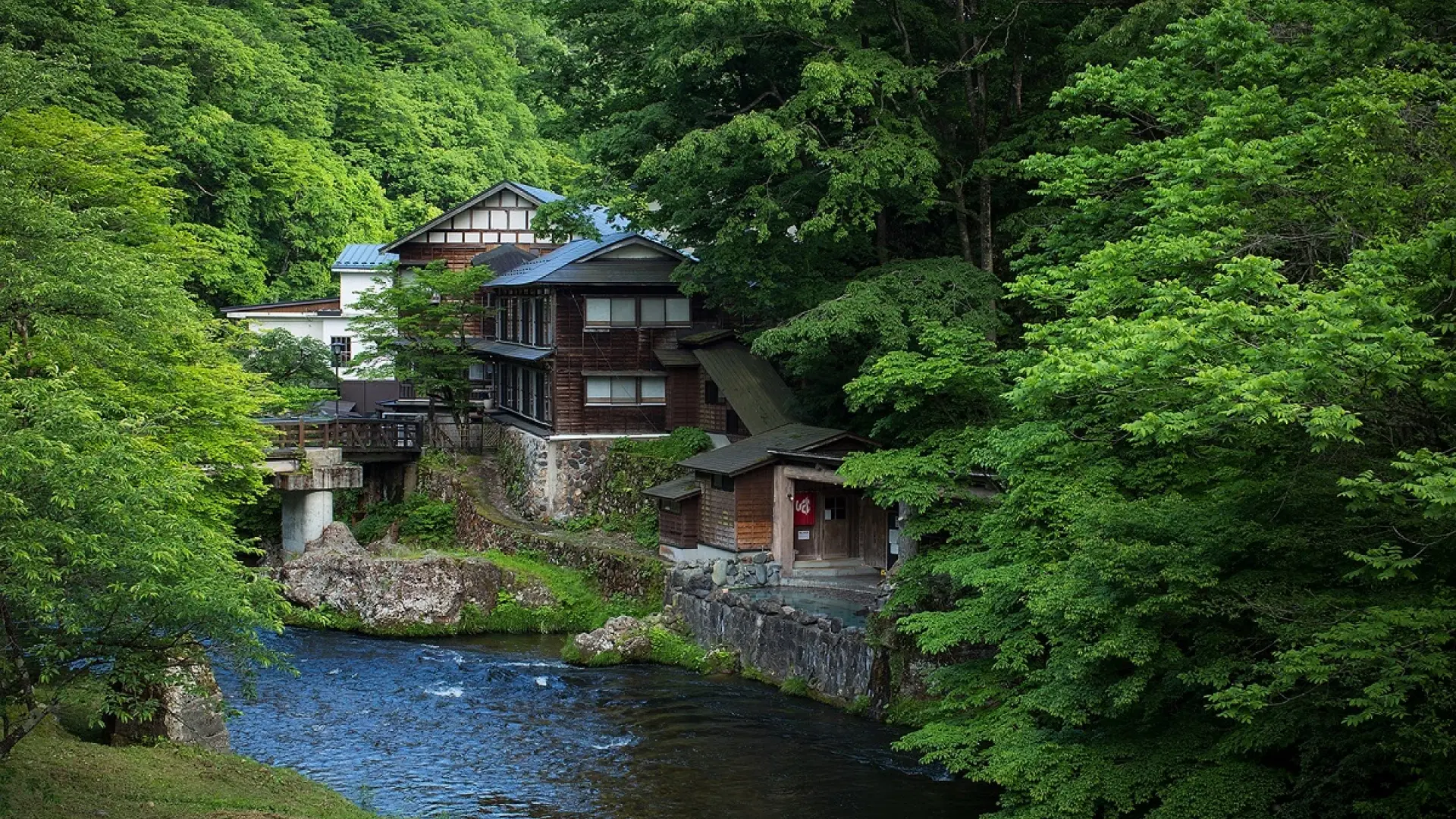
There are no ryokans in our guide listed in Tono. See our selection across Iwate.
View ryokans in Iwate