Tono Storytelling Festival
遠野語り部まつりThe Tono Storytelling Festival is a gathering of voices in winter. Held in the heart of the cold season, when snow blankets the basin and the darkness arrives early, the festival brings together kataribe, professional storytellers trained in the oral traditions of the Tono region, to perform the tales that Yanagita Kunio collected and that generations of narrators have continued to transmit. The setting is deliberate: winter was historically the season of stories in rural Japan, when the agricultural work ceased and families gathered around the irori hearth, the long evenings filled with tales of kappa, mountain gods, zashiki warashi, and the uncanny encounters that animate Tono's spiritual landscape.
The festival is intimate by design, more literary salon than public spectacle. Performances take place in small venues, former farmhouses, community halls, and temple buildings, where the audience sits close enough to read the narrator's facial expressions and feel the rhythm of the Tono dialect, a melodic, archaic form of Japanese that carries its own narrative power even for listeners who cannot follow every word. The kataribe tradition is not merely recitation; it is a performative art that employs voice modulation, dramatic pauses, and subtle gesture to bring the tales to life in a way that printed text cannot replicate.
For visitors interested in Japanese folklore, oral tradition, or the relationship between landscape and narrative, the Tono Storytelling Festival offers an experience of rare authenticity. These are not museum recreations but living transmissions, each telling slightly different from the last, shaped by the personality of the narrator, the mood of the audience, and the particular quality of the winter evening.
The Tono Storytelling Festival is a gathering of voices in winter.
History & Significance
The storytelling traditions of Tono predate Yanagita's famous collection by centuries. In a region where literacy was limited and entertainment was self-generated, oral narrative served multiple functions: it preserved historical memory, transmitted moral instruction, explained natural phenomena, and provided the communal pleasure of shared imagination. The kataribe, often elderly women who had inherited their repertoire from mothers and grandmothers, occupied a respected position in village society, their command of the tales conferring a cultural authority that formal education could not replace.
Yanagita's publication of "Tono Monogatari" in 1910 brought national attention to the tradition, but it also introduced a tension between the living, evolving practice of oral storytelling and the fixed, literary form of the printed text. The Tono Storytelling Festival, established in the latter decades of the twentieth century, represents a conscious effort to maintain the oral dimension of the tradition, to ensure that the tales continue to be heard rather than merely read. The festival's organizers have worked to train new generations of kataribe, recognizing that the tradition cannot survive as a museum artifact but must remain a practiced art, adapted to contemporary audiences while preserving the essential character of the Tono voice.
What to Expect
The festival typically spans a weekend, with multiple storytelling sessions scheduled across different venues in and around Tono. Each session features one or more kataribe performing a selection of tales drawn from the Tono Monogatari and the broader regional repertoire. The stories range from brief, humorous anecdotes to extended, unsettling narratives of supernatural encounter, and the kataribe adjust their repertoire to the audience and the occasion. Some sessions are accompanied by simple musical instruments; others rely entirely on the narrator's voice and the silence of the room.
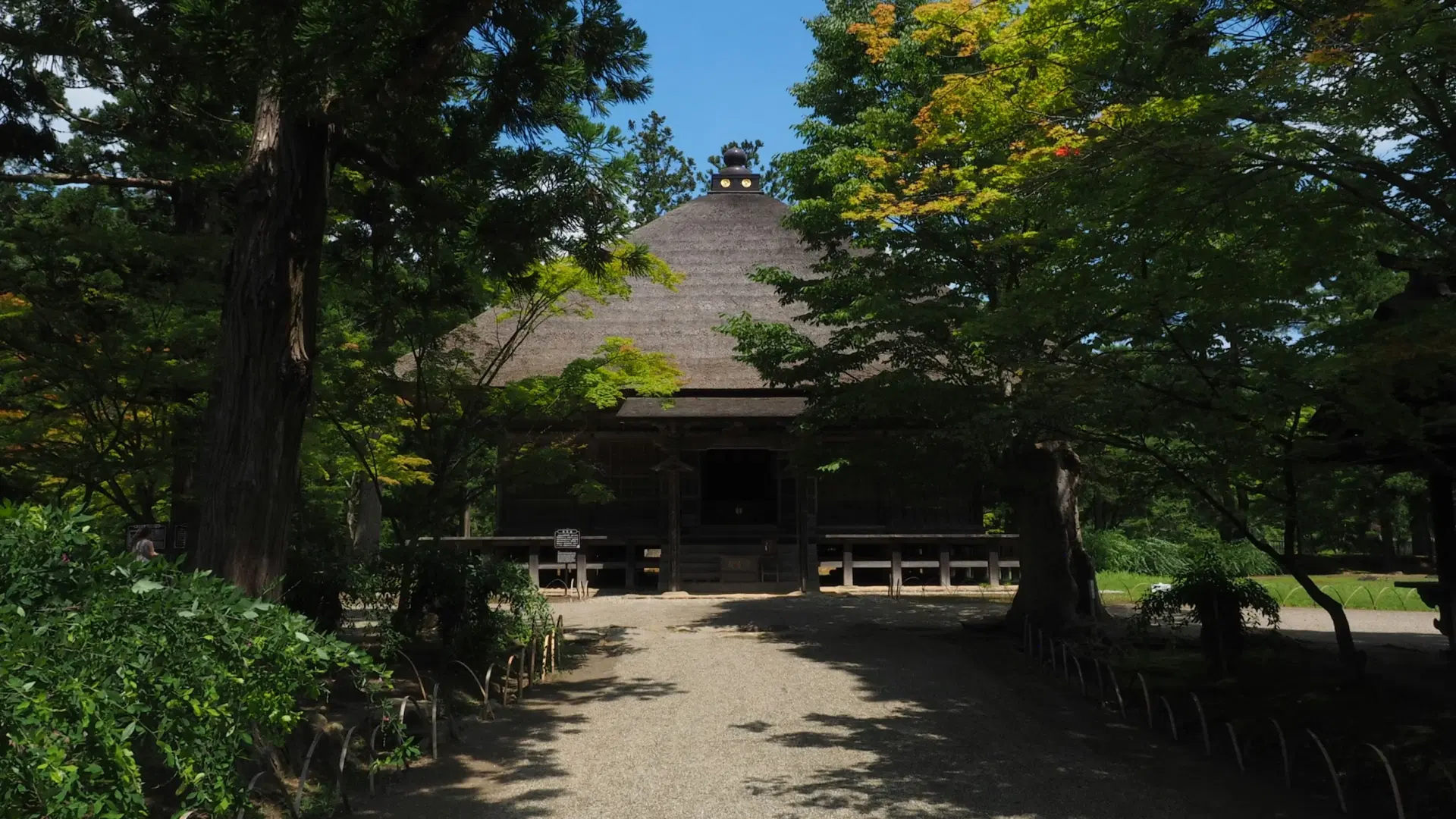
The intimate scale of the performances is essential to their impact. Sitting in a thatched-roof farmhouse while a kataribe narrates a tale of a kappa encounter in a voice shaped by the same dialect spoken in the same valley for hundreds of years produces a quality of immersion that larger, more produced cultural events cannot achieve. The cold outside, the warmth of the room, the hush of the audience: these atmospheric elements are not incidental but constitutive of the experience.
Several festival programs include participatory elements, workshops in basic storytelling technique, guided walks to sites associated with specific tales, and communal meals featuring traditional Tono cuisine. These ancillary activities deepen the visitor's engagement with the landscape that generated the stories, connecting the abstract act of listening to the physical reality of the place.