Hiraizumi Fujiwara Festival
藤原まつりThe Fujiwara Festival is Hiraizumi's annual act of historical imagination, a five-day commemoration of the Northern Fujiwara clan whose twelfth-century rule transformed this small Kitakami valley town into one of the richest and most culturally ambitious cities in Japan. The festival's centerpiece, the Genbikei procession on May 3, reconstructs the arrival of Minamoto no Yoshitsune at the court of Fujiwara no Hidehira in 1187, when the young warrior, fleeing the wrath of his brother Yoritomo, sought refuge in the north. A celebrity guest is selected each year to play the role of Yoshitsune, riding on horseback at the head of a retinue of over one hundred costumed participants, their armor, silk robes, and court regalia recreating the aesthetic of the late Heian period with painstaking fidelity.
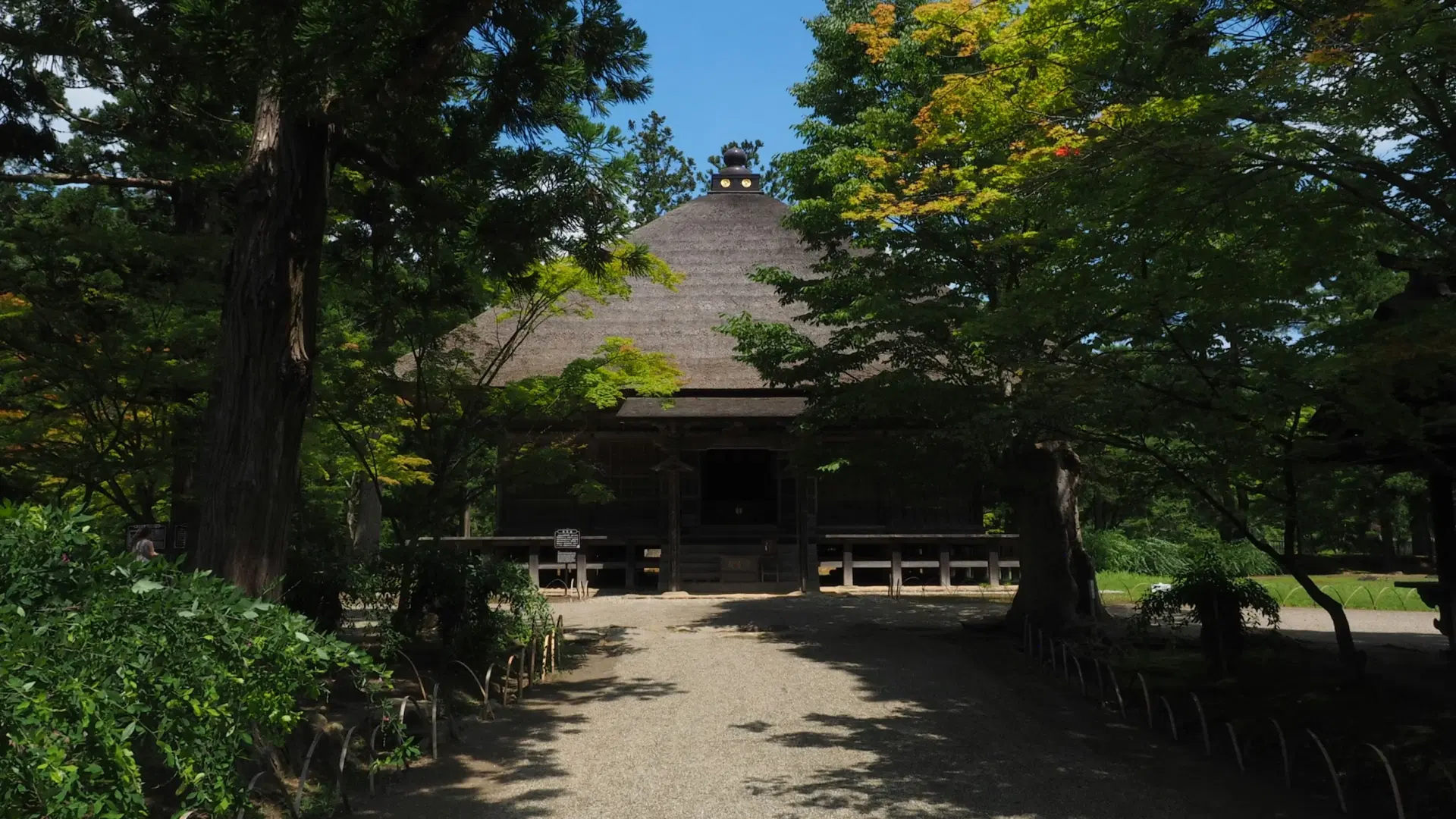
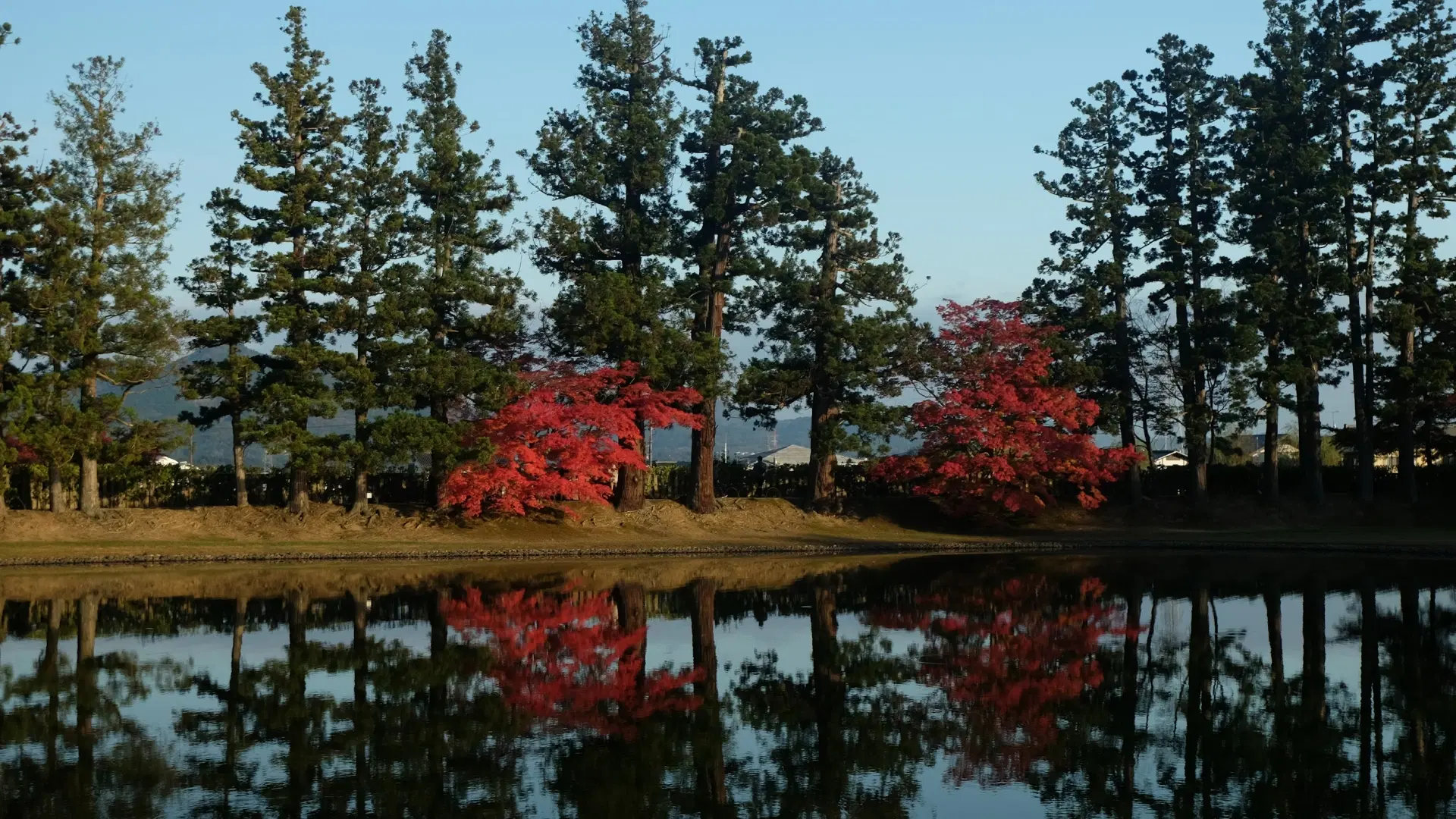
The procession winds from Motsuji temple to Chusonji, traversing the same landscape where the historical events unfolded, and the effect is less theatrical recreation than temporal superimposition. The Pure Land gardens, the cedar-lined approaches, the stone stairways: these are not stage sets but the actual surviving infrastructure of the Fujiwara world, and to see them occupied by figures in period dress is to experience a compression of time that few Japanese festivals achieve.
Beyond the main procession, the festival encompasses Noh performances on the Motsuji outdoor stage, Ennen no Mai sacred dances preserved from the medieval temple tradition, and Buddhist ceremonies at Chusonji that connect the festive atmosphere to the religious foundations of the Fujiwara legacy. The combination of spectacle, scholarship, and spiritual practice gives the Fujiwara Festival a depth that rewards both casual visitors and serious students of Japanese history.
The Fujiwara Festival is Hiraizumi's annual act of historical imagination, a five-day commemoration of the Northern Fujiwara clan whose twelfth-century rule transformed this small Kitakami valley town into one of the richest and most culturally ambitious cities in Japan.
History & Significance
The Northern Fujiwara clan ruled from Hiraizumi for four generations, from Kiyohira's establishment of Chusonji in 1105 to Yasuhira's defeat by Minamoto no Yoritomo in 1189. During this period, the wealth generated by the region's gold mines funded a building program that produced Konjikido, the Golden Hall, and the Pure Land gardens of Motsuji, cultural achievements that drew artisans and monks from Kyoto and beyond. The population of Hiraizumi may have reached 100,000 at its peak, rivaling the imperial capital. The clan's destruction, and the subsequent centuries of decline that reduced Hiraizumi to a farming village, makes the festival an act of recovery as much as celebration.
The modern Fujiwara Festival was inaugurated in 1958, part of a broader postwar effort to restore recognition of Hiraizumi's historical significance. The choice of the Yoshitsune narrative as the festival's dramatic core was deliberate: Yoshitsune's story, with its themes of loyalty, betrayal, and the fleeting nature of glory, resonates with the larger arc of the Fujiwara themselves. The casting of a nationally known actor or public figure as Yoshitsune each year generates media attention that serves the practical purpose of drawing visitors to a town that, despite its UNESCO status, remains easy to overlook.
What to Expect
The festival unfolds across five days, each with distinct programming. May 1 opens with the Inori no Mai, a prayer dance performed at Chusonji, setting a contemplative tone. May 3 is the climactic day: the Yoshitsune Torai procession departs Motsuji in the late morning, the costumed retinue moving through the town at a pace that allows spectators to absorb the detail of the costumes and armaments. The procession's arrival at Chusonji, ascending the cedar-lined approach to the temple, generates the festival's most photographed moments, the contrast between the brilliant court dress and the dark forest corridor producing images of striking beauty.
May 4 features the Ennen no Mai at Motsuji, a sacred dance form that has been performed at the temple since the Fujiwara era. These slow, ritualistic dances, accompanied by court music, represent one of the oldest continuous performing arts in Tohoku, and their preservation at the site where they originated gives them an authenticity that transplanted performances cannot match. The Noh stage at Motsuji, set against the backdrop of the Pure Land garden, provides a setting that enhances the formal beauty of the art form.
Throughout the festival, temporary stalls along the approaches to both temples sell local foods, crafts, and souvenirs, and the town's restaurants prepare special menus featuring regional specialties. The atmosphere is festive but not overwhelming; Hiraizumi's small size ensures that the crowds, while significant, never reach the crushing density of larger urban festivals.