Hakkoda
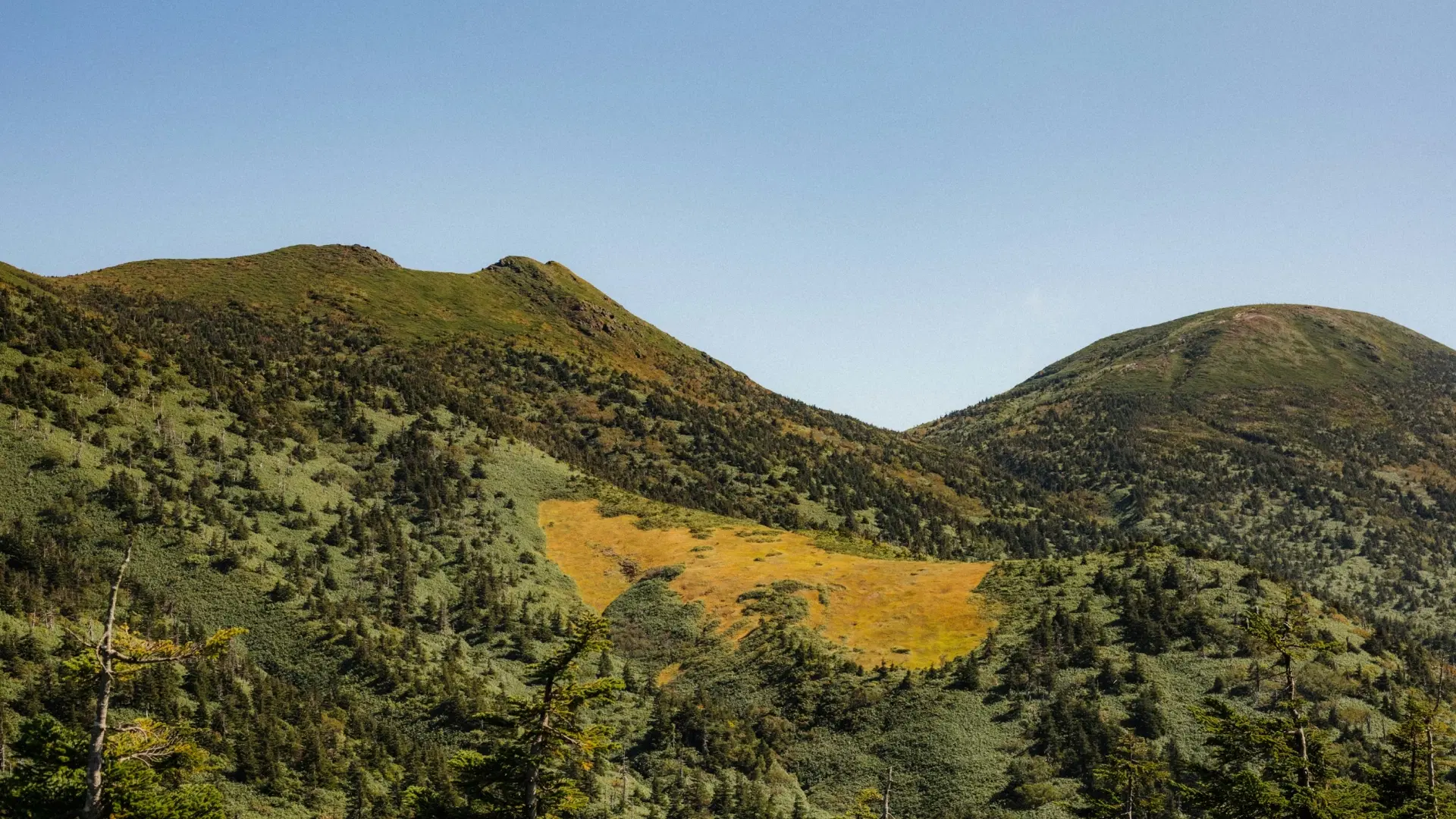
八甲田The Hakkoda Mountains rise south of Aomori City in a volcanic cluster whose peaks, none exceeding 1,585 meters, belie their ferocity. These mountains are among the snowiest places on Earth, receiving annual accumulations that can exceed eight meters at elevation, burying forests and roads in a white silence so complete that it swallows sound itself. The Hakkoda range is infamous in Japanese memory for the 1902 Imperial Army training disaster, in which 199 of 210 soldiers perished in a blizzard during a winter march, an event that shaped military doctrine and seared the mountains' name into the national consciousness as a place of terrible, indifferent beauty.
Yet the same volcanic geology that creates Hakkoda's extreme conditions also produces hot springs of extraordinary quality. Sukayu Onsen, established in 1684 at an elevation of 900 meters, is one of Japan's most celebrated bathing experiences. Its Hiba Sennin-buro, the "thousand-person cypress bath," is a vast mixed-gender hall of hiba cypress where milky, sulfurous water pools in wooden tubs beneath a cathedral-like ceiling of aged timber. The experience is communal, unadorned, and profoundly restorative, a form of bathing that connects bathers to the Japanese thermal tradition at its most elemental.
Beyond Sukayu, the Hakkoda highlands contain a constellation of smaller onsen, mountain ponds, and beech forests that together form one of Tohoku's most rewarding landscapes for walking, soaking, and seasonal contemplation. The Hakkoda Ropeway carries visitors to the summit ridge, where winter produces the famous juhyo, snow monsters, tree-shaped ice formations that transform the forest into a surreal gallery of frozen sculpture.
The Hakkoda Mountains rise south of Aomori City in a volcanic cluster whose peaks, none exceeding 1,585 meters, belie their ferocity.
Highlights
Sukayu Onsen's Hiba Sennin-buro is the essential Hakkoda experience. The bath hall, constructed entirely of hiba cypress, seats dozens of bathers in an atmosphere thick with steam and the sulfurous mineral scent of water drawn directly from the volcanic source. The mixed-gender tradition, maintained since the Edo period though with designated times for women-only bathing, reflects a communal approach to hot springs that has largely disappeared elsewhere in Japan. The ryokan attached to the bath is deliberately austere; guests sleep on futons in simple tatami rooms, eat hearty mountain cuisine, and organize their days around the rhythm of bathing.
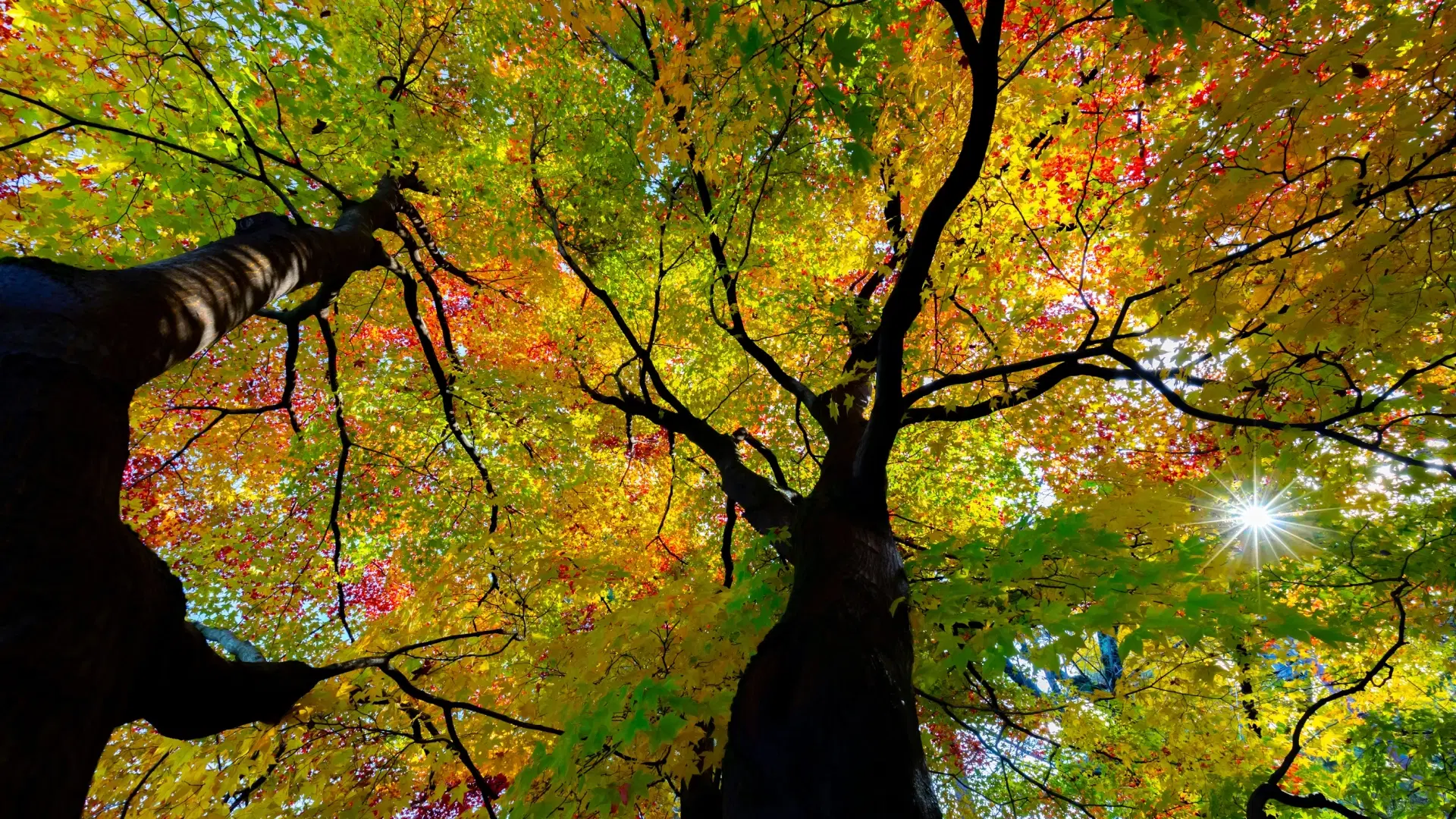
The Hakkoda Ropeway ascends from Sanroku Station to the summit of Tamoyachi-dake in ten minutes, opening access to a landscape that changes character with each season. In winter, the juhyo ice formations, created when supercooled fog freezes onto the Aomori fir trees in successive layers, produce shapes that are simultaneously eerie and comic, elephants and mushrooms and hunched figures standing in rows across the white summit plateau. Spring thaw, arriving as late as June at elevation, reveals alpine marshes and wildflower meadows. Autumn paints the beech forests in layers of copper, amber, and crimson that descend the slopes over several weeks.
Tsuta Onsen, lower on the mountain's eastern flank, offers a more intimate alternative to Sukayu. Its ancient beech-wood bath, fed by water rising directly through the floor from the volcanic source below, provides a bathing experience of extraordinary purity. Seven small ponds in the surrounding forest, linked by a walking trail, reflect the seasonal canopy with mirror-like stillness.
Culinary Scene
Hakkoda's cuisine is mountain food in its most honest form, shaped by elevation, season, and the limited growing conditions of a volcanic highland. The ryokan and mountain lodges serve meals built around sansai, wild mountain vegetables gathered from the surrounding forests: warabi fern shoots, kogomi fiddleheads, and the pungent gyoja-ninniku wild garlic that appears briefly in spring. Mushrooms, foraged from the beech and birch forests in autumn, are served grilled, in soups, and preserved for winter use. Iwana, the char that inhabits Hakkoda's cold mountain streams, is grilled whole over charcoal, its flesh smoky and clean.
Sukayu Onsen's communal dining hall serves set meals of straightforward mountain cooking: miso soup rich with root vegetables, grilled fish, pickled mountain plants, and the simple rice dishes that fuel hikers and bathers. There is no pretension here, no kaiseki artistry. The food is nourishing, seasonal, and consumed in a spirit of gratitude appropriate to a place where human presence has always been conditional on the mountain's tolerance.
Ryokans in Aomori
There are no ryokans in our guide listed in Hakkoda. See our selection across Aomori.
View ryokans in Aomori