Aomori
青森県Aomori occupies the northern extreme of Honshu, a land where the Tsugaru Strait's cold currents meet ancient mountain forests and the seasons arrive with theatrical force. This is apple country, Japan's undisputed heartland of the fruit, where orchards blanket the Tsugaru Plain in clouds of white blossom each May and hang heavy with crimson by autumn. But Aomori's identity extends far deeper than its harvests. The Shirakami Mountains, a UNESCO World Heritage beech forest along the prefecture's southwestern border, preserve one of East Asia's last great primeval woodlands, a canopy so dense and unbroken it has stood since the last ice age.
The cultural pulse of the prefecture beats loudest in August, when the Nebuta Festival transforms Aomori City into a river of light. Enormous illuminated floats, painted with fierce warriors and mythological scenes, are hauled through darkened streets by hundreds of dancers chanting "rassera, rassera." It is among the most visceral festival experiences in all of Japan, a spectacle that feels less like a performance than a communal act of defiance against the coming northern winter.
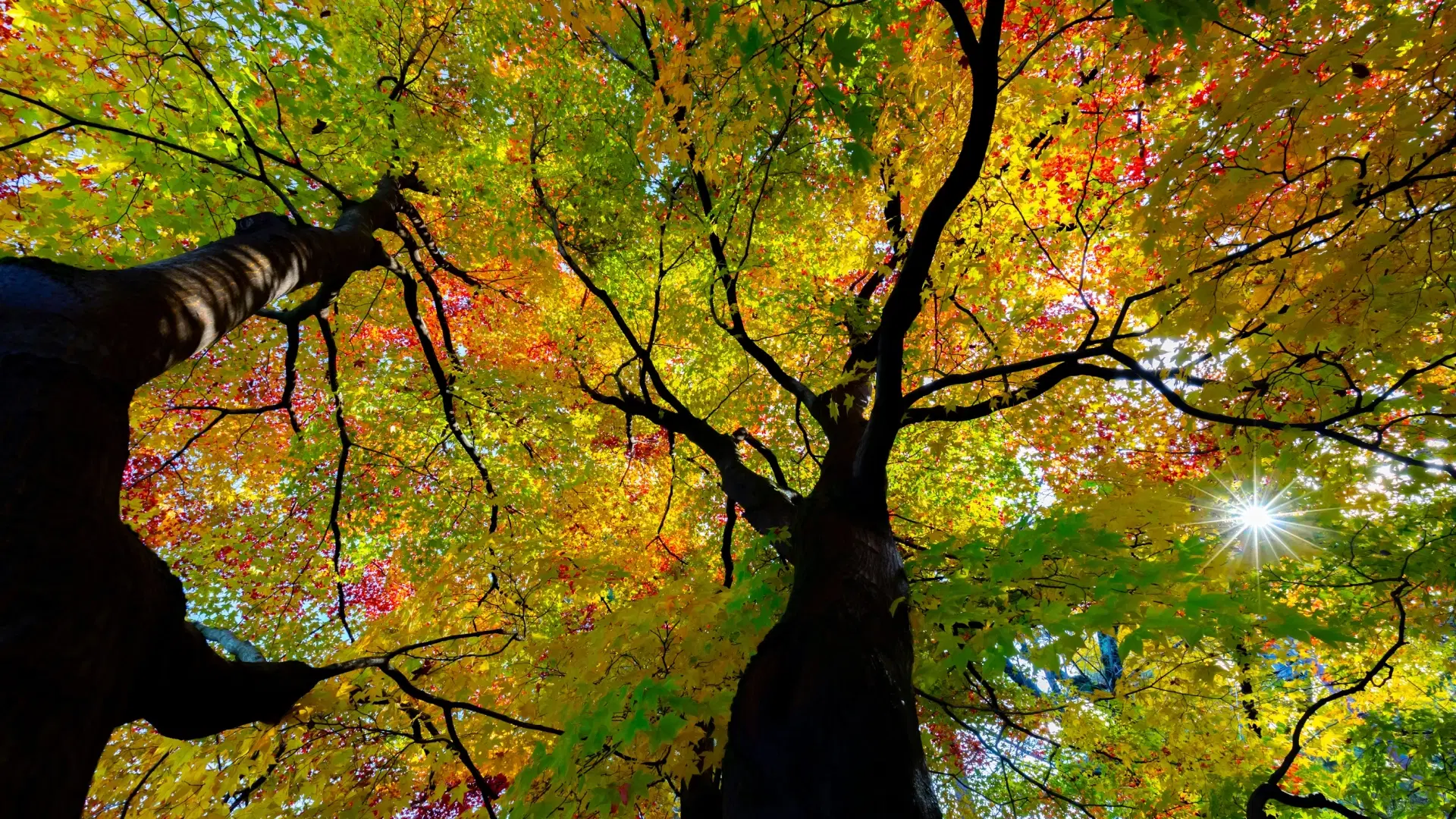
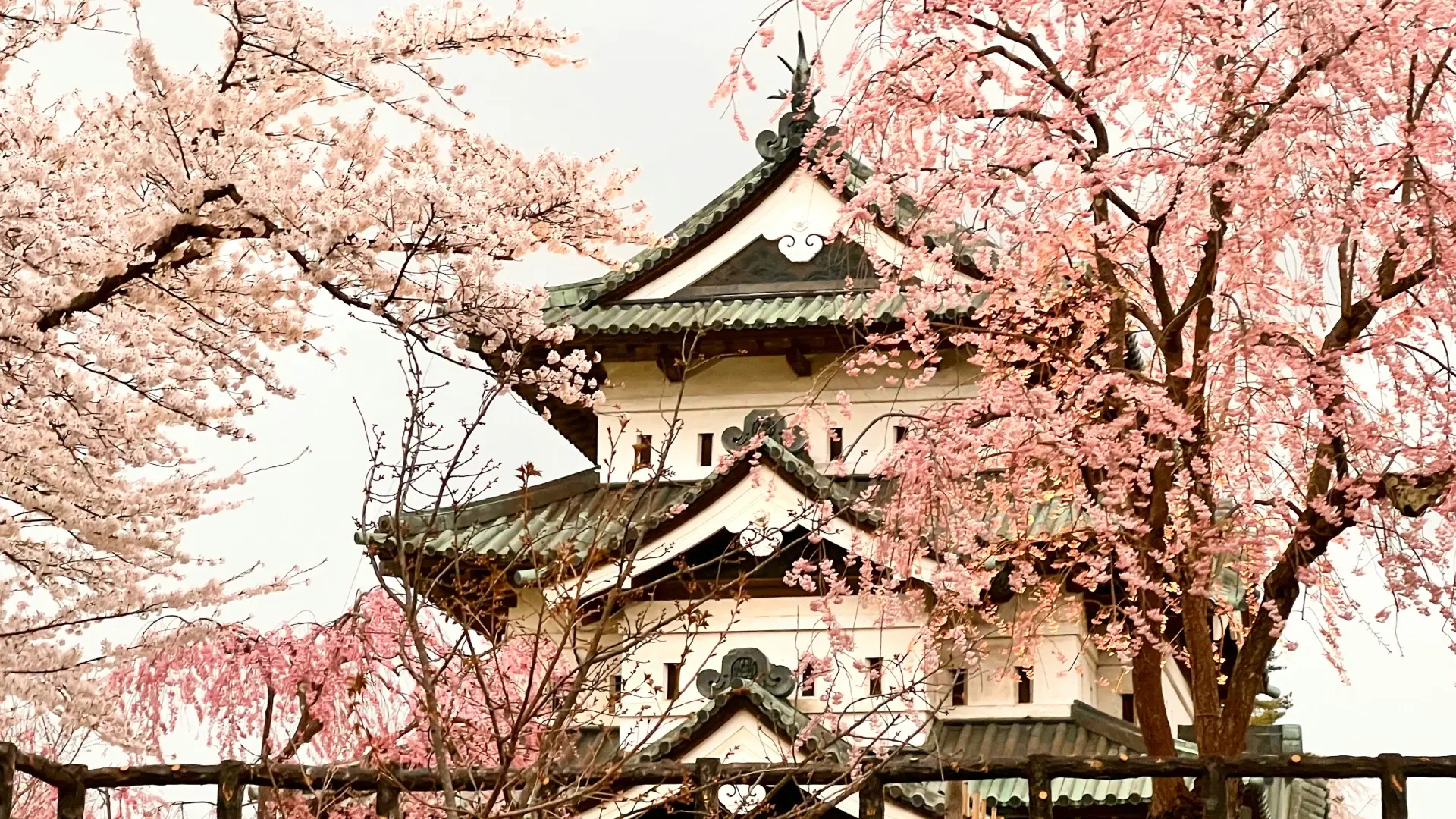
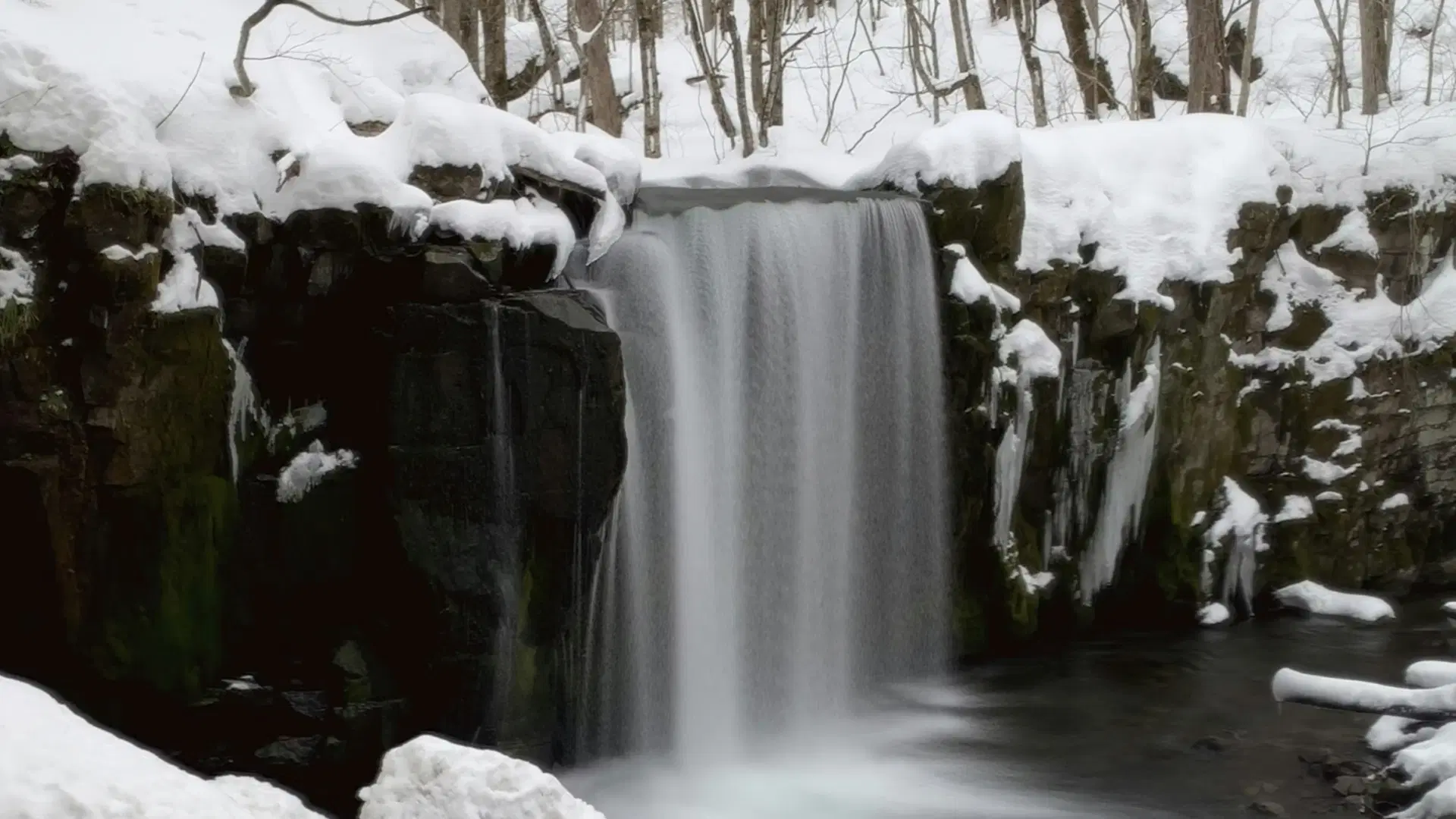
Beyond the festival grounds, Aomori reveals itself slowly. The Oirase Gorge, a fourteen-kilometer mountain stream corridor east of Lake Towada, is among the most beautiful walks in the Tohoku region, its mossy boulders and tiered waterfalls framed by beech and oak that turn to hammered gold in October. Hirosaki, the old castle town to the west, guards a moat lined with over two thousand cherry trees, their petals falling so thickly each spring they form a pink carpet on the water's surface.
Aomori occupies the northern extreme of Honshu, a land where the Tsugaru Strait's cold currents meet ancient mountain forests and the seasons arrive with theatrical force.
Cultural Identity
Aomori's culture carries the weight and warmth of Japan's deep north. The Tsugaru shamisen tradition, born in this region, produces a style of playing that is percussive, urgent, and emotionally raw, worlds away from the restrained plucking heard further south. Jomon-era archaeological sites, including the Sannai-Maruyama ruins, reveal that this land sustained one of the most sophisticated prehistoric cultures in the world, with pit dwellings, elaborate lacquerware, and the hauntingly expressive dogu figurines now recognized as national treasures. Aomori's folk crafts, from Tsugaru-nuri lacquerware with its layered, almost geological patterns to kogin-zashi geometric embroidery, reflect a people who transformed the long northern winters into seasons of meticulous creative labor.
Culinary Traditions
Aomori's cuisine is shaped by the convergence of cold seas and fertile plains. The prefecture produces nearly half of Japan's apples, and the fruit finds its way into everything from morning juice to dessert courses at local ryokan. The coastal waters yield exceptional scallops, farmed in Mutsu Bay, and superb maguro tuna landed at Oma, the northernmost point of Honshu, where the fish command prices rivaling Tsukiji's finest. Ichigoni, a delicate clear soup of sea urchin and abalone, is the region's most refined offering. Heartier fare includes senbeijiru, a rustic hot pot thickened with crumbled rice crackers, and Hachinohe's vibrant morning market, where vendors sell freshly grilled squid before dawn.
Waters & Onsen
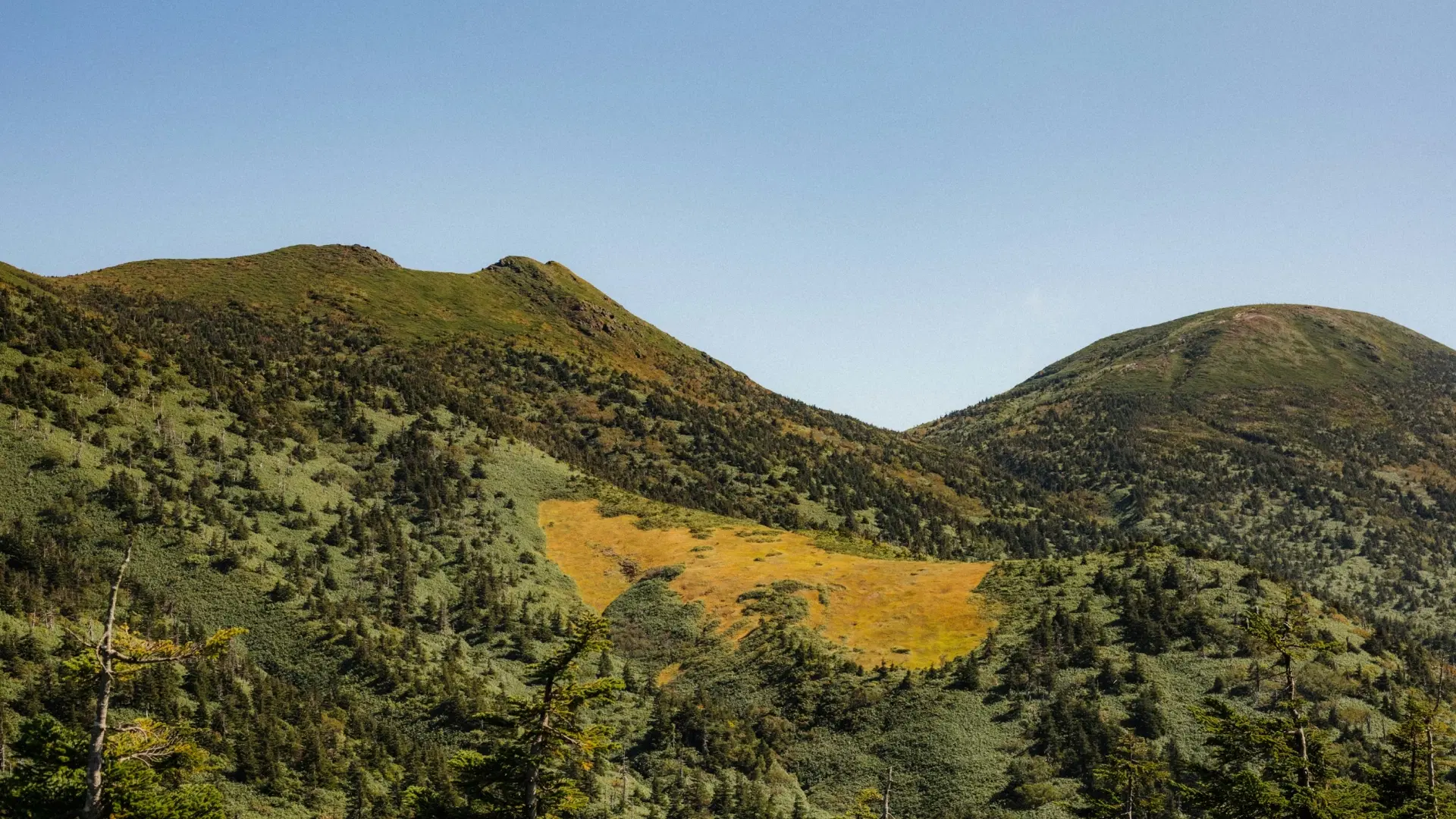
Aomori's hot springs carry the mineral intensity of a deeply volcanic landscape. Sukayu Onsen, perched at nearly one thousand meters on the slopes of Mount Hakkoda, is famous for its Sennin-buro, an enormous mixed-bathing cypress hall where milky acidic waters have drawn bathers for over three centuries. Asamushi Onsen, on the shores of Mutsu Bay, offers the gentler pleasure of sodium chloride springs with views across the water. In the mountains near Oirase, Tsuta Onsen maintains a series of rustic wooden baths fed by springs that bubble directly through the floor, an experience of startling intimacy with the earth. The waters here are clear and soft, rich in sulfate and bicarbonate, prized for their effect on the skin.