Towada
十和田Lake Towada is the largest caldera lake on Honshu, a body of water so deep and so blue that it appears to hold the sky within it. Formed by volcanic eruptions over 200,000 years ago and refined by subsequent geological activity into the double caldera shape visible on maps, the lake fills a crater in the mountains along the Aomori-Akita border at an elevation of 400 meters. Its maximum depth of 327 meters ensures a transparency that makes the shallows luminous in sunlight and the depths impenetrable, a quality that has inspired centuries of spiritual association and artistic response.
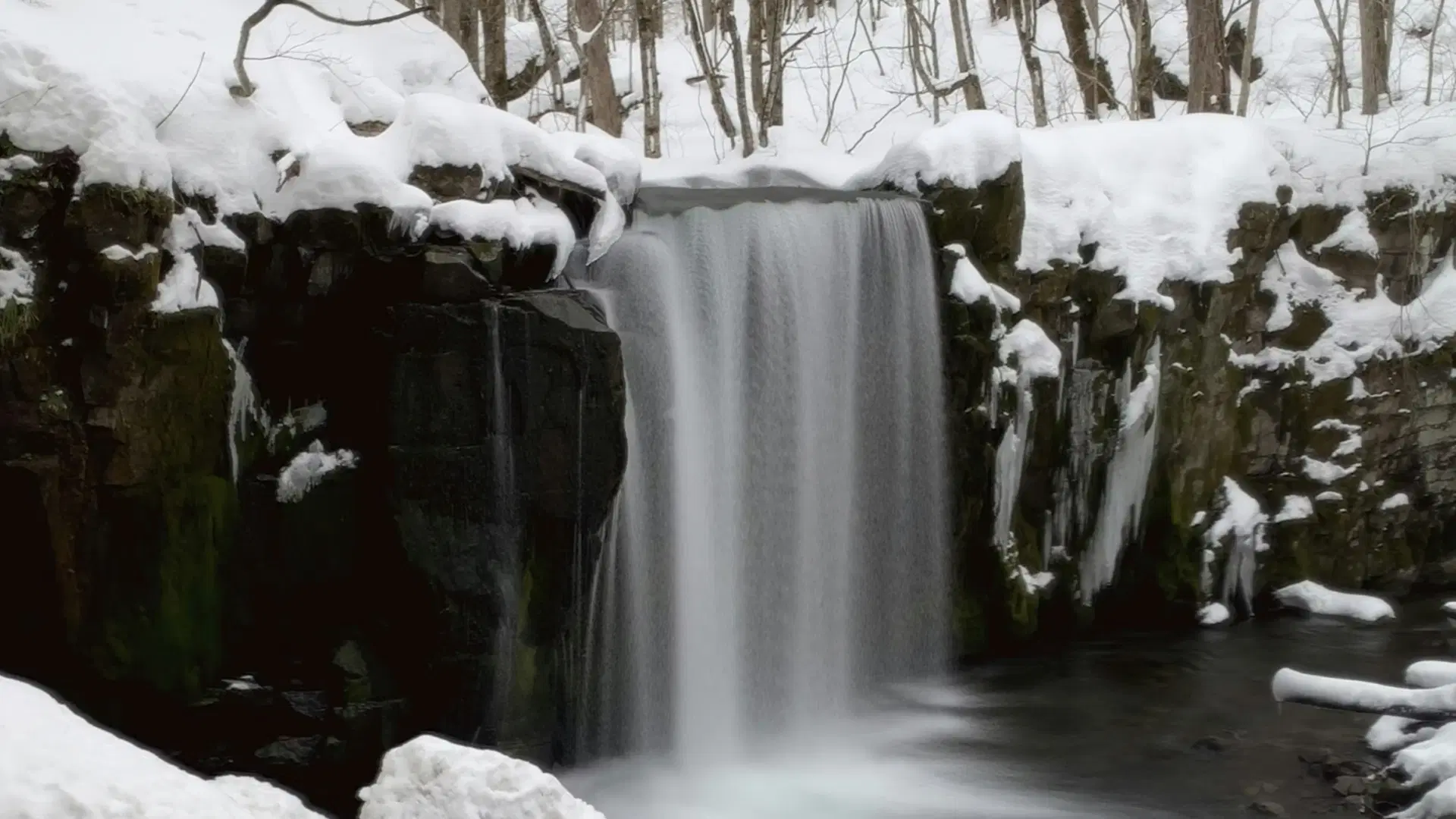
The Oirase Stream, flowing from the lake's eastern outlet through a fourteen-kilometer gorge of moss-covered rocks, waterfalls, and primeval beech forest, is considered one of Japan's most beautiful natural waterways. The stream's character is defined by its constancy; because Lake Towada regulates its flow, the water volume remains stable throughout the year, producing a continuous, musical descent through pools and cascades that have been photographed, painted, and celebrated since the Meiji era. A walking trail follows the entire length of the gorge, never straying far from the water, passing fourteen named waterfalls including the powerful Choshi Otaki and the delicate, curtain-like Kumoi no Taki.
Towada City, on the plain below the lake, has reinvented itself through contemporary art. The Towada Art Center, an ambitious museum designed by Ryue Nishizawa of SANAA, houses permanent installations by international artists including Yayoi Kusama, Ron Mueck, and Do Ho Suh, each work occupying its own glass-walled pavilion along the city's main boulevard. This commitment to art in a small provincial city speaks to a broader Tohoku pattern of cultural investment as a response to demographic decline, and the museum's integration into the streetscape, with outdoor works visible to passing pedestrians, dissolves the boundary between institution and community.
Lake Towada is the largest caldera lake on Honshu, a body of water so deep and so blue that it appears to hold the sky within it.
Highlights
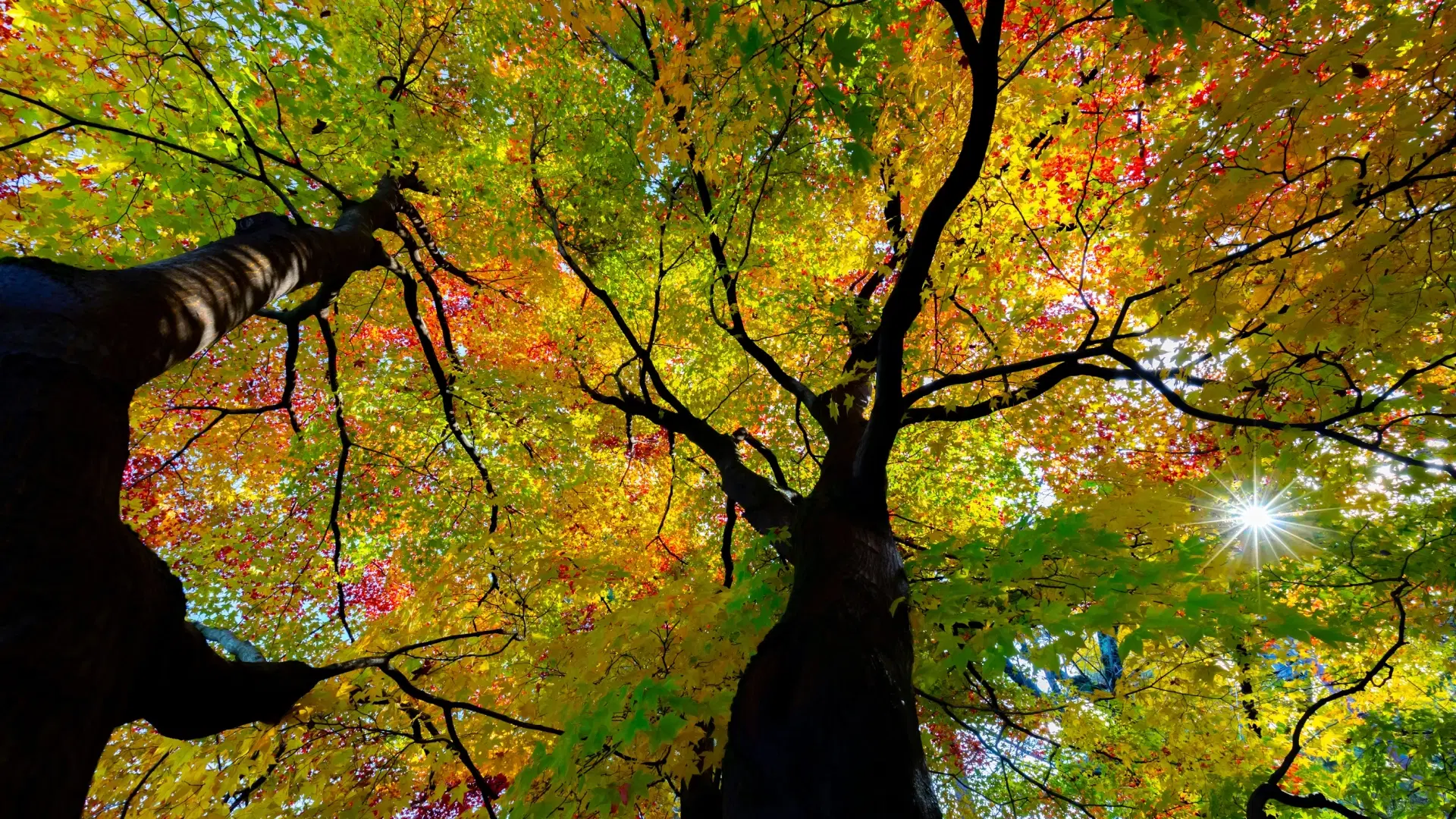
The Oirase Stream gorge trail is Towada's masterpiece, a walk that unfolds over three to four hours through a landscape of extraordinary intimacy. The gorge is narrow enough that the forest canopy closes overhead in many places, filtering light through layers of beech, birch, and Japanese oak. The moss-covered boulders that line the stream support miniature ecosystems of ferns, liverworts, and fungi. Each of the fourteen waterfalls has a distinct character, from the thunderous volume of Choshi Otaki, which drops from the lake outlet with concentrated force, to the ethereal threads of Kumoi no Taki, barely visible through the mist on humid mornings. In autumn, the canopy transforms into a tunnel of color, the stream reflecting copper and vermilion in its quieter pools.
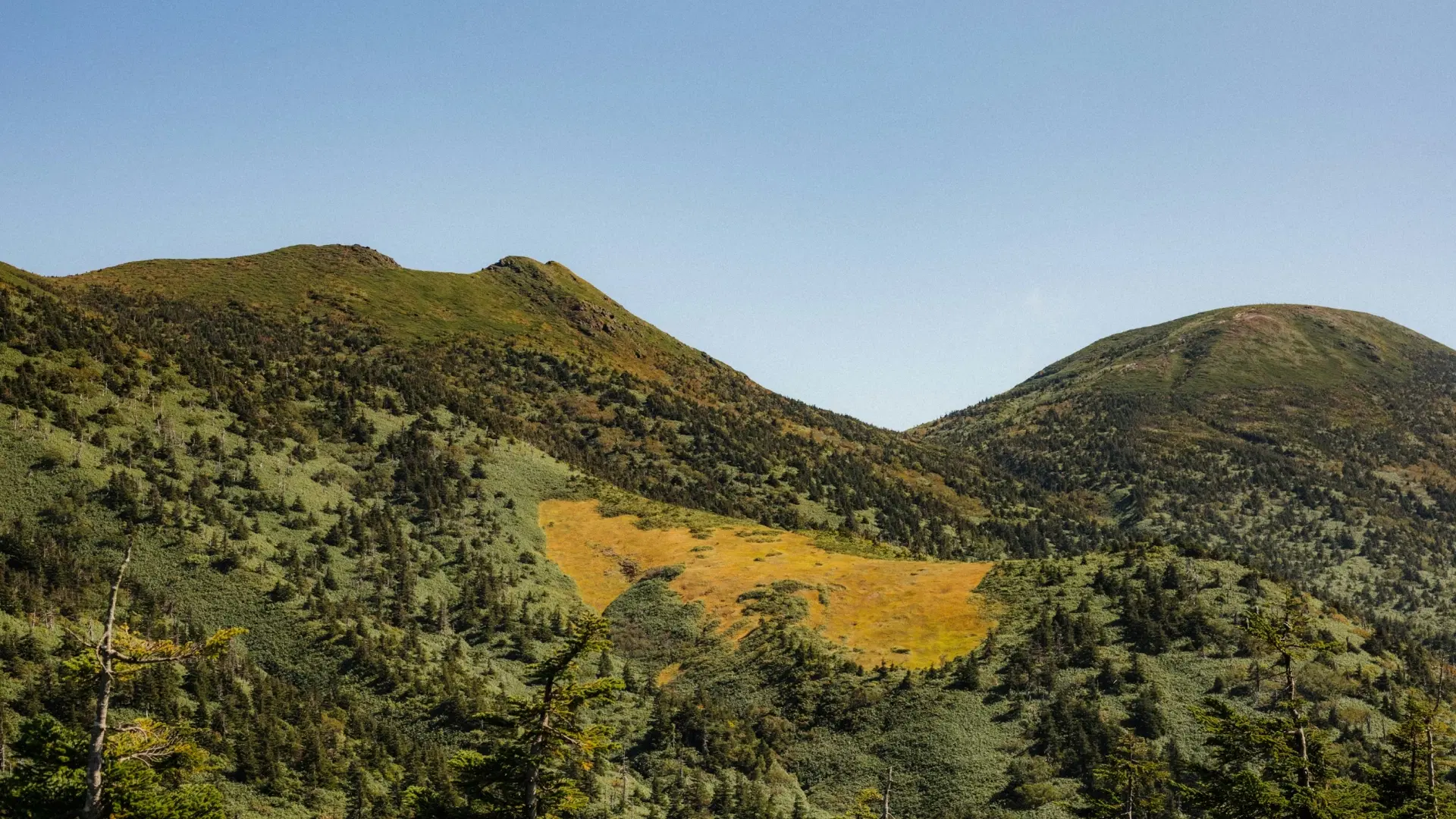
Lake Towada itself is best experienced from the water. Sightseeing boats cross between Yasumiya on the south shore and Nenokuchi near the Oirase outlet, a fifty-minute journey that reveals the caldera's scale and the surrounding mountains' forested slopes. Kayaking, available from several lakeside operators, brings visitors into closer contact with the water's remarkable clarity. The lake's western shore, accessible by trail from Utarube, offers solitude and views across the full expanse of water to the distant Hakkoda peaks.
The Towada Art Center delivers an experience that feels genuinely surprising in its rural setting. Ron Mueck's Standing Woman, a hyper-realistic sculpture over four meters tall, occupies her glass pavilion with an unsettling presence. Kusama's polka-dotted sculptures spill from the museum grounds onto the sidewalks. The integration of international contemporary art into this small Tohoku city creates a cultural friction that is both stimulating and poignant.
Culinary Scene
Towada's signature dish is Towada barayaki, a local specialty of beef offal and onions grilled on a steel plate with a sweet and savory soy-based sauce. What began as an economical meal for workers in the area's horse-breeding industry has been elevated to civic emblem, served in restaurants and at festivals throughout the city. The dish is hearty, deeply flavored, and best accompanied by rice and cold beer.
The lake and its surrounding highlands yield a cuisine of freshwater fish, mountain vegetables, and game. Himemasu, a landlocked salmon unique to a handful of Japanese lakes, is served at the lakeside restaurants in preparations ranging from sashimi to salt-grilled whole fish, its pink flesh delicate and faintly sweet. Sansai tempura, featuring the wild vegetables foraged from the Oirase gorge forests in spring, showcases the bitter, vegetal complexity that defines mountain cuisine. In autumn, mushrooms gathered from the beech forests, including the prized maitake and the subtle shimeji, appear in soups, rice dishes, and alongside grilled iwana char.