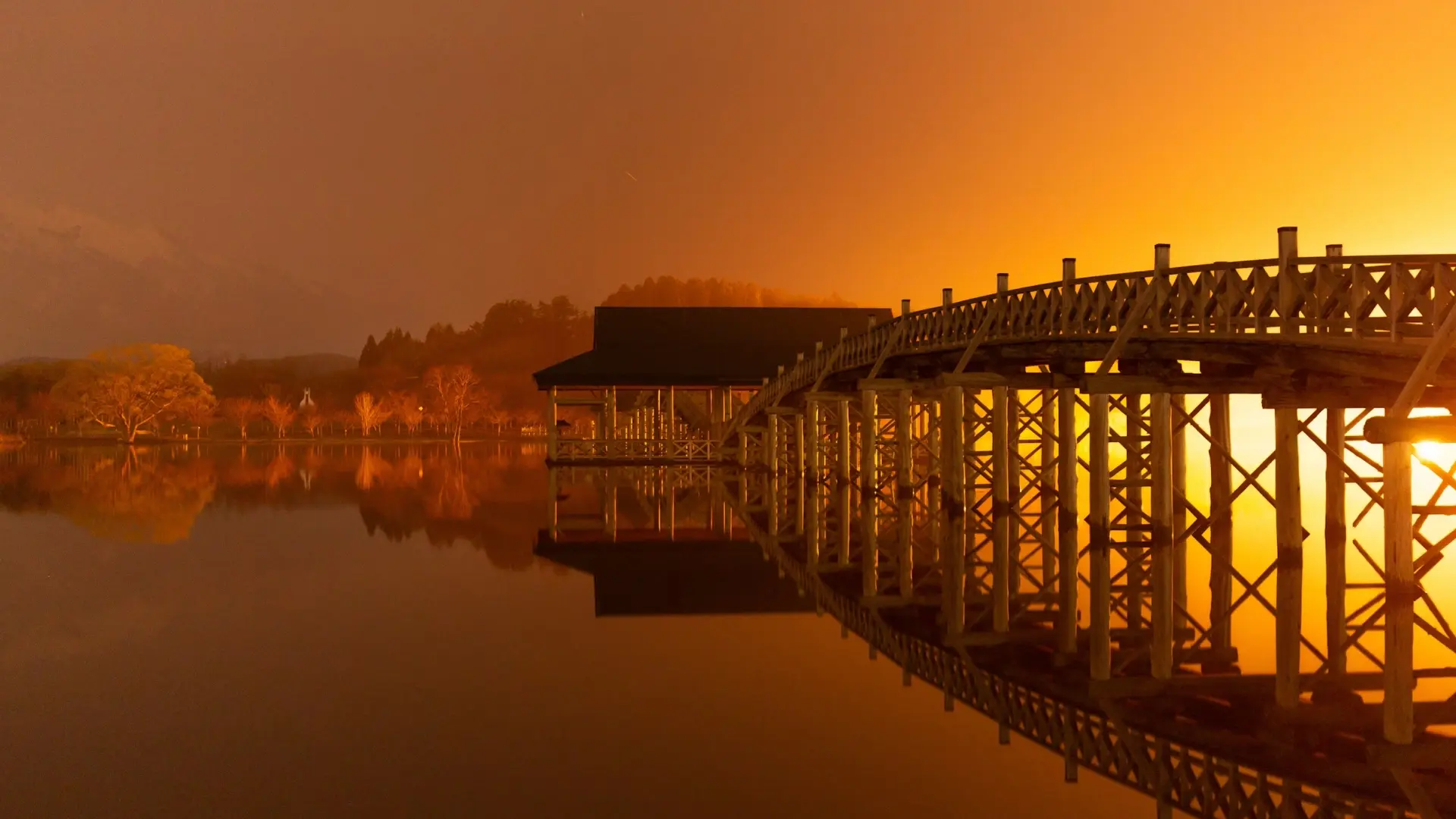
Towada Autumn Foliage
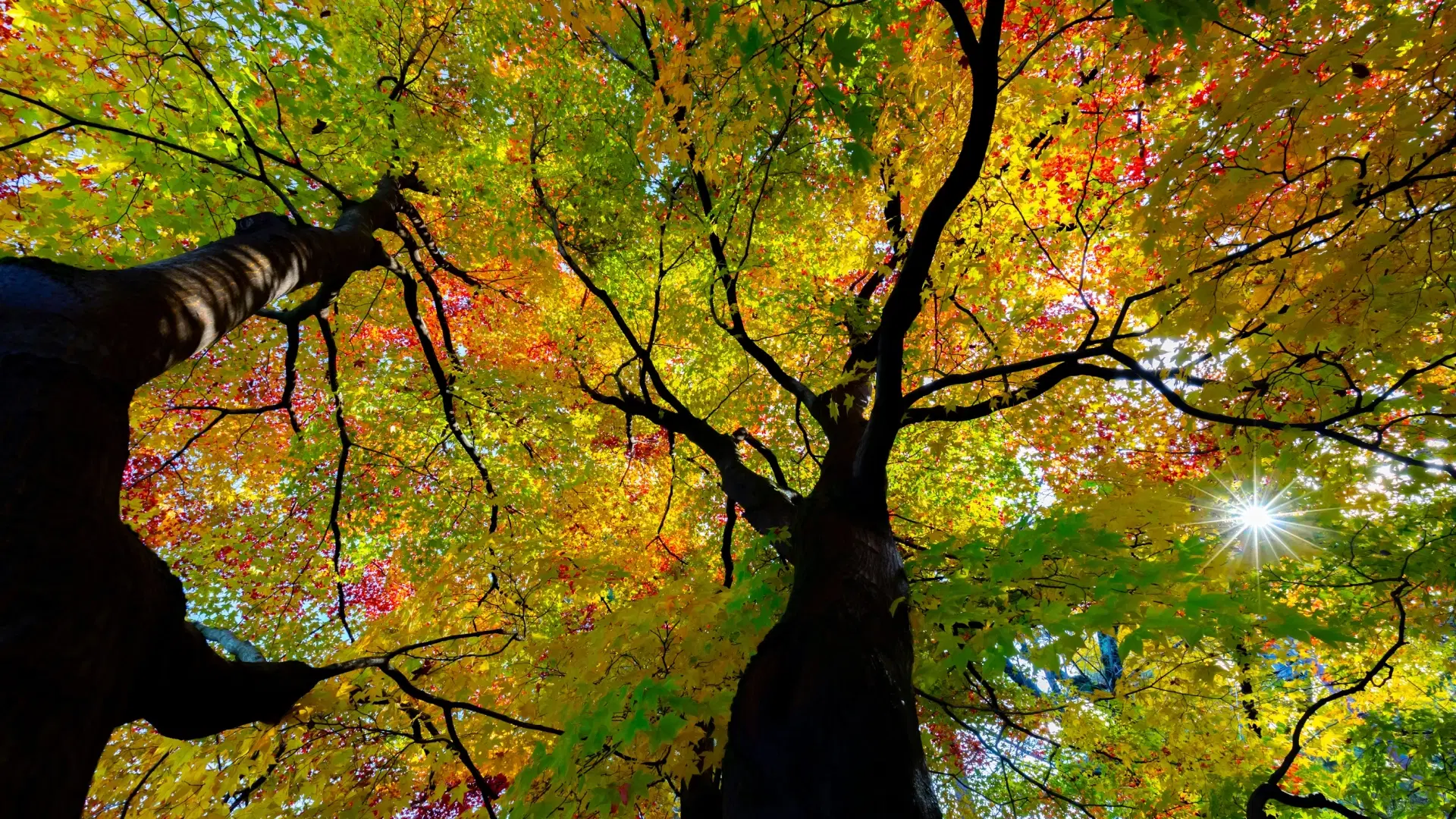
十和田の紅葉The autumn foliage at Lake Towada and the Oirase Stream gorge is among the most celebrated koyo in Japan, a seasonal transformation that turns one of Tohoku's most beautiful landscapes into something approaching the sublime. The Oirase Stream, flowing through its fourteen-kilometer gorge of moss-covered boulders and primeval beech forest, becomes in autumn a corridor of color so intense that the distinction between the trees above and their reflection in the water below dissolves into a continuous field of crimson, amber, and gold. The stream's constant murmur, the cool air descending from the surrounding peaks, and the dappled light filtering through the turning canopy create a multisensory experience that no photograph has ever adequately captured.
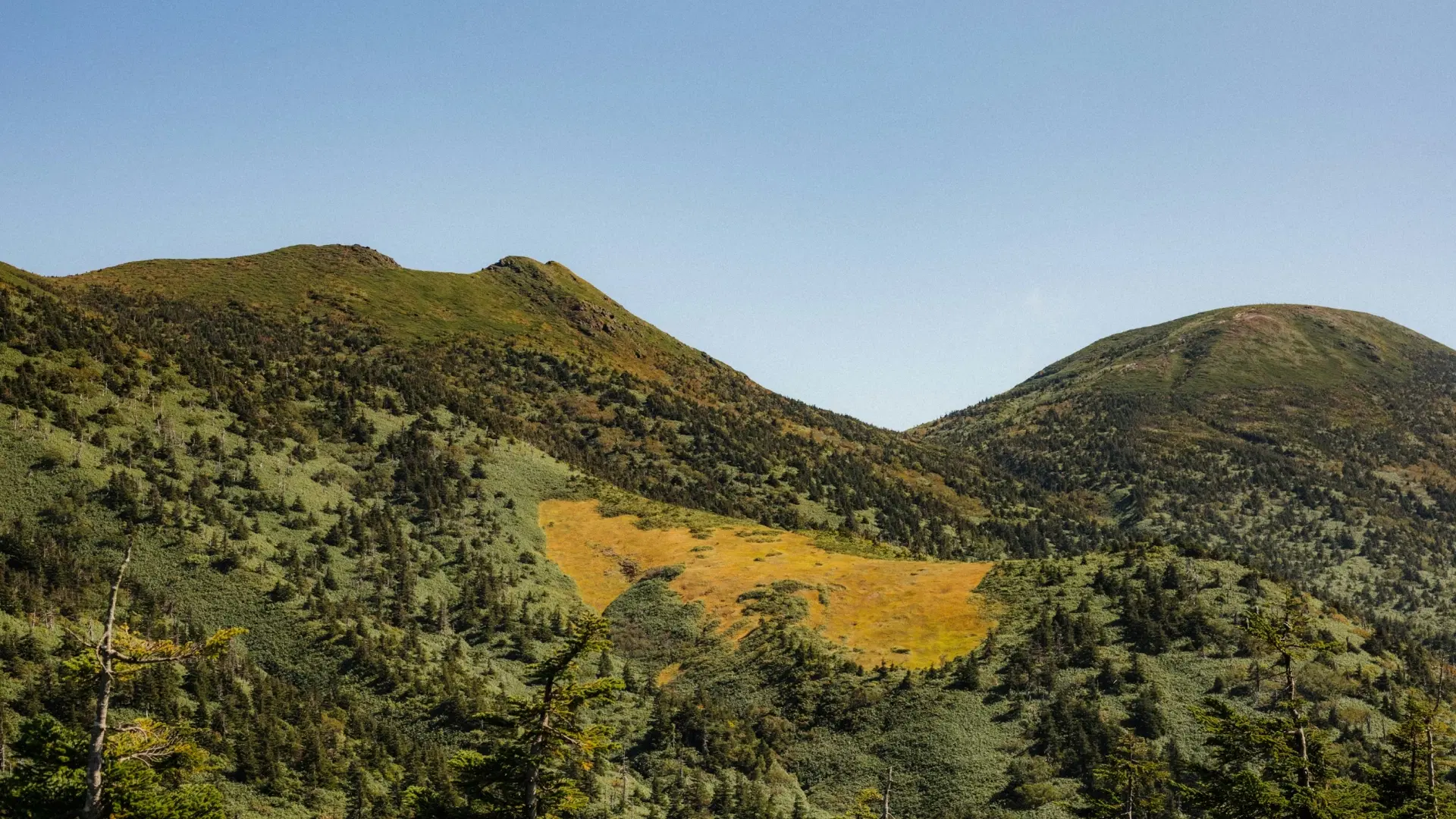
Lake Towada itself participates in the spectacle from a different vantage. The caldera walls surrounding the lake are densely forested with beech, maple, and Japanese oak, and as the color change descends from the higher elevations over the course of several weeks, the lake's surface reflects a continuously evolving palette. Early morning, before wind disturbs the water, the reflection is so perfect that the lake appears bottomless, the sky and the forest extending infinitely downward into a blue that is both water and air.
This is not a festival in the conventional sense but a natural event around which a regional economy and a cultural practice have organized themselves. The roads through the Oirase gorge and around the lakeshore fill with buses, photographers, painters, and families making their annual autumn pilgrimage. Ryokan and hotels in the area offer special foliage-viewing plans that include early morning excursions and kaiseki meals incorporating the season's mushrooms, root vegetables, and preserved mountain plants.
The autumn foliage at Lake Towada and the Oirase Stream gorge is among the most celebrated koyo in Japan, a seasonal transformation that turns one of Tohoku's most beautiful landscapes into something approaching the sublime.
History & Significance
The Towada-Hakkoda region's reputation as a koyo destination was established during the Meiji era, when the naturalist and poet Oira Hisashi published descriptions of the Oirase gorge that brought the area to national attention. The construction of roads through the gorge in the early twentieth century made access practical for the first time, and by the 1930s, the area had been designated as part of the Towada-Hakkoda National Park, providing protections that ensured the old-growth forests would not be logged. This preservation is directly responsible for the quality of the autumn display; the beech trees that produce the richest gold tones are mature specimens whose canopies have developed over decades of undisturbed growth.
The region's selection as one of Japan's top koyo destinations in numerous media rankings has made it a pilgrimage site for foliage enthusiasts, photographers, and painters who return annually to document the season's variation. No two autumns are identical; the timing, intensity, and duration of the color change depend on temperature patterns that vary from year to year, giving each season's display a uniqueness that rewards repeat visits and punishes rigid scheduling.
What to Expect
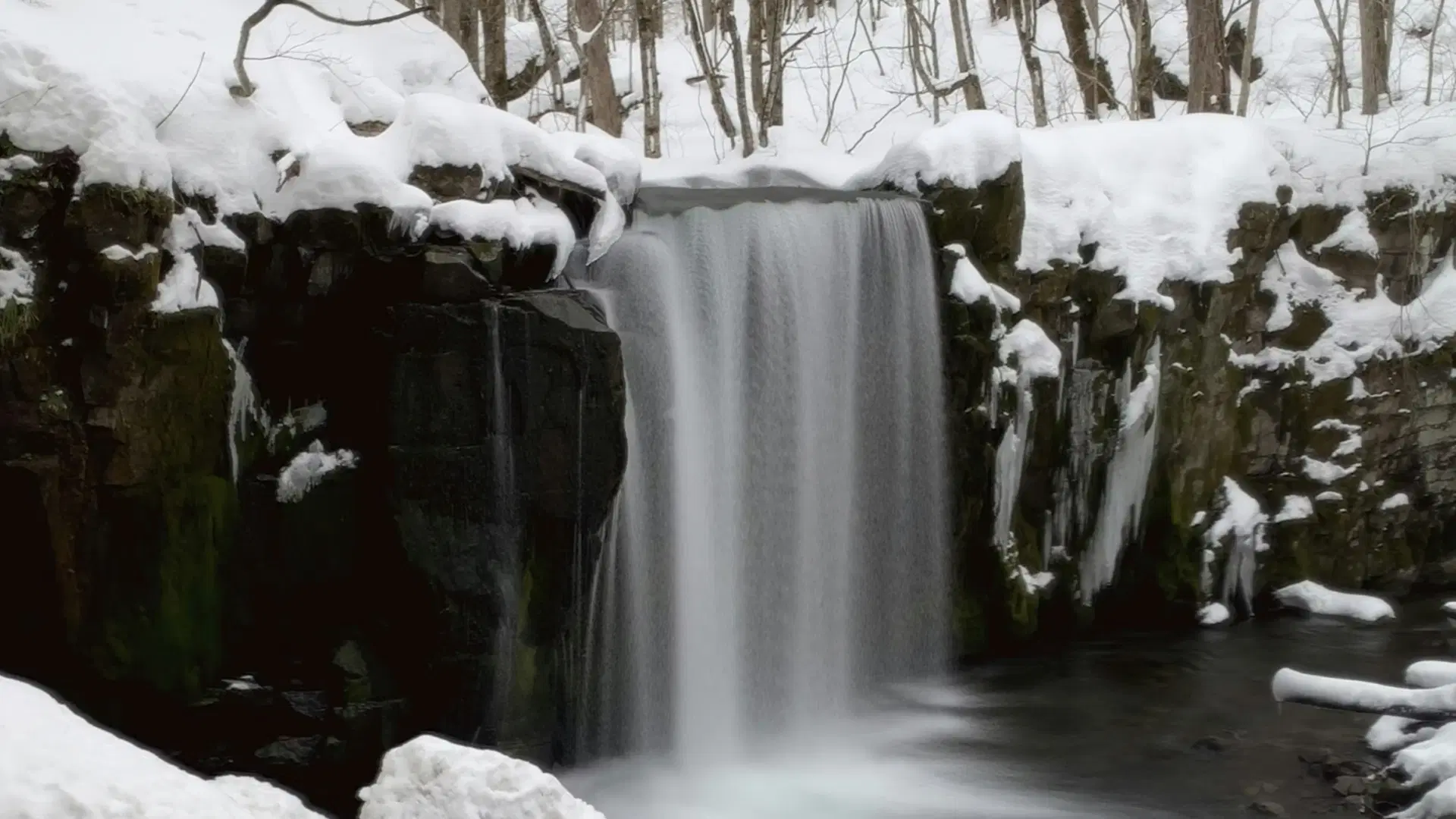
The Oirase Stream trail, stretching fourteen kilometers from Yakeyama to Nenokuchi at the lake outlet, is the primary foliage-viewing experience. The trail follows the stream closely, crossing it several times on bridges that provide elevated perspectives of the water moving through its autumn-colored canyon. The most photographed sections cluster around the named waterfalls: Choshi Otaki, where the falls' white water contrasts with the surrounding crimson maples; Kumoi no Taki, whose delicate threads of water are framed by golden beech leaves; and Sanran no Nagare, where the stream braids across flat rocks beneath an overhanging canopy of mixed deciduous trees.
Walking the full trail requires three to four hours at a contemplative pace. Many visitors choose to walk a section and ride the JR bus between trailheads, a practical approach that allows deeper engagement with the most scenic portions. The trail is flat and well-maintained, suitable for walkers of moderate fitness, though fallen leaves can make the path slippery after rain.
On the lake, sightseeing boats operate throughout the foliage season, offering perspectives of the caldera walls that are inaccessible by road. The boat route between Yasumiya and Nenokuchi passes beneath the most colorful slopes, and the combination of the lake's deep blue water, the surrounding forest's blazing color, and the distant volcanic peaks creates a panorama of extraordinary depth and harmony. For those seeking solitude, the trails along the lake's less-visited western shore provide quiet walking through forests where the only sounds are birdsong, falling leaves, and the lapping of water on the volcanic shore.