Miyagi
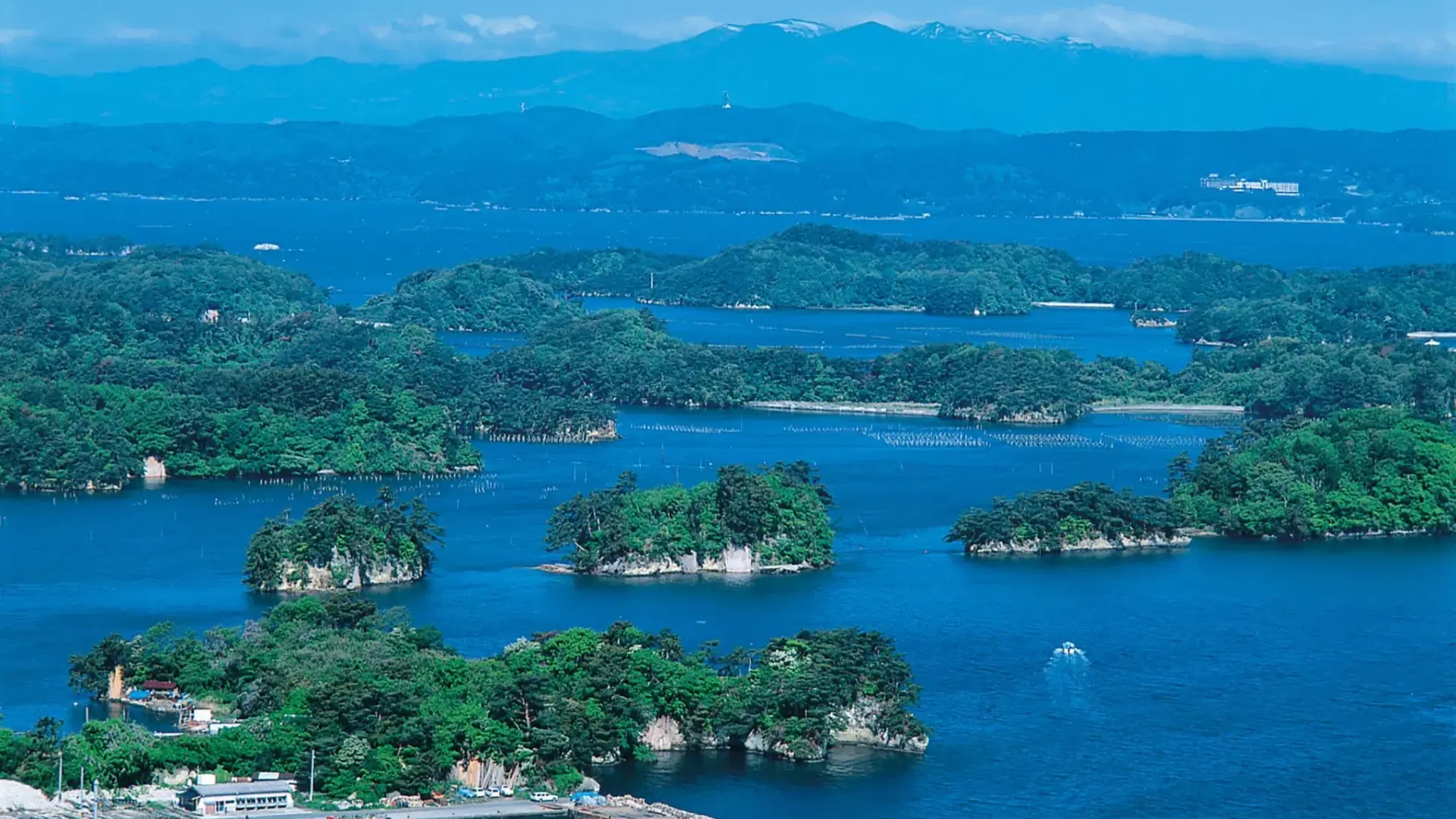
宮城県Miyagi is Tohoku's gateway, the most accessible and outward-facing of the six northern prefectures, yet behind the modern bustle of Sendai lies a landscape of startling variety. Matsushima Bay, with its roughly 260 pine-clad islets scattered across calm blue water, has been celebrated as one of Japan's three most beautiful views since at least the seventeenth century, when the poet Matsuo Basho arrived and, according to legend, found himself so moved that he could only write the name three times in place of a verse. The bay's beauty is not the dramatic, vertiginous kind but rather a studied composition of soft forms: low islands, weathered rock, and twisted pine silhouetted against an enormous sky.
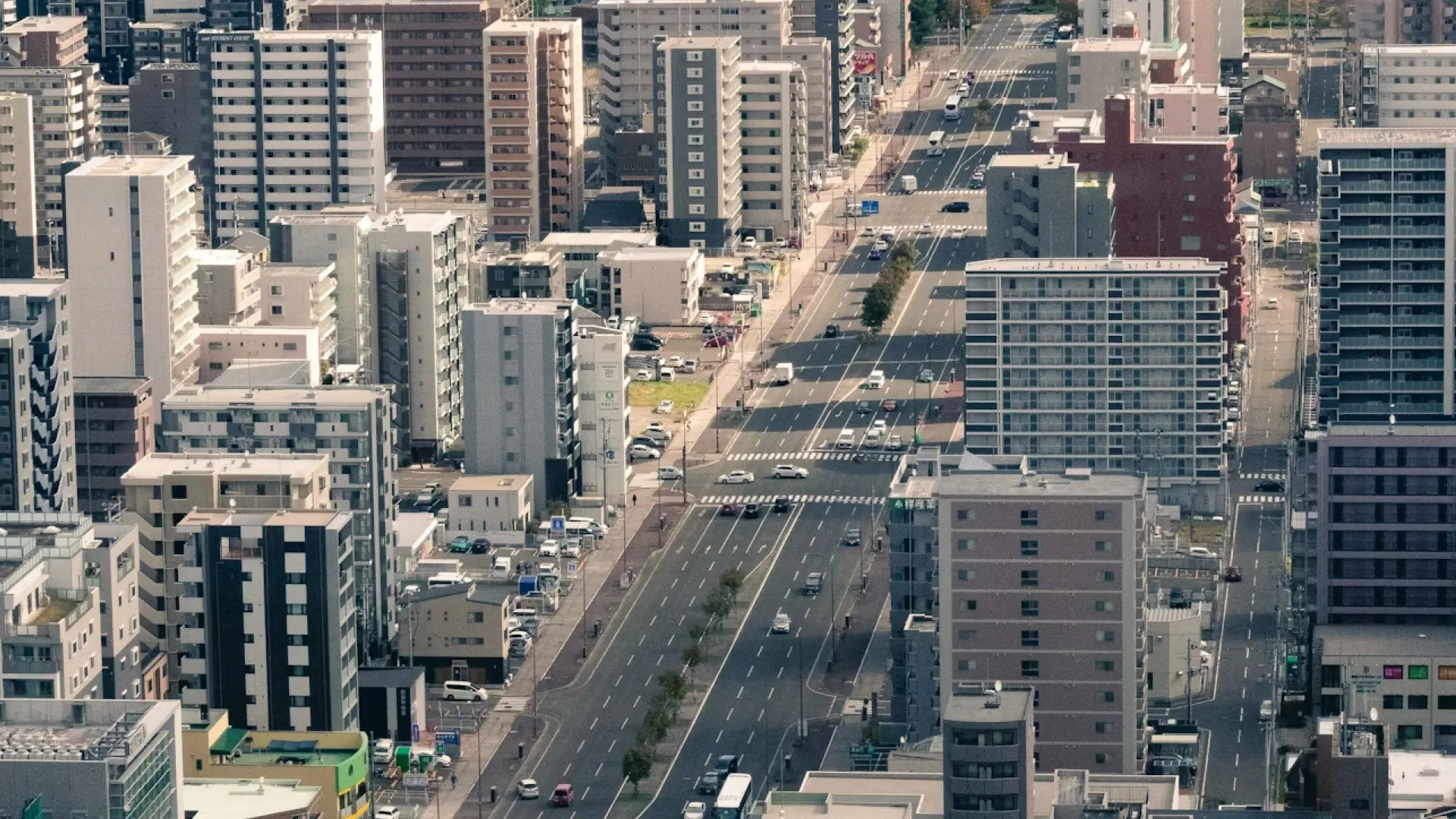
Sendai itself is a city of trees. Known as the "City of Trees" since the era of its founder, the warlord Date Masamune, its central avenues are canopied by zelkova, and its hillsides preserve the ruins of Aoba Castle, from which the one-eyed lord once commanded much of the north. Masamune's aesthetic ambitions, which sent envoys as far as the Vatican, left behind temples of remarkable opulence, most notably Zuihoden, his mausoleum, adorned with the gold and lacquer work that defined the Date clan's flamboyant Momoyama-influenced style.
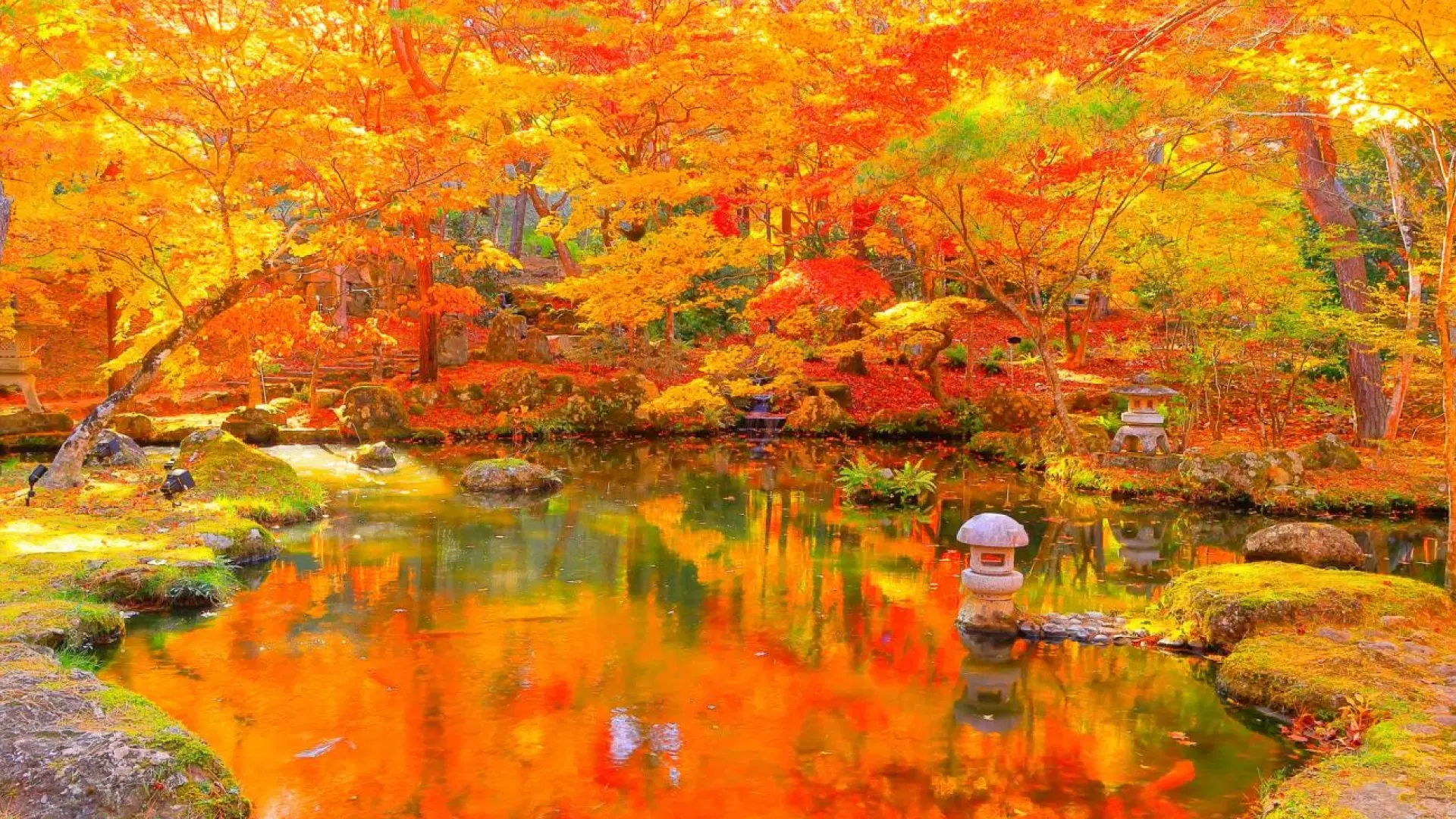
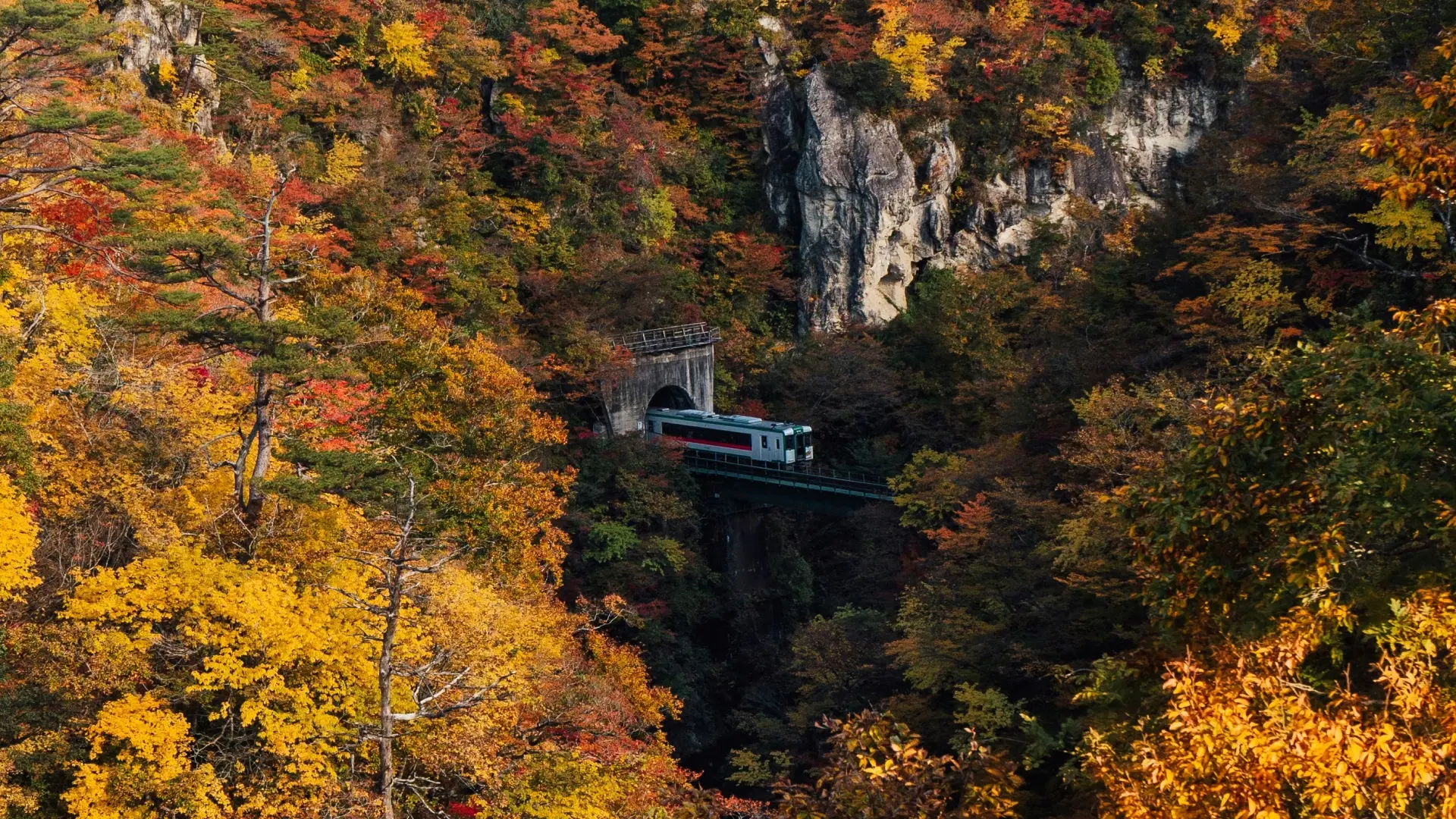
West of the city, the landscape rises into the mountains that form Miyagi's spine. Naruko Onsen, in a gorge of volcanic rock and brilliant autumn maples, is one of Tohoku's most storied hot spring towns, known equally for its therapeutic waters and its handcrafted kokeshi dolls. The Zao mountain range to the south offers primeval beech forest, crater lakes of impossible blue, and, in winter, the surreal formations of juhyo snow monsters on its upper slopes.
Miyagi is Tohoku's gateway, the most accessible and outward-facing of the six northern prefectures, yet behind the modern bustle of Sendai lies a landscape of startling variety.
Cultural Identity
Miyagi's cultural identity was shaped profoundly by Date Masamune, the charismatic warlord who transformed Sendai from a provincial outpost into one of Japan's great castle cities during the early Edo period. His taste for splendor is visible in the ornate Zuihoden mausoleum, the richly decorated Osaki Hachimangu Shrine, and the Sendai Tanabata Festival, which traces its origins to Masamune's patronage. The kokeshi dolls of Naruko, with their simple turned-wood forms and painted floral faces, represent a folk art tradition that dates back to the late Edo period, when woodworkers in hot spring towns began carving small figures for visiting bathers. Each of the eleven traditional kokeshi lineages has a distinct regional style, and Naruko's, with its characteristic head that squeaks when turned, is among the most beloved.
Culinary Traditions
Sendai is synonymous with gyutan, beef tongue grilled over charcoal and served with barley rice and oxtail soup. What began as a postwar improvisation has become an art form, with the best restaurants aging and seasoning the meat for days before it reaches the flame. Beyond this signature dish, Miyagi's coastal waters produce extraordinary oysters from Matsushima Bay, where the calm, nutrient-rich conditions yield shells of remarkable plumpness and sweetness. Sanriku saury, squid, and tuna round out the maritime offerings. On the Sendai Plain, zunda, a vivid green paste of crushed edamame, appears as a topping for mochi and in the city's beloved zunda shake, a modern classic. Sasa-kamaboko, pressed fish cake shaped like bamboo leaves, is another local staple, eaten fresh from the grill at shops across the city.
Waters & Onsen
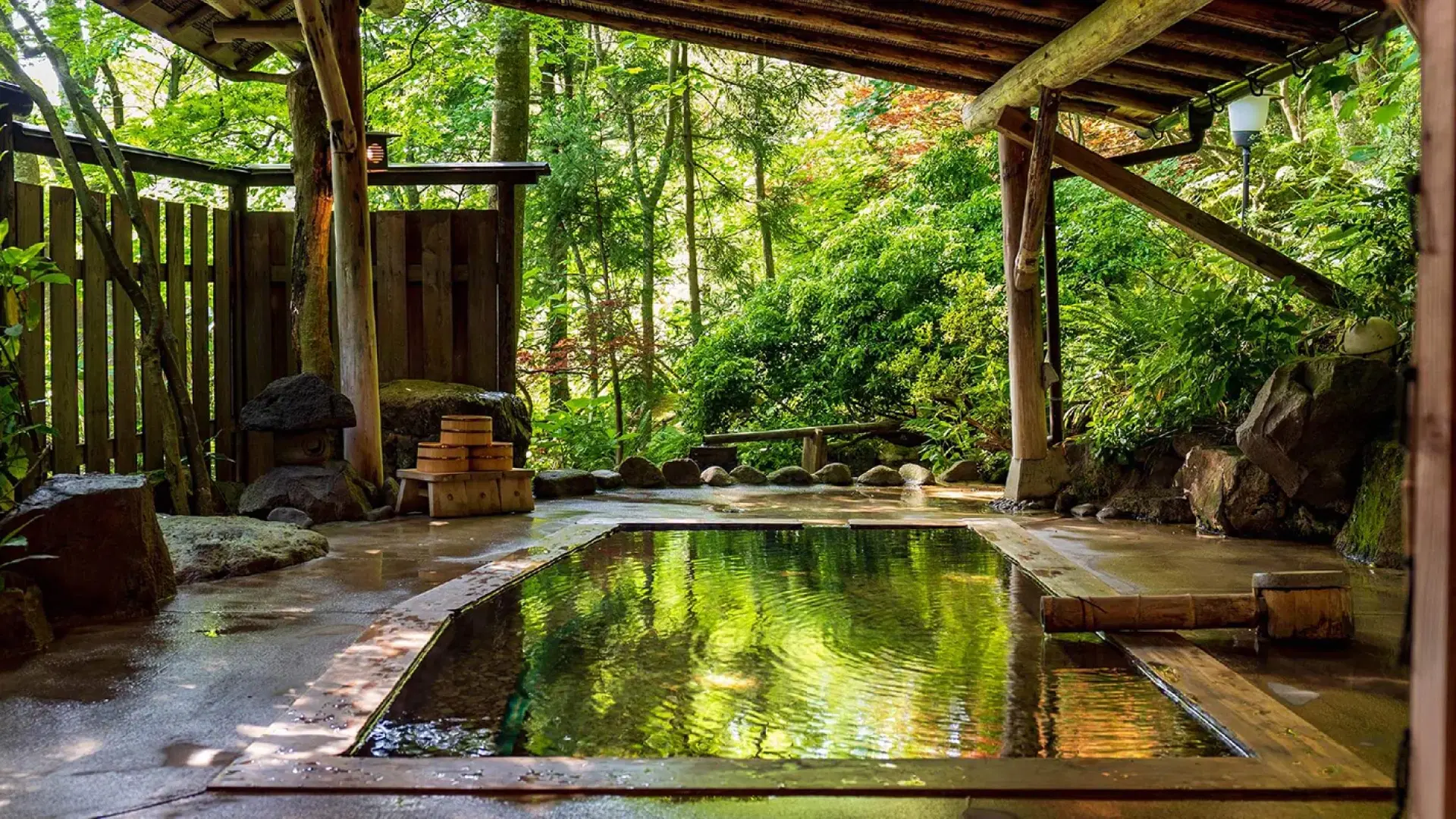
Miyagi's two principal onsen destinations could hardly be more different in character. Naruko Onsen, tucked into a volcanic gorge in the prefecture's northwest, offers waters of remarkable chemical diversity: within this single town, five of Japan's officially recognized eleven spring types flow from the earth, ranging from sulfur springs to sodium bicarbonate to simple thermal waters. The gorge itself, known as Naruko-kyo, is one of Tohoku's most celebrated autumn landscapes. Akiu Onsen, just thirty minutes from central Sendai, has served as the "inner parlor" of the city for over fifteen hundred years. Its alkaline springs, set along the tree-lined Natori River gorge, provide a refined retreat that is urban in access but rural in atmosphere. Nearby Sakunami Onsen adds yet another option, with gentle waters in a quiet mountain valley.