Sendai
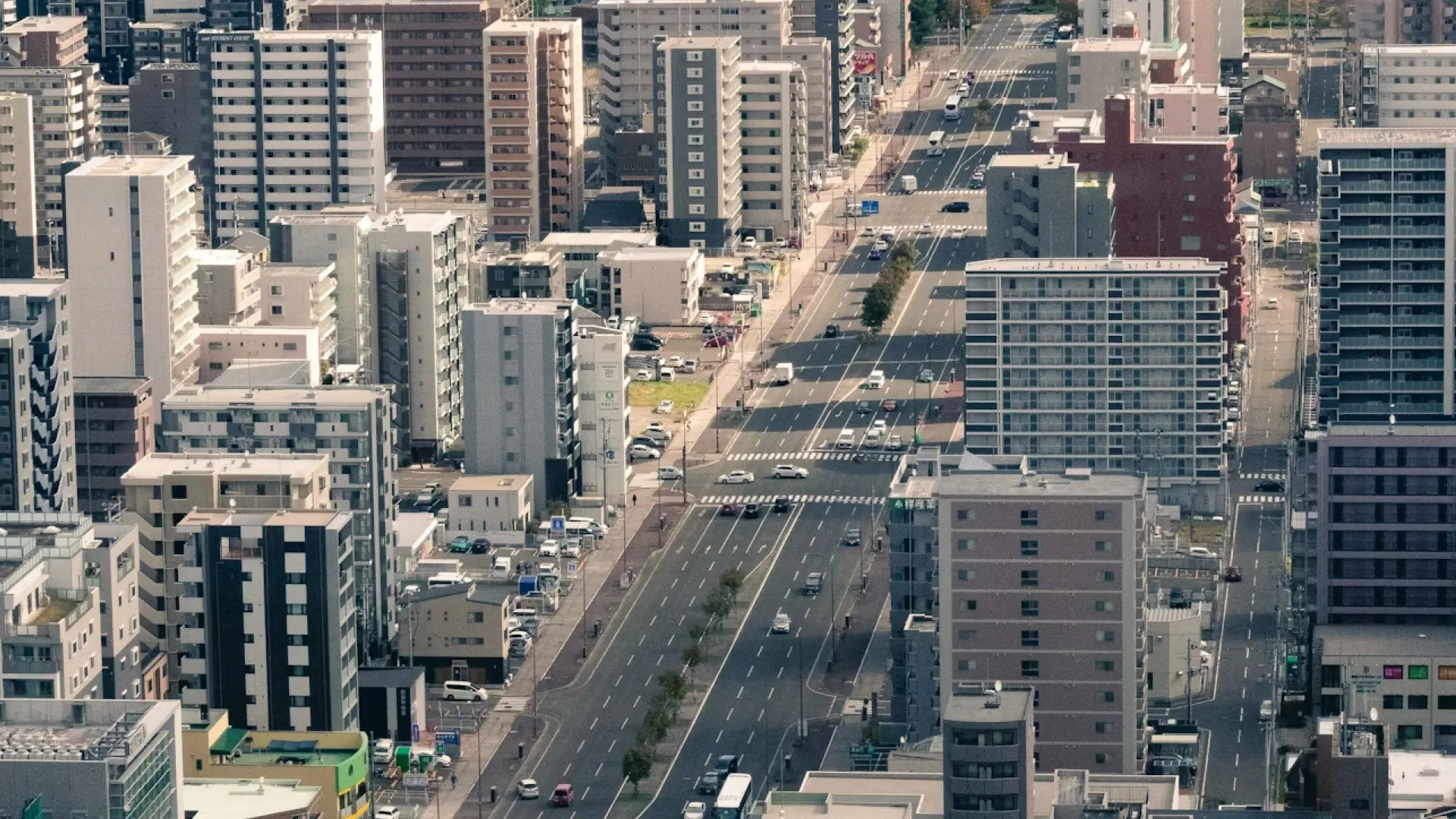
仙台Sendai is the city that Date Masamune built and that the zelkova trees define. The capital of Miyagi Prefecture and the largest metropolis in the Tohoku region, it occupies a broad alluvial plain between the Pacific coast and the Ou Mountains, a setting that gives the city both its agricultural wealth and its distinctive character. Masamune, the one-eyed daimyo who founded the castle town in 1601, chose this site with a strategist's precision: defensible hills to the west, fertile rice lands to the east, and the Hirose River cutting through the center to provide water and transport. Four centuries later, his city has grown into a modern urban center of over a million inhabitants, yet the feudal logic of the layout remains legible in the broad avenues and the castle ruins that crown Aobayama hill.
The zelkova trees that line Jozenji-dori and Aoba-dori form a canopy so dense and so beloved that Sendai has earned the title Mori no Miyako, the City of Trees. In summer, the branches create tunnels of green that filter the sunlight into dappled patterns on the pavement below. In December, those same branches carry hundreds of thousands of tiny lights during the Pageant of Starlight, transforming the avenue into a corridor of radiance that draws visitors from across Japan. The trees are not decoration; they are the city's identity, rooted as deeply as the Date clan's legacy.
Yet Sendai is more than a monument to its feudal past. The city pulses with the energy of a university town, home to Tohoku University and its 18,000 students, whose presence sustains a cafe culture, a jazz scene, and an intellectual vitality that distinguishes Sendai from more provincial regional capitals. The Ichibancho and Kokubuncho districts hum after dark with izakayas, bars, and restaurants that serve some of the finest food in northern Honshu.
Sendai is the city that Date Masamune built and that the zelkova trees define.
Highlights
Aoba Castle, or more precisely its ruins, commands the western heights above the city. The original fortifications, dismantled in the Meiji era and further damaged by wartime bombing, have been reduced to stone walls and a reconstructed turret, but the site's power lies in its position. From the equestrian statue of Date Masamune that stands on the former honmaru, the panorama encompasses the city grid, the Pacific coastline, and on clear days, the distant peaks of the Zao range. The Sendai City Museum at the base of the hill houses Date clan artifacts, including Masamune's iconic crescent-moon helmet, a piece of martial artistry that has become the city's unofficial emblem.
Jozenji-dori deserves a slow walk in any season. The median promenade, shaded by four rows of zelkova trees, is lined with sculptures and benches that invite lingering. The Sendai Mediatheque, Toyo Ito's masterwork of structural transparency at the avenue's eastern end, is both a functioning library and one of the most important works of contemporary architecture in Japan. Its tube-like structural columns, visible through glass facades, create an effect of organic growth that resonates with the avenue's arboreal character.
Osaki Hachimangu Shrine, a twenty-minute walk north of the city center, is Date Masamune's most significant surviving commission. Completed in 1607, six years after the castle, the shrine's main hall is designated a National Treasure for its elaborate lacquerwork, metalwork, and polychrome decoration. The Momoyama-period exuberance of the ornamentation, richly colored and meticulously detailed, offers a counterpoint to the restrained elegance more commonly associated with Japanese sacred architecture.
Culinary Scene
Sendai's culinary identity begins with gyutan, the grilled beef tongue that the city has elevated from humble offal to iconic delicacy. Sato Yosuke, a yakiniku restaurant owner, is credited with popularizing the dish in the postwar years, and today over a hundred gyutan restaurants operate in the city. The preparation is particular: thick-cut tongue, aged for tenderness, is seasoned with salt and grilled over charcoal until the exterior chars while the interior remains yielding and rich. The standard set meal arrives with barley rice, pickled vegetables, and ox-tail soup, a combination that has become as codified as any kaiseki sequence. The finest establishments near Sendai Station serve tongue of extraordinary quality, the fat marbling producing a sweetness that surprises first-time diners.
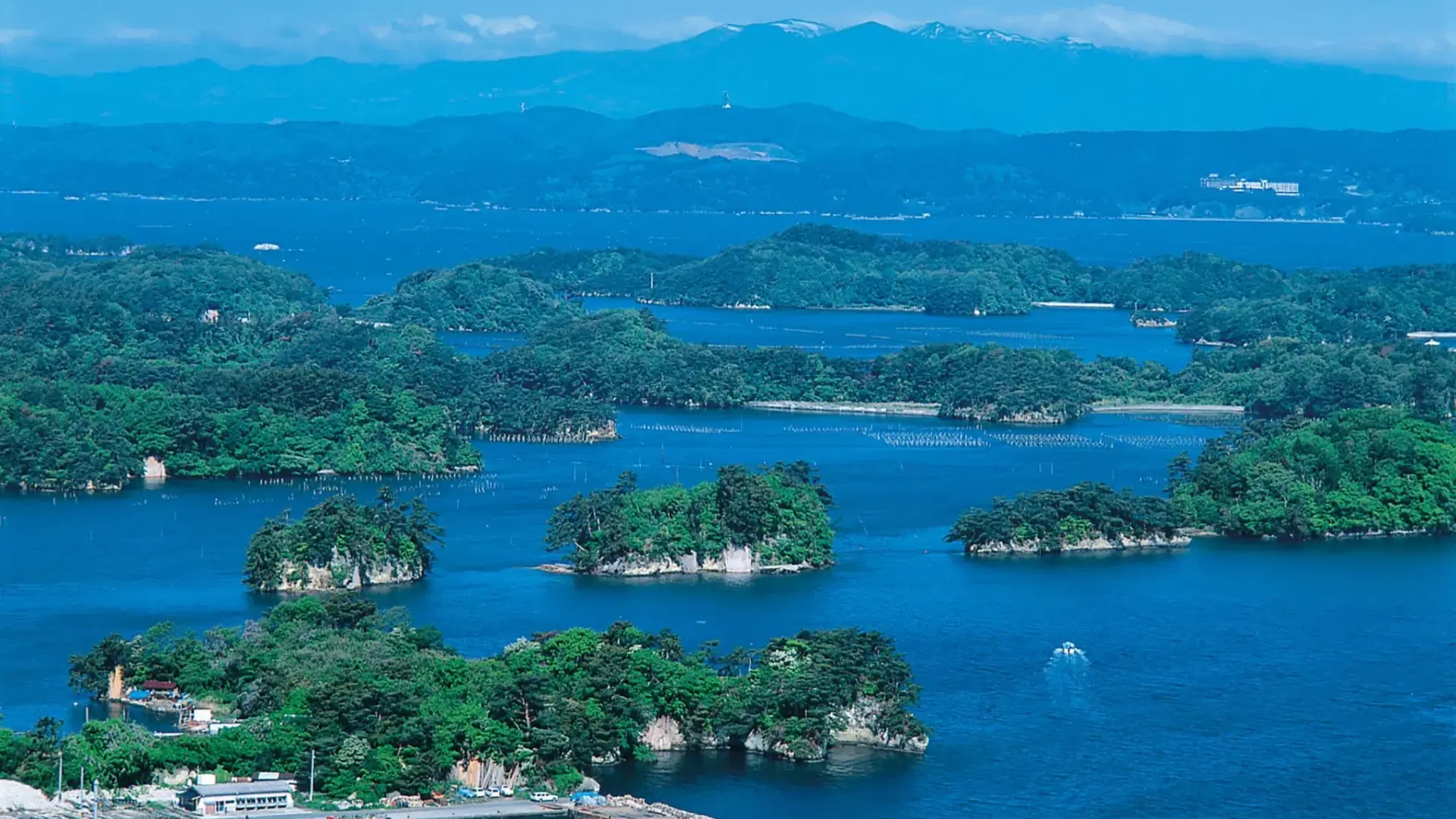
Beyond gyutan, Sendai commands access to the marine wealth of the Sanriku Coast, one of the most productive fishing grounds in the world. Sushi restaurants in the city serve maguro, bonito, and uni of a freshness that rivals Tsukiji's best. Sasa kamaboko, the bamboo-leaf-shaped fish cake that has been a Sendai specialty since the Date clan era, appears in gift shops and on izakaya menus in varieties ranging from plain to cheese-stuffed. Zunda, a paste made from crushed edamame, lends its vivid green color and nutty sweetness to mochi, milkshakes, and seasonal desserts. The Sendai morning market, Asaichi, operates daily near the station, offering a compressed education in the region's produce, seafood, and pickled delicacies.