Naruko Onsen
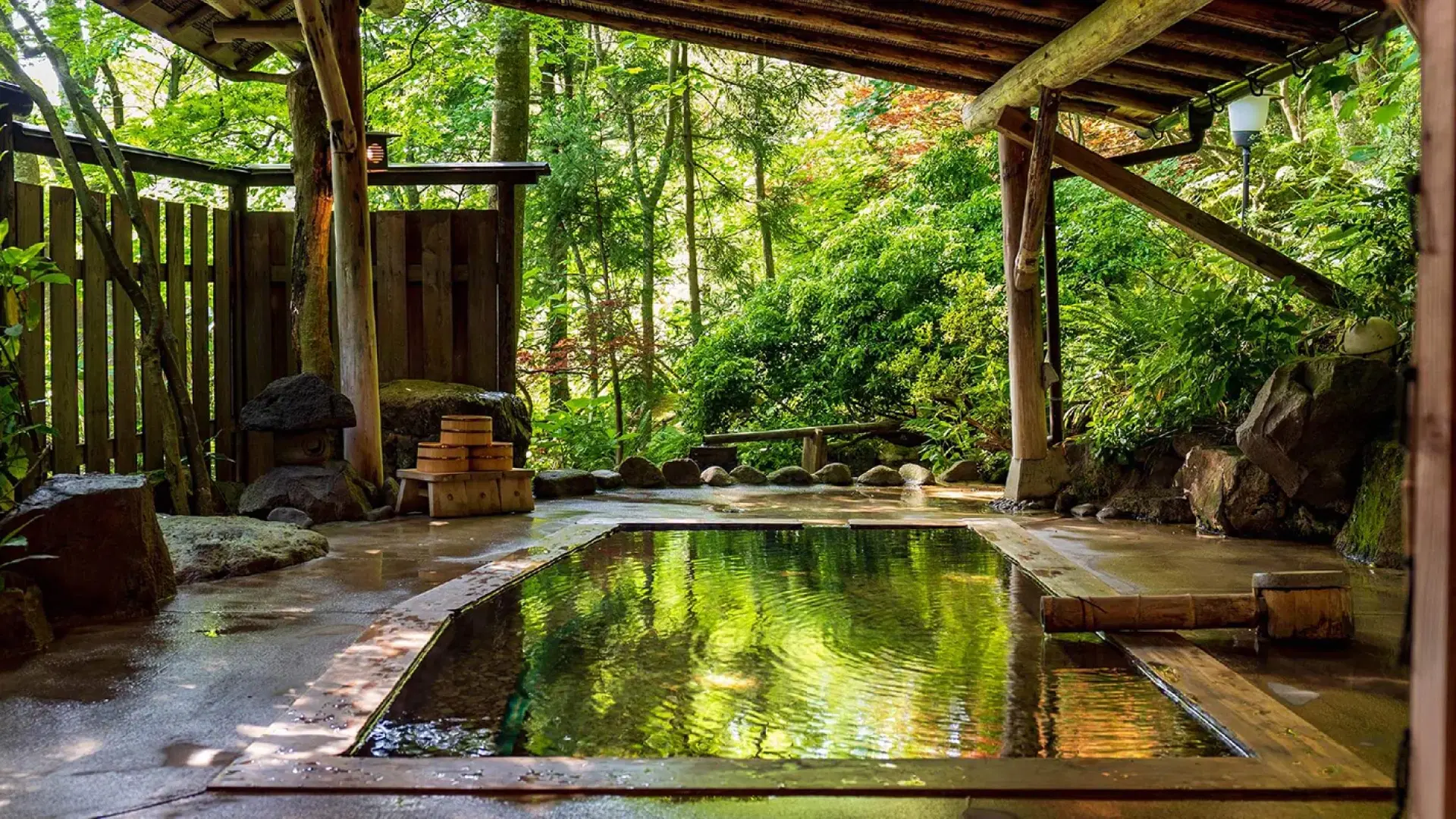
鳴子温泉Naruko Onsen is a hot spring town that has refused to modernize away its soul. Nestled in a narrow valley along the Arao River in northwestern Miyagi, where the mountains rise steeply and the air carries the faint sulfuric perfume of geothermal activity, this is one of the Tohoku region's most venerable onsen settlements. The springs have been in continuous use for over a thousand years; historical records trace their origin to volcanic activity in 837 CE, when a geological upheaval opened fissures in the earth and sent mineral-rich water surging to the surface. The town's name itself is said to derive from the sound, naru, a rumbling cry, that the earth produced during this event.
What distinguishes Naruko from the hundreds of other hot spring towns scattered across the Japanese archipelago is the extraordinary diversity of its waters. Of the eleven officially recognized categories of onsen water chemistry in Japan, Naruko possesses nine, a concentration of mineral variety found almost nowhere else in the country. From sulfur springs that emerge milky white to iron-rich waters that stain the rock rust-red, from sodium chloride baths that leave the skin silky to acidic pools that tingle on contact, the range of bathing experiences available within this single valley is remarkable. Each of the town's public bathhouses and ryokan taps a different source, meaning that a visitor can experience fundamentally different waters by walking a few hundred meters.
The town itself retains the atmosphere of an onsen settlement from an earlier era. Wooden ryokan line the narrow main street, their facades weathered to the silver-gray patina of untreated cedar. Steam rises from grates in the pavement where thermal water flows beneath the road. Kokeshi doll workshops, their lathes turning blocks of dogwood and cherry into the limbless, cylindrical figures that are Naruko's signature folk craft, operate in storefronts where the scent of fresh wood shavings mingles with the sulfur air.
Naruko Onsen is a hot spring town that has refused to modernize away its soul.
Highlights
The public bathhouses, or kyodo yokujyo, are the essential Naruko experience. Taki no Yu, the town's most celebrated communal bath, draws from a sulfur spring whose milky blue-white water has a viscosity and mineral density that you can feel on the skin long after drying. Waseda Sajiki no Yu, a more recently developed facility, offers indoor and outdoor pools overlooking the gorge, its alkaline waters producing a smoothness that contrasts sharply with the astringent bite of the sulfur baths elsewhere in town. Moving between these public facilities over the course of a day, sampling the different waters and noting how each affects the skin, is a practice the Japanese call yumeguri, a hot spring pilgrimage that elevates bathing from hygiene to connoisseurship.
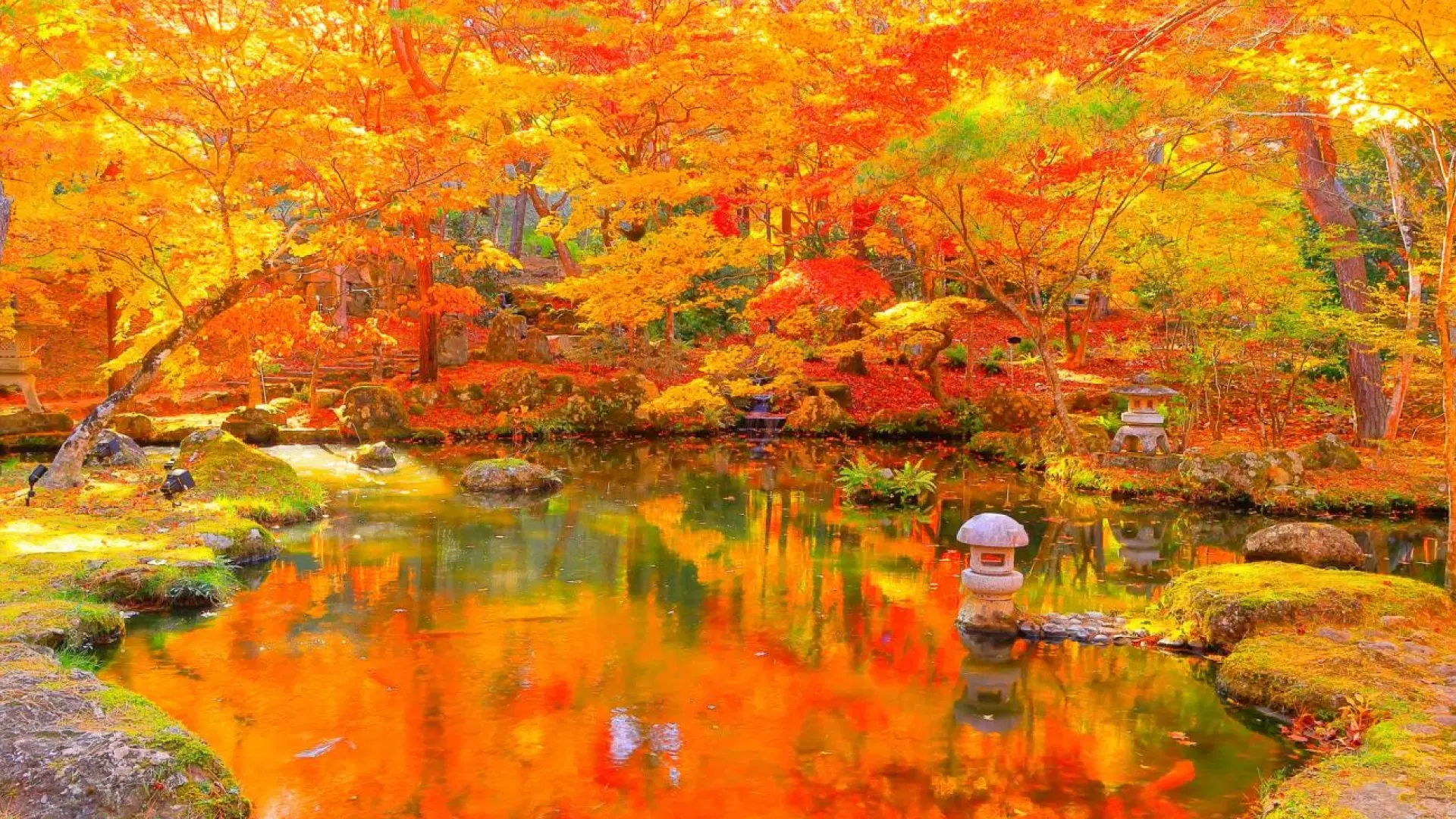
Naruko Gorge, a ten-minute drive west of the town center, is one of the most photographed autumn landscapes in all of Tohoku. The Otani River has cut a ravine one hundred meters deep through volcanic rock, and the walls are cloaked in deciduous forest that turns in late October to a tapestry of vermillion, amber, and burgundy so vivid it appears painted. The view from the Ofukazawa Bridge, spanning the gorge at its narrowest point, is the canonical image: a vertigo-inducing drop to the river below, framed on both sides by walls of color. The JR Rikuu East Line passes through the gorge on a series of bridges and tunnels, and riding the train through this landscape during peak foliage is one of the great rail experiences in Japan.
The kokeshi workshops merit more than a passing visit. Naruko is one of the eleven traditional kokeshi-producing regions, and its style is the most recognizable: a round head that squeaks when turned, chrysanthemum and maple-leaf patterns painted in red and black on a cylindrical body. Several artisans maintain workshops open to visitors, demonstrating the lathe work and hand-painting that transform raw wood into these deceptively simple figures, each one requiring years of apprenticeship to master.
Culinary Scene
Naruko's cuisine draws on the mountain larder of the Ou range. Wild vegetables, sansai, appear in spring: fiddlehead ferns, butterbur shoots, and mountain yam are prepared as tempura, pickles, and simmered dishes that taste of the forest floor. River fish, particularly iwana char and ayu sweetfish, are grilled over charcoal at riverside establishments, the simplicity of the preparation allowing the clean, mineral flavors of the mountain water to come through. In autumn, mushrooms dominate: maitake, nameko, and the prized matsutake appear in soups, rice dishes, and alongside the kaiseki courses served at the town's better ryokan.
The ryokan cuisine in Naruko tends toward honest mountain cooking rather than the elaborate artistry of urban kaiseki. This is not a shortcoming but a virtue. Grilled onigiri rice balls, thick miso soups enriched with pork and root vegetables, and handmade soba noodles served with wild duck or mountain vegetable tempura reflect a culinary tradition shaped by harsh winters and abundant natural harvests. Local sake from the Miyagi lowlands accompanies these meals with a purity that suits the mountain setting.
The town's signature sweet is naruko no mochi, glutinous rice cakes filled with walnut paste and grilled until the exterior crisps, a simple confection that has sustained travelers through this mountain pass for generations.
Ryokans in Miyagi
There are no ryokans in our guide listed in Naruko Onsen. See our selection across Miyagi.
View ryokans in Miyagi