Shiogama Minato Festival
塩竈みなと祭The Shiogama Minato Festival is the maritime soul of Miyagi made visible. On Marine Day each July, the port city of Shiogama, guardian of Matsushima Bay and home to one of the most important Shinto shrines in the Tohoku region, stages a spectacle that unites sacred procession with seafaring celebration. At its center is the togyo, a ceremonial transfer in which the portable shrine, or mikoshi, of Shiogama Shrine is carried down from its hilltop precinct to the harbor and placed aboard a sacred vessel that then processes through Matsushima Bay, escorted by a flotilla of over a hundred fishing boats, pleasure craft, and decorated barges.
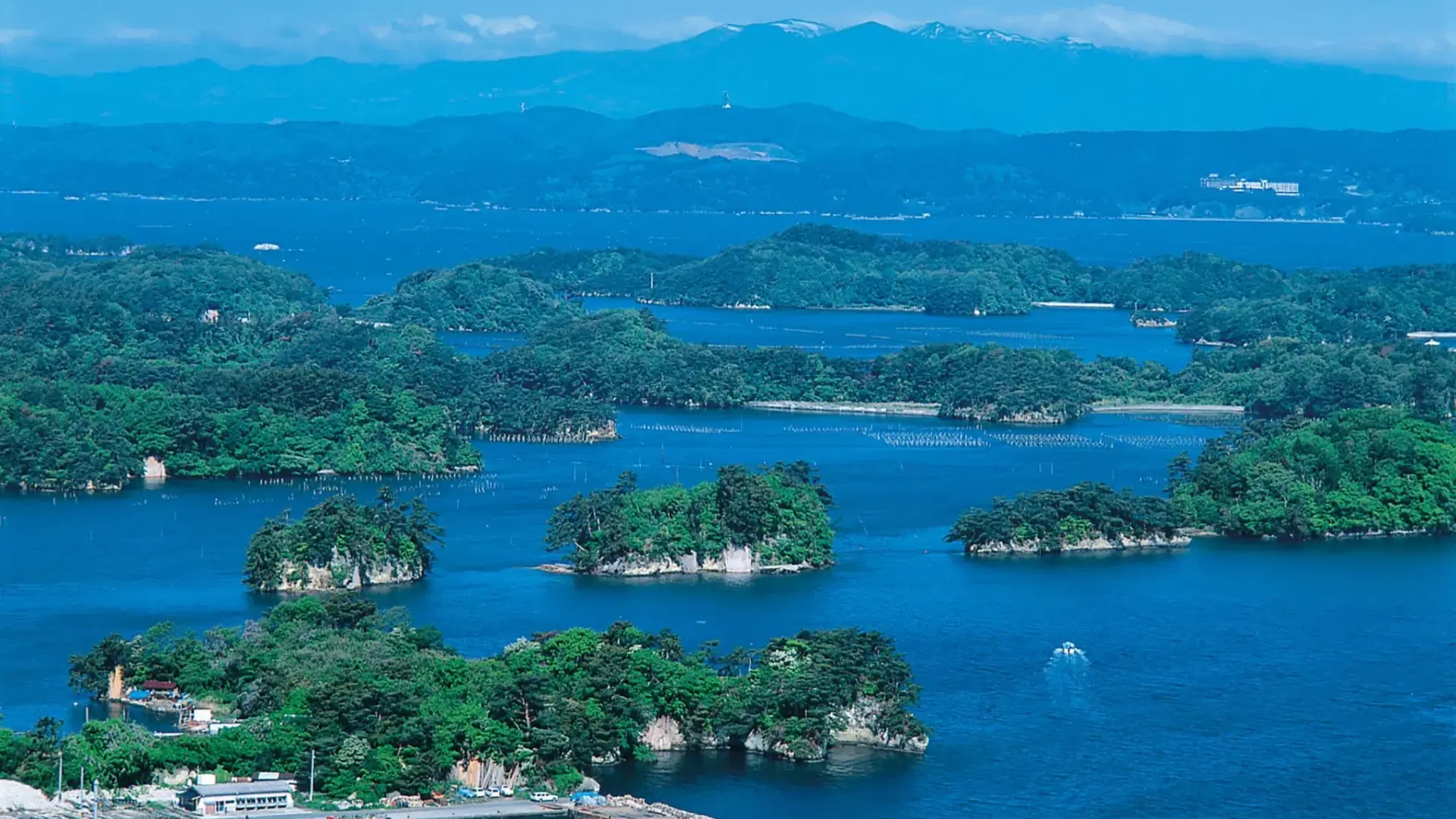
The sight of the mikoshi crossing the water, borne on a ship draped in ceremonial fabric while the fleet fans out across the island-studded bay, is one of the most striking religious processions in Japan. The boats trail banners and streamers, their engines churning the calm bay water into white wakes that crisscross beneath the pine-covered islands. On shore, the crowds line the harbor walls and wave from the Shiogama fish market, their cheers mixing with the rhythmic chanting of the shrine bearers and the deep notes of conch-shell trumpets.
Shiogama itself is a city shaped entirely by its relationship to the sea. The fish market is one of the largest and freshest in the Tohoku region, landing catches from the Sanriku Coast that supply sushi restaurants across Sendai and beyond. The shrine, dedicated to the salt-making deity Shiotsuchi no Oji, has blessed the community's maritime endeavors for over 1,200 years. The Minato Festival is the annual expression of this relationship, a day when the city gives thanks for the ocean's bounty and prays for the safety of those who harvest it.
The Shiogama Minato Festival is the maritime soul of Miyagi made visible.
History & Significance
Shiogama Shrine's maritime rituals date to the Heian period, and the tradition of carrying the deity to the water's edge has ancient roots in the Shinto concept of purification through contact with the sea. The modern Minato Festival, formalized in 1948, emerged from the postwar desire to revive community traditions and restore a sense of continuity that the war years had disrupted. The choice to hold the festival on Marine Day, a national holiday established in 1996 to celebrate Japan's relationship with the ocean, aligned the local tradition with a broader national recognition of maritime culture.
The festival has evolved in scale and complexity over the decades, incorporating elements that reflect Shiogama's changing identity. The flotilla has grown from a handful of fishing boats to a procession of over a hundred vessels. Evening fireworks were added, their reflections doubling in the bay water. Yet the core ritual remains unchanged: the mikoshi descends from the shrine, crosses the water, and returns, tracing a path between the sacred heights and the working harbor that has defined Shiogama's spiritual geography for centuries. The 2011 tsunami devastated the harbor and damaged many of the fishing boats that participate in the procession, but the festival resumed the following year with a determination that underscored its significance as an act of communal identity.
What to Expect
The day begins with ceremonies at Shiogama Shrine, perched on a forested hill above the harbor. The mikoshi, an ornate portable shrine of lacquered wood and gilded metalwork, is lifted by teams of bearers who carry it down the steep approach stairway to the waterfront, a feat of strength and coordination that draws cheering spectators. The procession through the town streets, accompanied by musicians, dancers, and attendants in Heian-period court costume, transforms the commercial district into a tableau of living history.
The embarkation is the festival's climactic moment. The mikoshi is transferred onto a decorated vessel, the Ryuo Maru or Dragon King Ship, and the flotilla sets out across Matsushima Bay. The sight of the fleet moving among the pine-clad islands, banners streaming and horns sounding, is both visually spectacular and emotionally resonant. Visitors can observe the procession from the harbor or, in some years, join the fleet aboard chartered excursion boats that follow the sacred vessel through the bay.
Onshore, the festival grounds around the harbor host food stalls, stage performances, and displays of local fishing culture. The Shiogama fish market, adjacent to the harbor, offers the freshest sushi and seafood in the region, and many visitors combine the festival with a market visit. Evening fireworks over the bay provide the closing spectacle, their bursts reflected in the dark water between the silhouetted islands.