Fukushima
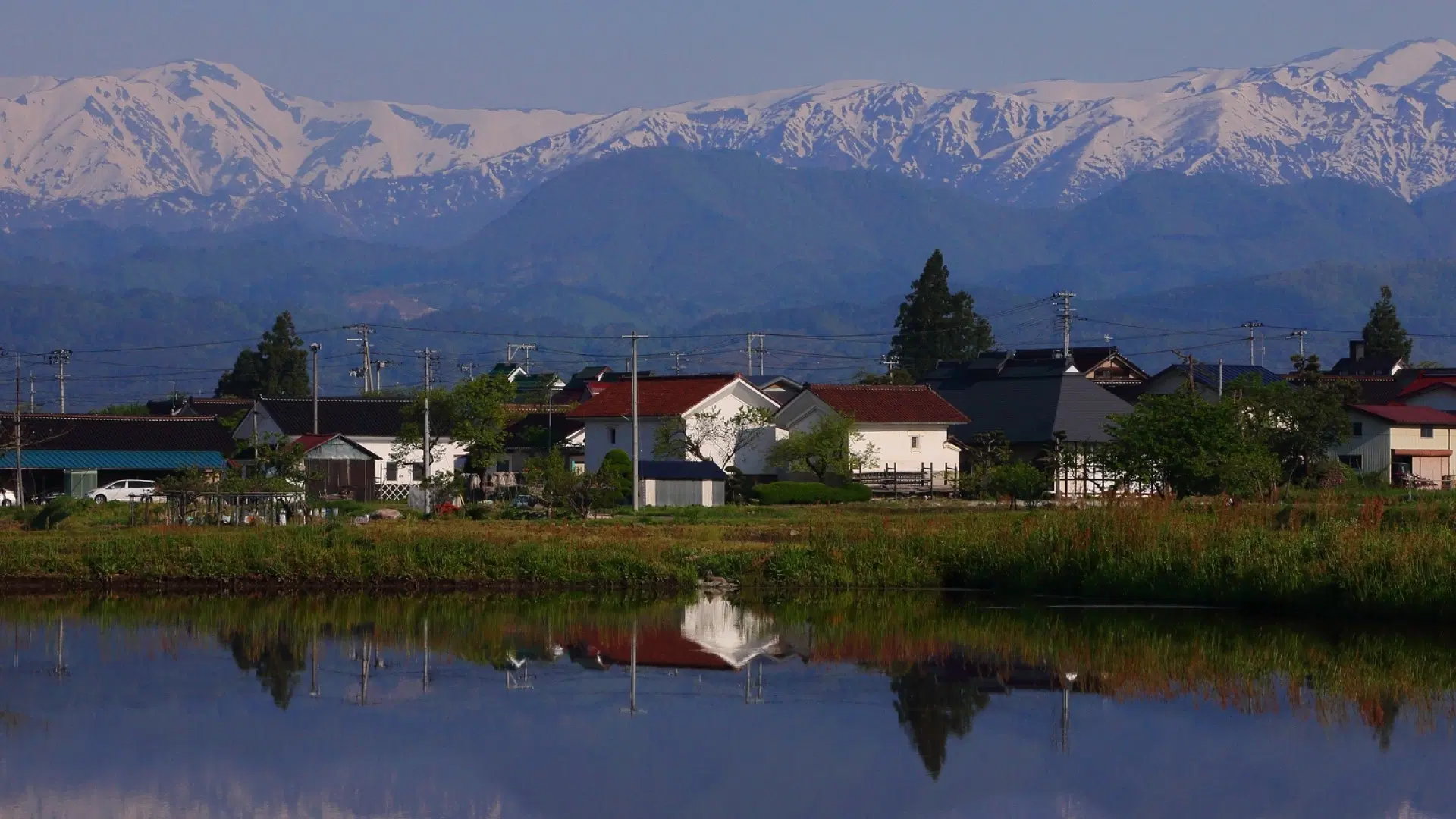
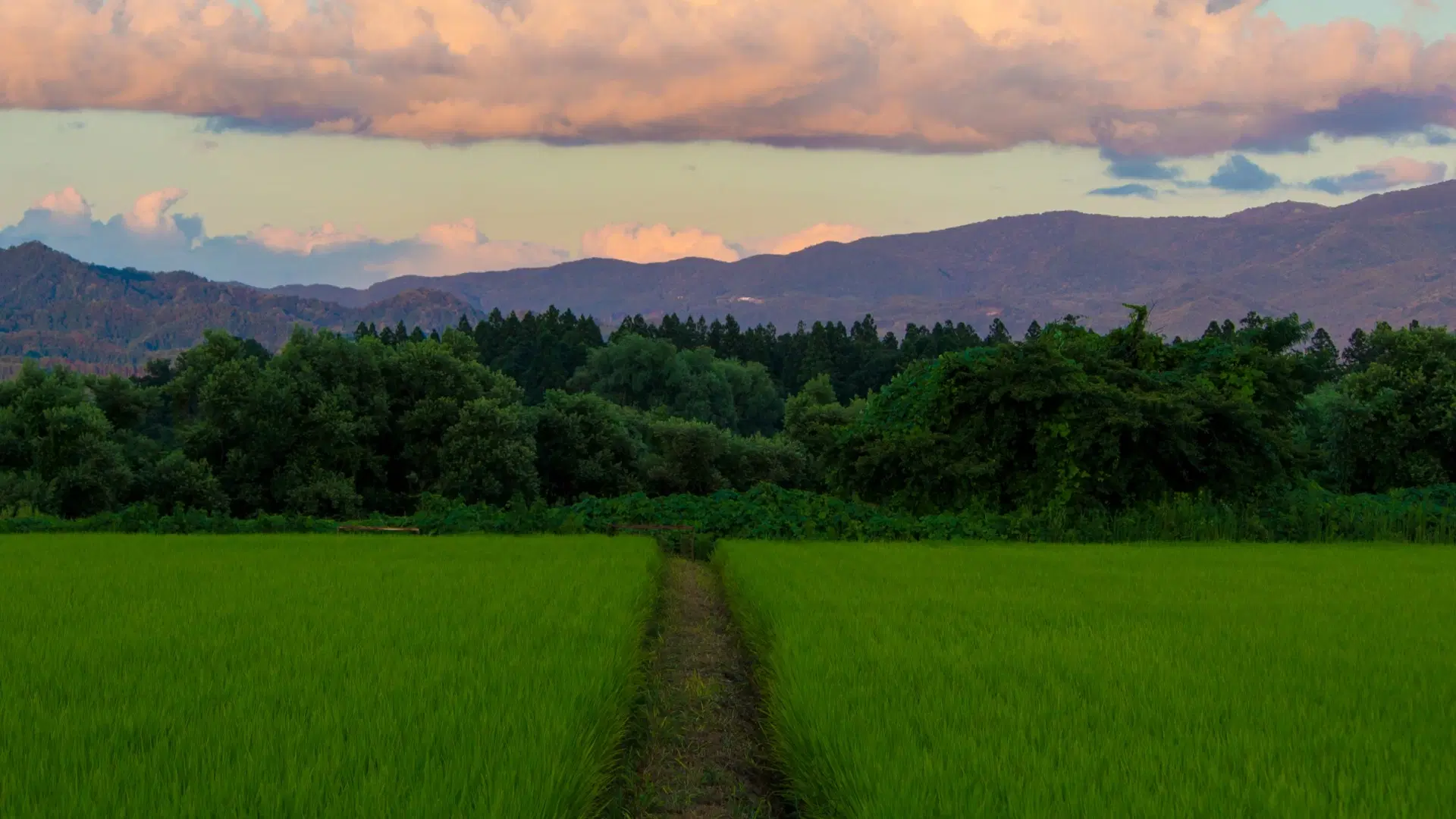
福島県Fukushima is Tohoku's southernmost and third-largest prefecture, a territory of such geographic breadth that it contains, in effect, three distinct landscapes separated by mountain ranges running north to south. The western Aizu region, sheltered behind the Echigo Mountains, receives heavy snow and preserves a samurai heritage centered on the castle town of Aizu-Wakamatsu, where loyalty and martial honor are remembered with an intensity that borders on devotion. The central Nakadori corridor, a long valley anchored by the capital city of Koriyama, produces rice and fruit in abundance. The eastern Hamadori coast faces the Pacific with a mildness that belies its northern latitude.
Aizu-Wakamatsu is the prefecture's cultural anchor. Tsuruga Castle, reconstructed with its distinctive red-tile roof, rises above a moat where cherry trees bloom each April in a scene that evokes both beauty and the melancholy of the Boshin War, when the Aizu domain made its doomed last stand against the Meiji government. The Byakkotai, the teenage samurai who took their own lives on Iimori Hill when they mistakenly believed the castle had fallen, are honored at a hillside memorial that remains one of the most visited historical sites in the region.
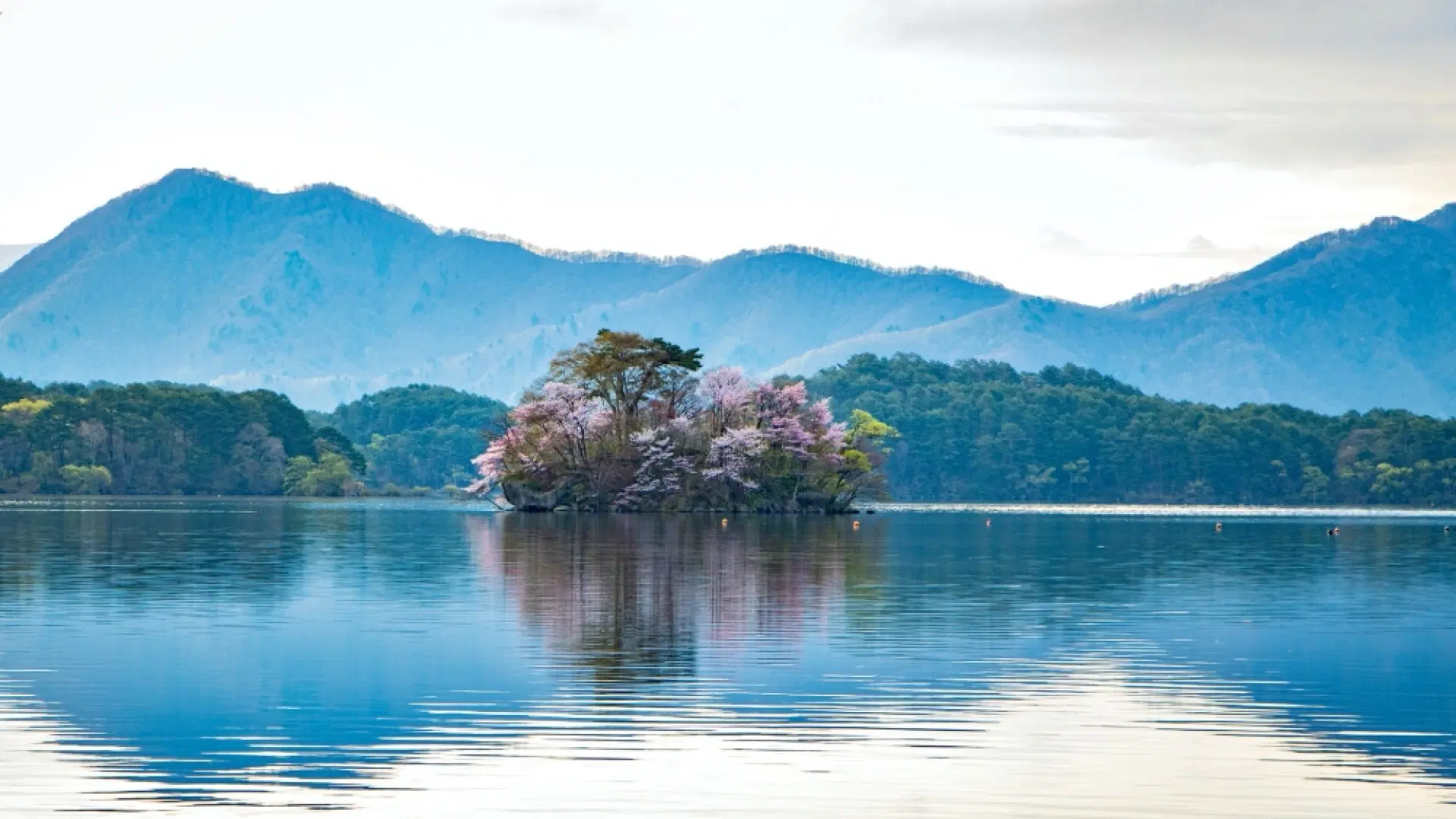
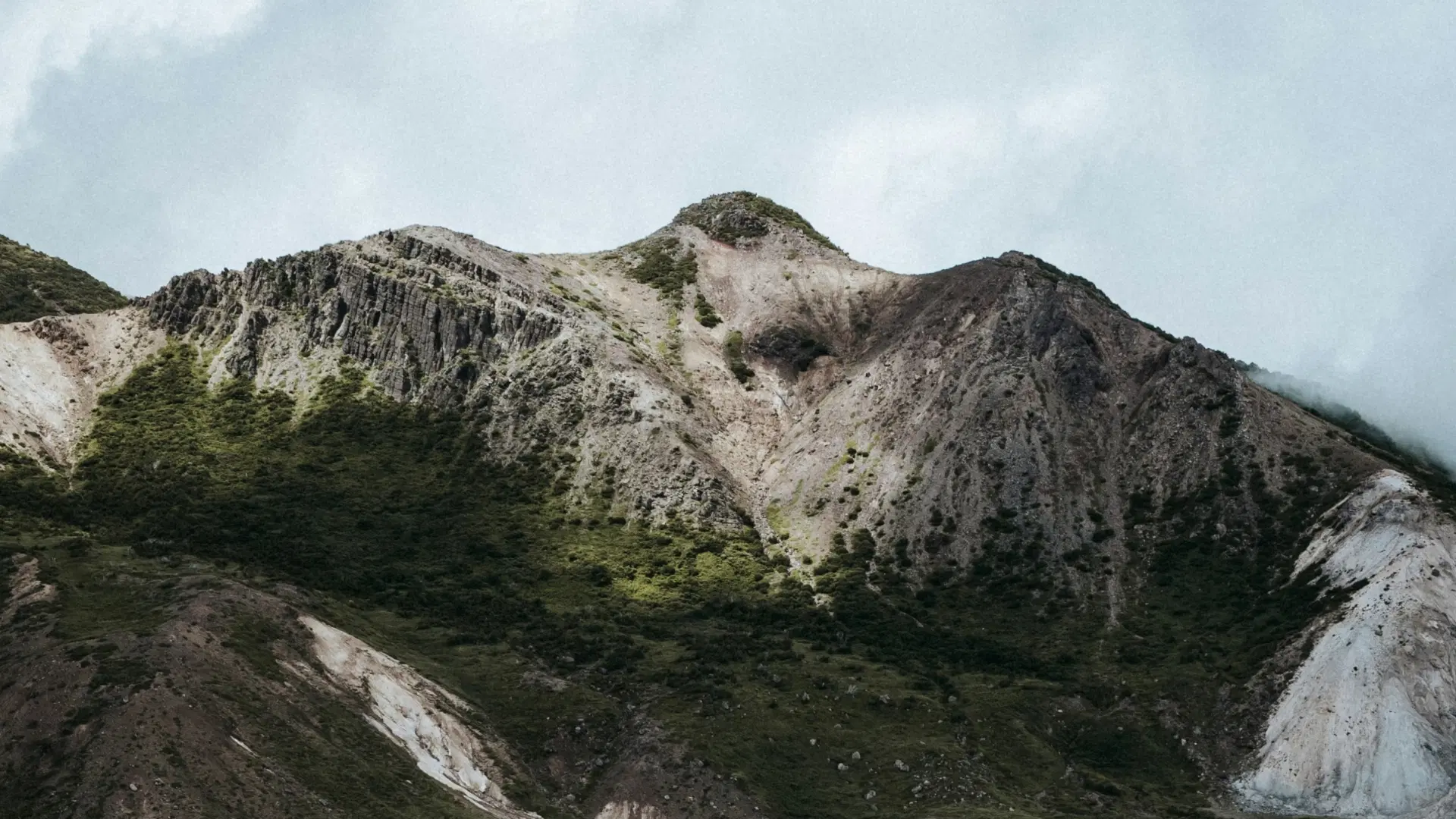
Beyond the castle town, Fukushima's natural landscape is magnificent and varied. The Bandai Plateau, formed by a catastrophic volcanic eruption in 1888, is a highland of lakes, marshes, and birch forest, its centerpiece the Goshikinuma, a chain of five colored lakes whose mineral-rich waters shift between emerald, cobalt, and rust depending on the season and angle of light. Further south, the Oze Marshland, shared with neighboring prefectures, is one of Japan's most important wetlands, a vast elevated bog where wooden boardwalks wind through fields of skunk cabbage in spring and golden grasses in autumn.
Fukushima is Tohoku's southernmost and third-largest prefecture, a territory of such geographic breadth that it contains, in effect, three distinct landscapes separated by mountain ranges running north to south.
Cultural Identity
Fukushima's cultural identity is inseparable from the Aizu spirit, a code of loyalty, perseverance, and rectitude rooted in the samurai traditions of the Matsudaira clan. The Nisshinkan, the domain school where young Aizu samurai were educated, has been reconstructed and stands as a monument to the rigorous moral training that shaped generations. Aizu lacquerware, produced for over four centuries, is among the finest in Japan, its deep vermilion and black finishes achieved through dozens of painstaking coats applied over wooden forms. The region's folk craft tradition extends to Akabeko, the red-painted papier-mache cow that has become Fukushima's most recognizable symbol, originally created as a talisman against illness. In the Nakadori region, the city of Miharu is home to the Takizakura, a thousand-year-old weeping cherry tree widely considered one of the three greatest individual cherry trees in Japan.
Culinary Traditions
Fukushima is one of Japan's most important sake-brewing prefectures, and in recent years its breweries have dominated the Annual Japan Sake Awards, winning more gold medals than any other prefecture for multiple consecutive years. The Aizu region, with its cold winters, clean mountain water, and excellent rice, provides ideal conditions for brewing, and the sake produced here ranges from delicate daiginjo to robust junmai styles with earthy depth. Kitakata, a small city north of Aizu, is one of Japan's three great ramen towns; its signature style features thick, flat, curly noodles in a soy-sauce-based pork and niboshi broth, and the tradition of eating ramen for breakfast is practiced here without irony. Aizu's kozuyu, a refined clear soup of scallops, taro, mushrooms, and wheat gluten served in red lacquerware, appears at celebrations and is a dish of quiet, understated elegance.
Waters & Onsen
Fukushima's onsen are plentiful and varied, reflecting the prefecture's volcanic geology and mountain terrain. Higashiyama Onsen, a fifteen-minute drive from Aizu-Wakamatsu, is a refined hot spring town along the Yugawa River, where traditional ryokan have welcomed travelers, including the haiku poet Yosa Buson and the young Boshin War strategist Matsudaira Katamori, for over a thousand years. The sulfate springs here are gentle and warming, ideal after a day exploring the castle town. On the Bandai Plateau, the Urabandai area offers a scattering of secluded onsen surrounded by lakes and birch forest, their settings as restorative as their waters. Iizaka Onsen, just outside Fukushima City, is one of Tohoku's oldest thermal towns, with a lively atmosphere, communal bathhouses, and alkaline waters known for their softening effect on the skin. Tsuchiyu Onsen, in a mountain pass between Fukushima City and the Bandai Plateau, rounds out the offerings with hydrogen sulfide springs in a compact gorge-side town.