Fukushima City
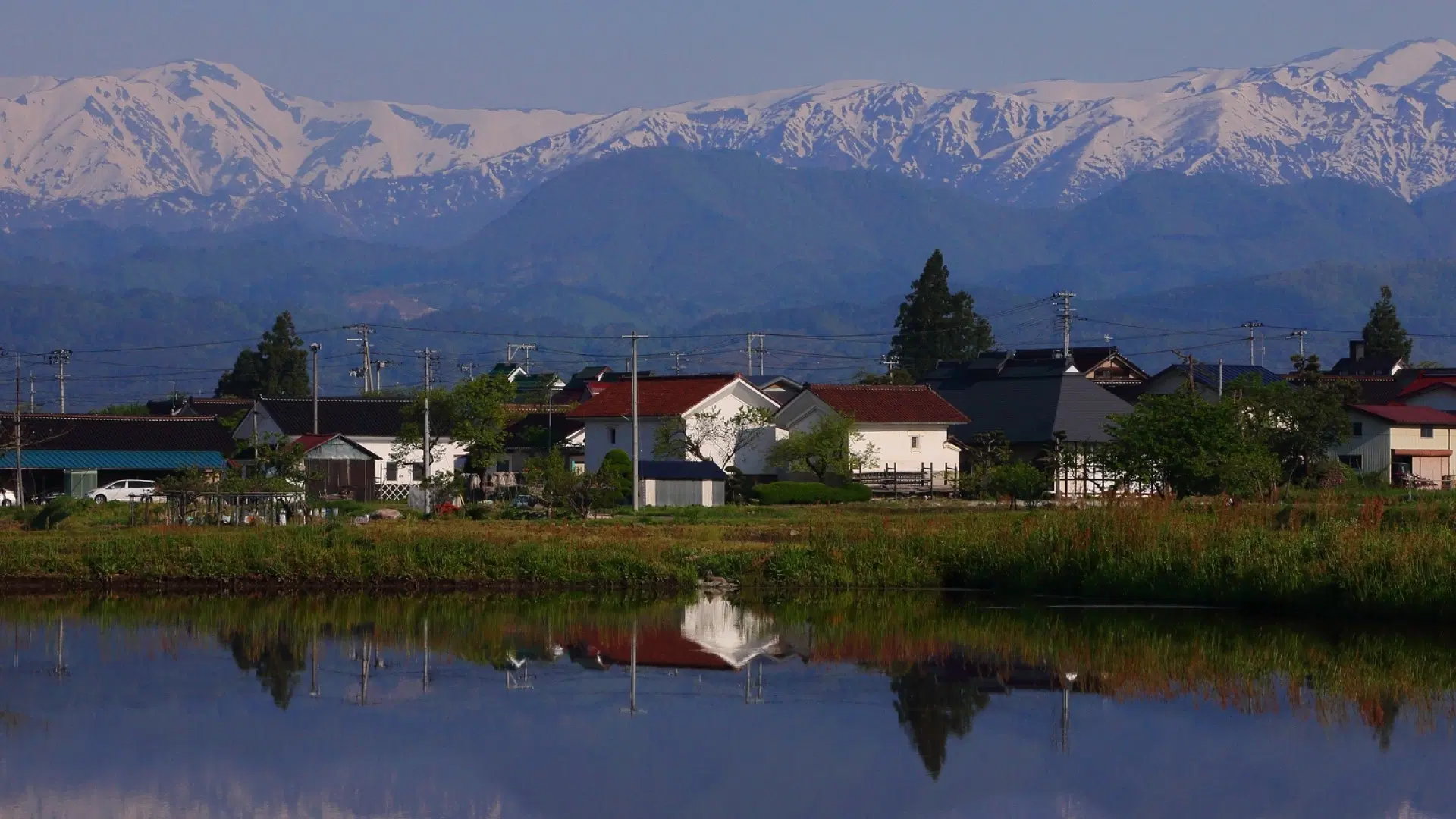
福島市Fukushima City is a prefectural capital that lives in the shadow of its own name. Since 2011, the city has carried an association that obscures its actual character: a basin city of approximately 280,000 inhabitants nestled between the Azuma mountain range to the west and the Abukuma highlands to the east, blessed with hot springs, fruit orchards, and a relationship with the natural world that predates the disaster by centuries. The Iizaka Onsen district, one of the oldest hot spring resorts in the Tohoku region, has welcomed bathers since the Heian period, its waters drawn from sources that the geological forces of the area, the same forces that shaped the broader landscape, have heated and mineralized over millennia. To visit Fukushima City today is to discover a place whose identity extends far deeper than a single event, a city whose daily rhythms are governed by the turning of seasons, the ripening of fruit, and the steam rising from ancient springs.
The city's setting in the Fukushima Basin creates a microclimate that has made it one of Japan's premier fruit-growing regions. The warm summers and dramatic temperature swings between day and night produce peaches, cherries, pears, grapes, and apples of exceptional sweetness and size, and the orchards that cover the hillsides surrounding the city paint the landscape in a succession of blossoms and harvests that structure the year as clearly as any festival calendar. The concept of kudamono-gari, fruit picking, has been elevated here into a form of agricultural tourism that connects visitors to the land in a manner that restaurant dining cannot replicate.
Hanamiyama Park, a privately owned hillside planted over decades by a single farming family with cherry trees, plum trees, magnolias, forsythia, and dozens of other flowering species, has become one of the most celebrated spring destinations in the Tohoku region. The park's layered plantings create a tapestry of color that unfolds over several weeks, each species blooming in succession and overlapping with the next, producing compositions of pink, white, yellow, and green that have been compared to a living painting. That this extraordinary landscape was created not by a government program or a landscape architect but by a farmer who loved flowers speaks to a quality of Fukushima City that statistics and headlines cannot capture.
Fukushima City is a prefectural capital that lives in the shadow of its own name.
Highlights
Hanamiyama Park is the city's crowning natural achievement and one of the great spring spectacles of northern Japan. From late March through late April, the hillside erupts in successive waves of color as plum blossoms give way to several varieties of cherry, which overlap with magnolia, witch hazel, forsythia, and flowering quince. The walking paths that wind up the hillside provide continuously changing perspectives, each turn revealing a new combination of species and colors, and the summit offers a panoramic view across the Fukushima Basin to the snow-capped peaks of the Azuma range. The park is freely open to the public, a generosity that reflects the spirit of the family that created and continues to maintain it. The late Abe family patriarch began planting in the 1930s, and three generations of cultivation have produced a landscape of rare density and sophistication.
Iizaka Onsen, a compact hot spring town fifteen minutes from the city center by the Iizaka branch line of the Fukushima Kotsu railway, offers bathing in waters that have been prized since the ninth century. The district's narrow streets, lined with ryokans, public bathhouses, and small shops, preserve the intimate scale of a traditional onsen town, and several establishments offer day-use bathing that allows visitors to experience the mineral-rich waters without an overnight stay. The Sabako no Yu public bathhouse, the district's most historic, provides a communal bathing experience in a setting of unadorned simplicity, its stone basins and wooden interiors creating an atmosphere that modern spa facilities cannot replicate.
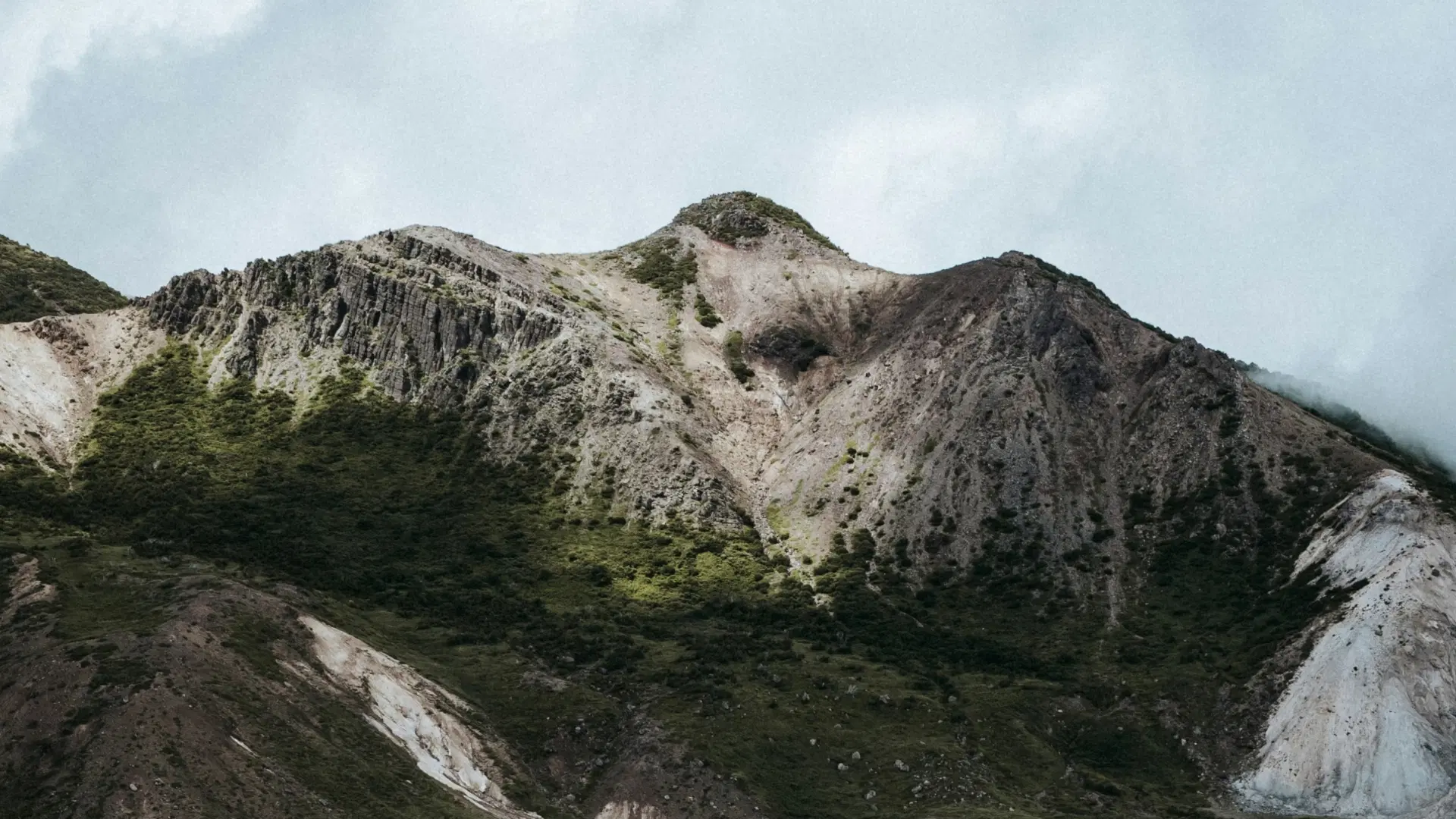
The Azuma mountain range, accessible via the Bandai-Azuma Skyline toll road from spring through autumn, provides a volcanic highland landscape of dramatic beauty. The Jododaira plateau, at approximately 1,600 meters elevation, offers views of steaming fumaroles, crater lakes, and alpine vegetation that contrast sharply with the fruit orchards of the basin below. The short hike to Mount Issaikyo's crater, where turquoise water fills a volcanic caldera, rewards the moderate effort with one of the most visually striking natural features in the prefecture.
Culinary Scene
Fukushima City's culinary identity begins with fruit. The peaches of the Fukushima Basin, harvested from July through September, are among the finest in Japan, their flesh so juicy and fragrant that eating one at the peak of ripeness, still warm from the sun, constitutes a sensory experience that processed or transported fruit cannot approximate. The cherries that ripen in June, the pears and grapes of late summer, and the apples of autumn extend the fruit season across nearly half the year, and the orchards that line the Fruit Line road on the city's western outskirts offer pick-your-own experiences that connect the act of eating to the landscape that produced it. The city's cafes and confectioners transform these fruits into parfaits, tarts, and preserves that showcase local varieties, but the essential experience remains the simplest: a piece of fruit, freshly picked, eaten in the orchard where it grew.
Gyoza holds a place of particular devotion in Fukushima City's food culture. The city regularly contests with Utsunomiya and Hamamatsu for Japan's highest per-capita gyoza consumption, and the local style, typically pan-fried with a crisp bottom and filled with a pork-and-vegetable mixture seasoned with garlic and ginger, is served at dozens of dedicated shops and at izakaya throughout the city. The dish's popularity reflects both the Chinese culinary influences that arrived with postwar returnees from the continent and the local appetite for robust, unpretentious food that pairs naturally with cold beer and warm conversation.
Iizaka Onsen contributes its own culinary tradition in the form of Iizaka onsen tamago, eggs slow-cooked in the district's hot spring water, their whites set to a silken custard texture and their yolks remaining creamy and rich. These are purchased from vendors along the onsen district's streets and eaten immediately, the sulfurous warmth of the shell giving way to an egg of remarkable delicacy. The ryokans of Iizaka serve kaiseki meals that draw on both the mountain provisions of the Azuma range and the agricultural bounty of the basin, creating menus that shift with the seasons and reflect the landscape visible from the dining room windows.