Urabandai
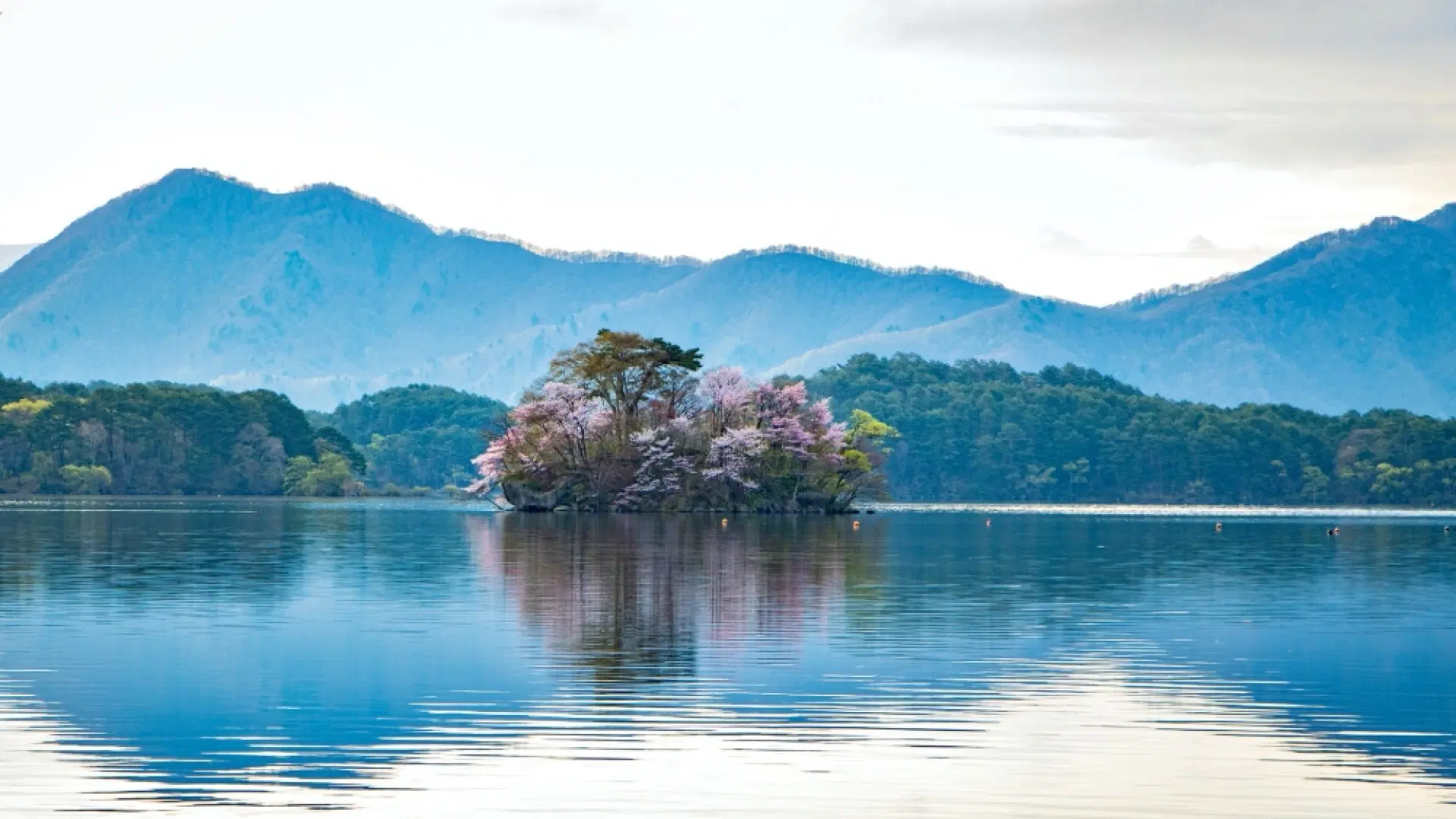
裏磐梯Urabandai is a landscape born from catastrophe. In 1888, the northern face of Mount Bandai collapsed in a volcanic eruption of such violence that it obliterated villages, dammed rivers, and reshaped the topography of an entire region in a matter of minutes. The debris from that eruption created more than three hundred lakes and ponds across the highland plateau behind the mountain, and these bodies of water, each with its own color, depth, and character, have become one of the most remarkable natural environments in Japan. The name Urabandai, literally "behind Bandai," refers to this hidden world on the mountain's north side, a place that did not exist in its current form until the earth itself remade it less than a century and a half ago.
The Goshikinuma, or Five Colored Marshes, are the most celebrated of these volcanic lakes, their waters displaying an extraordinary range of hues that shift from cobalt blue to emerald green to rust red depending on the mineral content, depth, algal activity, and angle of light. The phenomenon is not merely decorative; it is geological storytelling, each color revealing something about the chemical composition of the volcanic substrate through which the water filters. Walking the trail that connects the Goshikinuma is an experience of continuous visual astonishment, each pond appearing around a bend in the forest path like a new movement in an orchestral work, related to what came before but distinct in tone and intensity.
The broader Urabandai plateau, at an elevation of approximately 800 meters, offers a highland environment that feels removed from the agricultural lowlands of the Aizu Basin below. Dense forests of beech, oak, and birch cover the hillsides, their canopies sheltering a network of hiking trails, cycling routes, and lakeside paths that provide access to a landscape whose beauty is inseparable from its violent origins. Lake Hibara, the largest of the eruption-formed lakes, stretches across the plateau with a grandeur that belies its youth, its forested shores and submerged tree trunks, still visible in the shallows, serving as reminders of the forest that stood here before the mountain fell.
Urabandai is a landscape born from catastrophe.
Highlights
The Goshikinuma Nature Trail is the single essential experience in Urabandai, a 3.6-kilometer walking path that connects the most vividly colored of the volcanic ponds through a forest that amplifies their impact through contrast and concealment. The trail begins at the Goshikinuma entrance near the Bandai-Azuma Lakeline road and winds through stands of beech and wild cherry, crossing wooden boardwalks over marshy ground and ascending gentle rises that provide elevated vantage points over the water. Bishamon-numa, the largest of the group, displays a cobalt intensity that appears almost artificial, its color so saturated that first-time visitors frequently question whether it has been enhanced. Ao-numa and Ruri-numa offer variations in tone, from turquoise to deep sapphire, while Aka-numa's rust-tinged waters provide a startling chromatic counterpoint. The entire walk takes approximately ninety minutes at a contemplative pace and demands nothing more than reasonable footwear and a willingness to be astonished.
Lake Hibara rewards exploration by canoe, kayak, or the sightseeing boats that operate from spring through autumn. The lake's submerged forest, the remnant of woodlands drowned by the eruption's debris dam, creates an eerie underwater landscape visible from the surface on calm days. The northern shore, less developed and accessible primarily by trail, offers solitude and birdwatching opportunities that the busier southern shore cannot match. In autumn, the surrounding mountains produce a foliage display that ranks among the finest in the Tohoku region, the reflection of crimson and gold in the lake's dark surface doubling the visual impact.
The Bandai-Azuma Lakeline and Bandai-Azuma Skyline, scenic driving routes that traverse the plateau and the volcanic highlands to the east, provide access to viewpoints that reveal the full scale of the 1888 eruption's impact. The view from the Nakatsugawa Bridge, looking across the plateau toward the shattered northern face of Bandai, places the visitor in direct relationship with the geological event that created the landscape below.
Culinary Scene
Urabandai's cuisine draws from both the mountain forests and the lakes that define the plateau. Iwana and yamame, the char and trout that inhabit the cold, mineral-rich streams feeding the volcanic lakes, are served grilled over charcoal at the lodges and restaurants of the highland, their firm flesh carrying a clean, faintly mineral flavor that reflects the water from which they were pulled. Soba, made from buckwheat grown in the volcanic soil of the surrounding highlands, appears at small restaurants throughout the area, the noodles often served cold with a simple dipping sauce that allows their nutty, slightly earthy flavor to register without competition.
The mountain vegetables of Urabandai, collectively known as sansai, are among the finest in the Tohoku region, their diversity and intensity reflecting the richness of the highland forests. Fiddlehead ferns, wild butterbur, kogomi, and the prized maitake and nameko mushrooms appear in spring and autumn respectively, prepared simply, often as tempura or in miso-based preparations, at the ryokans and pension lodges that serve as the area's primary accommodation. In autumn, the new-crop rice from the Aizu Basin below arrives at highland tables accompanied by freshly harvested mushrooms and root vegetables, creating seasonal meals of extraordinary quality from ingredients that have traveled only a few kilometers from field to plate. The sake of Aizu, produced in the breweries of Kitakata and Aizu-Wakamatsu from the same snowmelt water that feeds Urabandai's lakes, is the natural accompaniment.
Ryokans in Fukushima
There are no ryokans in our guide listed in Urabandai. See our selection across Fukushima.
View ryokans in Fukushima