Kitakata Ramen Festival
喜多方ラーメンフェスタKitakata, a small city of fewer than fifty thousand residents in the mountains of western Fukushima, holds a position in the geography of Japanese ramen that far exceeds its size. The city is home to one of the three most celebrated regional ramen styles in the country, distinguished by its thick, flat, curly noodles, its clear soy-based broth enriched with pork and dried sardine, and the remarkable density of ramen shops per capita that has made it a place of pilgrimage for noodle devotees from across Japan. The Kitakata Ramen Festival, held each February, concentrates this culinary heritage into a weekend event that brings together the city's most respected shops alongside guest ramen-ya from other regions, creating a tasting experience that is both a celebration of local identity and a conversation among traditions.
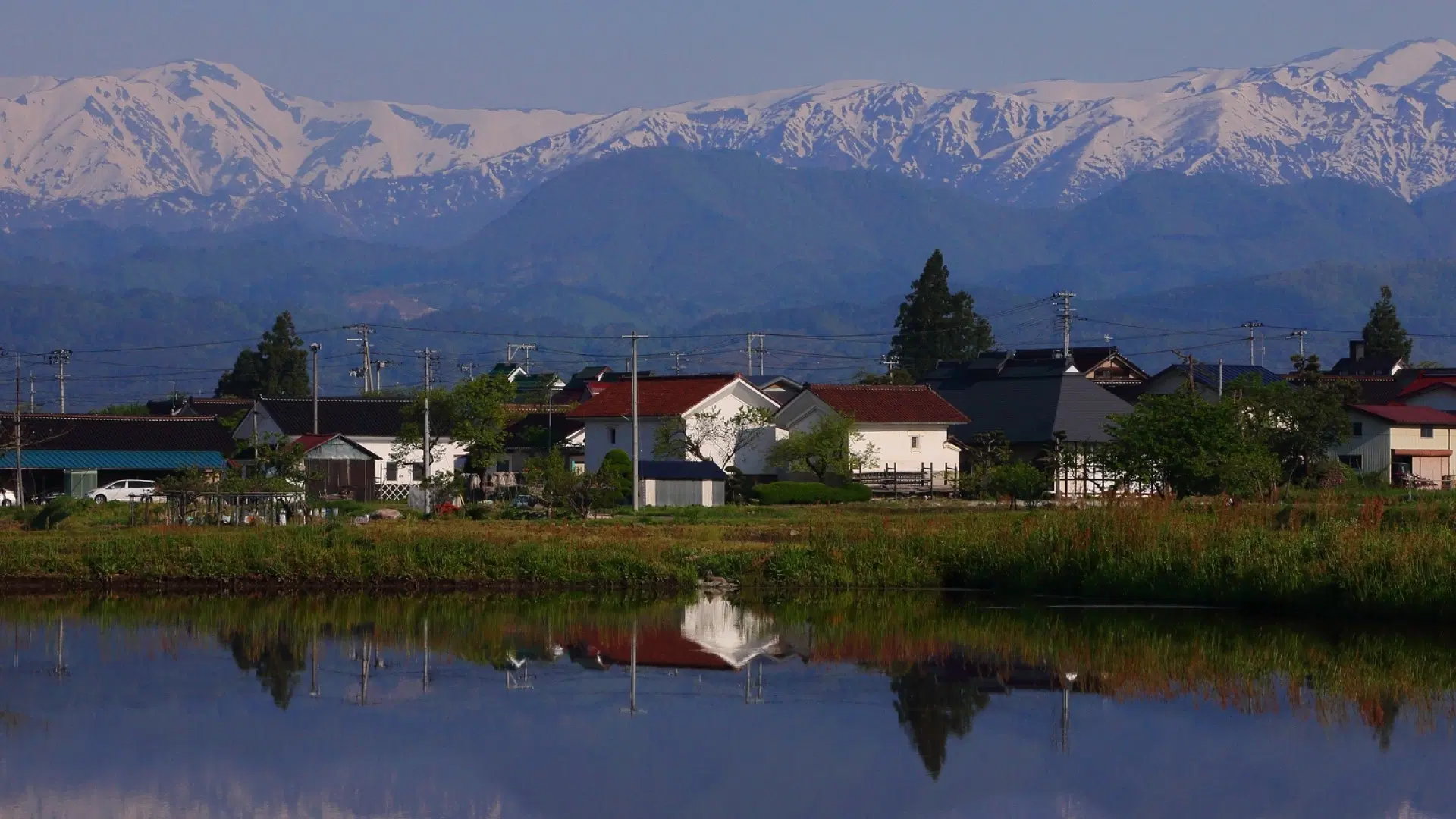
The festival takes place against the backdrop of Kitakata's other defining feature: its collection of more than four thousand kura, the traditional storehouse buildings whose thick earthen walls and distinctive designs have earned the city the designation of "Kura no Machi," the town of storehouses. Many of the ramen shops themselves are housed in converted kura, and the juxtaposition of steaming bowls and century-old architecture gives the Kitakata ramen experience a dimension of place and history that distinguishes it from the urban ramen scenes of Tokyo or Osaka.
What elevates the festival beyond a simple food event is the seriousness with which Kitakata approaches its ramen tradition. The city's noodle culture is not a marketing invention but a culinary evolution that began in the early twentieth century when Chinese immigrants introduced hand-pulled noodles to the region, and local cooks adapted the technique and flavoring to suit the ingredients and palates of inland Fukushima. The festival honors this history while providing a rare opportunity to sample multiple interpretations of the style in a single setting, an education in the subtle variations that distinguish one master's broth from another's.
Kitakata, a small city of fewer than fifty thousand residents in the mountains of western Fukushima, holds a position in the geography of Japanese ramen that far exceeds its size.
History & Significance
Kitakata's ramen tradition traces its origins to the 1920s, when a Chinese immigrant named Ban Kinsei began selling noodles from a cart in the city's market district. His hand-pulled noodles, thicker and more irregular than those found in the port cities where Chinese culinary influence had first taken hold in Japan, proved extraordinarily popular, and local entrepreneurs soon established fixed shops that refined and localized the style. By the mid-twentieth century, Kitakata had developed a ramen identity distinct from Sapporo, Hakata, and the other major regional schools, characterized by the flat, wide noodle, the soy-forward broth, and the practice of eating ramen for breakfast, a custom that persists in several of the city's oldest shops.
The Ramen Festival emerged in the early 2000s as part of a broader movement to formalize and promote Kitakata's culinary reputation. The establishment of the Kitakata Ramen Association and the development of festival infrastructure reflected the community's recognition that its noodle tradition, far from being a casual local habit, constituted a cultural asset of genuine significance. The festival has since become one of the premier food events in the Tohoku region, drawing visitors who might otherwise never travel to this quiet mountain city and supporting the ecosystem of shops, noodle makers, and ingredient suppliers that sustains the tradition.
What to Expect
The festival grounds, typically set in a central park or public space in Kitakata, host temporary stalls operated by both local ramen shops and invited guests from other ramen-producing regions. Visitors purchase tickets and exchange them for bowls at the stalls of their choosing, a system that encourages sampling across multiple shops and styles. The local entries showcase the range within Kitakata's own tradition: some shops emphasize the clarity and depth of their soy broth, others highlight the texture and chew of their noodles, and each presents its particular balance of chashu pork, menma bamboo shoots, and negi scallion that completes the bowl. The guest entries provide contrast, offering Sapporo miso, Hakata tonkotsu, or Tokyo shoyu styles that illuminate Kitakata's distinctiveness through comparison.
Beyond the tasting, the festival includes demonstrations of noodle-making techniques, exhibits on the history of ramen in the region, and performances by local musicians and artists. The atmosphere is convivial and unhurried, reflecting the character of the city itself, and conversations between visitors and shop operators offer insight into the philosophy and craft behind each bowl. Children's activities and family-oriented programming ensure that the event maintains the inclusive quality that characterizes Kitakata's food culture.
The February timing, deep in the Tohoku winter, adds its own dimension to the experience. Eating ramen outdoors in near-freezing temperatures intensifies every element of the bowl: the steam rising from the broth, the first sip's warmth spreading through the body, the way cold air sharpens the flavors of soy and pork fat. The season also means fewer tourists than the summer months, and visitors who make the winter journey will find a city that feels genuinely local and deeply hospitable.