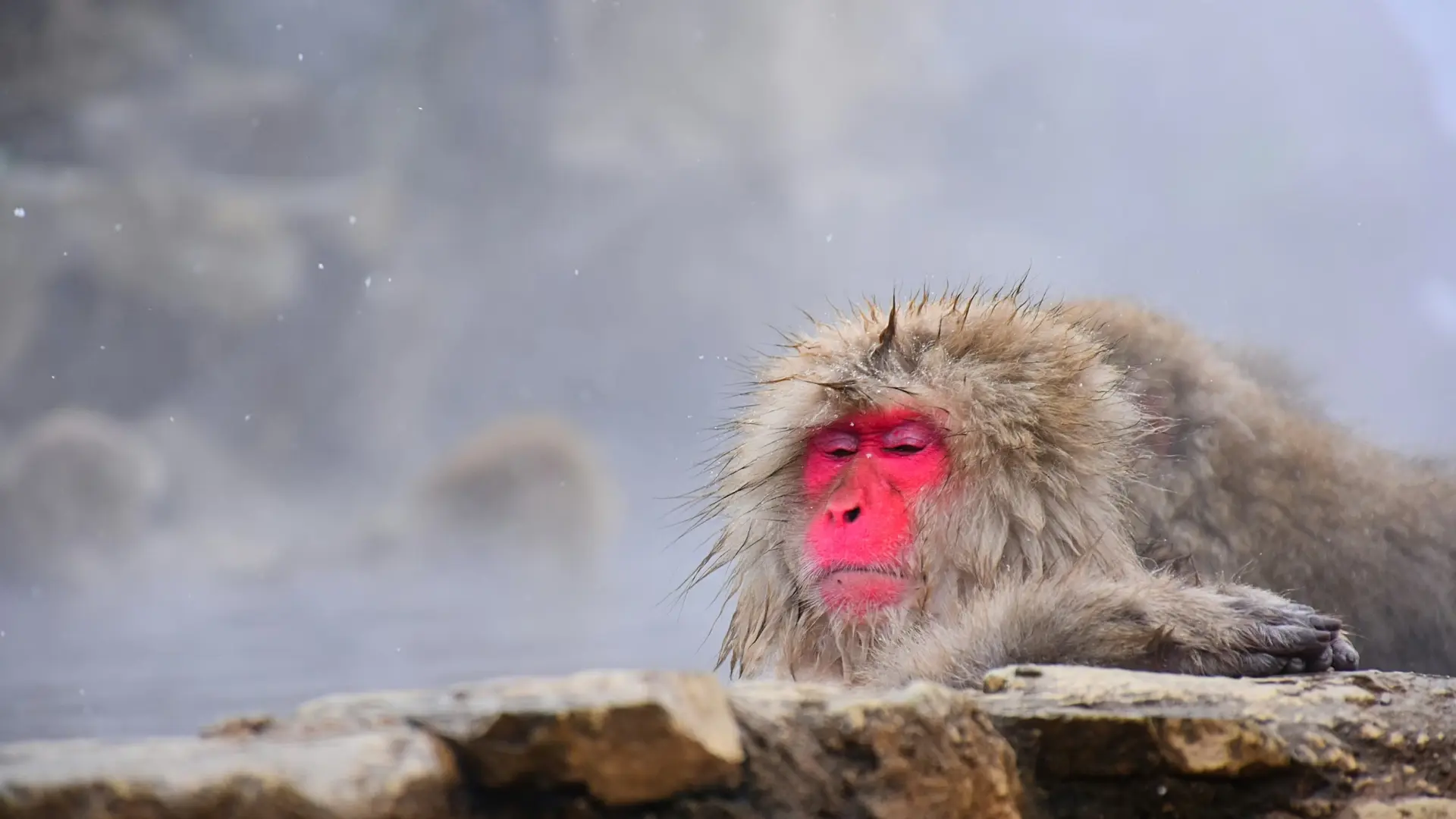
Japan's Greatest Onsen Regions
A journey through the volcanic landscapes, ancient towns, and hidden valleys that define the country's hot spring geography
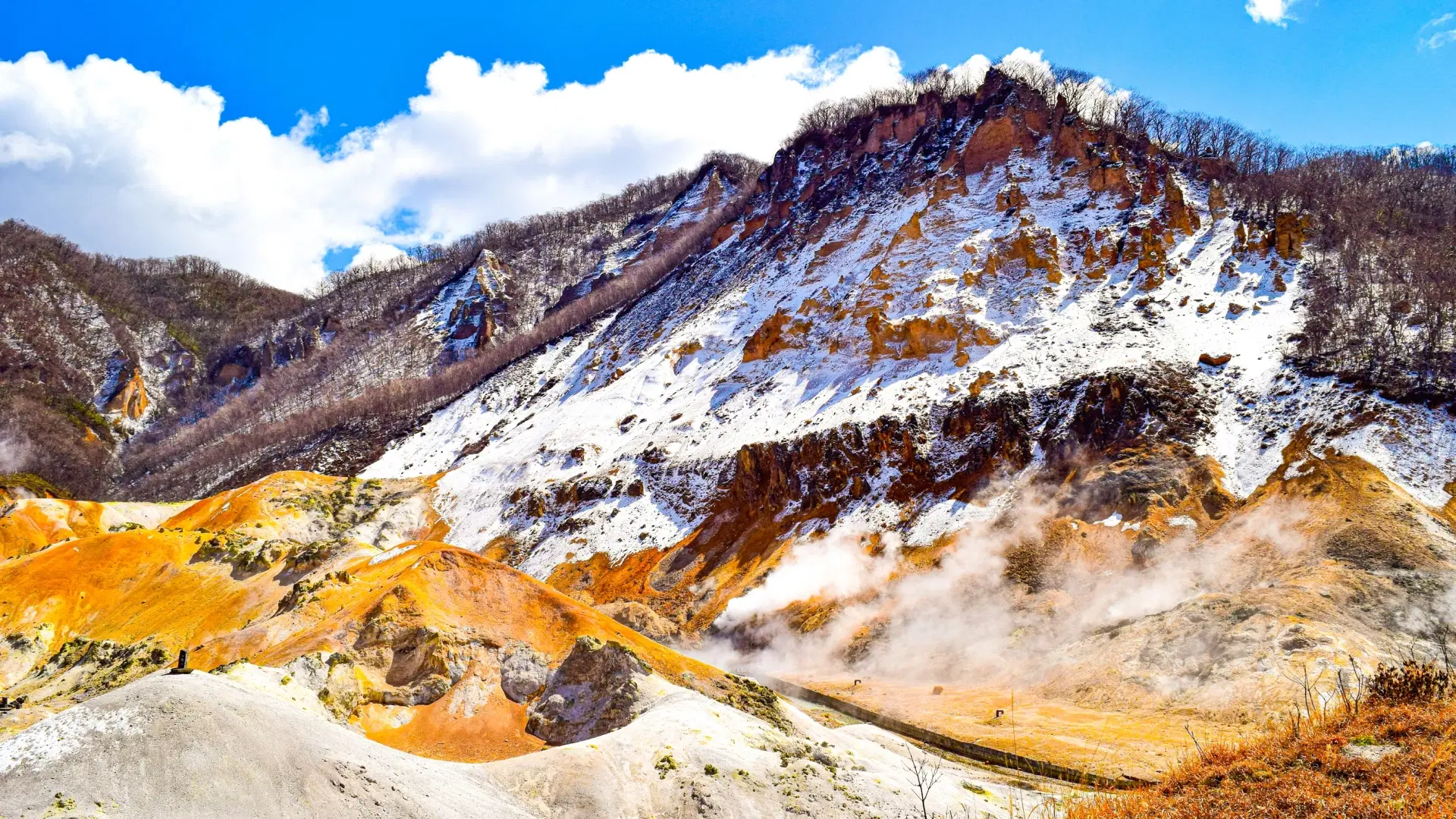
To understand Japan's onsen geography is to understand the country's geology. The Japanese archipelago stretches across one of the most volcanically active zones on earth, where four tectonic plates converge and produce an underground thermal network of staggering complexity. Wherever that thermal energy meets groundwater, onsen are born.
Every prefecture contains at least a handful of registered hot spring sources. But certain areas have become synonymous with onsen culture, where entire towns exist because of the water, and bathing is the economic, social, and spiritual foundation of community life.
Japan sits atop the junction of four tectonic plates: the Pacific, Philippine Sea, Eurasian, and North American. This unique geological position produces the volcanic activity that heats the country's 27,000-plus hot spring sources across all 47 prefectures.
Beppu and the Onsen Kingdom of Oita
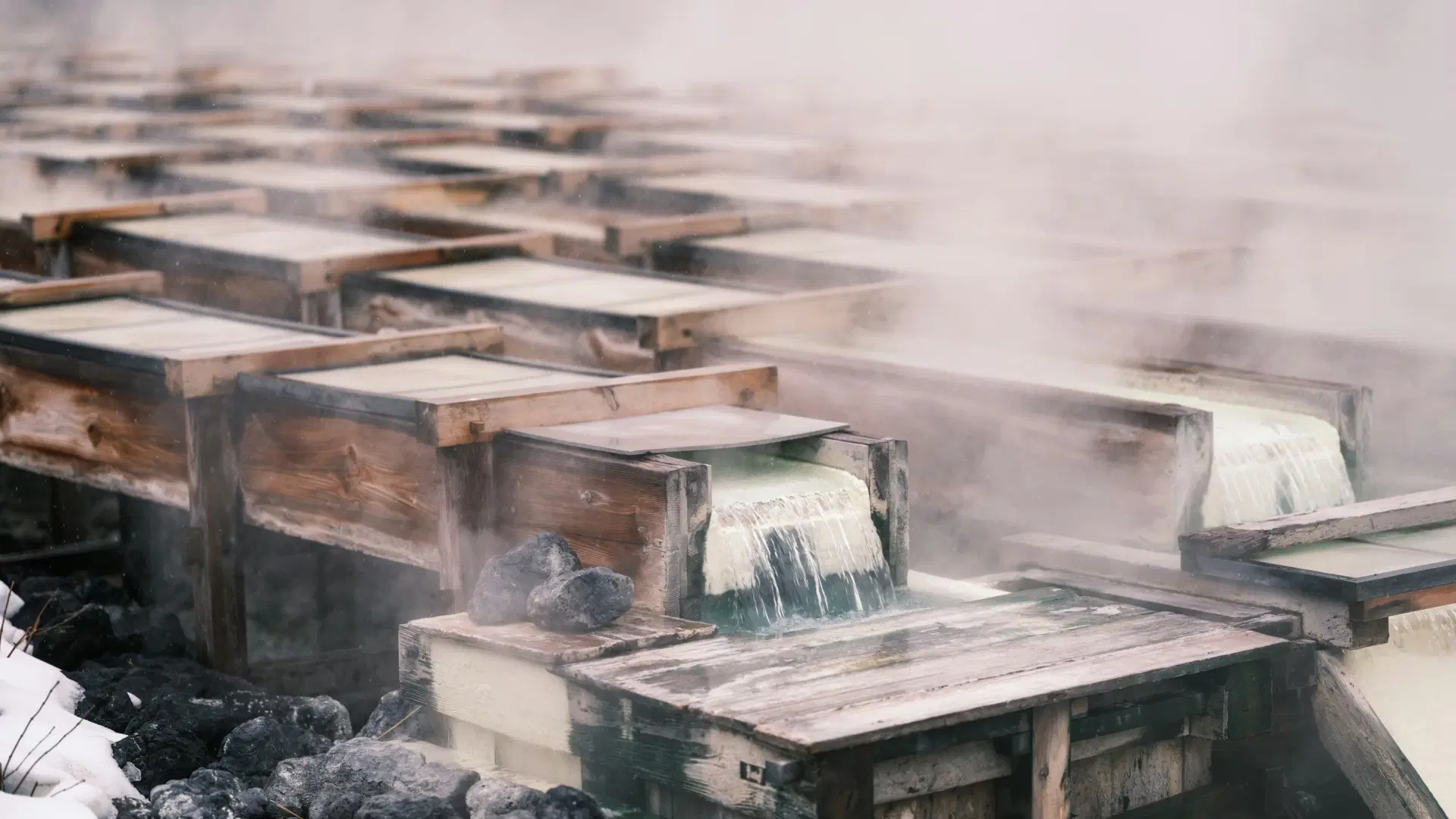
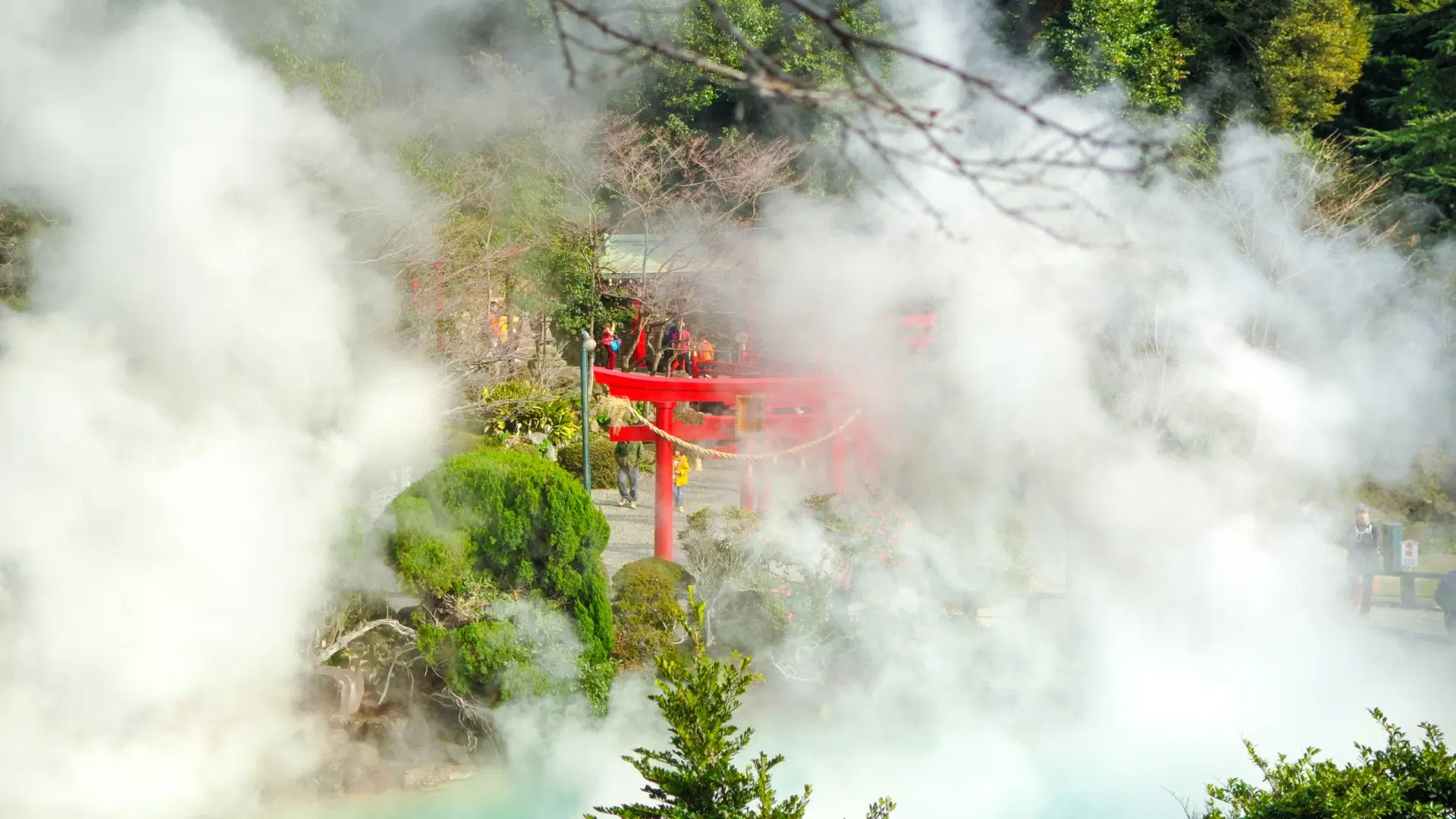
Beppu produces more hot spring water than any other city in Japan and ranks second in the world after Yellowstone. The city encompasses eight bathing districts, each with its own character, and the variety of water types available within this single urban area is unmatched anywhere.
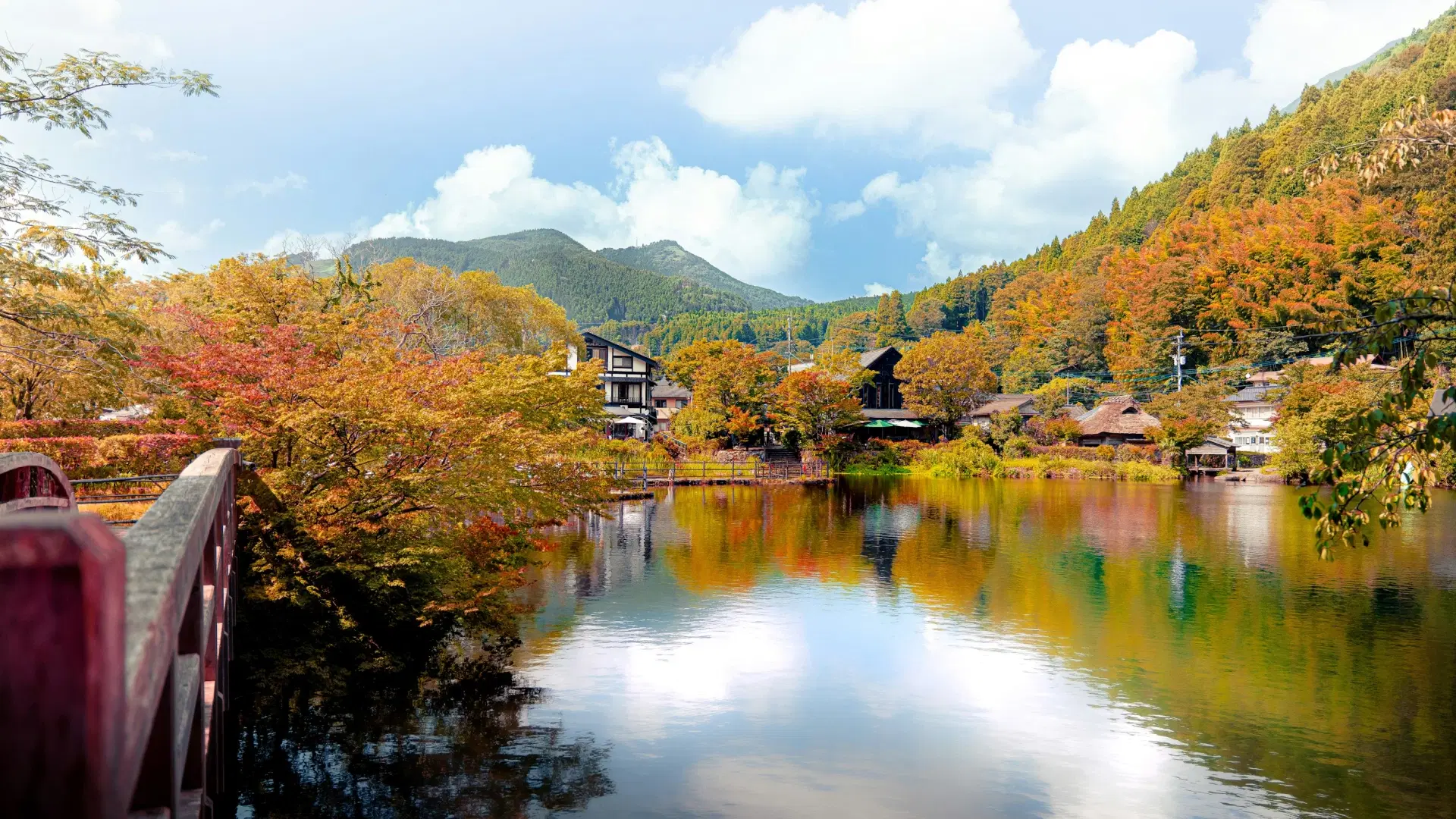
Beyond Beppu, Oita Prefecture contains Yufuin: refined, walkable, and artistically inclined. Its hydrogen carbonate springs produce the silky, skin-softening water known as bijin no yu. Together, Beppu and Yufuin represent the full spectrum, from the raw, democratic bustle of a working onsen city to the curated calm of a boutique hot spring village.
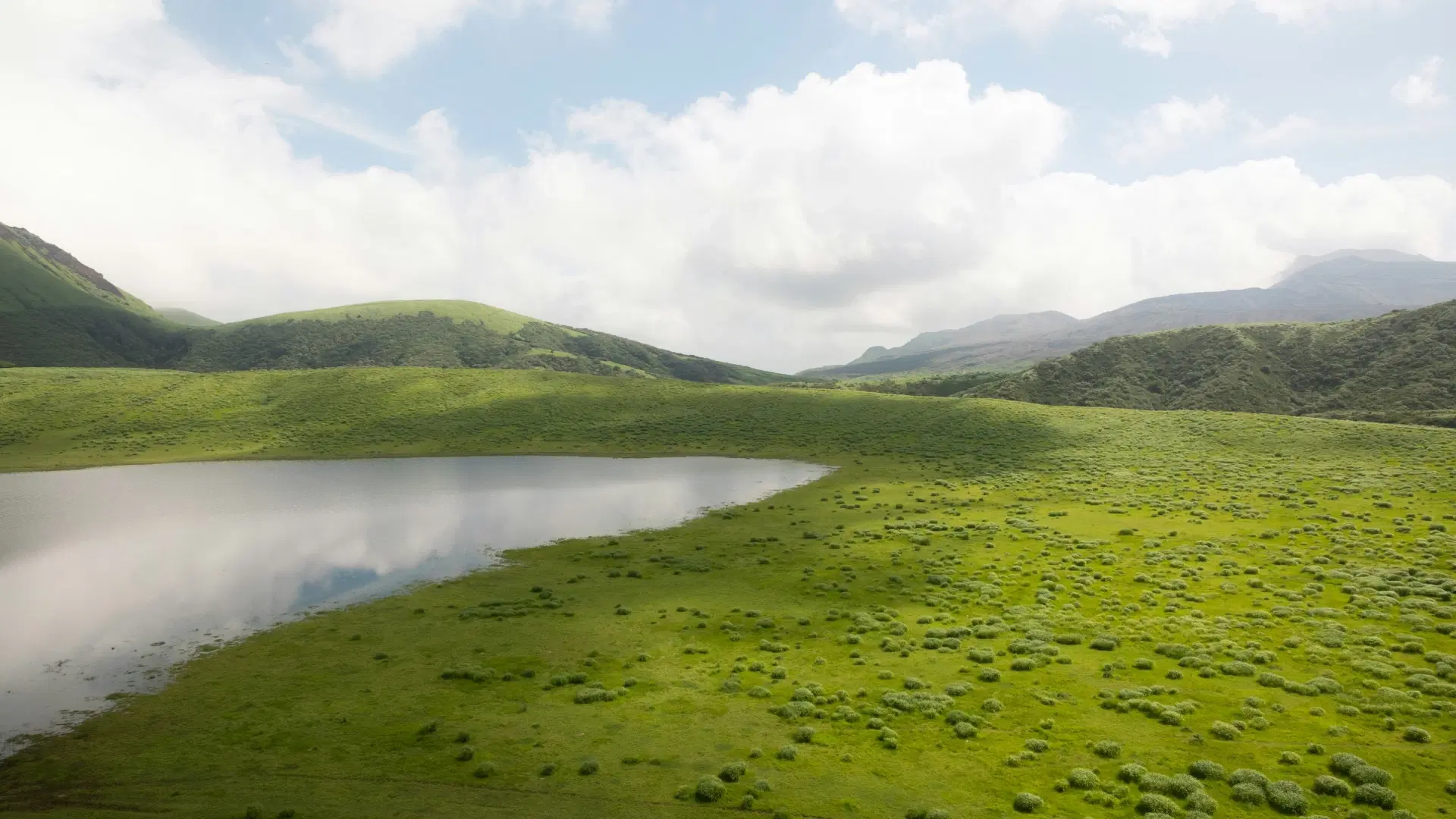
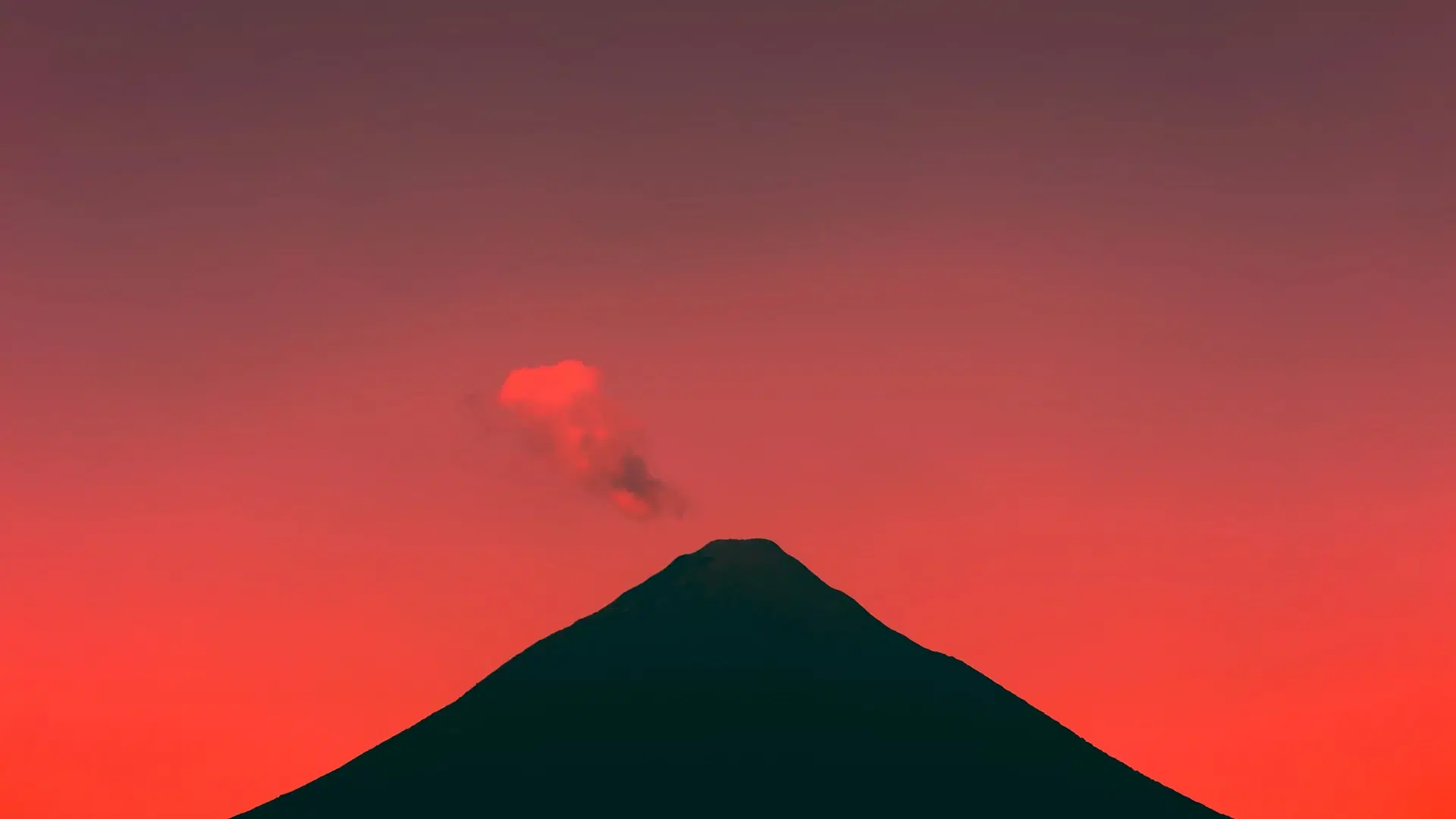
Hakone and the Fuji-Hakone-Izu Volcanic Belt
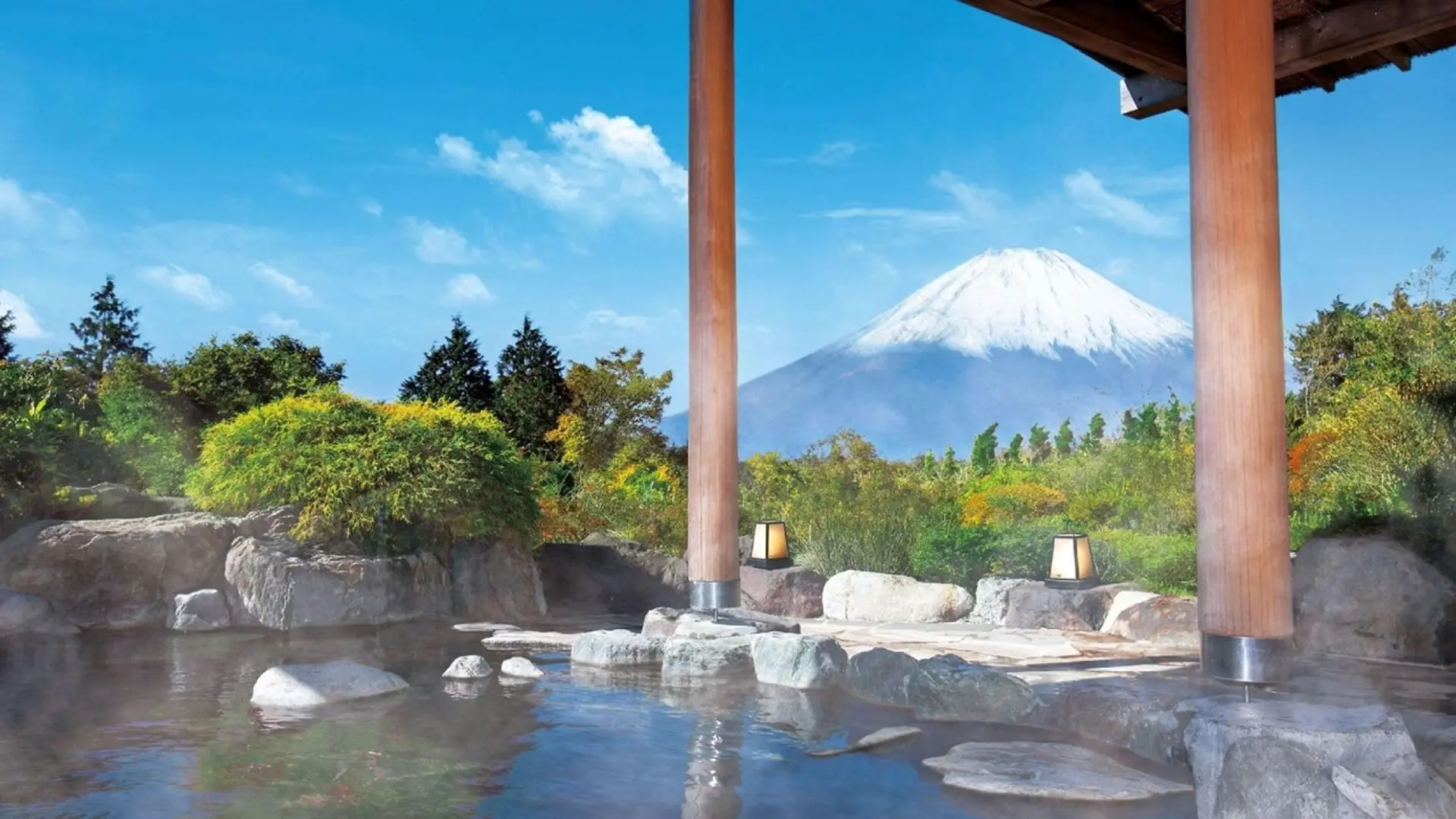
Hakone's proximity to Tokyo has made it the most accessible onsen destination in Japan. The Hakone caldera contains more than twenty distinct hot spring sources spread across seventeen named areas. The Izu Peninsula extends south along the coast, adding a seaside dimension with the ancient onsen town of Shuzenji.
Tohoku: The Quiet North
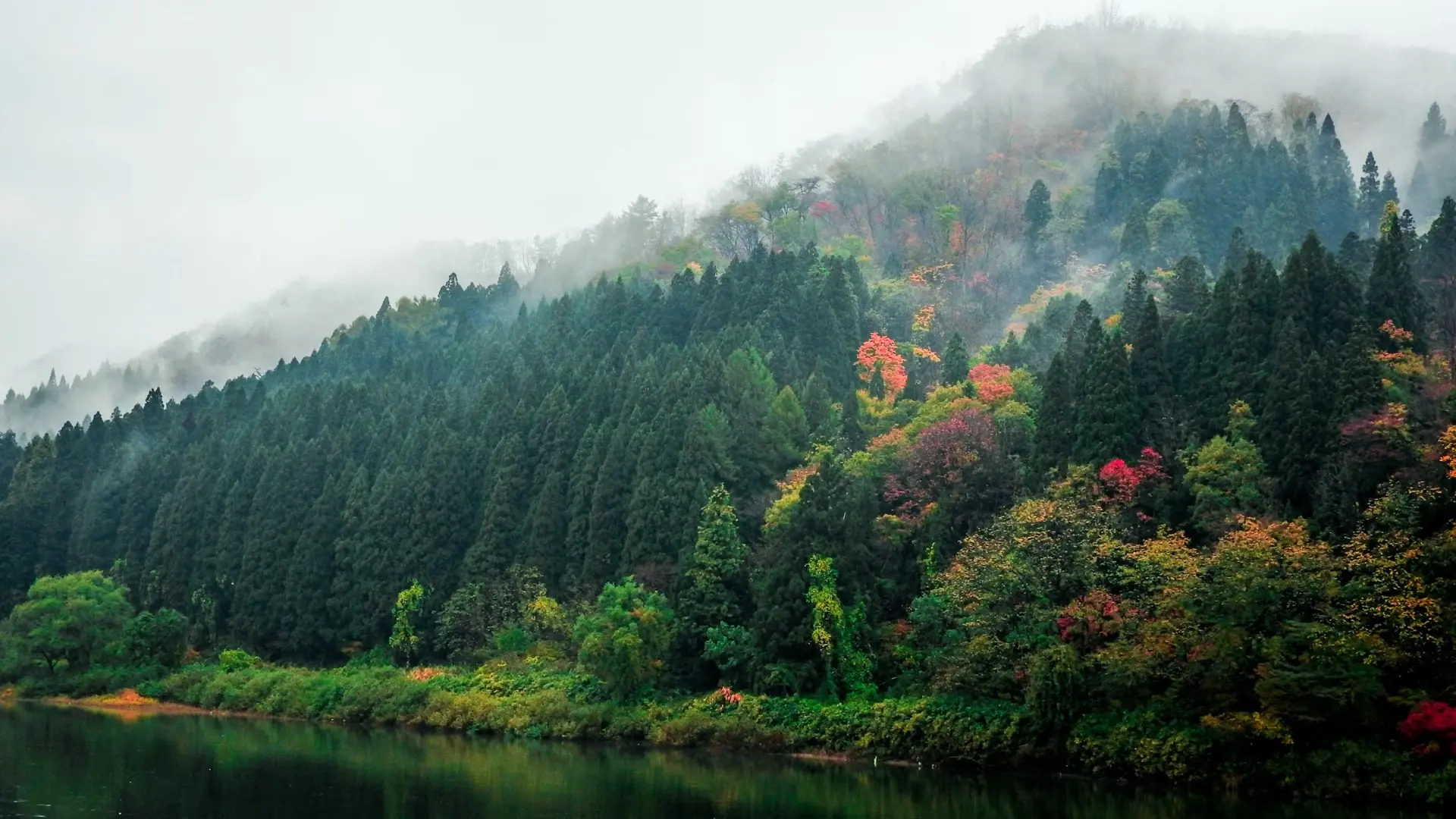
Northern Honshu contains some of Japan's most atmospheric and least commercialized onsen. Nyuto Onsen in Akita Prefecture is a collection of seven rustic inns in a beech forest. Ginzan Onsen in Yamagata, wedged into a narrow river gorge and gas-lit at night, achieves a beauty that borders on the dreamlike.
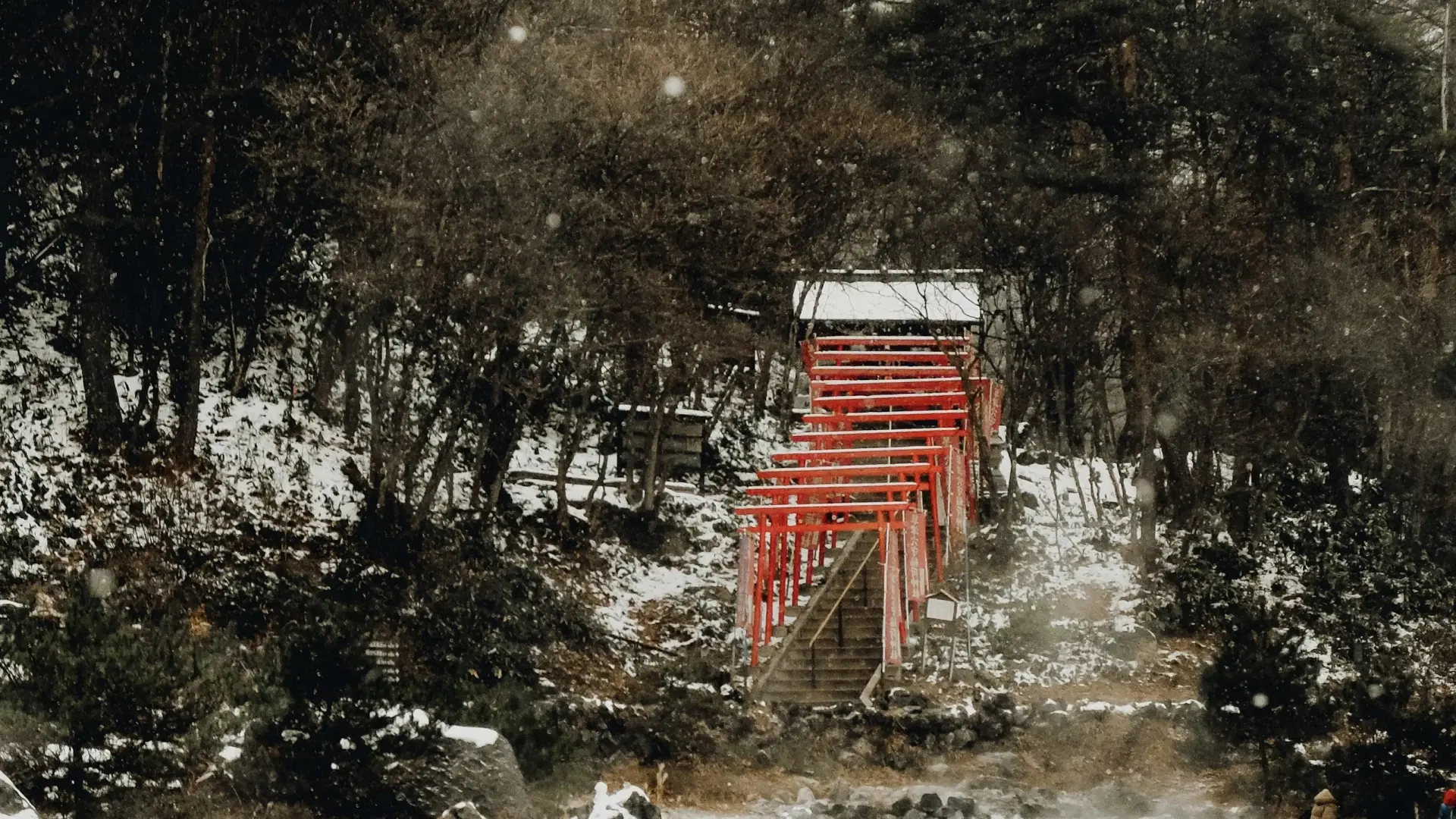
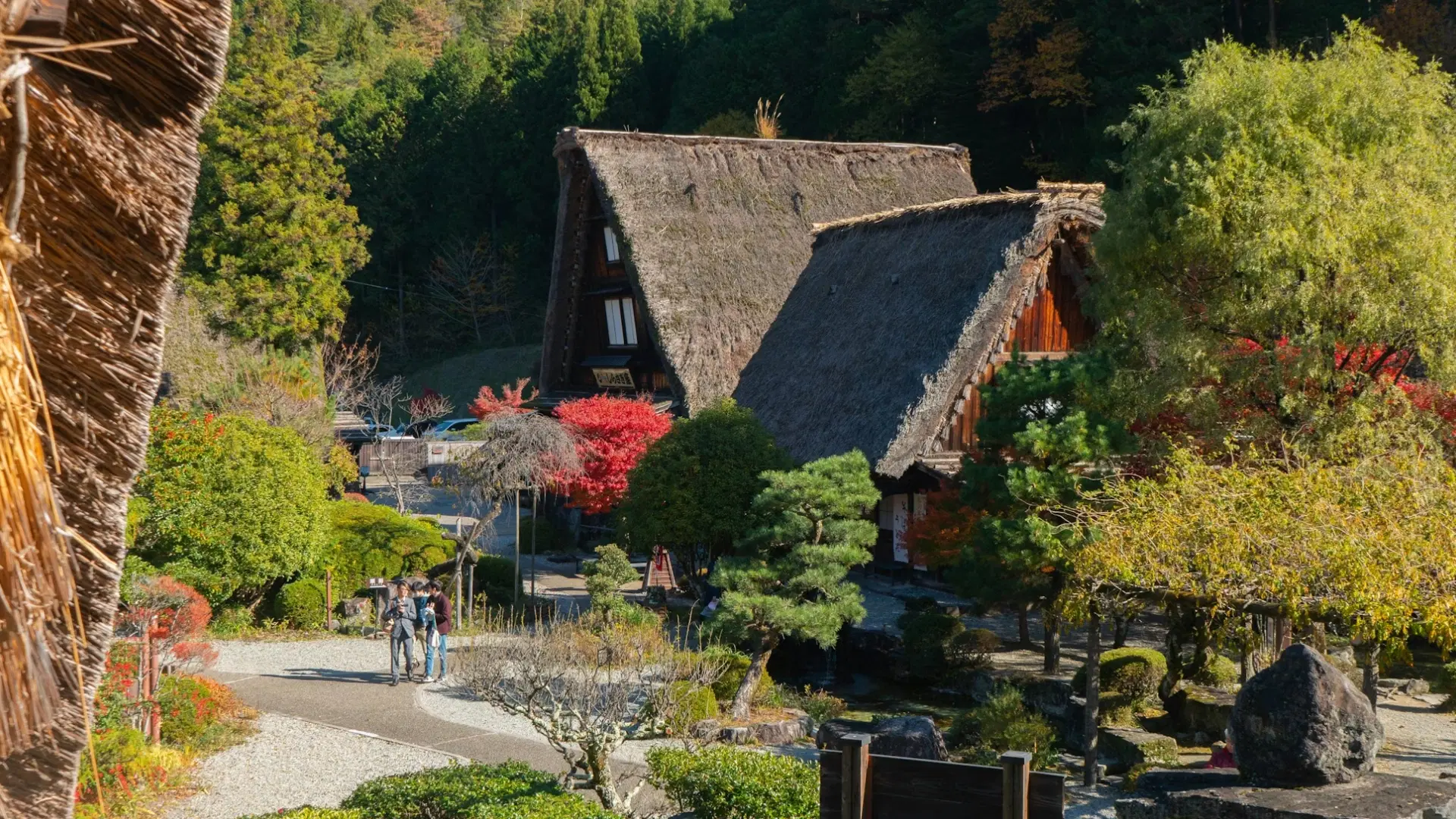
Tohoku's onsen are not polished; they are earned. What unites them is a character born of remoteness, harsh winters, and communities that have depended on their springs for sustenance and identity for centuries.
The Ryokan Guide Editorial
Gunma: The Onsen Prefecture
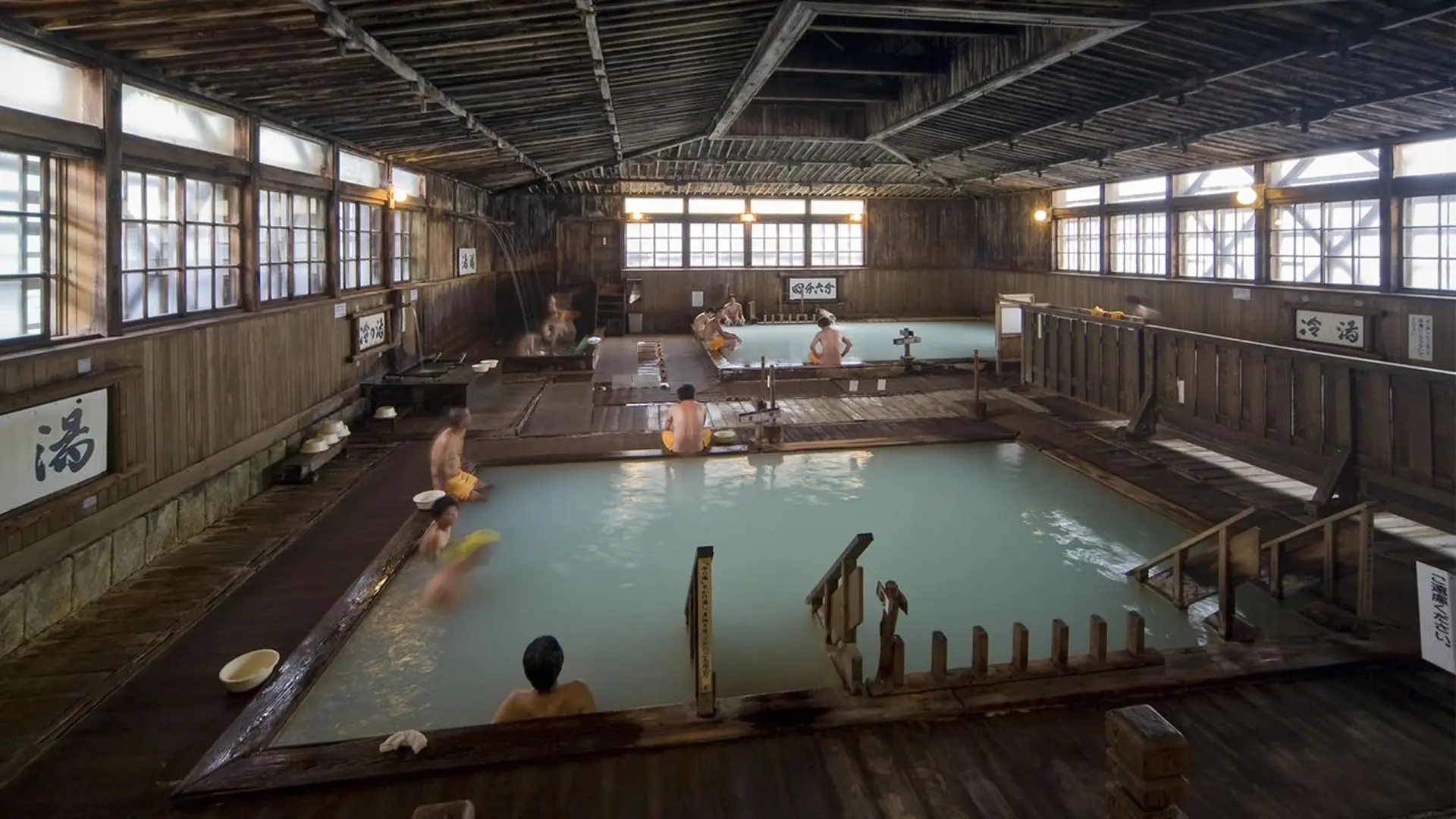
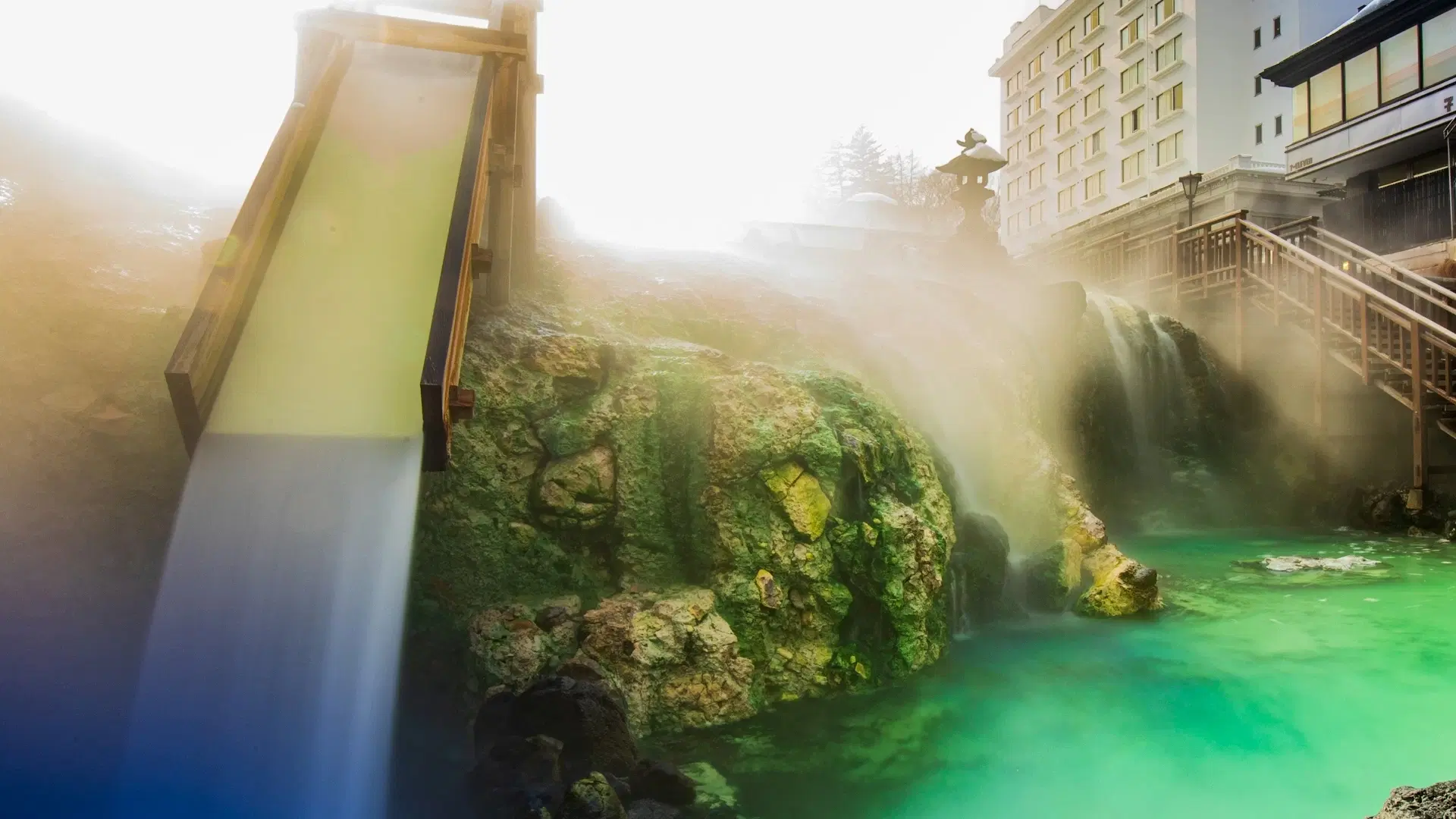
No prefecture identifies more closely with onsen culture than Gunma. Kusatsu is the crown jewel, with its central yubatake cooling and distributing intensely acidic, sulfur-rich source water. Hoshi Onsen Chojukan, in a remote mountain setting, offers an atmospheric interior bathhouse unchanged since 1895.
Kyushu's Volcanic South & The Japan Sea Coast
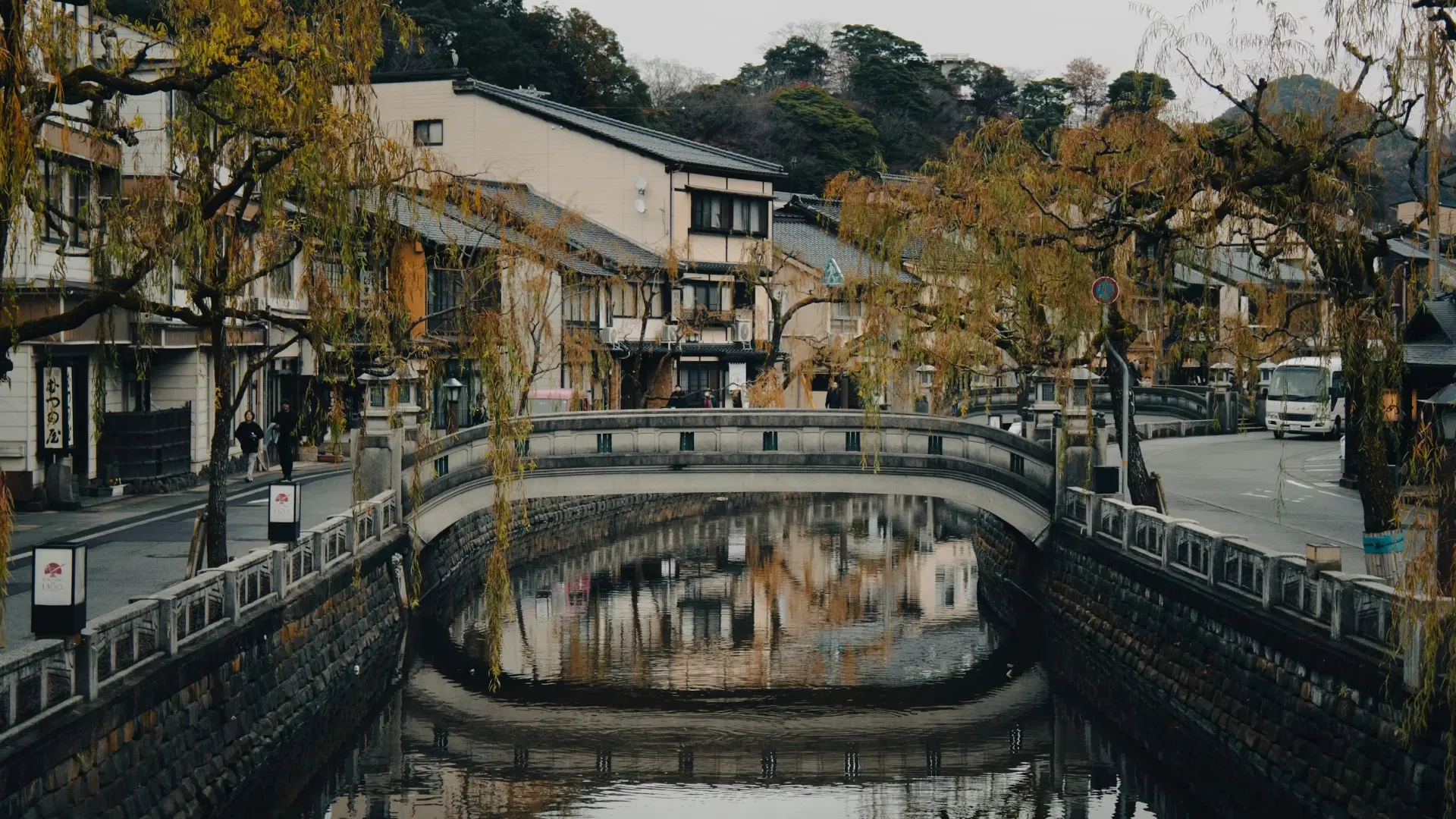
Kurokawa Onsen in Kumamoto pioneered the rotenburo meguri pass, transforming the town into a collaborative community. Ibusuki offers sunamushi sand bathing. Along the Japan Sea Coast, Kinosaki Onsen's seven public bathhouses represent the quintessential onsen town experience, especially in winter when the dining centers on matsuba crab.
Japan's three most historically celebrated onsen, known as Nihon Sanko-sen, are Arima (Hyogo), Dogo (Ehime), and Shirahama (Wakayama). All three have documented bathing histories exceeding 1,000 years.