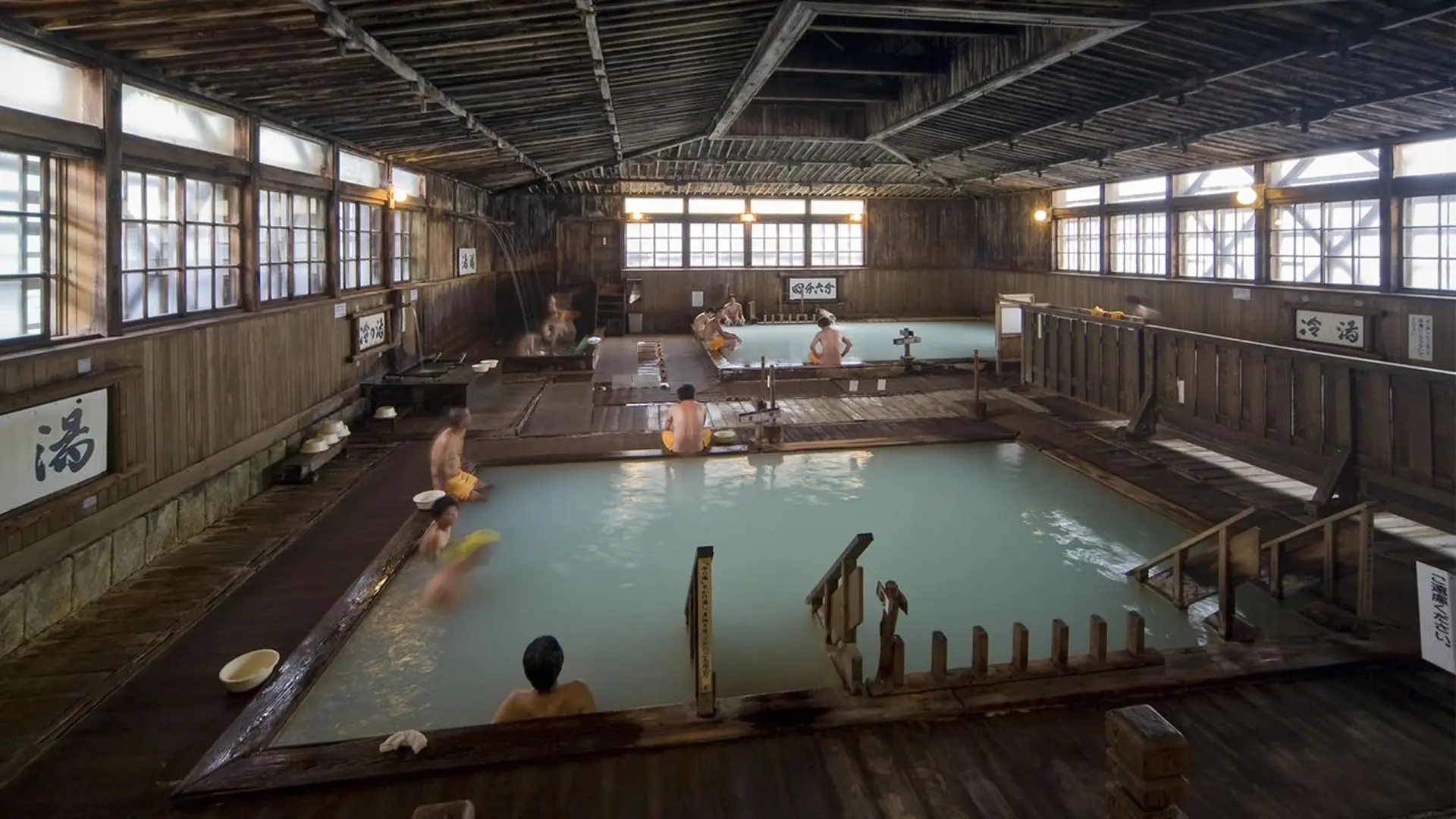
Onsen Ryokan vs Day Onsen: Two Paths to the Same Water
Understanding the distinct pleasures of an overnight stay versus a daytime visit, and how to choose between them
The mineral-rich water that rises from beneath the earth does not care whether you have reserved a room for the night or are merely passing through for an afternoon. The water is the water, and it offers the same mineral embrace to everyone.
And yet, the experience of bathing at an onsen ryokan and bathing at a day-use facility are so different that they might as well be different activities altogether. The water is the same, but everything surrounding it differs fundamentally. This is not a question of one being better than the other. Both have their proper place, but they serve different purposes and create different kinds of memory.
Higaeri (日帰り) means "day return" and refers to onsen facilities that welcome visitors for single bathing sessions without an overnight stay. Many ryokans offer higaeri access to their baths during specific daytime hours, often at a fraction of the overnight rate.
The Onsen Ryokan: Immersion as a Way of Being
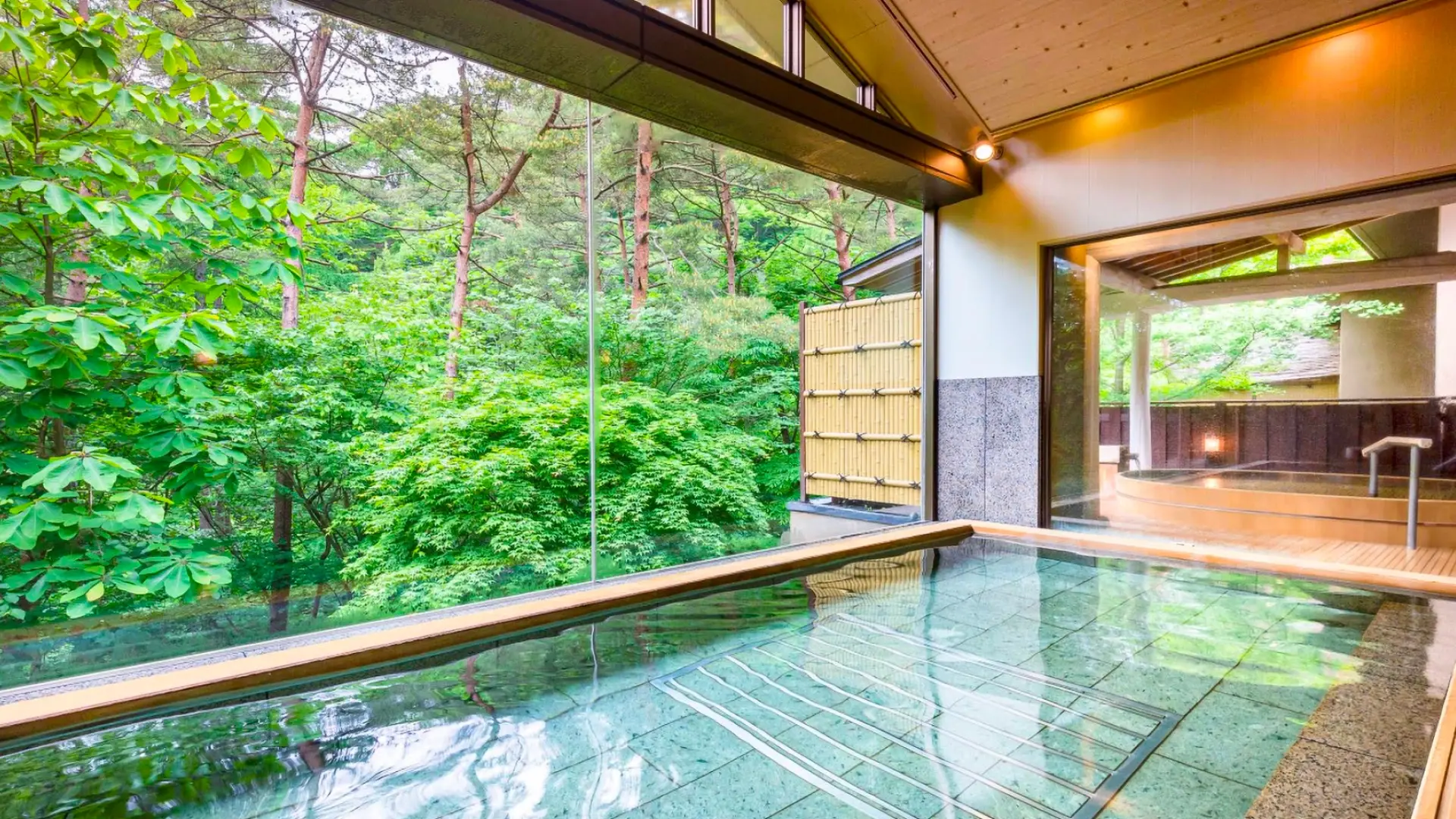
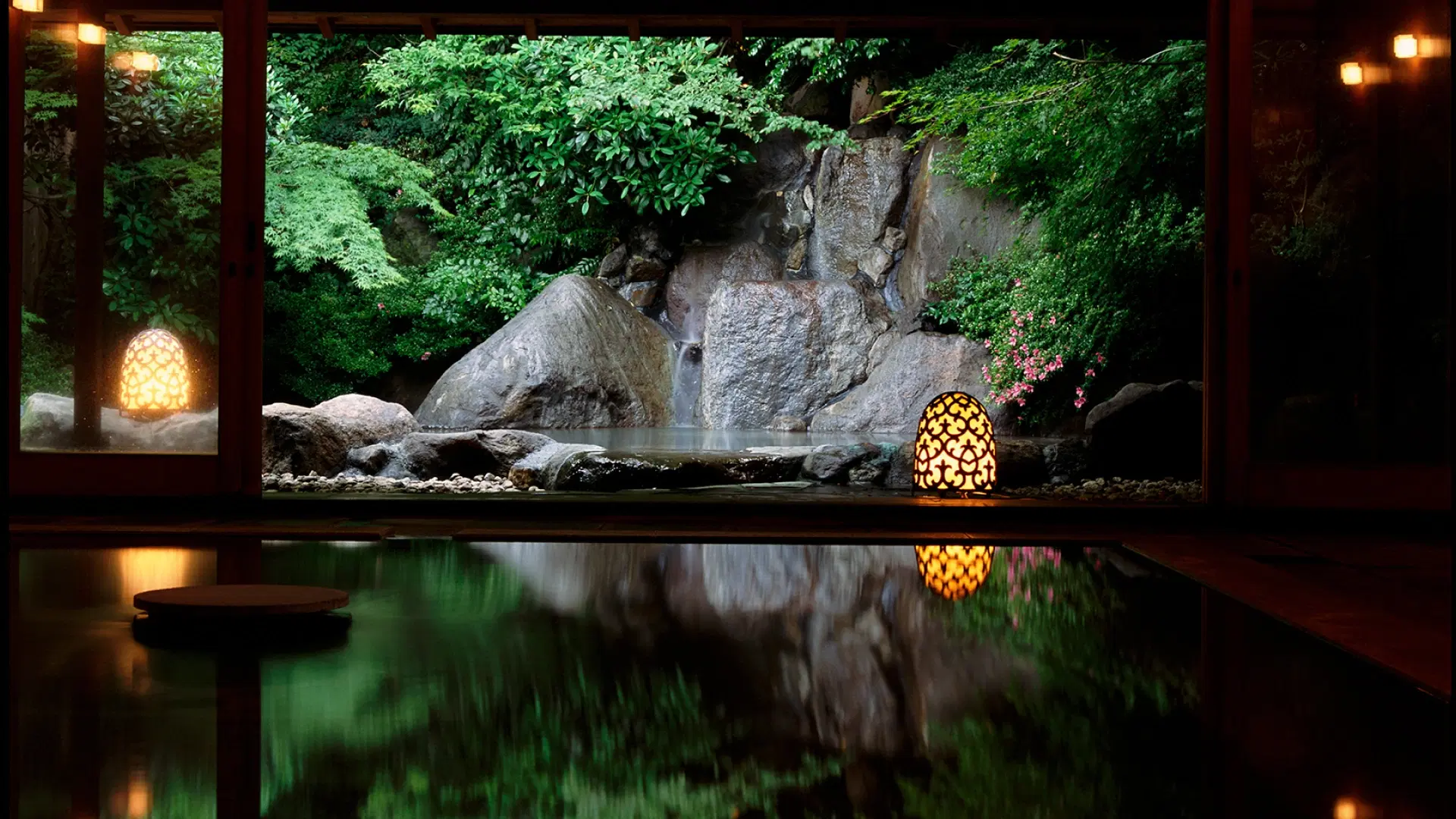
An onsen ryokan does not sell baths. It sells a complete world. From the moment you cross the threshold and exchange your shoes for slippers, you enter a self-contained environment in which every element has been composed as part of a single, coherent experience.
The rhythm follows a pattern refined over centuries: arrive in the afternoon, bathe, return for kaiseki dinner served course by course, bathe again at night, sleep on a futon laid by the nakai-san, bathe once more before breakfast. This multi-bath rhythm is what distinguishes the ryokan experience from any single bathing session.
The Day Onsen: Freedom and Discovery
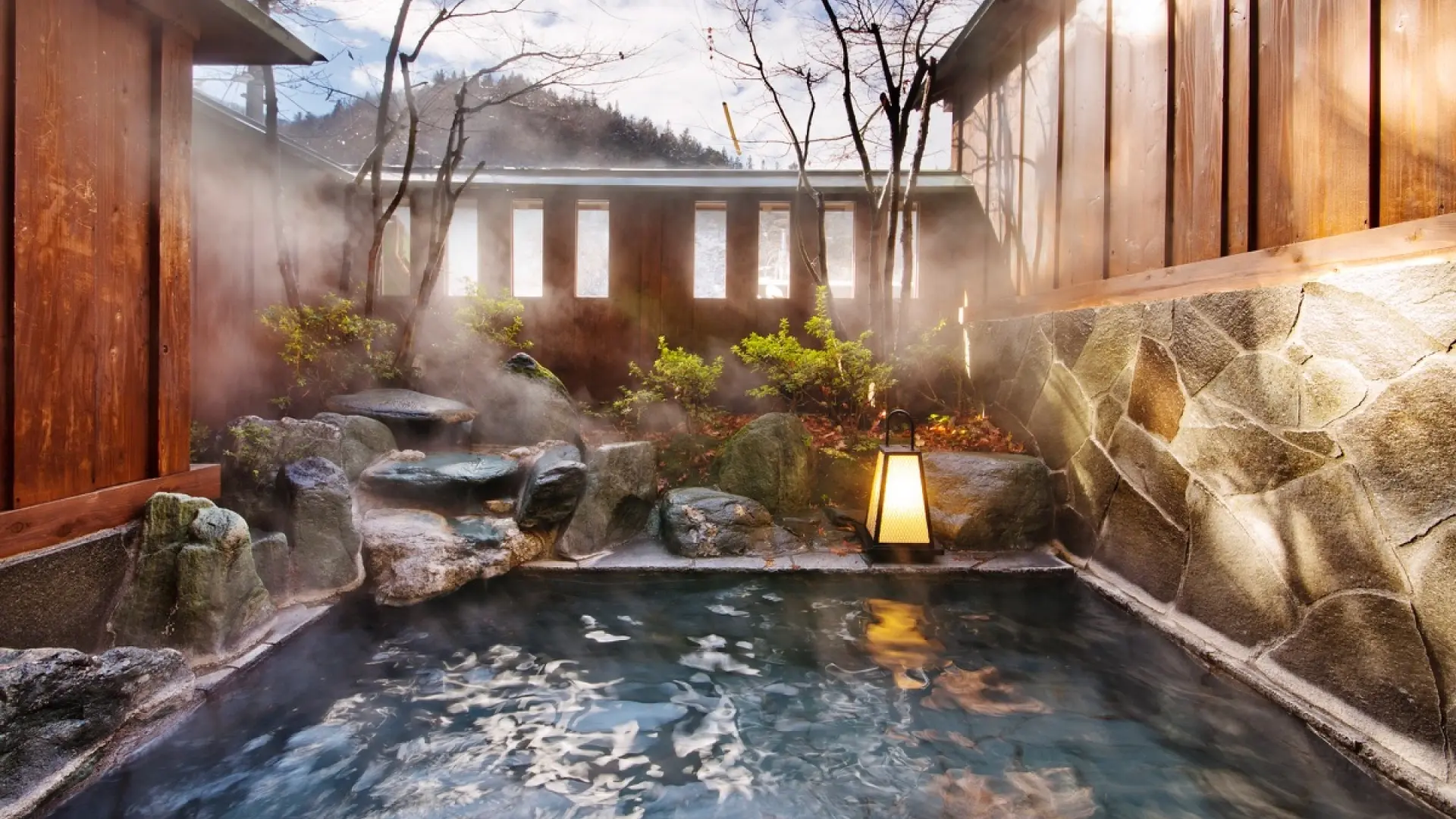
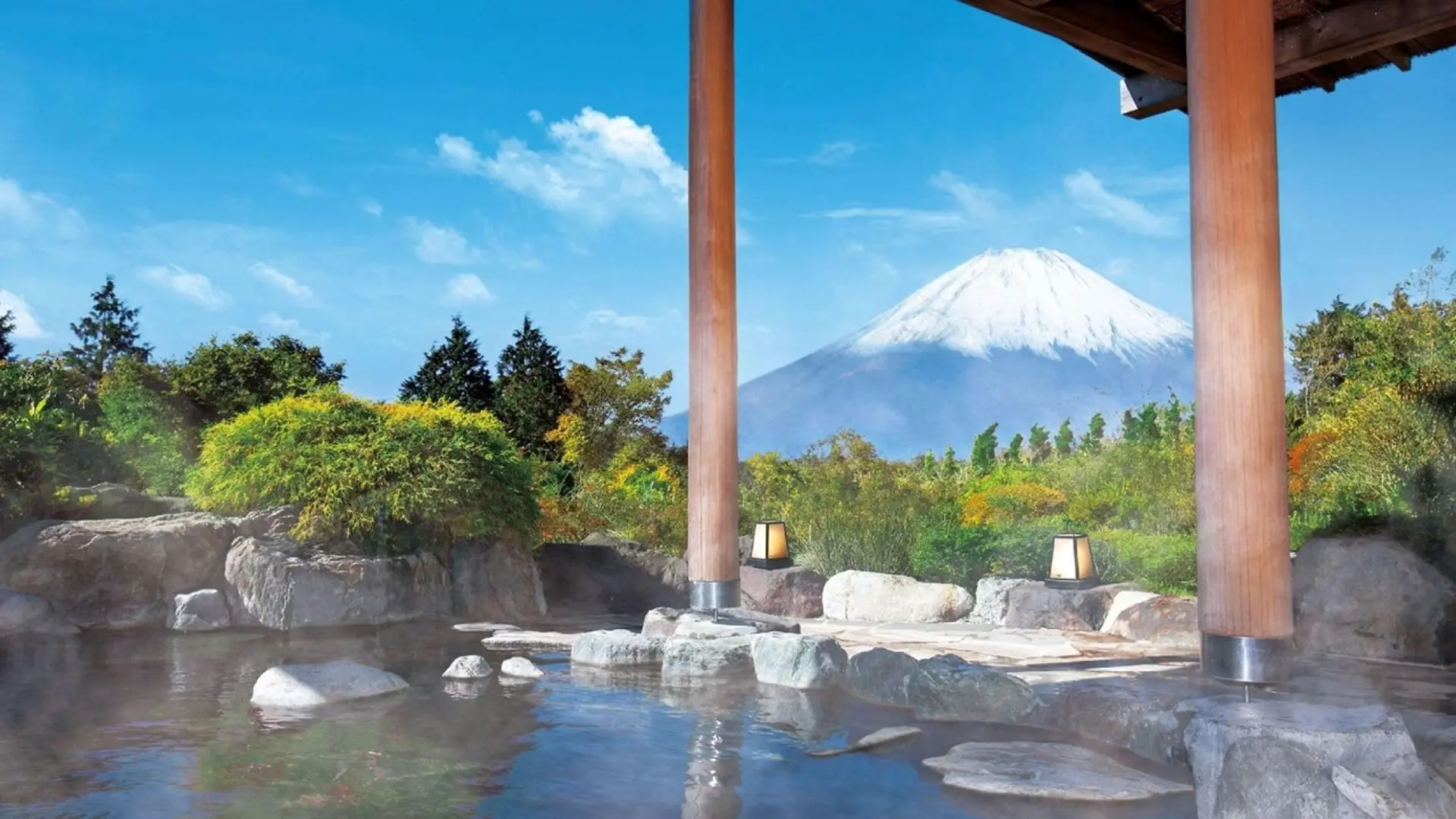
The day onsen, known as higaeri onsen, offers something entirely different: accessibility, spontaneity, and the pleasure of variety. The term encompasses everything from the grand public bathhouses of famous onsen towns to modest roadside springs where farmers stop for a quick soak.
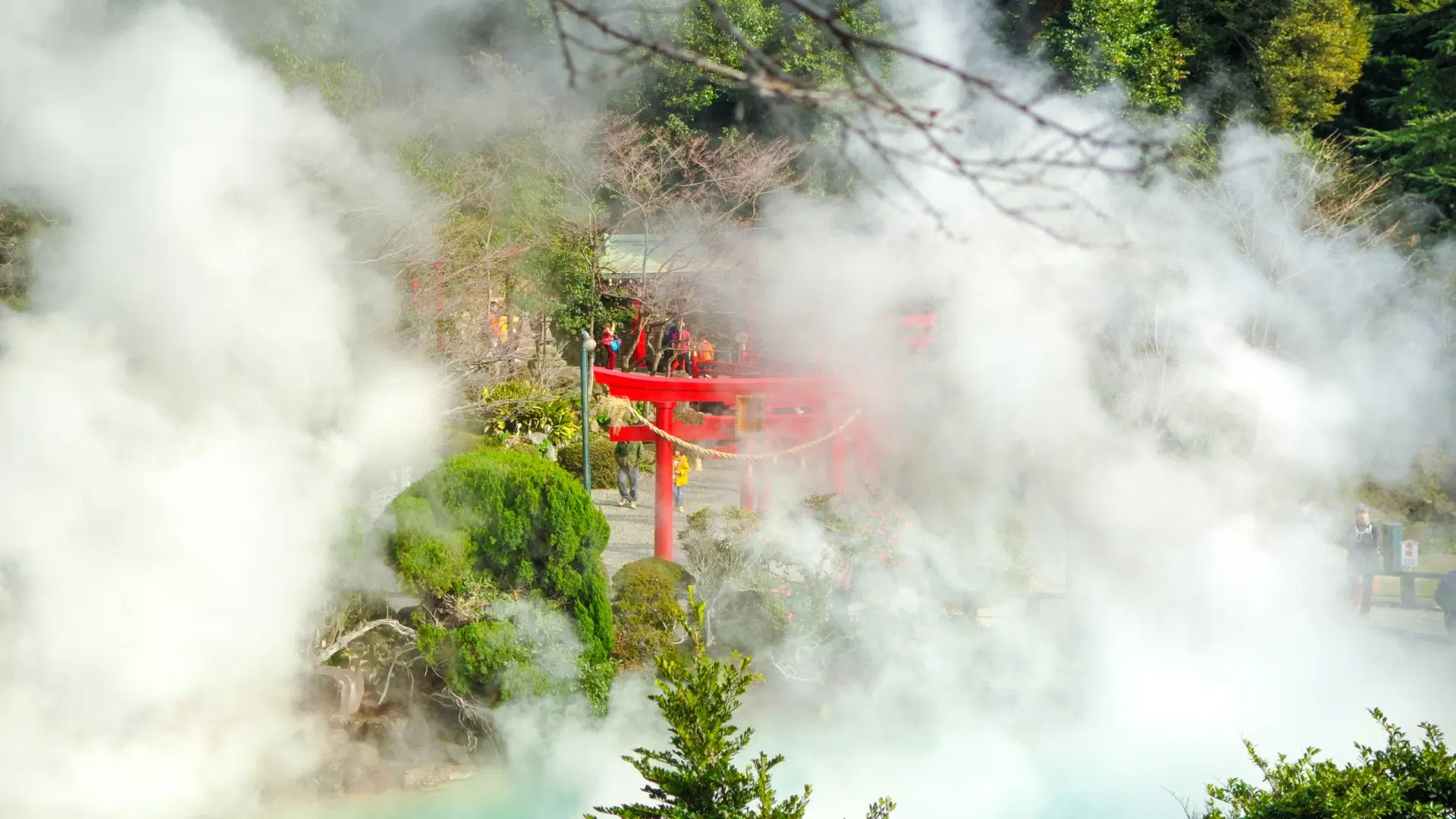
The great advantage is that it allows you to experience multiple springs in a single trip. An onsen town like Beppu, with eight distinct bathing districts each featuring its own water type, rewards the kind of exploratory bathing that an overnight stay at a single ryokan cannot provide.
Checking into a ryokan involves a transfer of responsibility. You are not a visitor managing a schedule; you are a guest being cared for. This surrender is itself therapeutic, and it is inseparable from the bathing experience.
The Ryokan Guide Editorial
Practical Differences
Cost is the most obvious distinction. An overnight stay at a quality onsen ryokan is a significant investment, while a day-use session is typically very affordable. Time is another factor: a ryokan stay requires at least one night, while a day visit can be woven into almost any itinerary. Many onsen towns are accessible by day trip from major cities.
Amenities differ as well. A ryokan provides everything: yukata, towels, toiletries, meals, and a room to rest between baths. A day-use facility may expect you to bring your own towel.
The Ideal Approach
The most rewarding onsen itinerary combines both. Use day onsen visits to explore and compare. Use ryokan stays to go deep. Visit the public baths of Beppu on a day trip, then book an overnight at a mountain ryokan in Kurokawa. The day onsen and the overnight ryokan are not competitors but complements.